Crypto Startups Raise $588M in Early 2026 as Institutional Investment Returns

TheNewsCryptoPublicado a 2026-01-17Actualizado a 2026-01-17

Resumen

In the first two weeks of January 2026, crypto startups raised $588 million, signaling strong institutional interest in the sector. Major investors like Arthur Hayes, Paradigm, and YZi Labs are directing capital toward scalable, low-risk infrastructure rather than speculative projects. Funding is concentrated in areas such as payment systems, trading platforms, and privacy technology, with a focus on developing institutional-grade tools for banks and financial firms. Key beneficiaries include Rain, a stablecoin payments startup that raised $250M; Alpaca, a trading API provider that secured $150M; and ICEx, an Indonesian exchange that raised $70M. The trend highlights growing demand for privacy solutions and regulated services, underscoring a shift toward practical infrastructure over hype-driven investments.

According to DefiLlama, in just two weeks of January 2026, investors started investing around $588 million in crypto startups, which shows a positive sign for the crypto industry this year. Popular names like Arthur Hayes and top VC firms like Paradigm and YZi Labs pour money into the crypto startups.

Institutional Capital Flows Toward Scalable, Low-Risk Crypto Infrastructure

Most of the investing money enters through high-potential platforms instead of risky projects. Investors are funding payments, crypto exchanges, trading platforms, and privacy technology. The idea is to build institutional-grade tools that can be used by the banks and other big financial firms.

According to analysts, privacy is now more essential for institutions, and they don’t want their trades to be exposed in public transactions. So investors are backing tech that hides the trade details and prevents front running, like zero-knowledge proofs and privacy-preserving payments.

Rain is a crypto payments startup that has raised $250M and focuses on stablecoins and processes more than $3B in annual transactions, and its partners include Western Union. Alpaca raised $150M, which provides APIs for trading, Data and custody. Its clients are Kraken and backed by Citadel Securities and Revolut leadership. ICEx is an Indonesian-based centralized exchange which raised $70M and focuses on regulated and local fiat on ramps.

This clearly shows that crypto is rapidly growing and investors are mainly focused on the real potential of privacy tools instead of hype based. Infrastructure beats the speculations, and regional exchanges and stablecoin payment leads in the investment list.

Highlighted Crypto News:

‌Sky (SKY) Price Prediction 2026, 2027-2030

TagsArthur HayesCrypto Startups

Preguntas relacionadas

QHow much funding did crypto startups raise in the first two weeks of January 2026 according to the article?

ACrypto startups raised $588 million in the first two weeks of January 2026.

QWhat type of crypto projects are institutional investors primarily funding, as mentioned in the report?

AInstitutional investors are primarily funding scalable, low-risk crypto infrastructure, such as payments platforms, crypto exchanges, trading platforms, and privacy technology.

QWhich specific crypto payments startup raised $250 million and has Western Union as a partner?

ARain, a crypto payments startup, raised $250 million and has Western Union as a partner.

QWhat is the main reason institutions are investing in privacy technology, according to analysts in the article?

AAnalysts state that institutions are investing in privacy technology because they don't want their trades to be in public transactions and want to hide trade details to prevent front-running.

QName one of the top VC firms mentioned that is investing in crypto startups.

AParadigm is one of the top VC firms mentioned that is investing in crypto startups.

Lecturas Relacionadas

Once-Popular Web3 Enters Wave of Layoffs

The once-hot Web3 industry is experiencing a severe wave of layoffs. While many companies attribute job cuts to AI-driven restructuring, the primary reason is often financial pressure. The Web3 sector, at the intersection of tech and finance, has been hit particularly hard. Employees at major cryptocurrency exchanges report sudden, impersonal layoffs—often with system access revoked overnight—and minimal or no severance. Common tactics include setting impossible performance targets or terminating employees for minor policy violations. The working atmosphere has become toxic, marked by intense monitoring, excessive meetings, and management obsessed with control and internal politics rather than product innovation. The industry's core business model is collapsing. Exchange revenue from trading fees and listing charges has plummeted due to a decline in quality projects and retail investor exodus. Events like the massive forced liquidation on October 10th further shattered confidence. Competition from on-chain derivatives platforms and prediction markets is intensifying the downturn. As layoffs continue, displaced workers struggle to find new opportunities. Many transition to the AI sector, but face significant bias from traditional finance and even some AI firms, which view crypto industry experience with suspicion. The current downturn appears more structural than cyclical, driven by unsustainable practices, internal strife, and a failure to innovate, raising questions about the industry's future trajectory.

marsbitHace 45 min(s)

Once-Popular Web3 Enters Wave of Layoffs

marsbitHace 45 min(s)

Sales Drop 26% But Prices Rise? Xiaomi's Dilemma

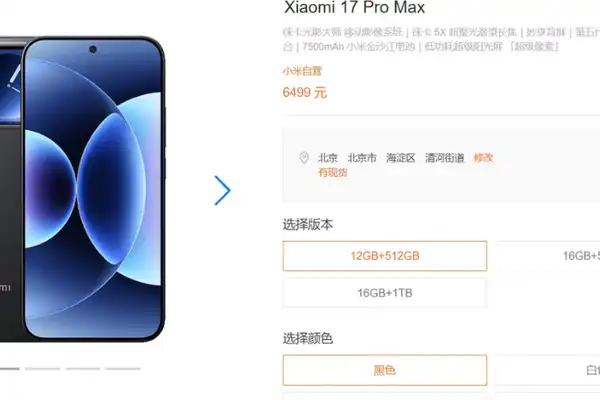
Xiaomi, facing a significant 26.3% year-on-year decline in global smartphone shipments in Q2 2026, has implemented its third price hike of the year. On August 2nd, prices were raised for nine models, including the flagship Mi 17 series (up 400-500 yuan) and Redmi K90/Turbo 5 series (up 300 yuan). This move completes a pattern where cost pressure, originating from surging memory chip prices, has climbed from entry-level to mid-range and now flagship products. The primary driver is a severe supply squeeze on consumer-grade DRAM and NAND flash memory, as major manufacturers like Samsung shift advanced capacity to more profitable HBM for AI applications. According to Xiaomi President Lu Weibing, memory prices for the same configuration have skyrocketed nearly fourfold since Q1 2025, adding roughly 1500 yuan to the cost of a mainstream 12GB+512GB phone. IDC estimates consumer memory costs have risen nearly 300% year-on-year. While the price increases hurt demand and contributed to the sales slump, Xiaomi's strategy of reducing entry-level models and upgrading its product mix also played a role. Domestically, its market share in China fell to 12% (5th place), while leaders Huawei and Apple saw shipments grow over 24%. To mitigate future risks, Xiaomi is accelerating its in-house "Surge" chip development and optimizing memory configurations across its lineup. Xiaomi is not alone; major brands like OPPO, vivo, and Apple have already raised prices in 2026, with industry insiders predicting another round of increases (200-800 yuan) in the second half. A full-scale industry-wide涨价 cycle is underway, forcing both manufacturers and consumers to recalibrate their strategies and purchasing decisions amid sustained cost pressures.

marsbitHace 56 min(s)

Sales Drop 26% But Prices Rise? Xiaomi's Dilemma

marsbitHace 56 min(s)

Trading

Spot
活动图片