‘Crypto Mining Queen’ Lyu Yongshuang: Once Controlled 9% of Global Bitcoin Hashrate, Swindled Out of 60 Million by ‘Middle Eastern Royal Son-in-Law’ in the US

marsbitPublicado a 2026-06-11Actualizado a 2026-06-11

Resumen

Summary: "Mining Queen" Lyu Yongshuang (Fiona Lyu), an 80s-born Chinese entrepreneur, once controlled approximately 9% of the global Bitcoin mining hashrate through her company Valarhash and its pools, 1THash and Bytepool. Her fortunes shifted dramatically in 2021 following China's crackdown on crypto mining. Relocating to the US, she fell victim to an elaborate fraud by two American brothers, Zubair and Muzammil Al Zubair. Posing as an "Arab royal" and a hedge fund manager, they used bribery and a fake romantic relationship to trick Lyu into signing a mining facility contract in Ohio. The scam resulted in losses exceeding $9.4 million, including the theft and resale of 1,067 mining rigs. In 2026, the brothers received lengthy prison sentences. Concurrently, Lyu faced legal battles in China, where a court invalidated a mining contract with a listed company, ordering a refund of nearly $2.8 million. These events marked a severe downturn for the once-powerful industry figure.

Original Author: Nicky, Foresight News

Caixin published an article on June 11th titled "Female Crypto Boss Defrauded of 60 Million in the US: How Did the ‘Middle Eastern Royal’ Brothers Set the Trap?". Following the clues in the article, we investigated the remarkable story of this "female crypto boss," Lyu, within the crypto world.

According to Caixin, a domestic female crypto tycoon was the victim of an investment fraud in the United States, suffering losses exceeding $9.4 million (approximately 60 million RMB). This individual is Lyu, the CEO of a computing power technology company in Southwest China. At its peak, the mining pool under her company reportedly accounted for about 9% of the global Bitcoin network hashrate.

The report indicated that two brothers named Zubair, who claimed to have "Middle Eastern royal" backgrounds, carried out the fraud by forging identities. One claimed to be a "Middle Eastern royal son-in-law," asserting control over Middle Eastern family funds, international business connections, and US local government resources. The other impersonated a character from the TV series "Billions," presenting himself as a hedge fund manager. The pair also successfully contacted and influenced Michael Smedley, the Chief of Staff to the Mayor of East Cleveland, Ohio, ultimately inducing Lyu to sign a contract for developing a crypto mining farm.
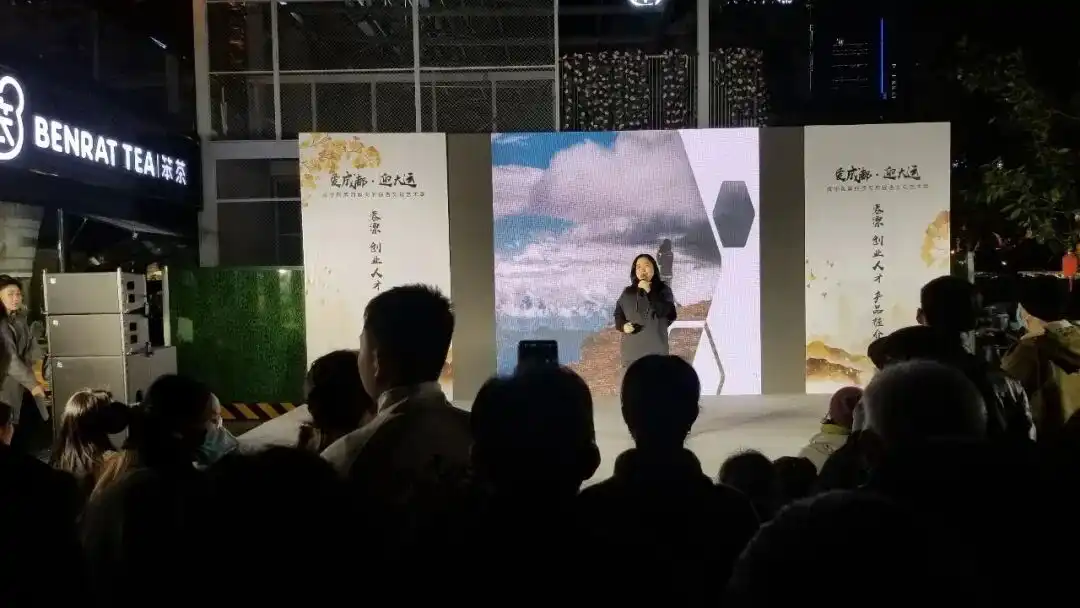
The Lyu mentioned in the report is an 80s-born female entrepreneur named Lyu Yongshuang (Fiona Lyu). The Chengdu Valarhash Technology Co., Ltd. she founded operates two mining pools: 1THash and Bytepool.

According to Caixin, Lyu Yongshuang was born in Ningbo in the 1980s. Before entering the cryptocurrency industry, her career path had no connection to finance or technology. She initially worked in international trade and later started a custom tour group business. She is an avid enthusiast of outdoor travel, diving, and sailing. In a 2020 interview, she mentioned that from 2008 to 2018, she spent more than half of each year traveling, covering destinations all over the world.

According to a previous report by TokenInsight, she first encountered Bitcoin in 2013 and immediately plunged into this emerging industry. At that time, China's cryptocurrency mining was still in its early stages, and miners needed to venture deep into the mountainous regions of Southwest China in search of cheap hydropower resources. Lyu recalled being among the earliest groups to "find electricity" in Sichuan. "The conditions were tough back then, but the electricity was cheap, the returns were high, and everyone was very excited."

In 2016, she began formally building her own mining farm. Between 2017 and 2018, she transitioned to mining machine distribution. In July 2019, she established Chengdu Valarhash Technology Co., Ltd., serving as CEO, integrating the business into a comprehensive platform encompassing mining pool operation, mining farm construction, mining machine hosting, and hashrate trading. In December of the same year, the company held a product launch event in Chengdu, officially introducing the 1THash and Bytepool mining pool brands and the 1TMine hashrate contract trading platform.

At its peak in the first half of 2020, 1THash ranked 7th globally among Bitcoin mining pools, and Bytepool ranked 11th. Together, the two pools controlled approximately 9% of the global Bitcoin hashrate. This was a staggering figure at the time, meaning that for every 100 Bitcoins generated globally, about 9 went to her pools.

A Sweeping Ban and a Turn of Fate

On May 21, 2021, the Financial Stability and Development Committee of the State Council held its 51st meeting, explicitly proposing to "crack down on Bitcoin mining and trading behavior."

In mid-June, the Sichuan Provincial Development and Reform Commission and the Sichuan Provincial Energy Bureau jointly issued a notice requiring power generation enterprises to conduct self-inspection and self-correction, immediately stopping electricity supply to virtual currency "mining" companies. For miners in Sichuan, this was the most devastating blow. Sichuan was the largest mining hub in China, with wet season hydropower prices as low as 0.2-0.3 RMB per kilowatt-hour, making it one of the cheapest power resources globally.

According to Caixin, Lyu Yongshuang later told friends that it was a period of "extreme anxiety." Her company had nine data centers distributed in China, the US, Canada, Russia, Sweden, and other locations, but the major domestic mining farms were the core source of hashrate. "Overnight, thousands of mining machines were forced to shut down, hundreds of shipping containers waited to be transported out, and money was burning every single day."
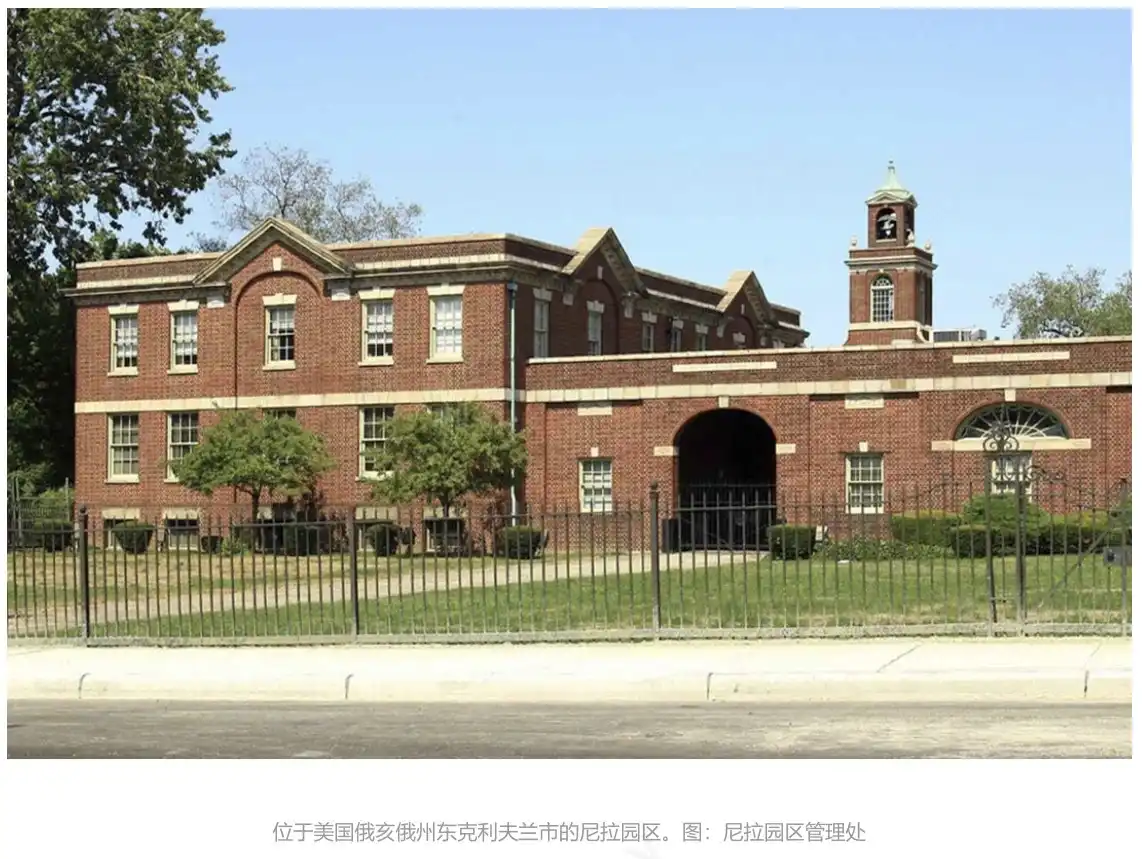
Image source: Caixin

She ultimately chose the United States as her first stop for venturing overseas. However, when she traveled across the ocean with hundreds of containers of mining machines to find a new foothold in Ohio, USA, what awaited her was an elaborately orchestrated scam.

According to Caixin, in July 2021, through an intermediary, she met Zubair Al Zubair, a man who claimed to be an "UAE royal son-in-law" and asserted control over Middle Eastern family funds and US local government resources. Zubair recommended an industrial property located in East Cleveland, Ohio, known as the Nela Park campus, claiming it could provide electricity at a low price of $0.04 per kilowatt-hour.

On August 11, 2021, inside the East Cleveland City Hall in Ohio, a seemingly formal signing ceremony took place. Witnessed by then-Mayor Brandon King and other municipal officials, Lyu Yongshuang signed her name on a cryptocurrency mining farm development contract, filled with hope. She paid $3 million to Zubair's company, "Dubai Bridge," and wired an initial $1 million from a Hong Kong account.
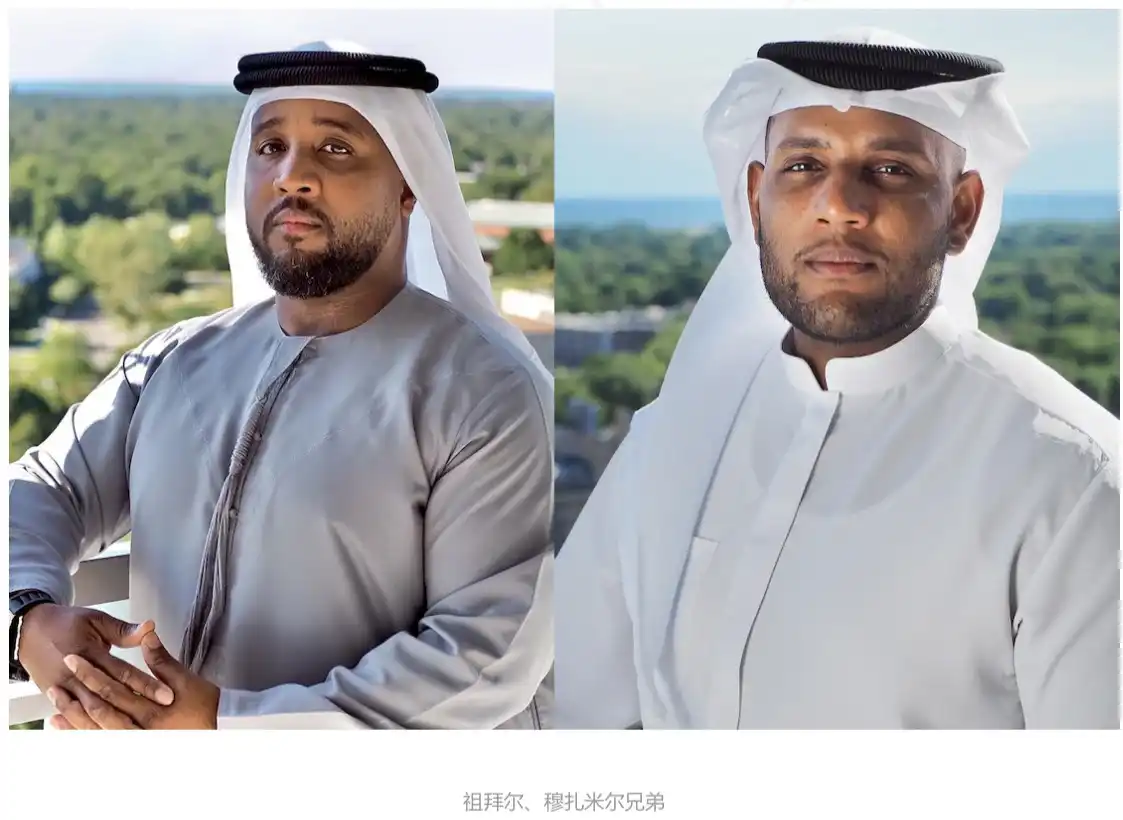
Image source: Caixin

However, this was just the beginning of an elaborately planned fraud. In reality, Zubair and his brother Muzamir were native-born Americans with no relation to any Middle Eastern royalty. The elder brother's claim of being a "son-in-law" was entirely fabricated; the younger brother's so-called "hedge fund manager" title was "self-taught" by watching YouTube videos and the TV series "Billions."

During their subsequent interactions, Zubair and Lyu Yongshuang established a "close personal relationship." In Lyu's view, this relationship was romantic in nature. Prosecutors later pointed out that such personal relationships were part of Zubair's fraud pattern, aimed at reducing the likelihood of victims questioning his claims.

The scam ultimately cost Lyu Yongshuang over $9.4 million (approximately 60 million RMB), including contract payments and later, 1,067 mining machines (sold for $6.17 million) that were defrauded by Zubair's brother and resold to Canada. That signing ceremony in the mayor's office was merely a false endorsement arranged by Zubair through bribing the mayor's chief of staff, Michael Smedley.

In May 2026, the US Department of Justice announced the sentences: Zubair was sentenced to 24 years in prison, Muzamir to 23 years, and Smedley to 8 years. Lyu Yongshuang appeared in the case under the code name "Victim 2."

Another Legal Battle Back Home

Around the same time Lyu Yongshuang was entangled in the US scam, she was also facing another legal dispute back in China, involving a lawsuit with Shanghai Jincai Network Technology Co., Ltd., a subsidiary of the A-share listed company ST Zhongchang (600242.SH).
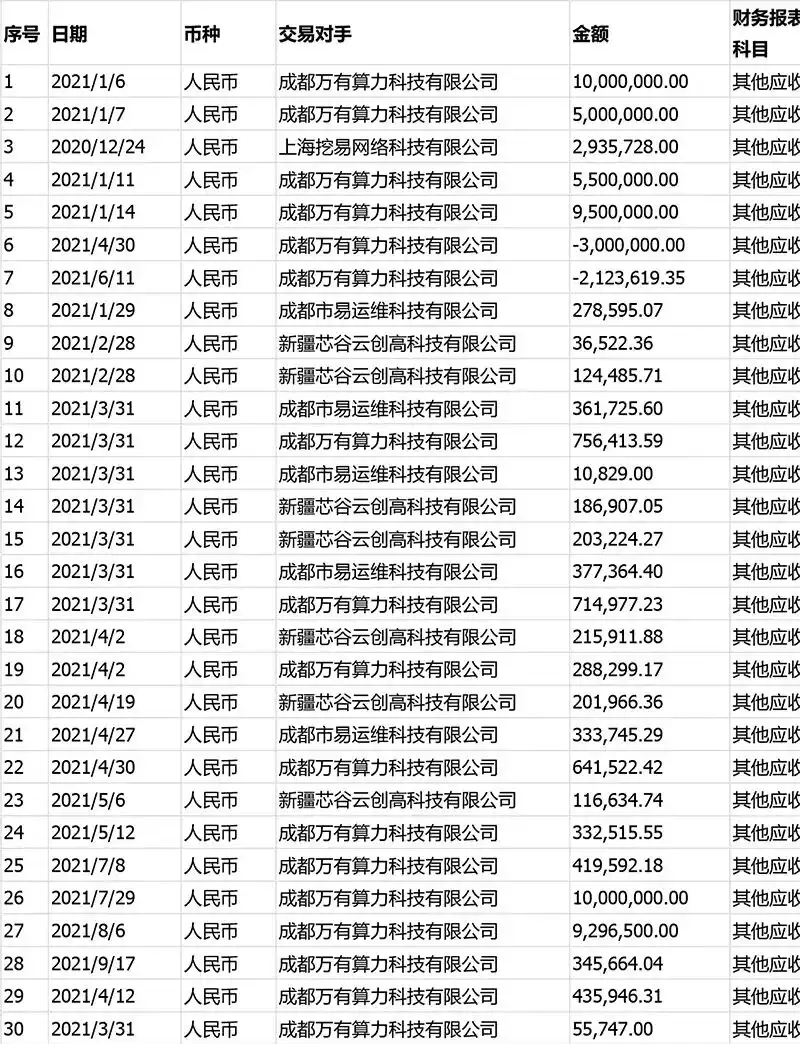
Image source: Shanghai Securities News

According to previous reports by Economic Observer and Jiemian News, the trigger for the incident was ST Zhongchang's then-chairman, Li Qunnan. Between January and September 2021, Li was suspected of misappropriating listed company funds to purchase Bitcoin mining machines and pay related hosting fees, totaling over 53.5472 million RMB. Among these, the company spent 30 million RMB purchasing servers (Bitcoin mining machines) from Chengdu Valarhash. These purchases were disclosed in the 2021 interim report as "company fixed assets used for actual operations," but audits found the related funds did not substantively form assets on the company's books.

Against this backdrop, ST Zhongchang's new management, seeking to recover losses, sued Chengdu Valarhash in the name of Shanghai Jincai in April 2022. They demanded the termination of the "Computing Power Service Contract" signed between the two parties on April 1, 2021, and the return of the contract price of 19.2965 million RMB.

In October 2022, the Chengdu High-Tech Industrial Development Zone People's Court issued a first-instance judgment: the contract was invalid because it involved Bitcoin "mining" activities, and Chengdu Valarhash was ordered to refund 19.2965 million RMB within ten days. The company appealed, but the second-instance ruling upheld the original judgment.

This lawsuit, from filing to final judgment, unfolded almost concurrently with Lyu Yongshuang's ordeal of being defrauded in the US. On one side, 9.4 million USD was lost overseas; on the other, nearly 20 million RMB in contract payments was ordered to be refunded domestically. Under this double blow, the "Crypto Mining Queen" who once controlled 9% of the global Bitcoin hashrate faced the darkest moment of her life.


Preguntas relacionadas

QWho is the subject of the article, and what was her former title and major business achievement in the cryptocurrency mining industry?

AThe subject of the article is Lu Yongshuang (Fiona Lyu). She was known as the "Mining Queen" and was the CEO of Chengdu Wanyou Hashrate Technology Co., Ltd. (Valarhash). At its peak, her mining pools, 1THash and Bytepool, jointly controlled about 9% of the global Bitcoin hashrate.

QWhat was the major regulatory change in China that significantly impacted Lu Yongshuang's business, and what was her subsequent business decision?

AIn May 2021, the Chinese government explicitly called for a crackdown on Bitcoin mining and trading. This was followed by a formal notice in Sichuan province ordering power companies to stop supplying electricity to crypto mining firms. This forced Lu Yongshuang's domestic mining operations to shut down. In response, she decided to relocate her mining operations overseas, with the United States as her first choice for expansion.

QDescribe the fraud scheme that Lu Yongshuang fell victim to in the United States. Who were the perpetrators and what was their method?

ALu Yongshuang was defrauded by two American brothers, Zubair Al Zubair and Muzamir. They fabricated identities: Zubair posed as a son-in-law of a Middle Eastern royal family with access to funds and government resources, while Muzamir impersonated a hedge fund manager. Through a bribed mayoral aide, they staged a fake contract signing ceremony for a crypto mining facility in Ohio. They swindled Lu out of over $9.4 million, including contract payments and proceeds from the subsequent sale of her mining machines.

QWhat was the outcome of the legal case against the fraudsters in the United States?

AIn May 2026, the U.S. Department of Justice announced the sentences for the perpetrators. Zubair Al Zubair was sentenced to 24 years in prison, his brother Muzamir received a 23-year sentence, and the corrupted mayoral aide, Michael Smedley, was sentenced to 8 years in prison.

QApart from the U.S. fraud case, what other major legal dispute was Lu Yongshuang involved in domestically in China, and what was the ruling?

ASimultaneously, in China, Lu's company, Chengdu Wanyou Hashrate, was sued by Shanghai Jincai Network Technology, a subsidiary of the listed company ST Zhongchang. The lawsuit sought to cancel a service contract and reclaim 19.3 million RMB paid for Bitcoin mining services. The court ruled that the contract was invalid because it involved Bitcoin "mining" activities, which were deemed illegal, and ordered Lu's company to return the 19.3 million RMB. This ruling was upheld on appeal.

Lecturas Relacionadas

The Largest IPO in History Ignites Heated Debate: Is SpaceX Worth $1.77 Trillion?

SpaceX's potential IPO is priced at $135 per share, aiming to raise $75 billion and valuing the company at approximately $1.77 trillion, which would make it the largest IPO in history. This valuation has sparked intense debate among investors. Bullish analysts, including major underwriters Goldman Sachs and Morgan Stanley, argue the valuation is justified by SpaceX's long-term potential. They see it not just as a rocket company but as a future leader in space infrastructure, with key growth drivers being Starlink satellite internet, low-cost rocket launches, and future AI-related ventures. They project revenues reaching hundreds of billions to trillions of dollars by 2030-2040. ARK Invest's model suggests a 2030 enterprise value could reach $2.5 trillion. Bearish analysts from independent research firms like Morningstar, PitchBook, and New Constructs contend the IPO price is excessively high, already pricing in unrealistic future growth. Using DCF and sum-of-the-parts models, they estimate fair value between $780 billion and $1.7 trillion, significantly below the IPO target. They highlight risks such as the speculative nature of AI projections, over-dependence on Elon Musk, high growth expectations, and corporate governance concerns. Trefis set a target price of just $79 per share. While both sides acknowledge SpaceX's unique position in commercial space, the core disagreement centers on whether the $135 share price offers a reasonable margin of safety or is overly optimistic. Despite the valuation controversy, reported strong demand for the IPO indicates significant market interest.

marsbitHace 43 min(s)

The Largest IPO in History Ignites Heated Debate: Is SpaceX Worth $1.77 Trillion?

marsbitHace 43 min(s)

After the Passage of the GENIUS Act and the CLARITY Act, What Is the Correct Architecture for On-Chain Yield?

The article discusses the evolution of on-chain credit, distinguishing three markets: overcollateralized crypto lending, unsecured lending (largely unsuccessful), and asset-backed credit (ABC). ABC, backed by identifiable real-world collateral with legal recourse, is identified as the fastest-growing category and the only one credibly addressing adverse selection—the core problem in credit where the riskiest borrowers self-select. Current growth in on-chain Real World Assets (RWAs), particularly tokenized private credit funds (e.g., Maple Finance, Centrifuge), is substantial but often merely "wraps" existing fund structures, inheriting their risks rather than solving adverse selection at the protocol level. The regulatory landscape is a key driver, with the US GENIUS Act (prohibiting stablecoin issuers from paying yield) and the proposed CLARITY Act (closing loopholes on indirect yield) set to redefine permissible yield-bearing products. This makes vaults (like ERC-4626) the critical architecture—they become the primary compliant vehicle for delivering yield, functioning as issuance, disclosure, distribution, and recovery mechanisms. The author's thesis is that the correct post-GENIUS/CLARITY architecture involves building ABC solutions where credit assessment, structure, and recovery are encoded directly into the smart contract vault layer, moving beyond mere tokenized fund wrappers to solve adverse selection fundamentally and ensure regulatory compliance.

Foresight NewsHace 1 hora(s)

After the Passage of the GENIUS Act and the CLARITY Act, What Is the Correct Architecture for On-Chain Yield?

Foresight NewsHace 1 hora(s)

TechFlow Intelligence Bureau: Anthropic's New Model Fable Sparks Controversy by Restricting Biosafety Research, US CPI Soars to 4.2%, a Three-Year High

**Summary of TechFlow Intelligence Report:** The newsletter covers several key tech and finance developments. In AI, Anthropic's new Fable model faced backlash for secretly limiting biomedical research capabilities and enforcing a 30-day data retention policy, prompting the company to promise more transparent adjustments. In a related story, Anthropic's founder revealed his departure from OpenAI was due to dishonesty from Sam Altman, not safety concerns. Meanwhile, OpenAI is considering significant price cuts to compete with Anthropic, potentially sparking a price war. In crypto/Web3, BlackRock filed a new amendment for a yield-generating Bitcoin ETF, while Bank of America's CEO warned that stablecoin yields could drain trillions from traditional banks. U.S. Senator Cynthia Lummis advocated for the U.S. to officially accumulate Bitcoin reserves. In hardware, Nvidia released the DiffusionGemma-2-6B image model optimized for efficient inference, and AMD promoted its unified memory architecture to challenge Nvidia's dominance. TSMC's CFO hinted at possible price increases due to soaring AI chip demand. A major legal ruling in Germany held Google legally responsible for inaccurate information generated by its AI Overviews feature. Google Chrome also moved to fully block ad-blocker workarounds like uBlock Origin. Macroeconomic headlines included U.S. CPI rising to 4.2% (a 3-year high) and Iran's complete closure of the Strait of Hormuz, raising oil price and inflation fears. South Korean markets saw continued volatility with massive foreign capital outflow. Other notable stories: Microsoft expanded its Copilot AI assistant "Mico" globally; a study found r/wallstreetbets users' stock picks outperformed Wall Street; a fully autonomous drone killed a human soldier for the first time, raising AI ethics concerns; and a Chinese hospital used brain-computer interface technology to help a blind person "see." The overarching theme connects debates over AI boundaries and responsibility (Anthropic's restrictions, Google's liability, lethal autonomous drones) with real-world economic and geopolitical turmoil (inflation, Strait of Hormuz closure, market instability), highlighting the tense interplay between technological advancement and global chaos.

marsbitHace 1 hora(s)

TechFlow Intelligence Bureau: Anthropic's New Model Fable Sparks Controversy by Restricting Biosafety Research, US CPI Soars to 4.2%, a Three-Year High

marsbitHace 1 hora(s)

Alibaba's Yet Another New Business Division: What Signal Does It Send?

Alibaba has established a new "Token Foundry" business unit, merging its Tongyi large model division and Future Life Lab. Led directly by Group CEO Wu Yongming, this marks the company's third significant AI organizational reshuffle in 2026, following the creation of the Alibaba Token Hub (ATH) and a Group Technology Committee. The move signals a strategic shift from consolidating AI resources to accelerating productization and commercialization. The "Token Foundry" name reflects Alibaba's ambition to become a foundational supplier in the AI era, focusing on model development and commercial application. Key teams, including those behind the high-performing HappyHorse video generation model, have been integrated into the new unit. Concurrently, Zhou Jingren, architect of the Qwen model series, has been appointed Group Chief Scientist to lead a new AI Future Research Institute, focusing on long-term technological breakthroughs like Agent capabilities. This restructuring creates a clear four-layer AI architecture within Alibaba: the research institute for frontier exploration, Token Foundry for core models and commercialization, MaaS for platform services, and business units like Qianwen (C端) and Wukong (B端) for end-user applications. The adjustments align with a global trend among tech giants like Google and Microsoft to centralize AI leadership under the CEO and deeply integrate research with business units. The urgency is driven by a narrowing competitive window. Alibaba has announced its AI business is now entering a commercialization phase, with AI-related revenue seeing triple-digit growth for eleven consecutive quarters. The company faces intense competition in the MaaS (Model-as-a-Service) sector from rivals like ByteDance and Tencent. The Token Foundry initiative represents Alibaba's effort to streamline execution and enhance competitiveness in this critical, fast-evolving landscape.

marsbitHace 2 hora(s)

Alibaba's Yet Another New Business Division: What Signal Does It Send?

marsbitHace 2 hora(s)

Trading

Spot
Futuros

Artículos destacados

Qué es BITCOIN

Entendiendo HarryPotterObamaSonic10Inu (ERC-20) y Su Posición en el Espacio Cripto En los últimos años, el mercado de criptomonedas ha sido testigo de un aumento en la popularidad de las monedas meme, capturando el interés no solo de los comerciantes, sino también de aquellos que buscan compromiso comunitario y valor de entretenimiento. Entre estos tokens únicos se encuentra HarryPotterObamaSonic10Inu (ERC-20), un proyecto intrigante que mezcla referencias culturales en el tejido de las criptomonedas. Este artículo profundiza en los aspectos clave de HarryPotterObamaSonic10Inu, explorando sus mecanismos, ethos impulsado por la comunidad y su relación con el paisaje cripto más amplio. ¿Qué es HarryPotterObamaSonic10Inu (ERC-20)? Como su nombre sugiere, HarryPotterObamaSonic10Inu es una moneda meme construida sobre la blockchain de Ethereum, clasificada bajo el estándar ERC-20. A diferencia de las criptomonedas tradicionales que pueden enfatizar la utilidad práctica o el potencial de inversión, este token prospera en el valor de entretenimiento y la fuerza de su comunidad. El proyecto tiene como objetivo fomentar un entorno donde los usuarios comprometidos puedan reunirse, compartir ideas y participar en actividades inspiradas por diversos fenómenos culturales. Una característica notable de HarryPotterObamaSonic10Inu es su cero impuestos en las transacciones. Este atractivo elemento tiene como objetivo incentivar el comercio y la participación comunitaria, sin cargos adicionales que puedan disuadir a los comerciantes de pequeña escala. El suministro total de la moneda está establecido en mil millones de tokens, una cifra que marca su intención de mantener una circulación sustancial dentro de la comunidad. Creador de HarryPotterObamaSonic10Inu (ERC-20) Los orígenes de HarryPotterObamaSonic10Inu están algo envueltos en misterio; los detalles sobre el creador siguen siendo desconocidos. El desarrollo de este token carece de un equipo identificable o de un plan explícito, lo cual no es inusual dentro del sector de monedas meme. En cambio, el proyecto ha surgido de manera orgánica, con su progreso muy dependiente del entusiasmo y la participación de su comunidad. Inversores de HarryPotterObamaSonic10Inu (ERC-20) En cuanto a inversiones externas y respaldo, HarryPotterObamaSonic10Inu también sigue siendo ambiguo. El token no lista ninguna fundación de inversión conocida o apoyo organizacional significativo. En cambio, la savia del proyecto es su comunidad de base, que informa su crecimiento y sostenibilidad a través de la acción colectiva y el compromiso en el espacio cripto. ¿Cómo Funciona HarryPotterObamaSonic10Inu (ERC-20)? Como una moneda meme, HarryPotterObamaSonic10Inu opera principalmente fuera de los marcos tradicionales que a menudo rigen el valor de los activos. Hay varios aspectos distintivos que definen cómo funciona el proyecto: Transacciones Sin Impuestos: Sin tarifas impositivas en las transacciones, los usuarios pueden comprar y vender el token libremente sin preocuparse por costos ocultos. Compromiso Comunitario: El proyecto prospera en la interacción comunitaria, aprovechando plataformas de redes sociales para crear entusiasmo y facilitar la participación. Las discusiones, el intercambio de contenido y el compromiso son elementos cruciales que ayudan a expandir su alcance y fomentar la lealtad entre los seguidores. Sin Utilidad Práctica: Cabe señalar que HarryPotterObamaSonic10Inu no ofrece utilidad concreta dentro del ecosistema financiero. Más bien, se clasifica como un token principalmente para actividades de entretenimiento y comunitarias. Referencia Cultural: El token incorpora astutamente elementos de la cultura popular para atraer interés, conectando con entusiastas de los memes y seguidores de las criptomonedas por igual. HarryPotterObamaSonic10Inu ejemplifica cómo las monedas meme operan de manera diferente a los proyectos de criptomonedas más tradicionales, ingresando al mercado como construcciones sociales innovadoras en lugar de activos utilitarios. Cronología de HarryPotterObamaSonic10Inu (ERC-20) La historia de HarryPotterObamaSonic10Inu está marcada por varios hitos notables: Creación: El token surgió de un meme viral, capturando la imaginación de muchos entusiastas de las criptomonedas. Las fechas específicas de creación no están disponibles, subrayando su ascenso orgánico. Listado en Exchanges: HarryPotterObamaSonic10Inu ha llegado a varios exchanges, permitiendo un acceso y comercio más fácil por parte de la comunidad. Iniciativas de Compromiso Comunitario: Actividades continuas destinadas a mejorar la interacción comunitaria, incluyendo concursos, campañas en redes sociales y generación de contenido por parte de fanáticos y defensores. Planes de Expansión Futuros: La hoja de ruta del proyecto incluye el lanzamiento de una colección de NFT, mercancía y un sitio de comercio electrónico relacionado con sus temas culturales, involucrando aún más a la comunidad e intentando añadir más dimensiones a su ecosistema. Puntos Clave Sobre HarryPotterObamaSonic10Inu (ERC-20) Naturaleza Impulsada por la Comunidad: El proyecto prioriza la participación colectiva y la creatividad, asegurando que la involucración de los usuarios esté a la vanguardia de su desarrollo. Clasificación como Moneda Meme: Representa la epítome de las criptomonedas basadas en el entretenimiento, diferenciándose de los vehículos de inversión tradicionales. Sin Afiliación Directa con Bitcoin: A pesar de la similitud en el nombre del ticker, HarryPotterObamaSonic10Inu es distinto y no tiene relación con Bitcoin u otras criptomonedas establecidas. Enfoque en la Colaboración: HarryPotterObamaSonic10Inu está diseñado para crear un espacio para la colaboración y el intercambio de historias entre sus poseedores, proporcionando una vía para la creatividad y el vínculo comunitario. Perspectivas Futuras: La ambición de expandirse más allá de su premisa inicial hacia NFTs y mercancías describe un camino para que el proyecto potencialmente ingrese a avenidas más tradicionales dentro de la cultura digital. A medida que las monedas meme continúan capturando la imaginación de la comunidad de criptomonedas, HarryPotterObamaSonic10Inu (ERC-20) se destaca debido a sus lazos culturales y su enfoque centrado en la comunidad. Si bien puede no encajar en el molde típico de un token impulsado por la utilidad, su esencia radica en la alegría y la camaradería fomentadas entre sus seguidores, destacando la naturaleza en evolución de las criptomonedas en una era cada vez más digital. A medida que el proyecto continúa desarrollándose, será importante observar cómo las dinámicas comunitarias influyen en su trayectoria en el cambiante paisaje de la tecnología blockchain.

1.7k Vistas totalesPublicado en 2024.04.01Actualizado en 2024.12.03

Qué es BITCOIN

Cómo comprar BTC

¡Bienvenido a HTX.com! Hemos hecho que comprar Bitcoin (BTC) sea simple y conveniente. Sigue nuestra guía paso a paso para iniciar tu viaje de criptos.Paso 1: crea tu cuenta HTXUtiliza tu correo electrónico o número de teléfono para registrarte y obtener una cuenta gratuita en HTX. Experimenta un proceso de registro sin complicaciones y desbloquea todas las funciones.Obtener mi cuentaPaso 2: ve a Comprar cripto y elige tu método de pagoTarjeta de crédito/débito: usa tu Visa o Mastercard para comprar Bitcoin (BTC) al instante.Saldo: utiliza fondos del saldo de tu cuenta HTX para tradear sin problemas.Terceros: hemos agregado métodos de pago populares como Google Pay y Apple Pay para mejorar la comodidad.P2P: tradear directamente con otros usuarios en HTX.Over-the-Counter (OTC): ofrecemos servicios personalizados y tipos de cambio competitivos para los traders.Paso 3: guarda tu Bitcoin (BTC)Después de comprar tu Bitcoin (BTC), guárdalo en tu cuenta HTX. Alternativamente, puedes enviarlo a otro lugar mediante transferencia blockchain o utilizarlo para tradear otras criptomonedas.Paso 4: tradear Bitcoin (BTC)Tradear fácilmente con Bitcoin (BTC) en HTX's mercado spot. Simplemente accede a tu cuenta, selecciona tu par de trading, ejecuta tus trades y monitorea en tiempo real. Ofrecemos una experiencia fácil de usar tanto para principiantes como para traders experimentados.

5.1k Vistas totalesPublicado en 2024.12.12Actualizado en 2026.06.02

Cómo comprar BTC

Qué es $BITCOIN

ORO DIGITAL ($BITCOIN): Un Análisis Integral Introducción al ORO DIGITAL ($BITCOIN) ORO DIGITAL ($BITCOIN) es un proyecto basado en blockchain que opera en la red Solana, cuyo objetivo es combinar las características de los metales preciosos tradicionales con la innovación de las tecnologías descentralizadas. Aunque comparte un nombre con Bitcoin, a menudo referido como “oro digital” debido a su percepción como un refugio de valor, ORO DIGITAL es un token separado diseñado para crear un ecosistema único dentro del paisaje Web3. Su meta es posicionarse como un activo digital alternativo viable, aunque los detalles sobre sus aplicaciones y funcionalidades aún están en desarrollo. ¿Qué es ORO DIGITAL ($BITCOIN)? ORO DIGITAL ($BITCOIN) es un token de criptomoneda diseñado explícitamente para su uso en la blockchain de Solana. A diferencia de Bitcoin, que proporciona un papel de almacenamiento de valor ampliamente reconocido, este token parece centrarse en aplicaciones y características más amplias. Aspectos notables incluyen: Infraestructura Blockchain: El token está construido sobre la blockchain de Solana, conocida por su capacidad para manejar transacciones de alta velocidad y bajo costo. Dinámicas de Suministro: ORO DIGITAL tiene un suministro máximo limitado a 100 cuatrillones de tokens (100P $BITCOIN), aunque los detalles sobre su suministro circulante no se han divulgado actualmente. Utilidad: Si bien las funcionalidades precisas no están delineadas explícitamente, hay indicios de que el token podría ser utilizado para diversas aplicaciones, potencialmente involucrando aplicaciones descentralizadas (dApps) o estrategias de tokenización de activos. ¿Quién es el Creador de ORO DIGITAL ($BITCOIN)? En la actualidad, la identidad de los creadores y el equipo de desarrollo detrás de ORO DIGITAL ($BITCOIN) sigue siendo desconocida. Esta situación es típica entre muchos proyectos innovadores dentro del espacio blockchain, particularmente aquellos alineados con las finanzas descentralizadas y fenómenos de monedas meme. Si bien tal anonimato puede fomentar una cultura impulsada por la comunidad, intensifica las preocupaciones sobre la gobernanza y la responsabilidad. ¿Quiénes son los Inversores de ORO DIGITAL ($BITCOIN)? La información disponible indica que ORO DIGITAL ($BITCOIN) no tiene patrocinadores institucionales conocidos ni inversiones destacadas de capital de riesgo. El proyecto parece operar en un modelo de peer-to-peer centrado en el apoyo y la adopción de la comunidad en lugar de rutas de financiamiento tradicionales. Su actividad y liquidez se sitúan principalmente en intercambios descentralizados (DEX), como PumpSwap, en lugar de plataformas de trading centralizadas establecidas, lo que resalta aún más su enfoque de base. Cómo Funciona ORO DIGITAL ($BITCOIN) Los mecanismos operativos de ORO DIGITAL ($BITCOIN) pueden elaborarse en función de su diseño blockchain y atributos de red: Mecanismo de Consenso: Al aprovechar el único proof-of-history (PoH) de Solana combinado con un modelo de proof-of-stake (PoS), el proyecto asegura una validación de transacciones eficiente que contribuye al alto rendimiento de la red. Tokenómica: Si bien los mecanismos deflacionarios específicos no se han detallado extensamente, el vasto suministro máximo de tokens implica que podría atender microtransacciones o casos de uso nicho que aún están por definirse. Interoperabilidad: Existe el potencial de integración con el ecosistema más amplio de Solana, incluyendo varias plataformas de finanzas descentralizadas (DeFi). Sin embargo, los detalles sobre integraciones específicas permanecen no especificados. Cronología de Eventos Clave Aquí hay una cronología que destaca hitos significativos relacionados con ORO DIGITAL ($BITCOIN): 2023: El despliegue inicial del token ocurre en la blockchain de Solana, marcado por su dirección de contrato. 2024: ORO DIGITAL gana visibilidad al estar disponible para trading en intercambios descentralizados como PumpSwap, permitiendo a los usuarios comerciar contra SOL. 2025: El proyecto presencia actividad de trading esporádica y potencial interés en compromisos liderados por la comunidad, aunque no se han documentado asociaciones notables o avances técnicos hasta el momento. Análisis Crítico Fortalezas Escalabilidad: La infraestructura subyacente de Solana soporta altos volúmenes de transacciones, lo que podría mejorar la utilidad de $BITCOIN en varios escenarios de transacción. Accesibilidad: El potencial bajo precio de trading por token podría atraer a inversores minoristas, facilitando una participación más amplia debido a oportunidades de propiedad fraccionada. Riesgos Falta de Transparencia: La ausencia de patrocinadores, desarrolladores o un proceso de auditoría conocidos públicamente puede generar escepticismo sobre la sostenibilidad y confiabilidad del proyecto. Volatilidad del Mercado: La actividad de trading depende en gran medida del comportamiento especulativo, lo que puede resultar en una volatilidad de precios significativa y en incertidumbre para los inversores. Conclusión ORO DIGITAL ($BITCOIN) surge como un proyecto intrigante pero ambiguo dentro del ecosistema de Solana en rápida evolución. Si bien intenta aprovechar la narrativa del “oro digital”, su alejamiento del papel establecido de Bitcoin como refugio de valor subraya la necesidad de una diferenciación más clara de su utilidad y estructura de gobernanza previstas. La aceptación y adopción futura dependerán probablemente de abordar la actual opacidad y de definir sus estrategias operativas y económicas de manera más explícita. Nota: Este informe abarca información sintetizada disponible hasta octubre de 2023, y pueden haber ocurrido desarrollos más allá del período de investigación.

83 Vistas totalesPublicado en 2025.05.13Actualizado en 2025.05.13

Qué es $BITCOIN

Discusiones

Bienvenido a la comunidad de HTX. Aquí puedes mantenerte informado sobre los últimos desarrollos de la plataforma y acceder a análisis profesionales del mercado. A continuación se presentan las opiniones de los usuarios sobre el precio de BTC (BTC).

活动图片













