CertiK Releases Cryptocurrency ATM Fraud Report: Losses Reach $330 Million, AI Scams and Cross-Border Money Laundering Emerge as Major Threats

marsbitPublicado a 2026-04-02Actualizado a 2026-04-02

Resumen

CertiK's "Skynet Cryptocurrency ATM Fraud Report" reveals that losses from such scams reached $330 million in 2025, a 33% year-on-year increase, making it one of the fastest-growing financial crimes in the U.S. The report highlights that these scams have evolved into a highly organized transnational criminal industry, leveraging social engineering and AI technologies. Cryptocurrency ATMs, with 78% located in the U.S., serve as a rapid channel for fraudsters to transfer funds. Victims, often elderly individuals who account for 86% of the losses, are manipulated via phone calls or messages to deposit cash into these machines. The funds are quickly converted into cryptocurrency and transferred to wallets controlled by criminals, making recovery nearly impossible once the transaction is on the blockchain. AI-driven scams, including voice cloning and deepfake videos, have proven 4.5 times more profitable than traditional methods. Criminal networks use automated scripts and employ "smurfing" tactics to bypass transaction limits. The illicit funds are rapidly laundered through mixing services, cross-chain bridges, and decentralized exchanges, often within minutes. The report emphasizes that the only effective intervention point is at the transaction entry level, before funds are on-chain. It calls for enhanced KYC measures, industry-wide intelligence sharing, real-time risk screening, and stronger cross-border law enforcement cooperation to combat this escalating threat.

On March 12, CertiK, the world's largest Web3 security company, released the "Skynet Cryptocurrency ATM Fraud Report." The report reveals that losses from such scams have reached $330 million in 2025, a year-on-year increase of approximately 33%, making it one of the fastest-growing categories of financial crime in the United States.

The report points out that as the number of global cryptocurrency ATM devices continues to grow and criminal organizations increasingly leverage social engineering and AI technology to upgrade their fraudulent tactics, this criminal model has evolved from isolated cases into a highly organized transnational fraud industry.
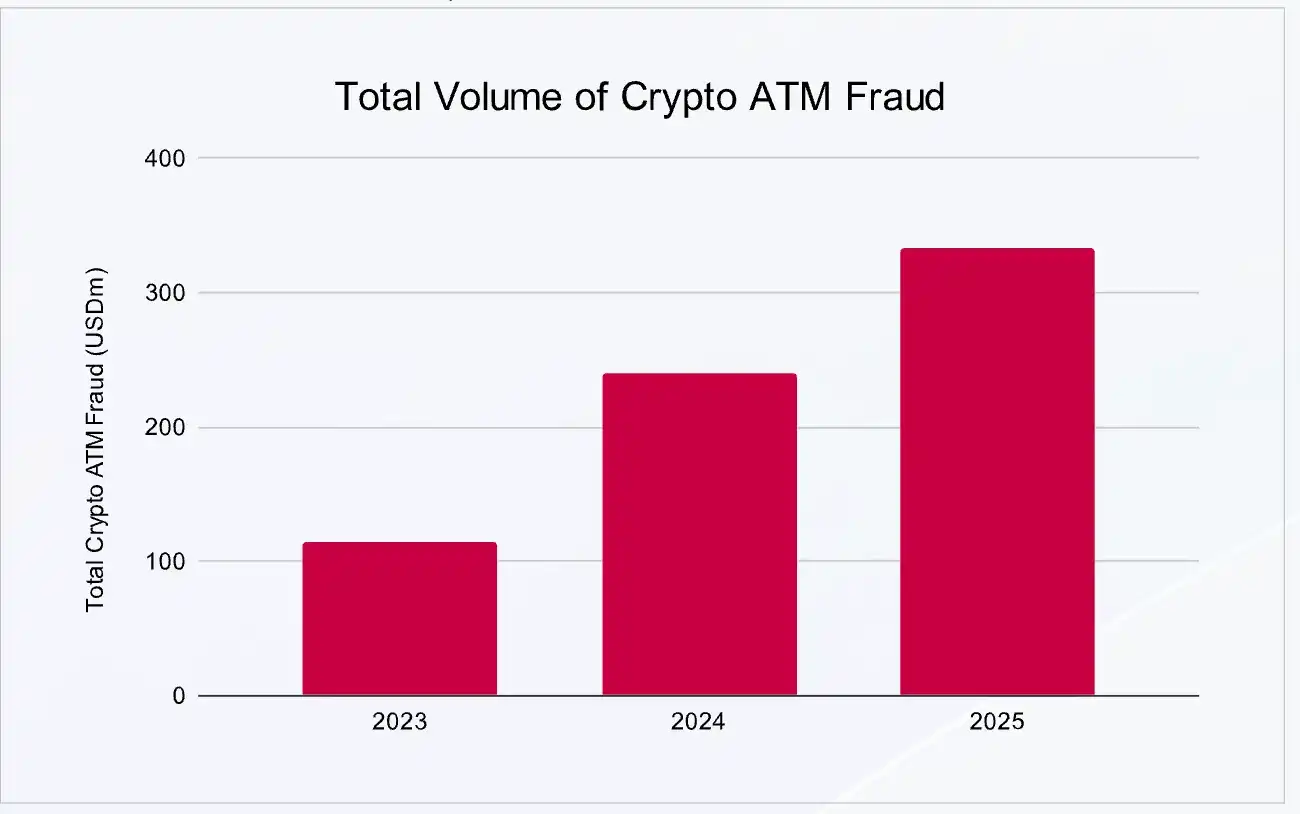
Total Losses from Cryptocurrency ATM Fraud

Cryptocurrency ATMs Become a "Fast Lane" for Fraudulent Fund Transfers

Cryptocurrency ATM fraud refers to a scheme where scammers, via phone calls, text messages, or online social engineering, induce victims to withdraw cash and deposit it into a cryptocurrency ATM. The funds are then converted into digital assets and transferred to wallet addresses controlled by the scammers.

There are currently about 45,000 cryptocurrency ATMs globally, with 78% located in the United States. Users can typically complete the cash-to-cryptocurrency conversion and transfer within 5 minutes, a feature that makes these machines an ideal channel for criminal groups to move funds.
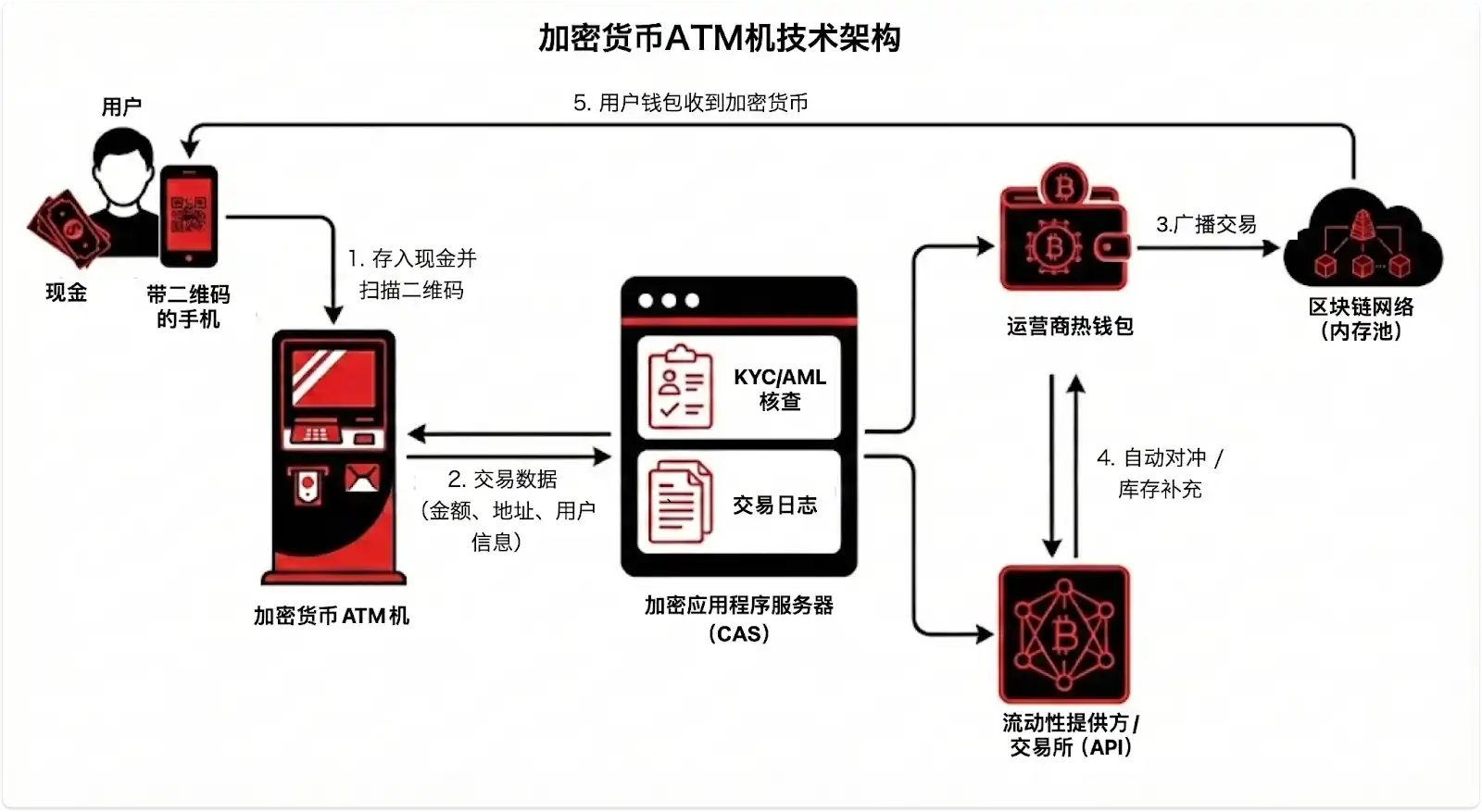
Unlike traditional cryptocurrency attacks, this type of crime does not rely on account intrusion or hacking but instead uses social engineering to trick victims into initiating the operations themselves. Once a transaction is recorded on the blockchain, the funds are almost impossible to recover.

From a technical architecture perspective, cryptocurrency ATMs act merely as front-end terminals connected to back-end crypto application servers (CAS). All transactions are completed through the operator's mixed hot wallets for fund transfers. On-chain records only show transfers from the operator's wallet to the target address and do not record the depositor's identity information. This structure creates a "tracing gap," posing significant challenges for law enforcement investigations.

Elderly Population Accounts for 86% of Total Losses, Protective Warnings Prove Ineffective

The most alarming data in the report highlights the extreme vulnerability of the elderly demographic in this type of fraud. Data shows that 86% of all cryptocurrency ATM fraud losses in the U.S. in 2025 came from people aged 60 and above. A lawsuit filed by the Washington D.C. Attorney General against U.S. ATM operator Athena Bitcoin pointed out that 93% of the deposits at the company's local ATMs were linked to fraudulent crimes, with the median victim age being 71 and the median loss per transaction reaching $8,000.

The report outlines the mainstream types of fraud, whose core objectives are to induce strong emotional fluctuations in victims, impairing their rational judgment; isolate victims from potential helpers; and guide them in real-time through the entire process of cash-to-cryptocurrency conversion.
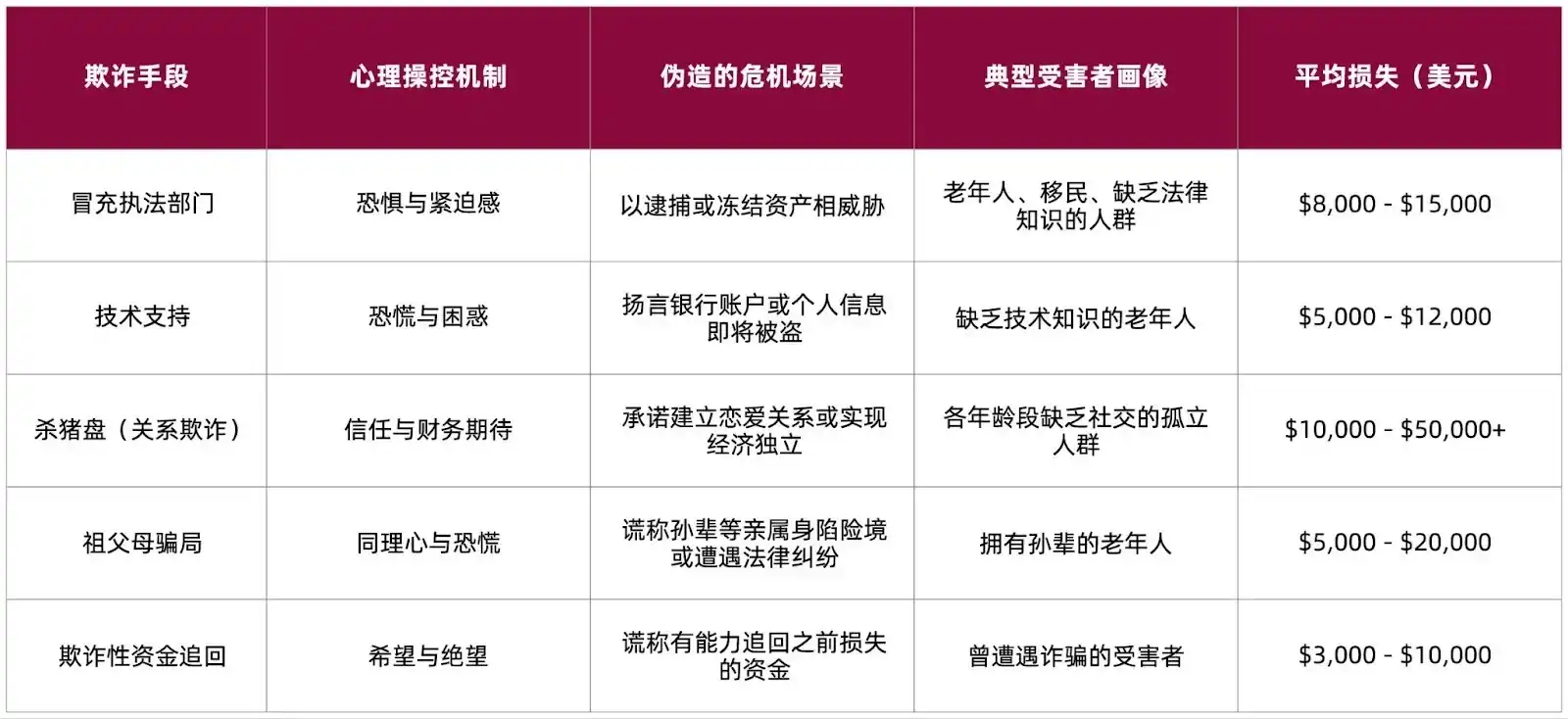
Classification of Cryptocurrency ATM Fraud Methods

"When victims are on a live call with scammers, on-screen warning prompts simply cannot serve as an effective deterrent," the report states. Current protective measures at the ATM level are largely ineffective. Scammers maintain real-time communication with victims throughout the entire process of withdrawing cash and operating the ATM, not only guiding them to bypass on-screen warnings but also prepping them with uniform excuses—such as home renovations or family emergencies—to use in response to inquiries from bank staff, thereby completely cutting off external intervention.

AI Technology is Reshaping Fraud Patterns

The report also notes that AI technology is accelerating the evolution of fraudulent methods. In 2025, AI-driven scams were approximately 4.5 times more profitable than traditional methods. Criminal organizations are beginning to use AI voice cloning, deepfake videos, and automated scripts to carry out more targeted social engineering attacks.

Meanwhile, to evade transaction limit policies gradually being introduced by regulators worldwide, fraud networks are also adopting a "divide and conquer" strategy. This involves inducing a large number of victims to make small transactions across different ATMs, thereby maintaining the overall scale of criminal profits while avoiding regulatory scrutiny.

Industrialized Operations of Transnational Criminal Networks
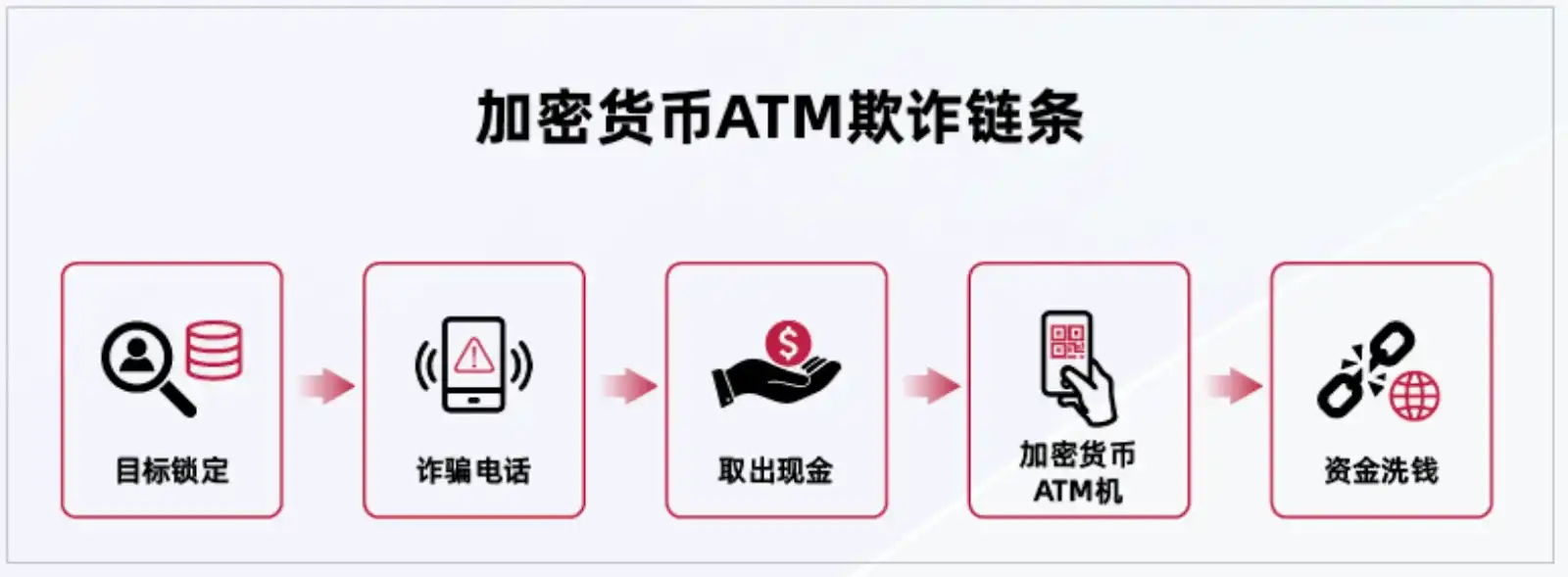
The report reveals that cryptocurrency ATM fraud has evolved from isolated cases into highly organized transnational criminal operations. Criminal organizations employ an industrialized operational model with a detailed division of labor, encompassing data collection, social engineering scams, and fund transfer and money laundering, among other stages.

The increasing efficiency of the money laundering环节 (stage) further amplifies the harm caused by this type of crime. In 2025, Southeast Asian money laundering networks processed approximately $16.1 billion in illicit cryptocurrency funds, accounting for 20% of the traceable global cryptocurrency ecosystem involving illegal activities. These networks operate via Telegram coordination and can settle large transactions within two minutes. After victims deposit cash, the funds are typically routed through mixing services, cross-chain bridges, and decentralized exchanges for multi-layer obfuscation within minutes. Often, the funds have left the traceable scope of the regulatory system before the victim has even ended the scam call.

Transaction Entry Point as a Critical Control Node

In response to the current threat landscape, the report concludes with systematic prevention and control recommendations. It identifies the transaction entry point at the CAS level as the only effective intervention node in the cryptocurrency ATM fraud chain—real-time screening and risk verification of target wallet addresses must be completed before the transaction is recorded on the blockchain.
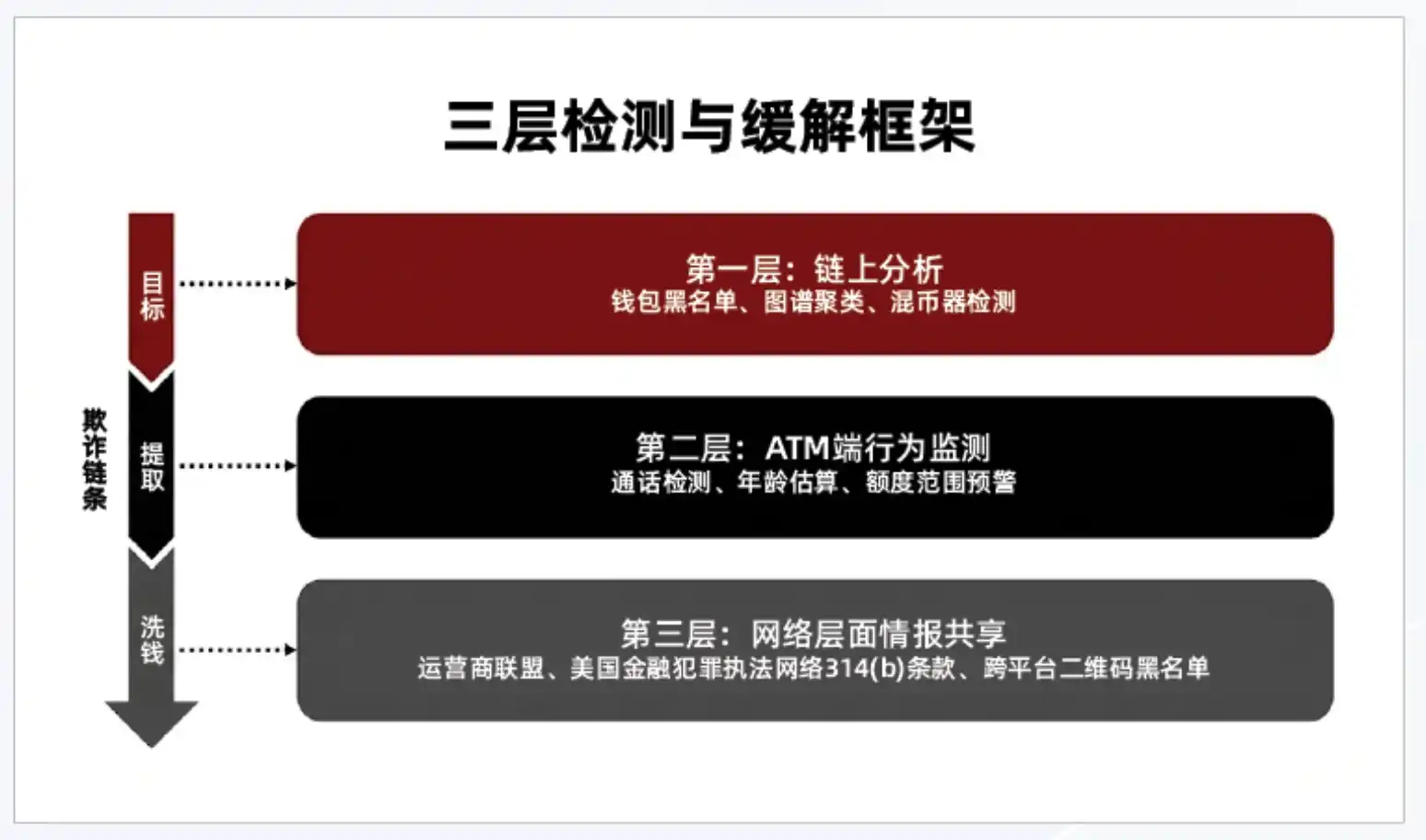
Simultaneously, the report proposes specific measures for consumers, operators, and law enforcement agencies: consumers need to be wary of any陌生来电 (strange calls) requesting payment via cryptocurrency ATMs; operators need to implement tiered KYC, industry-wide intelligence sharing, and pre-transaction risk checks; law enforcement agencies need to enhance blockchain analysis capabilities and promote unified legislation and cross-border law enforcement cooperation.

"The reported $330 million loss in 2025 only reflects the tip of the iceberg of the actual harm," the report warns in its conclusion. As new methods such as AI deepfakes, automated cross-chain money laundering, and "divide and conquer" small transactions become more prevalent, the threat of cryptocurrency ATM fraud will continue to escalate. Only through coordinated efforts in technology, regulation, and law enforcement can the criminal chain be severed within the shrinking intervention window to protect financial consumers, especially the elderly population, from property loss.

Report link: https://indd.adobe.com/view/bfb98f74-c308-4f0d-b9eb-c3bdb86e2785

Preguntas relacionadas

QAccording to the CertiK report, what was the total financial loss attributed to cryptocurrency ATM fraud in 2025?

AThe total financial loss attributed to cryptocurrency ATM fraud in 2025 was $330 million.

QWhich demographic group was identified as the most vulnerable, accounting for the highest percentage of losses?

AAdults aged 60 and older were the most vulnerable demographic, accounting for 86% of all losses in the US.

QHow is AI technology changing the cryptocurrency ATM fraud landscape according to the report?

AAI technology is accelerating the upgrade of fraud methods. In 2025, AI-driven fraud was about 4.5 times more profitable than traditional methods. Criminal organizations are using AI voice cloning, deepfake videos, and automated scripts for more targeted social engineering attacks.

QWhat is the 'traceability fracture' mentioned in the report, and why does it make investigation difficult?

AThe 'traceability fracture' refers to the technical architecture of cryptocurrency ATMs. They act as front-end terminals connected to a backend Crypto Application Server (CAS), with all transactions completed through the operator's mixed hot wallet. On-chain records only show transfers from the operator's wallet to the target address, not the depositor's identity information. This structure creates a break in the chain of evidence, making law enforcement investigation and forensics extremely difficult.

QWhat does the report identify as the only effective point of intervention to prevent these frauds?

AThe report identifies the transaction entry point at the CAS (Crypto Application Server) level as the only effective intervention node. It states that real-time screening and risk verification of the target wallet address must be completed *before* the transaction is put on the blockchain.

Lecturas Relacionadas

Has Hook Summer Truly Arrived? sato, Lo0p, FLOOD Ignite the New Uniswap v4 Narrative

With the broader market showing signs of recovery, a new wave of interest has emerged around Ethereum-based meme coins. Following ASTEROID, tokens like sato, sat1, Lo0p, and FLOOD, built upon the Uniswap v4 Hook protocol, are capturing market attention. Their market capitalizations range from millions to tens of millions of dollars, injecting much-needed focused liquidity into a market lacking narratives. This article explores whether this trend signifies an incoming "Hook Summer" and its potential impact on UNI's price. Hooks are essentially plug-in smart contracts for Uniswap v4 liquidity pools, allowing developers to inject custom logic at key points in a pool's lifecycle (like initialization, adding/removing liquidity, swaps). This transforms the AMM into programmable building blocks. Key highlighted projects include: * **sato**: Peaked over $38M market cap. It utilizes a v4 curve for minting/burning; buying locks ETH as reserve to mint new tokens, while selling redeems ETH from the reserve and burns tokens. * **sat1**: Market cap briefly exceeded $10M, promoted as an "optimized sato," but later declined significantly. * **Lo0p**: Reached nearly $6.6M. It's a lending AMM protocol where buying LO0P tokens locks them as collateral, allowing users to borrow ETH from the pool reserve at 40% LTV, aiming to improve capital efficiency for idle ETH in LPs. * **FLOOD**: Peaked near $6M. Its mechanism directs asset reserves from buys into Aave v3 to generate yield, with fees and interest retained in the pool to potentially influence the token's price long-term. In the long term, the development of the Hook ecosystem can attract users and liquidity to Uniswap v4, benefiting UNI's fundamentals—especially combined with the recent activation of the protocol fee switch, where a portion of fees is used to burn UNI. However, in the short term, these Hook-based tokens are unlikely to directly drive significant UNI price appreciation. Their impact is moderated by factors like token sustainability, price volatility, and broader market and regulatory conditions. Currently, Uniswap v4's TVL ($595M) still trails behind v2 and v3, indicating adoption and growth will take time. The article concludes that while the Hook ecosystem provides long-term "nourishment" for UNI, its short-term role is more of a "catalyst" than a "booster." Readers are cautioned that these are early-stage experimental tokens and may carry unknown risks.

Odaily星球日报Hace 4 min(s)

Has Hook Summer Truly Arrived? sato, Lo0p, FLOOD Ignite the New Uniswap v4 Narrative

Odaily星球日报Hace 4 min(s)

Interview with Michael Saylor: I Did Say I Would Sell Bitcoin, But Never a Net Sale

Interview with Michael Saylor: I Said We'd Sell Bitcoin, But Never Be a Net Seller In a recent podcast, MicroStrategy Executive Chairman Michael Saylor clarified the company's stance on potentially selling Bitcoin. Following MicroStrategy's earnings call statement about being prepared to sell BTC to fund dividends for its STRC (Strategic) credit product, Saylor emphasized the distinction between selling and being a "net seller." Saylor explained the core business model: MicroStrategy sells credit instruments like STRC and uses the proceeds to buy Bitcoin, which is viewed as "digital capital" expected to appreciate around 30-40% annually. A portion of these capital gains can then be used to pay the dividends on the credit products. He stressed that even if the company sells some Bitcoin for dividends, it simultaneously buys much more with new credit issuance. For example, after raising $3.2 billion from STRC sales in April, the dividend obligation was only $80-90 million, making the company a net buyer. The clarification aims to counter market narratives questioning the value of Bitcoin on MicroStrategy's balance sheet if it were never sold, and to dismiss claims of a "Ponzi scheme." Saylor reiterated his personal philosophy for investors: "Don't be a net seller of bitcoin" and ensure your Bitcoin holdings increase each year. Saylor also discussed Bitcoin's role as the foundation for "digital credit," noting that STRC has become the largest and most liquid preferred stock issue in the U.S., offering high risk-adjusted returns (Sharpe ratio). He highlighted Bitcoin's deep liquidity, stating that even large purchases by MicroStrategy do not move the market significantly, which is driven by macro factors, geopolitical tensions, and capital flows from ETFs and credit products. Finally, Saylor reflected on his early inspiration from sci-fi books, which motivated his path to MIT, and maintained his fundamental thesis on Bitcoin remains unchanged: it is superior digital capital enabling superior digital credit.

链捕手Hace 8 min(s)

Interview with Michael Saylor: I Did Say I Would Sell Bitcoin, But Never a Net Sale

链捕手Hace 8 min(s)

Beaten SK Hynix Employees in China: Year-end Bonus Less Than 5% of Korean Staff's

"SK Hynix Chinese Staff Hit Hard: Bonuses Less Than 5% of Korean Counterparts" Driven by the AI boom, South Korea's SK Hynix is experiencing record performance, with media reports predicting massive year-end bonuses for its employees, making them highly desirable in the matchmaking market. However, this prosperity starkly contrasts with the situation for the company's Chinese employees. According to reports, SK Hynix operates under a rule allocating 10% of operating profit for employee bonuses. While projections suggest Korean employees could receive bonuses reaching millions of RMB, a Chinese employee with over a decade of technical experience revealed the disparity: "If they get 3 million, Chinese staff get less than 5% of that." After adjustments based on KPI ratings, this employee's highest bonus was slightly over 100,000 RMB. Bonuses are paid annually in Korea but semi-annually in China. During the industry downturn in 2023-2024, Chinese employees received no bonus at all. The gap extends beyond bonuses. Recruitment posts for SK Hynix's Chinese factories (in Wuxi, Dalian, Chongqing) show engineer monthly salaries ranging from 10,000 to 35,000 RMB, with a 13th-month salary promised. Chinese employees also receive standard benefits like annual leave but lack stock incentives, which are reportedly unavailable to them. Furthermore, management positions in China are predominantly held by Korean personnel, though industry observers note a gradual increase in local middle managers over time. SK Hynix has confirmed the 10% bonus rule but cautioned that specific future bonus amounts remain unpredictable. The company forecasts strong demand for HBM and other high-value enterprise products for the next 2-3 years, driven by AI infrastructure investment. This focus on business-to-business markets may continue to constrain supply for consumer products, potentially prolonging price increases for components like memory.

链捕手Hace 22 min(s)

Beaten SK Hynix Employees in China: Year-end Bonus Less Than 5% of Korean Staff's

链捕手Hace 22 min(s)

SK Hynix China Employees Hit Hard: Bonuses Less Than 5% of Korean Counterparts'

"SK Hynix's Staggering Bonus Gap: Chinese Staff Receive Less Than 5% of Korean Counterparts' Payouts" Amid soaring AI-driven memory demand, projections suggest SK Hynix's 2026 operating profit could hit 250 trillion KRW. Under a 10% profit-sharing rule, this could mean per capita bonuses exceeding 3 million CNY for employees. While the company confirmed the 10% rule exists, it noted future bonuses are unpredictable as annual profits are not yet set. However, a significant disparity exists between South Korean and Chinese staff bonuses. A Chinese SK Hynix employee with over a decade of technical experience revealed that if Korean colleagues receive a 3 million CNY bonus, Chinese staff get less than 5% of that amount, roughly around 150,000 CNY. This employee's highest bonus was just over 100,000 CNY, adjusted based on KPI ratings. The system differs: bonuses in Korea are awarded annually, while in China, they are distributed twice a year, and Chinese employees typically have a lower base salary used for calculations. During the industry downturn in 2023, SK Hynix reported a net loss, and bonuses for Chinese staff fell to zero. Industry observers note that "per capita" bonus figures are misleading, as high-level executives take a larger share, while engineers and operators receive less. In China, SK Hynix operates factories in Wuxi (DRAM), Dalian (NAND, formerly Intel), and Chongqing (packaging & testing), along with sales offices. Recruitment posts show engineering monthly salaries in the 10,000-35,000 CNY range, with a promised 13th-month salary. Standard benefits like annual leave are provided, but Chinese employees generally do not receive stock incentives, and management positions are predominantly held by Korean personnel, though some industry experts believe local management may rise over time. Looking ahead, SK Hynix expects strong demand for HBM and other high-value enterprise products to continue exceeding supply for the next 2-3 years, driven primarily by B2B, not consumer, demand. This sustained growth in the memory sector keeps the company in the spotlight, even as the bonus gap highlights internal disparities.

marsbitHace 42 min(s)

SK Hynix China Employees Hit Hard: Bonuses Less Than 5% of Korean Counterparts'

marsbitHace 42 min(s)

Trading

Spot
Futuros

Artículos destacados

Cómo comprar ATM

¡Bienvenido a HTX.com! Hemos hecho que comprar Atletico De Madrid Fan Token (ATM) sea simple y conveniente. Sigue nuestra guía paso a paso para iniciar tu viaje de criptos.Paso 1: crea tu cuenta HTXUtiliza tu correo electrónico o número de teléfono para registrarte y obtener una cuenta gratuita en HTX. Experimenta un proceso de registro sin complicaciones y desbloquea todas las funciones.Obtener mi cuentaPaso 2: ve a Comprar cripto y elige tu método de pagoTarjeta de crédito/débito: usa tu Visa o Mastercard para comprar Atletico De Madrid Fan Token (ATM) al instante.Saldo: utiliza fondos del saldo de tu cuenta HTX para tradear sin problemas.Terceros: hemos agregado métodos de pago populares como Google Pay y Apple Pay para mejorar la comodidad.P2P: tradear directamente con otros usuarios en HTX.Over-the-Counter (OTC): ofrecemos servicios personalizados y tipos de cambio competitivos para los traders.Paso 3: guarda tu Atletico De Madrid Fan Token (ATM)Después de comprar tu Atletico De Madrid Fan Token (ATM), guárdalo en tu cuenta HTX. Alternativamente, puedes enviarlo a otro lugar mediante transferencia blockchain o utilizarlo para tradear otras criptomonedas.Paso 4: tradear Atletico De Madrid Fan Token (ATM)Tradear fácilmente con Atletico De Madrid Fan Token (ATM) en HTX's mercado spot. Simplemente accede a tu cuenta, selecciona tu par de trading, ejecuta tus trades y monitorea en tiempo real. Ofrecemos una experiencia fácil de usar tanto para principiantes como para traders experimentados.

107 Vistas totalesPublicado en 2024.12.11Actualizado en 2025.03.21

Cómo comprar ATM

Discusiones

Bienvenido a la comunidad de HTX. Aquí puedes mantenerte informado sobre los últimos desarrollos de la plataforma y acceder a análisis profesionales del mercado. A continuación se presentan las opiniones de los usuarios sobre el precio de ATM (ATM).

活动图片













