Bitwise Launches First On-Chain DeFi Vault Using Morpho for Stablecoin Yield

TheNewsCryptoPublicado a 2026-01-27Actualizado a 2026-01-27

Resumen

Bitwise, a prominent crypto investment firm, has launched its first on-chain DeFi vault, which went live on January 26. Built on the Morpho protocol, the non-custodial vault enables users to earn yield directly on-chain. Bitwise acts as the strategy manager, overseeing fund allocation with full on-chain transparency. The vault currently accepts USDC deposits, which are lent to overcollateralized borrowers via Morpho, targeting annual returns of around 6% depending on market conditions. Emphasizing risk control, the strategy includes only overcollateralized lending—no leverage or speculative trading—with all positions visible on-chain. This move signals a significant shift in institutional engagement with DeFi, offering investors transparency and positioning Bitwise at the forefront of institutional-grade on-chain tools. The firm views this as an initial step in a broader plan to develop more on-chain strategies, leveraging Morpho’s customizable and standardized smart contracts for professional DeFi management.

Bitwise, a well-known crypto investment firm, officially enters the DeFi by launching its first on-chain vault, and the product went live on January 26. The product runs on the Morpho protocol, which allows users to earn yield directly on the blockchain. The Vault is non-custodial, and Bitwise acts as a strategy manager that decides how the funds are allocated, and everything happens fully on-chain.

Workflow of Vault

The Vault currently uses USDC, and investors are supposed to deposit USDC into the Vault, and these funds are then lent to the borrowers through Morpho, and the borrowers must provide more collateral than they borrow. The Vault currently targets returns of around 6% per year, depending on the market conditions.

Bitwise states that the vault is primarily designed to focus on risk control. Jonathan Man, who leads Bitwise’s multi-strategy investment group, is handling the risk oversight and strategy decision. The vault’s key features include overcollateralized lending only, no leverage or speculative trading, and full on-chain visibility of all positions.

This launch shows a major shift in how large asset managers view DeFi. For Bitwise, it gives investors a transparent position and positions Bitwise early in institutional-grade DeFi tools. The firm described this vault as an early step in a broader plan to build more on-chain investment strategies in the future.

Why Bitwise Choose Morpho

Morpho allows professional firms to design custom lending and use standardized smart contracts. This lets companies like Bitwise manage DeFi products while staying on-chain. Bitwise said it views Morpho-based vaults as an important part of the future of on-chain finance.

Bitwise says that this is the first step, and no performance history has been released yet. The company stated that this vault is part of a longer-term plan to move deeper into decentralized finance, and more on-chain strategies may come later.

Highlighted Crypto News:

‌Hyperliquid (HYPE) Ignites a 22% Rally: Can Bulls Chase $30 as Volatility Creeps In?

TagsBitwiseDeFimorphoStablecoin

Criptos en tendencia

Preguntas relacionadas

QWhat is the name of the first on-chain DeFi vault launched by Bitwise and which protocol does it use?

ABitwise's first on-chain DeFi vault uses the Morpho protocol.

QWhat is the key cryptocurrency asset used in the Bitwise vault and what is its target annual return?

AThe vault currently uses USDC and targets returns of around 6% per year, depending on market conditions.

QAccording to the article, what are the three key risk control features of the Bitwise vault?

AThe vault's key risk control features include overcollateralized lending only, no leverage or speculative trading, and full on-chain visibility of all positions.

QWhy did Bitwise choose to build its vault on the Morpho protocol?

ABitwise chose Morpho because it allows professional firms to design custom lending strategies using standardized smart contracts, enabling them to manage DeFi products while staying fully on-chain.

QWhat does Bitwise's launch of this vault signify for large asset managers, according to the article?

AThe launch shows a major shift in how large asset managers view DeFi, giving investors transparent positions and positioning Bitwise early in the development of institutional-grade DeFi tools.

Lecturas Relacionadas

Once-Popular Web3 Enters Wave of Layoffs

The once-hot Web3 industry is experiencing a severe wave of layoffs. While many companies attribute job cuts to AI-driven restructuring, the primary reason is often financial pressure. The Web3 sector, at the intersection of tech and finance, has been hit particularly hard. Employees at major cryptocurrency exchanges report sudden, impersonal layoffs—often with system access revoked overnight—and minimal or no severance. Common tactics include setting impossible performance targets or terminating employees for minor policy violations. The working atmosphere has become toxic, marked by intense monitoring, excessive meetings, and management obsessed with control and internal politics rather than product innovation. The industry's core business model is collapsing. Exchange revenue from trading fees and listing charges has plummeted due to a decline in quality projects and retail investor exodus. Events like the massive forced liquidation on October 10th further shattered confidence. Competition from on-chain derivatives platforms and prediction markets is intensifying the downturn. As layoffs continue, displaced workers struggle to find new opportunities. Many transition to the AI sector, but face significant bias from traditional finance and even some AI firms, which view crypto industry experience with suspicion. The current downturn appears more structural than cyclical, driven by unsustainable practices, internal strife, and a failure to innovate, raising questions about the industry's future trajectory.

marsbitHace 47 min(s)

Once-Popular Web3 Enters Wave of Layoffs

marsbitHace 47 min(s)

Sales Drop 26% But Prices Rise? Xiaomi's Dilemma

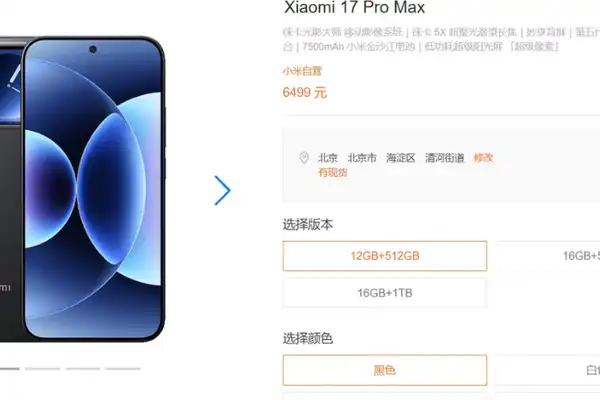
Xiaomi, facing a significant 26.3% year-on-year decline in global smartphone shipments in Q2 2026, has implemented its third price hike of the year. On August 2nd, prices were raised for nine models, including the flagship Mi 17 series (up 400-500 yuan) and Redmi K90/Turbo 5 series (up 300 yuan). This move completes a pattern where cost pressure, originating from surging memory chip prices, has climbed from entry-level to mid-range and now flagship products. The primary driver is a severe supply squeeze on consumer-grade DRAM and NAND flash memory, as major manufacturers like Samsung shift advanced capacity to more profitable HBM for AI applications. According to Xiaomi President Lu Weibing, memory prices for the same configuration have skyrocketed nearly fourfold since Q1 2025, adding roughly 1500 yuan to the cost of a mainstream 12GB+512GB phone. IDC estimates consumer memory costs have risen nearly 300% year-on-year. While the price increases hurt demand and contributed to the sales slump, Xiaomi's strategy of reducing entry-level models and upgrading its product mix also played a role. Domestically, its market share in China fell to 12% (5th place), while leaders Huawei and Apple saw shipments grow over 24%. To mitigate future risks, Xiaomi is accelerating its in-house "Surge" chip development and optimizing memory configurations across its lineup. Xiaomi is not alone; major brands like OPPO, vivo, and Apple have already raised prices in 2026, with industry insiders predicting another round of increases (200-800 yuan) in the second half. A full-scale industry-wide涨价 cycle is underway, forcing both manufacturers and consumers to recalibrate their strategies and purchasing decisions amid sustained cost pressures.

marsbitHace 57 min(s)

Sales Drop 26% But Prices Rise? Xiaomi's Dilemma

marsbitHace 57 min(s)

Trading

Spot

Artículos destacados

Cómo comprar MORPHO

¡Bienvenido a HTX.com! Hemos hecho que comprar MORPHO (MORPHO) sea simple y conveniente. Sigue nuestra guía paso a paso para iniciar tu viaje de criptos.Paso 1: crea tu cuenta HTXUtiliza tu correo electrónico o número de teléfono para registrarte y obtener una cuenta gratuita en HTX. Experimenta un proceso de registro sin complicaciones y desbloquea todas las funciones.Obtener mi cuentaPaso 2: ve a Comprar cripto y elige tu método de pagoTarjeta de crédito/débito: usa tu Visa o Mastercard para comprar MORPHO (MORPHO) al instante.Saldo: utiliza fondos del saldo de tu cuenta HTX para tradear sin problemas.Terceros: hemos agregado métodos de pago populares como Google Pay y Apple Pay para mejorar la comodidad.P2P: tradear directamente con otros usuarios en HTX.Over-the-Counter (OTC): ofrecemos servicios personalizados y tipos de cambio competitivos para los traders.Paso 3: guarda tu MORPHO (MORPHO)Después de comprar tu MORPHO (MORPHO), guárdalo en tu cuenta HTX. Alternativamente, puedes enviarlo a otro lugar mediante transferencia blockchain o utilizarlo para tradear otras criptomonedas.Paso 4: tradear MORPHO (MORPHO)Tradear fácilmente con MORPHO (MORPHO) en HTX's mercado spot. Simplemente accede a tu cuenta, selecciona tu par de trading, ejecuta tus trades y monitorea en tiempo real. Ofrecemos una experiencia fácil de usar tanto para principiantes como para traders experimentados.

389 Vistas totalesPublicado en 2025.10.20Actualizado en 2026.06.02

Cómo comprar MORPHO

Discusiones

Bienvenido a la comunidad de HTX. Aquí puedes mantenerte informado sobre los últimos desarrollos de la plataforma y acceder a análisis profesionales del mercado. A continuación se presentan las opiniones de los usuarios sobre el precio de MORPHO (MORPHO).

活动图片