Bitrefill Cyberattack Exposes 18,500 Records, Lazarus Group Suspected

TheNewsCryptoPublicado a 2026-03-18Actualizado a 2026-03-18

Resumen

Bitrefill, a cryptocurrency payment platform, was targeted by a cyberattack attributed to the North Korea-linked Lazarus Group on March 1, 2026. The breach, which began with a compromised employee laptop, exposed approximately 18,500 customer purchase records, including email addresses, crypto payment addresses, and IP data. The attackers primarily focused on moving funds from hot wallets and exploiting the gift card system, rather than stealing full customer data. Bitrefill quickly detected the unusual activity, shut down systems to prevent further damage, and has committed to covering all losses with its own funds. The company has since enhanced security measures, including stronger access controls and improved monitoring, and confirmed that most services are back to normal. This was Bitrefill's first major security breach in over a decade.

Bitrefill, a cryptocurrency payment platform, reported that it was the target of a cyberattack on March 1, 2026, and it attributed the attack to the Lazarus Group, a hacker collective associated with North Korea. The attack exposed about 18,500 customer purchase records and impacted several aspects of Bitrefill’s systems, including its cryptocurrency wallets.

How this Breach Happened

According to the firm, the breach began with the compromised employee’s laptop. In this case, the hackers were able to enter Bitrefill’s infrastructure and access production keys by moving funds from the hot wallet to exploit its gift card system. The company noticed unusual activity and quickly shut down systems to stop further damage.

The attacker accessed about 18,500 purchase records, which include email addresses, crypto payment addresses, and IP address data. The firm says that the hackers did not try to steal full customer data, and their main focus was on the crypto funds and the gift cards.

Bitrefill confirmed that it will cover all losses using its own funds. The company said it remains financially stable and that most services, including payments and accounts, are now back to normal.

Bitrefill has taken steps to improve security by providing stronger access control, better monitoring systems, external security testing, and faster response systems for future attacks. Additionally, it collaborates with blockchain analysts and security experts. According to Bitrefill, the hack was the company’s first significant security breach in more than ten years. Despite the attack’s damage, the business swiftly responded and resumed operations.

Highlighted Crypto News:

SEC and CFTC Introduce Crypto Classification Framework

TagsBitrefillCryptocurrency

Preguntas relacionadas

QWhat company was targeted in the cyberattack and who is suspected to be behind it?

ABitrefill, a cryptocurrency payment platform, was targeted, and the attack is attributed to the Lazarus Group, a hacker collective associated with North Korea.

QHow many customer records were exposed in the Bitrefill breach?

AApproximately 18,500 customer purchase records were exposed.

QWhat type of information was accessed in the compromised purchase records?

AThe accessed information includes email addresses, crypto payment addresses, and IP address data.

QHow did the attackers initially gain access to Bitrefill's systems?

AThe breach began with a compromised employee's laptop, which allowed the hackers to enter the infrastructure and access production keys.

QWhat steps has Bitrefill taken to improve its security following the attack?

ABitrefill has implemented stronger access control, better monitoring systems, external security testing, and faster response systems. It is also collaborating with blockchain analysts and security experts.

Lecturas Relacionadas

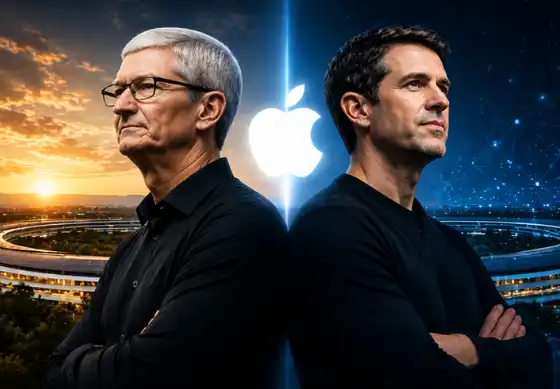
Cook's Curtain Call and Ternus Takes the Helm: The Disruption and Reboot of Apple's 4 Trillion Dollar Empire

Tim Cook has officially announced he will step down as CEO of Apple in September, transitioning to executive chairman after a 15-year tenure during which he grew the company’s market value from around $350 billion to nearly $4 trillion. He will be succeeded by John Ternus, a 50-year-old hardware engineering veteran who has been groomed for the role through increasing public visibility and internal responsibility. Ternus’s appointment signals a strategic shift toward hardware and engineering leadership, with Johny Srouji—head of Apple Silicon—taking on an expanded role as Chief Hardware Officer. This consolidation aims to strengthen Apple’s core technological capabilities. However, Cook’s departure highlights a significant unresolved issue: Apple’s delayed and fragmented approach to artificial intelligence. Despite early efforts, such as hiring John Giannandrea from Google in 2018, Apple’s AI initiatives—particularly around Siri—have struggled with internal restructuring and reliance on external partnerships, including with Google. The transition comes at a critical moment as Apple faces paradigm shifts with the rise of artificial general intelligence (ASI). The company’s closed ecosystem of hardware, software, and services—once a major advantage—now presents challenges in adapting to an AI-centric world where intelligence may matter more than the device itself. Ternus must quickly articulate a clear AI strategy, possibly starting at WWDC, to reassure markets and redefine Apple’s role in a new technological era. His task is not only to maintain Apple’s operational excellence but also to reinvigorate its capacity to innovate and lead in the age of AI.

marsbitHace 2 hora(s)

Cook's Curtain Call and Ternus Takes the Helm: The Disruption and Reboot of Apple's 4 Trillion Dollar Empire

marsbitHace 2 hora(s)

Trading

Spot
Futuros
活动图片