On July 26, 2026, the cryptocurrency exchange BitMart announced a phased shutdown of the platform. However, instead of an organized withdrawal of assets, thousands of clients encountered a classic exit scam: funds are formally "withdrawn" but never actually arrive in their wallets.
According to the exchange's official notification, starting at 01:30 UTC on July 26, the registration of new users and the acceptance of deposits—both cryptocurrency and fiat—is being gradually closed. Futures accounts are being placed into a mode allowing only position reduction, spot trading has stopped accepting new orders, and copy-trading, grid trading, and API services are being disabled in stages.
-
August 26, 2026 (01:00 UTC) — Complete termination of all trading services
-
August 26, 2026 (05:00 UTC) — Deadline for submitting withdrawal requests
-
January 31, 2027 (15:59 UTC) — Official platform shutdown
Shortly before the closure announcement, the exchange continued to offer users BitMart Earn savings products: the service page advertised annual interest rates of up to 15% on a range of assets, including stablecoins. Following the announcement of the shutdown, these funds became inaccessible—staking, lending, and Launchpad services are being wound down in phases, with separate notifications regarding settlement.
Requests Closed, Money Doesn't Arrive
In reviews and messages, users describe the same scenario: the status of a withdrawal request changes to "Completed," the balance in the personal account is zeroed out, but there is no transaction identifier on the blockchain, and the funds never arrive at the external address. Similar stories have been published since late July/early August, including complaints about small stuck test amounts and issues with receiving confirmation codes.
On July 27, the analytical account Lookonchain reported that in the first 24 hours after the closure announcement, only 58 real withdrawals were tracked through monitored BitMart wallets, totaling approximately $805,000. Notably, there were no transactions at all during an eight-hour interval—this figure seems disproportionately small compared to the mass complaints from clients about tens and hundreds of thousands of dollars in stuck funds.
Victims have already begun forming communities: one such case involves a group of 27 users claiming collective losses of about $3.7 million stuck in the withdrawal process. The largest individual amount in this case is $700,000 in USDT.
Exchange Wallets Rapidly Dwindling
On-chain data confirms that BitMart's reserves are shrinking much faster than actual client payouts are being processed. In early July 2026, wallets attributed to the exchange held around $102 million in crypto assets. By July 27, the volume had dropped to roughly $69–71 million, with a significant portion of the remaining balance consisting of low-liquidity tokens that are difficult to quickly convert without losing value.
Separately, the exchange warned about an increase in fraud cases involving imposters posing as support staff and stated that it never requests fees to expedite withdrawals or "unfreeze" accounts via messengers—the very fact of such a warning indicates the scale of user dissatisfaction and increased pressure on the support service.
Who is Behind BitMart
BitMart exchange was founded in 2017 by Sheldon Xia, with public operations starting a year later. The headquarters and primary operating jurisdiction of the platform are the Cayman Islands; the operator is the company bachi.tech, also known as Bachi.Tech Corporation. In 2022 U.S. Federal Trade Commission materials, Spread Technologies LLC was also mentioned as an operator.
Since 2018, BitMart has been registered with FinCEN as a Money Services Business. In June 2026, one of the exchange's affiliated entities obtained an Australian Financial Services Licence and entered Australia's Digital Assets Framework under ASIC supervision. However, the exchange had already withdrawn its application for a VASP license in Hong Kong back in August 2025.
In April 2025, Sheldon Xia moved to the position of Group President, with Nenter (Nathan) Chow taking over as Chief Executive Officer. The company remains private: earlier investors included Fenbushi Capital and Alexander Capital Ventures, but there is no public data on the shareholder structure or who controls the exchange.
At the time of announcing the phased cessation of operations, BitMart had existed for about eight to nine years and positioned itself as a private company with its headquarters in the Cayman Islands.
The official platform shutdown is scheduled for January 2027, but already the gap between the official withdrawal schedule and the actual volume of transactions on the blockchain remains the key fact of this entire story. The fate of the assets remaining on the exchange's balance and tens of millions of dollars in user funds remains uncertain for now.
AI Opinion
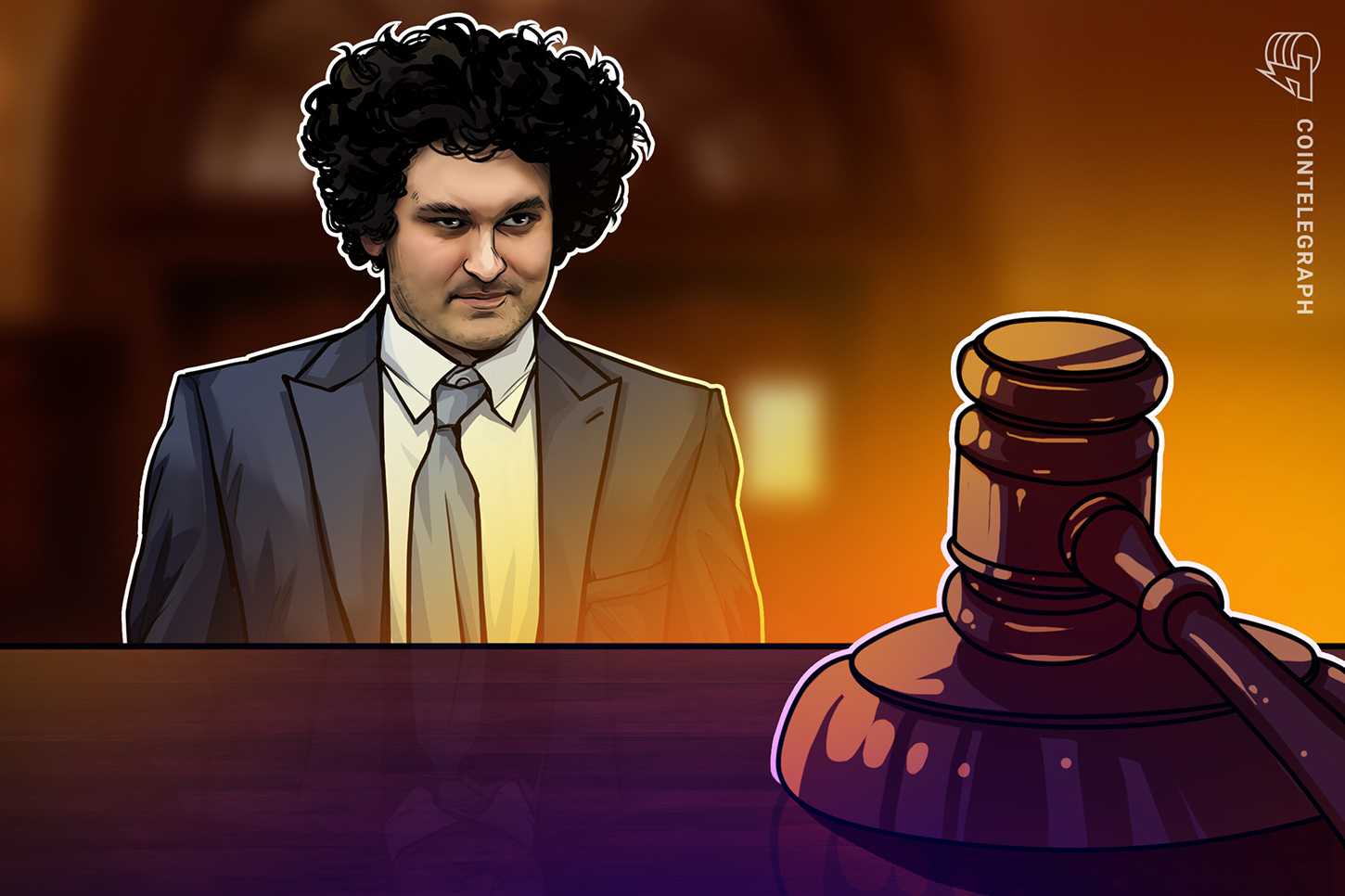
From the perspective of machine data analysis, the BitMart story fits a recognizable pattern of the crypto market: the gap between the official platform closure schedule and the actual payout speed has been observed before in the FTX case, where creditors have been waiting for fund returns for years, and Sam Bankman-Fried later stated that the fatal mistake was losing control over the asset transfer process.
A technical aspect not covered in the article: a significant portion of BitMart's reserves consists of low-liquidity tokens, and selling them, even in small batches, can crash their prices and shrink the actual payout base faster than the formal liquidation schedule. A point for reflection: can a private exchange, without public reserve audits and with an opaque ownership structure, even guarantee an organized withdrawal of user assets over the distance until January 2027?
end-content