Bitcoin.de trading remains halted as German regulator rejects MiCA application

cointelegraphPublished on 2026-10-07Last updated on 2026-10-07

Abstract

Bitcoin Group SE's trading platform bitcoin.de remains halted after Germany's BaFin rejected its subsidiary futurum bank AG's application to become a regulated crypto service provider under the EU's MiCA rules. The company stated it had anticipated this possibility and is now seeking an alternative operating model to resume trading through regulated partners quickly. CEO Moritz Eckert emphasized implementing this new model and keeping customers informed. The platform, with over 1.1 million users, had recently upgraded to a brokerage model but suspended trading in mid-June while awaiting the now-denied authorization. Bitcoin Group SE is reviewing the decision and may object or reapply in the future.

Bitcoin Group SE says it is seeking an alternative operating model for its bitcoin.de platform after the German Federal Financial Supervisory Authority (BaFin) refused its subsidiary futurum bank AG’s application for authorization as a crypto-asset service provider under Markets in Crypto-Assets Regulation (MiCA).

In an Oct. 6 announcement, the company said the BaFin decision was a setback, but it had prepared for the possibility of a refusal. It said it is now reviewing the decision and has the opportunity to lodge an objection or submit a new application in the future.

The group said it is also working on ways to resume trading through regulated partners “as quickly as possible.”

“Our priority now is to implement the alternative operating model and to keep our customers transparently informed about the next steps,” said Moritz Eckert, CEO of Bitcoin Group SE.

Bitcoin.de is a German crypto trading platform operated by futurum bank AG, a subsidiary of Bitcoin Group SE. It has over 1.1 million registered users, according to the company. It originally launched as a peer-to-peer marketplace — matching customers buying and selling crypto to one another.

It has since revamped the platform this year to operate as a brokerage, with planned offerings including more than 100 cryptocurrencies, crypto swaps and staking and it was expected to launch in late June.

However, the launch was postponed while futurum bank awaited MiCA authorization. In an August update, bitcoin.de said customers’ crypto holdings had already been moved to new custody infrastructure and its previous trading system had been switched off. Trading activities have largely been suspended since June 12.

Related: 50,000 Europeans call on EU to ease stablecoin rewards restrictions in MiCA review


Related Questions

QWhy has bitcoin.de trading been halted?

ATrading on bitcoin.de has been halted because its operator, futurum bank AG, had its application for authorization as a crypto-asset service provider under the EU's MiCA regulation rejected by the German financial regulator, BaFin. Trading activities have been largely suspended since June 12.

QWhat is the parent company of bitcoin.de and what is its plan following the regulatory refusal?

AThe parent company is Bitcoin Group SE. Following BaFin's refusal, the company is seeking an alternative operating model to resume trading through regulated partners as quickly as possible, while also reviewing the decision and considering options like lodging an objection or submitting a new application.

QWhat specific regulatory framework was the bitcoin.de subsidiary's application related to?

AThe application was for authorization as a crypto-asset service provider under the European Union's Markets in Crypto-Assets Regulation (MiCA).

QHow is bitcoin.de planning to resume its services for customers?

ABitcoin.de is working on implementing an alternative operating model, which involves resuming trading through regulated partners. The company's priority is to execute this model and keep customers transparently informed about the progress.

QWhat changes had bitcoin.de made to its platform in 2024 before the regulatory setback?

AIn 2024, bitcoin.de revamped its platform from a peer-to-peer marketplace to operate as a brokerage. It planned to offer over 100 cryptocurrencies, crypto swaps, and staking services, with a launch originally expected in late June.

Related Reads

Russia finalizes crypto trading rules ahead of Nov. 17 rollout

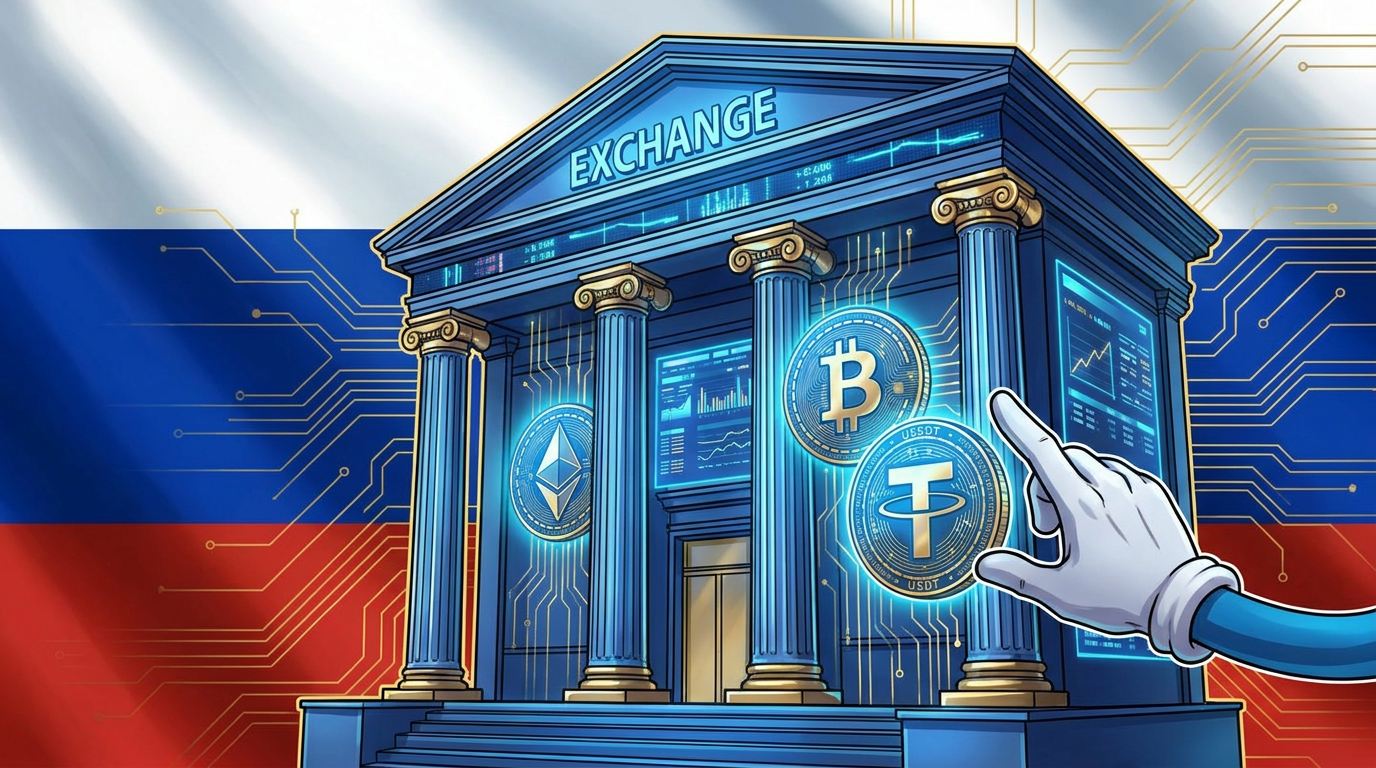
Russia’s central bank has finalized rules allowing exchanges to offer Bitcoin, Ether and Tether USDt to retail investors starting Nov. 17. Non-qualified investors can buy up to 300,000 rubles (about $3,700) in crypto annually through each intermediary, including brokers, asset managers and crypto exchange providers. Qualified investors face no purchase limits, but all investors must pass a mandatory test before trading. The directive builds on legislation signed by President Vladimir Putin on Aug. 4 establishing a regulated crypto market under central bank oversight. On Aug. 11, the Bank of Russia published draft regulations identifying BTC, ETH and USDT as eligible for public trading based on market capitalization, average daily trading volume and at least five years of price history on foreign exchanges. The law took effect Sept. 1, and the Bank of Russia later authorized Sberbank, the country’s largest bank, to offer crypto exchange services in October. Moscow Exchange, Russia’s largest securities exchange and a publicly traded company, is preparing to launch crypto trading on Dec. 1, initially offering the three cryptocurrencies through pilot transactions. While expanding regulated access, Russia is also tightening restrictions outside those channels. Direct peer-to-peer crypto trading will be prohibited starting July 1, 2027, transfers from regulated digital accounts to self-custody wallets are already banned, and cryptocurrency cannot be used to pay for goods and services.

cointelegraph25m ago

Russia finalizes crypto trading rules ahead of Nov. 17 rollout

cointelegraph25m ago

Trading

Spot
活动图片