Bitcoin Quantum-Proofing Push Could Open New Attack Risks, Mow Warns

bitcoinistPublicado a 2026-04-07Actualizado a 2026-04-07

Resumen

Samson Mow, founder of Bitcoin firm Jan3, warns that a rushed transition to post-quantum cryptography could introduce new risks to Bitcoin rather than securing it. This comes in response to calls from Coinbase executives to act immediately against quantum computing threats. Mow argues that larger post-quantum signatures could increase transaction sizes by up to 125 times, leading to network congestion, compatibility issues, and reduced transaction capacity—potentially reigniting past conflicts similar to the "Blocksize Wars." While not dismissing quantum risks, Mow believes capable quantum computers are still over a decade away, and implementing a premature fix could create more vulnerabilities than it solves.

Post-quantum cryptography could make Bitcoin’s signature sizes balloon by as much as 125 times — a technical reality now fueling a sharp debate over how fast the network should act.

Mow Calls Out The Rush

Samson Mow, founder of Bitcoin firm Jan3, went public over the weekend with a pointed warning: moving too fast on quantum security could leave Bitcoin more exposed, not less.

His comments came after Coinbase CEO Brian Armstrong and the company’s chief security officer, Philip Martin, called on the industry to start acting now against quantum computing threats.

Mow pushed back hard. A rushed transition to post-quantum cryptography, he said, risks opening up fresh vulnerabilities — including compatibility breakdowns and a sharp drop in how many transactions the network can handle at once.

“Simply put: make Bitcoin safe against quantum computers just to get pwned by normal computers,” Mow wrote on X.

A Ghost From Bitcoin’s Past

At the center of his concern is block size — the cap on how much transaction data fits inside a single Bitcoin block. Larger post-quantum signatures mean more data per transaction, which means fewer transactions per block, which means a slower and more congested network.

Former Bitcoin developer Jonas Schnelli put numbers to it, and Mow cited them directly. The implications go beyond speed. Block size has been a flashpoint before.

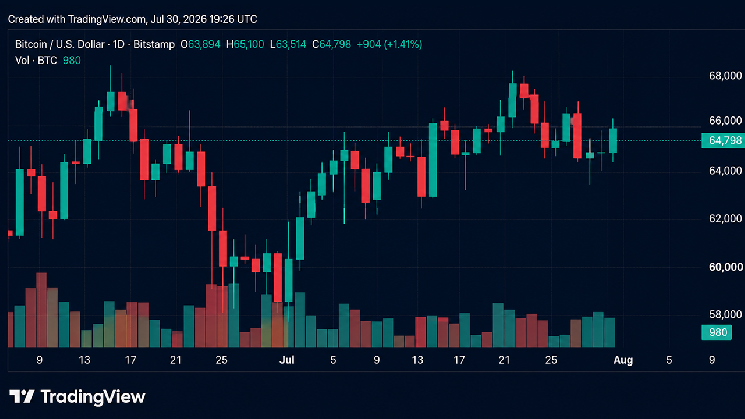
BTCUSD trading at $68,731 on the 24-hour chart: TradingView

Between 2015 and 2017, a bitter community dispute over whether to expand Bitcoin’s block size tore the ecosystem apart and ultimately led to a chain split.

That fight raised deep questions about decentralization, network security, and who really gets to decide Bitcoin’s direction. Mow is warning the same battle could be coming back — what he’s calling “Blocksize Wars 2.0.”

Image: Wccftech

Where Mow Draws The Line

Mow isn’t saying quantum threats should be ignored. His argument is about timing, not priority. Research on potential solutions is already underway, he said, and that work should continue.

But quantum computers capable of cracking Bitcoin’s encryption, he argued, are still a decade or two away at minimum. Rushing a fix for a threat that doesn’t yet exist, he said, creates real risks today in exchange for protection against something hypothetical tomorrow.

The debate is gaining urgency as new research from Google and the California Institute of Technology has stoked fresh concern about how quickly quantum computing may develop.

Armstrong and Martin flagged those findings as reason enough to move the timeline up. Mow’s position: the cure could be worse than the disease, at least for now.

Featured image from Trade Brains, chart from TradingView

Preguntas relacionadas

QWhat is the main concern raised by Samson Mow regarding the push for post-quantum cryptography in Bitcoin?

ASamson Mow's main concern is that a rushed transition to post-quantum cryptography could create new vulnerabilities, including compatibility breakdowns and a significant reduction in the network's transaction capacity, rather than making it more secure.

QHow much could post-quantum cryptography increase Bitcoin's signature sizes, according to the article?

APost-quantum cryptography could make Bitcoin's signature sizes balloon by as much as 125 times.

QWhat historical Bitcoin event does Mow reference as a warning for the current debate?

AMow references the 'Blocksize Wars' that occurred between 2015 and 2017, a bitter community dispute over expanding Bitcoin's block size that led to a chain split, and warns that a similar conflict, 'Blocksize Wars 2.0,' could be coming.

QWhat is the core technical issue that larger post-quantum signatures would create for the Bitcoin network?

ALarger post-quantum signatures mean more data per transaction, which would result in fewer transactions fitting into each block, leading to a slower and more congested network.

QWhat is the key difference in perspective between Mow and Coinbase's executives on the timeline for addressing quantum threats?

ACoinbase's executives believe the industry should start acting now against quantum computing threats, while Mow argues that capable quantum computers are still a decade or two away, and rushing a fix for a non-existent threat creates real risks today.

Lecturas Relacionadas

Trading

Spot
Futuros

Artículos destacados

Cómo comprar PUSH

¡Bienvenido a HTX.com! Hemos hecho que comprar Push Protocol (PUSH) sea simple y conveniente. Sigue nuestra guía paso a paso para iniciar tu viaje de criptos.Paso 1: crea tu cuenta HTXUtiliza tu correo electrónico o número de teléfono para registrarte y obtener una cuenta gratuita en HTX. Experimenta un proceso de registro sin complicaciones y desbloquea todas las funciones.Obtener mi cuentaPaso 2: ve a Comprar cripto y elige tu método de pagoTarjeta de crédito/débito: usa tu Visa o Mastercard para comprar Push Protocol (PUSH) al instante.Saldo: utiliza fondos del saldo de tu cuenta HTX para tradear sin problemas.Terceros: hemos agregado métodos de pago populares como Google Pay y Apple Pay para mejorar la comodidad.P2P: tradear directamente con otros usuarios en HTX.Over-the-Counter (OTC): ofrecemos servicios personalizados y tipos de cambio competitivos para los traders.Paso 3: guarda tu Push Protocol (PUSH)Después de comprar tu Push Protocol (PUSH), guárdalo en tu cuenta HTX. Alternativamente, puedes enviarlo a otro lugar mediante transferencia blockchain o utilizarlo para tradear otras criptomonedas.Paso 4: tradear Push Protocol (PUSH)Tradear fácilmente con Push Protocol (PUSH) en HTX's mercado spot. Simplemente accede a tu cuenta, selecciona tu par de trading, ejecuta tus trades y monitorea en tiempo real. Ofrecemos una experiencia fácil de usar tanto para principiantes como para traders experimentados.

189 Vistas totalesPublicado en 2024.12.13Actualizado en 2025.03.21

Cómo comprar PUSH

Discusiones

Bienvenido a la comunidad de HTX. Aquí puedes mantenerte informado sobre los últimos desarrollos de la plataforma y acceder a análisis profesionales del mercado. A continuación se presentan las opiniones de los usuarios sobre el precio de PUSH (PUSH).

活动图片