The mining difficulty for Bitcoin and Zcash, as well as miner activity, have increased following the rise in the coins' prices. Contrary to expectations, the profitability of mining these cryptocurrencies has not increased.
Bitcoin mining difficulty rose by 1.13% to 127.45 T (trillion) following the latest adjustment, which occurs approximately every two weeks, according to CoinWarz. This means miners need to compute an average of about 127.5 trillion hash functions to add one block to the Bitcoin network and receive the new 3.125 $BTC reward ($250k at the current rate) for it.
The increase in difficulty followed a rise in miner activity — the global total hashrate of mining equipment once again exceeded 1000 EH/s (exahashes per second), rising by 7.58% over the week. And on Sunday, September 6th, it reached 1130 EH/s for the first time since May 25th.
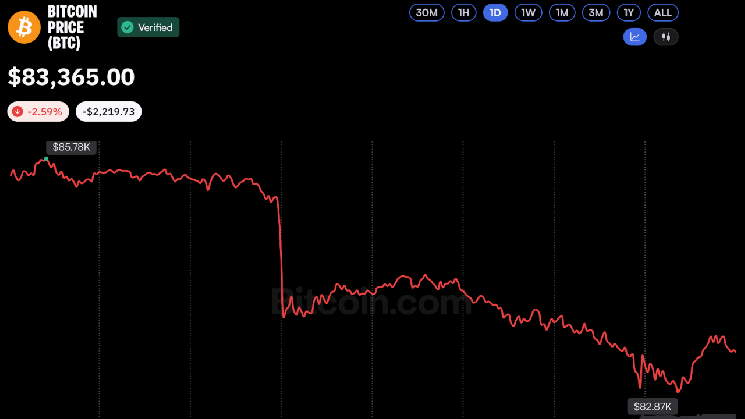
The Bitcoin price is also fluctuating above summer levels, returning to May's highs. As of 1:00 PM Moscow time on September 7th, $BTC is trading around $79.5k.
Meanwhile, the average mining profitability, reflected by the Hashprice Index, was $40 after the difficulty adjustment but fell to $39.3 by Monday. This is the daily amount of Bitcoin a 1000 Th/s (terahashes per second) unit of equipment can mine.
Zcash Mining
The situation in mining the privacy-focused cryptocurrency Zcash is similar. The coin updated its multi-year high on September 7th, with its price exceeding $1.2k. The asset gained almost 50% in a week.
Also on September 7th, the computational power (solrate) rose to a record 32.6 GSol/s (gigasols per second), and the mining difficulty for $ZEC reached a historical high of about 298 M (million). According to TheEnergyMag's estimates, the increase in hashpower that began on Friday was equivalent to turning on nearly 6,000 Bitmain Z15 Pro units and coincided with the deployment of new equipment.
Therefore, the rise in the price of $ZEC did little to change mining economic efficiency, the outlet notes. Mining Zcash on a single latest-generation device generated $727 per MWh at the end of August when the token was priced below $900. On September 4th, when the price exceeded $1000, the revenue per megawatt was $708 (-3%).
end-content