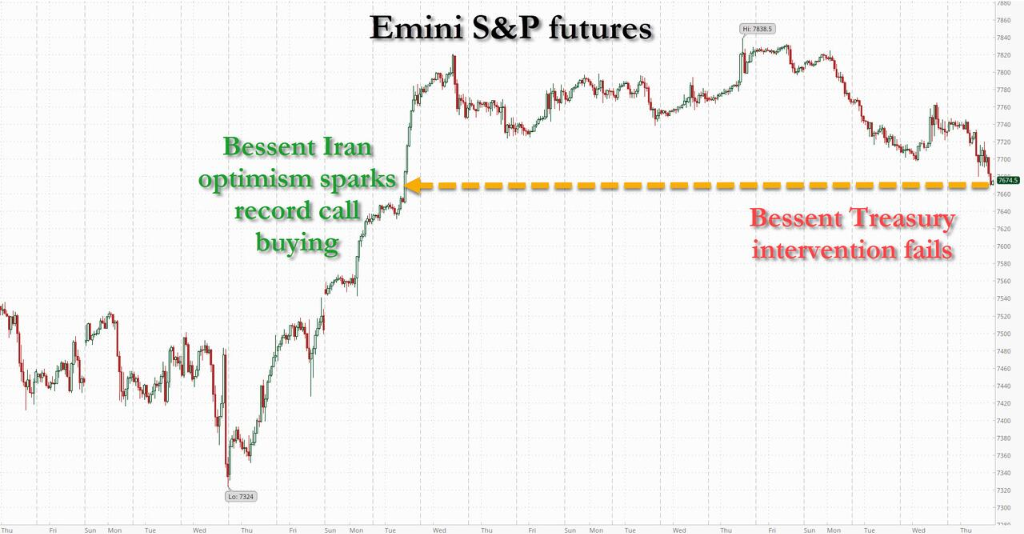
The one-day Besente intervention, combined with soaring oil prices and Walmart's Q2 earnings miss, created a triple negative resonance, causing all three major US stock indices to fall. The 10-year Treasury yield rebounded 4.35 basis points, recovering to levels seen before the US Treasury's announcement of increased buybacks.
During the same period, the retail bellwether Walmart released its Q2 earnings report, with US same-store sales growing only 2.6%, missing market expectations of 3.8%, marking the slowest growth in six years. Its stock price plummeted 9.15%, its worst single-day performance since May 2022, dragging the Dow Jones Industrial Average down by 703 points.
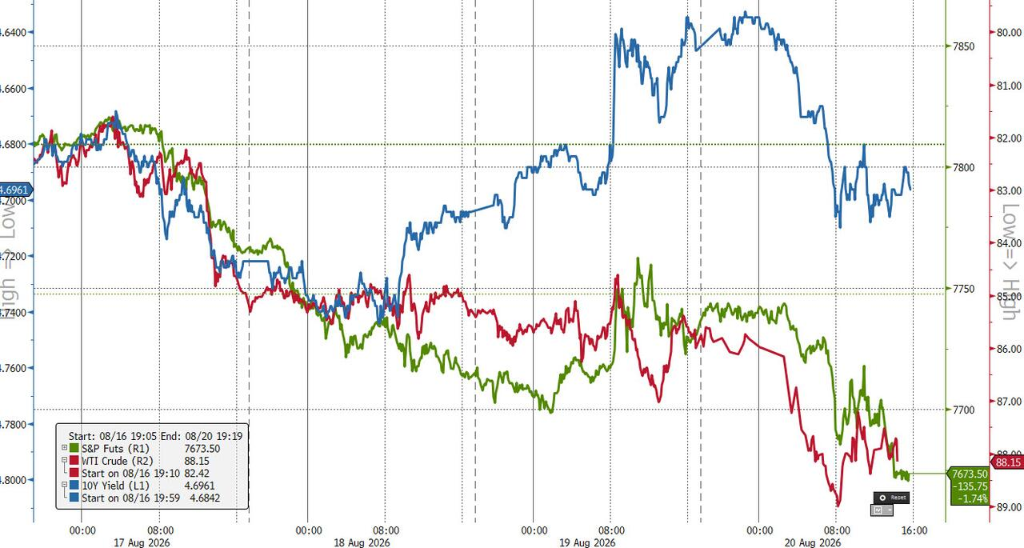
Another source of pressure for the equity market came from energy—Trump announced on Truth Social on Wednesday the initiation of an "economic D-Day" and an "unprecedented scale economic war" against Iran. The WTI October crude oil contract rose 2.5% to $86.83 per barrel, while Brent crude rose 2.4% to $93.78 per barrel. Energy stocks bucked the downtrend, with ConocoPhillips gaining 3.32%.
Bitcoin surged 15% in 24 hours, breaking through $72,000 to hit a new high since June. Coinbase rose 7.58%, and MicroStrategy gained 7.81%.
All Three Major US Stock Indices Fall, Dow Plunges 703 Points, WMT Crashes 9% in Worst Performance in Two Years
Risk appetite remained under pressure after the US stock market opened on Thursday, with all three major indices falling collectively.
The S&P 500 fell 0.86% to 7,641.16 points, the Nasdaq fell 1.00% to 26,067.17 points, and the Dow plummeted 703.84 points to close at 52,759.21 points; the VIX rose 7.52% to 16.01.
Heavyweight stocks were generally under pressure. Walmart fell 9.15%, leading the decline among Dow components, with single-day trading volume reaching 83.27 million shares, marking its largest intraday drop since May 2022. Apple fell 1.75%, Amazon fell 2.16%, Tesla fell 1.71%, Google Class A fell 1.17%, and Microsoft fell 0.65%.
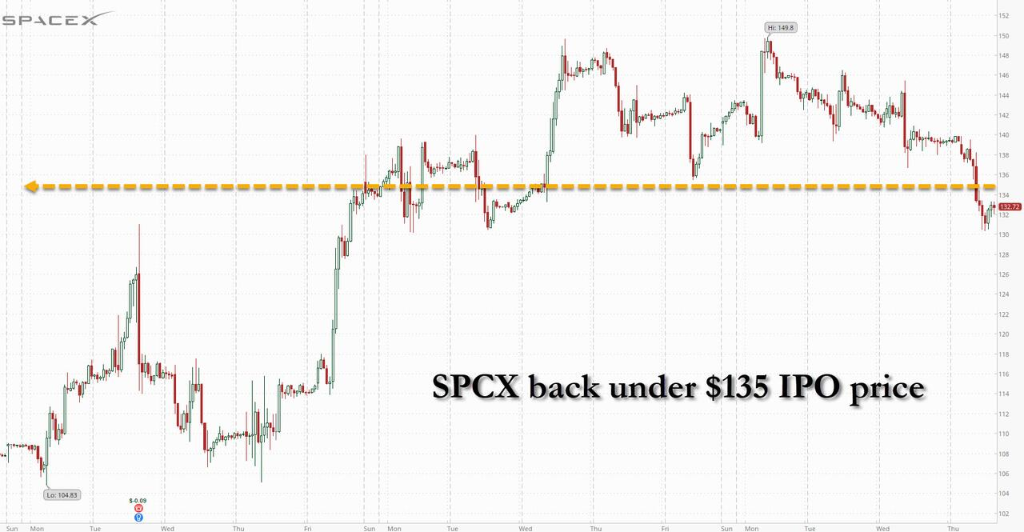
In the tech sector, the downtrend in hyperscale computing stocks continued, with SpaceX dragging the entire industry lower. SPCX stock fell below its IPO price as another lock-up period expired today.
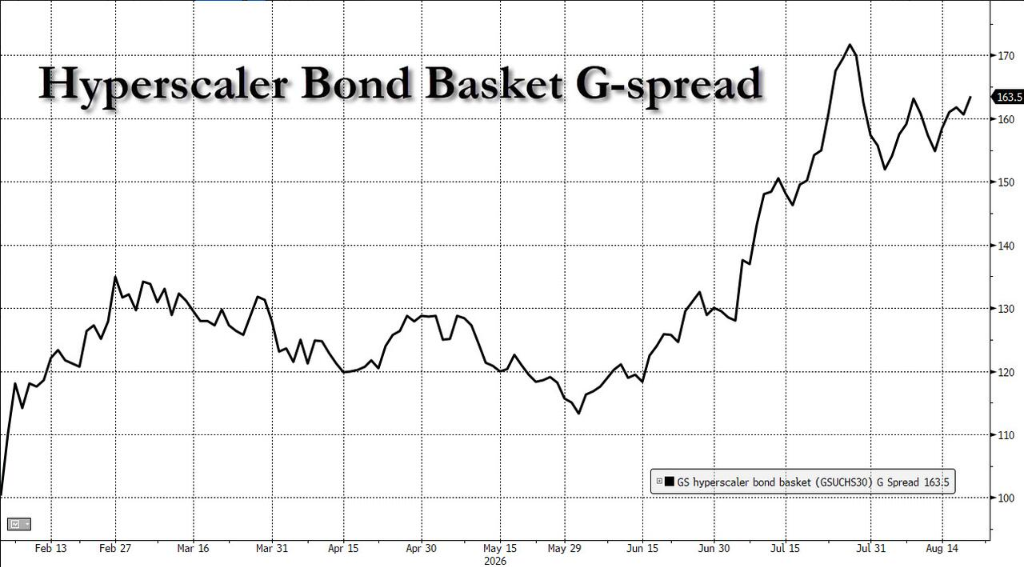
More concerningly, hyperscale data center spreads widened sharply again, with Goldman Sachs' hyperscale data center bond spreads now almost back to the levels seen during the 'panic' spread widening in July.
On Thursday, seven of the eleven S&P 500 sectors fell while four rose. The energy sector was the only clear leading gainer, rising 0.38% against the trend, with ConocoPhillips up 3.32%, Devon Energy up 2.29%, Occidental Petroleum up 2.38%, APA up 2.16%, and ExxonMobil up 0.94%.
The consumer staples sector fell 1.93%, the worst-performing sector, primarily due to Walmart's 9.15% crash. The consumer discretionary sector fell 1.77%, dragged down by Amazon's 2.16% decline. The healthcare sector fell 1.89%, with Gilead Sciences down 2.90% and Moderna down 19.36% being the biggest individual stock drag.
The information technology sector edged down 0.39%, with the Philadelphia Semiconductor Index slightly under pressure. Marvell Technology rose 5.8% and Lumentum gained 6.2%, bucking the trend, with optical communication and storage sectors attracting funds. Micron rose 3.97%, and SanDisk gained 2.02%.
Bitcoin Soars 15% in 24h, COIN and MSTR Lead Gains
Bitcoin broke through $72,000 for the first time since early June, gaining about 5% intraday and accumulating a higher gain of 15% since Monday. Data from CoinGlass shows that total liquidations across the network in 24 hours reached $3.402 billion.
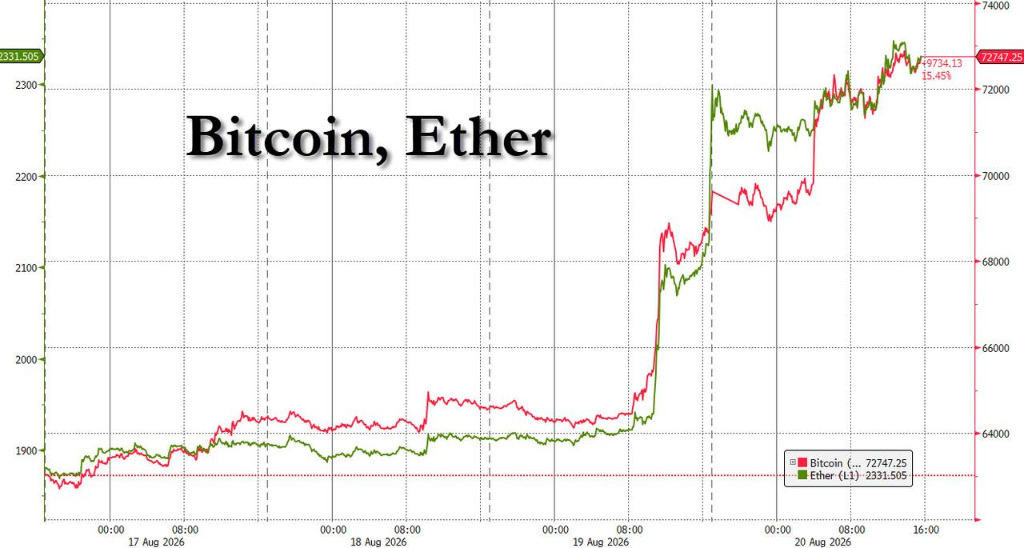
Short positions were liquidated for $3.1 billion, while long positions were liquidated for $277 million, involving 195,000 traders. The single largest liquidation was a $48.8 million BTC position on Hyperliquid. According to Glassnode statistics, Bitcoin's price movement that day reached 5.8 standard deviations, the largest single-day volatility since October 2023.
In US stocks, Coinbase rose 7.58% and MicroStrategy gained 7.81%.
The core catalyst for this round of crypto frenzy was a Wednesday White House meeting—Trump met with key crypto industry executives including Coinbase CEO Brian Armstrong, Ripple CEO Brad Garlinghouse, Kraken co-CEO Arjun Sethi, and others.
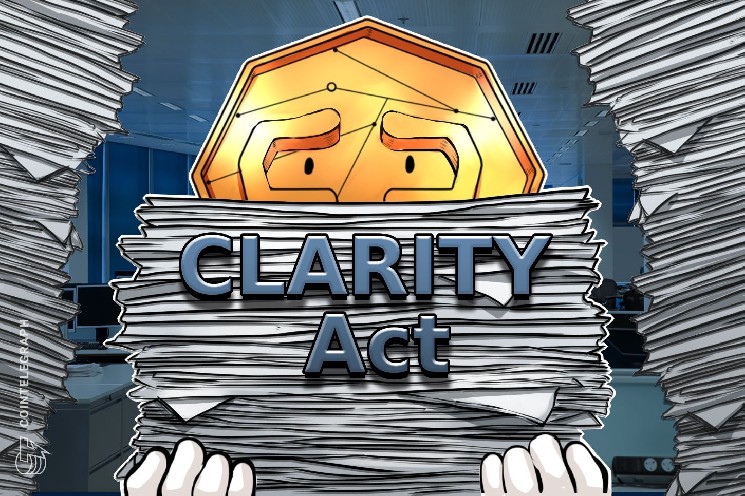
Trump urged Congress to pass the *Digital Asset Market Clarity Act*, also known as the CLARITY Act. The Senate is scheduled for a first procedural vote on September 15, requiring 60 votes to advance. Combined with the Treasury's August 19th move to expand long-bond buybacks to lower long-term yields, a recovery in risk appetite, Bitcoin breaking out of its six-week consolidation range, and massive short-covering further amplified the gains.
US Stocks Under Pressure, US Bonds Erase Gains, Besente's One-Day Intervention, JPM Warns "Treating Symptoms, Not Root Causes"
On Thursday, the 10-year US Treasury yield rebounded 4.35 basis points to 4.6902%, already higher than the level before the Treasury's announcement of increased buybacks. The 30-year yield also rose 3.97 basis points to 5.2298%, almost fully recovering the losses from August 19th and approaching the August 18th peak of 5.3361%, a near 20-year high.
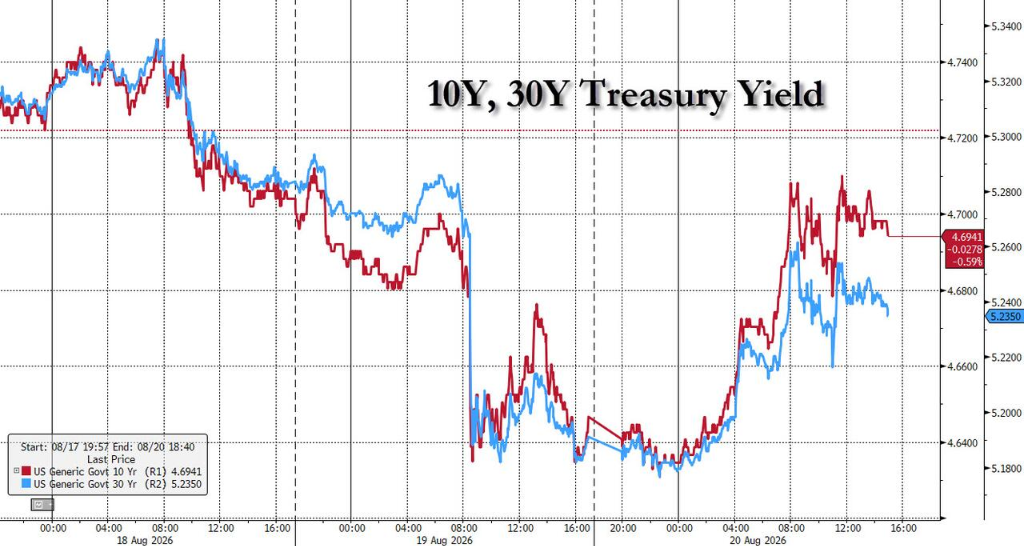
JPMorgan strategists Jay Barry and Jason Hunter said bluntly in a report that the Treasury's action "only addresses the symptoms, not the root cause"—the US is maintaining a fiscal deficit of around 6% in an economy close to full employment.
The two warned that "without genuine fiscal consolidation, the market may view this action as lacking credibility," and if the Treasury deviates from its "regular and predictable" issuance principles, it could push up term premiums and long-term yields. The bank recommended continuing to hold a 2-year/10-year steepener trade.
Adam Phillips, Managing Director of Investments at EP Wealth Advisors, expressed skepticism about the lasting effects of the buyback, stating bluntly:
This is not the cure for the bond market's underlying illness. There are structural forces at play here, far beyond the control of the Treasury and the government.
Bloomberg strategist Jonathan Levin described the action as a "desperate attempt to lower yields."
Oil Prices Rise for Five Consecutive Days, Gold Breaks $4500, Touches 200DMA
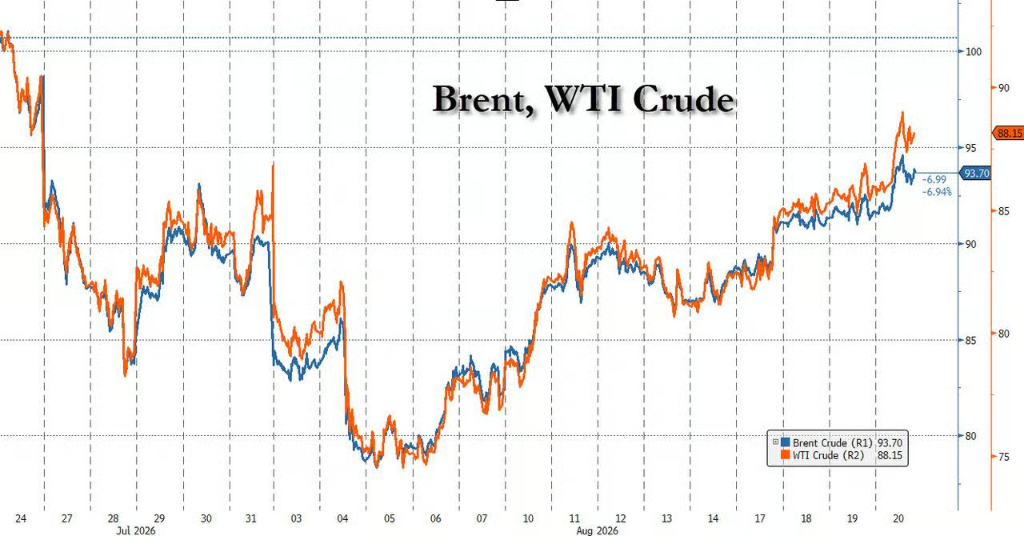
The energy market saw its fifth consecutive day of gains. The WTI October crude oil contract rose 2.5% to $86.83 per barrel, with the September contract expiring; Brent crude rose 2.4% to $93.78 per barrel, both hitting their highest levels since July 24.
As mentioned by Wall Street News, according to CCTV, Besente revealed that a press conference will be held on August 24, next Monday, to detail the US action plan against Iran. Besente hinted that increasing economic pressure might become an important means to avoid restarting large-scale military operations.
CCTV quoted him as saying:
We have asymmetric information. I'm not sure why the oil issue has become a focus. If we apply maximum economic pressure, that means a large-scale military conflict is less likely.
According to Xinhua News Agency, Besente stated that the Trump administration will increase economic pressure on Iran and threatened "unprecedented economic isolation" measures against Iran. Besente also "called out" to all US allies, "We want to overthrow this regime," and warned to either stand with the US or stand against it.
UBS analyst Giovanni Staunovo said:
Tensions in the Middle East remain elevated, leaving room for further supply disruptions. Declining crude exports from the Middle East are tightening the oil market.
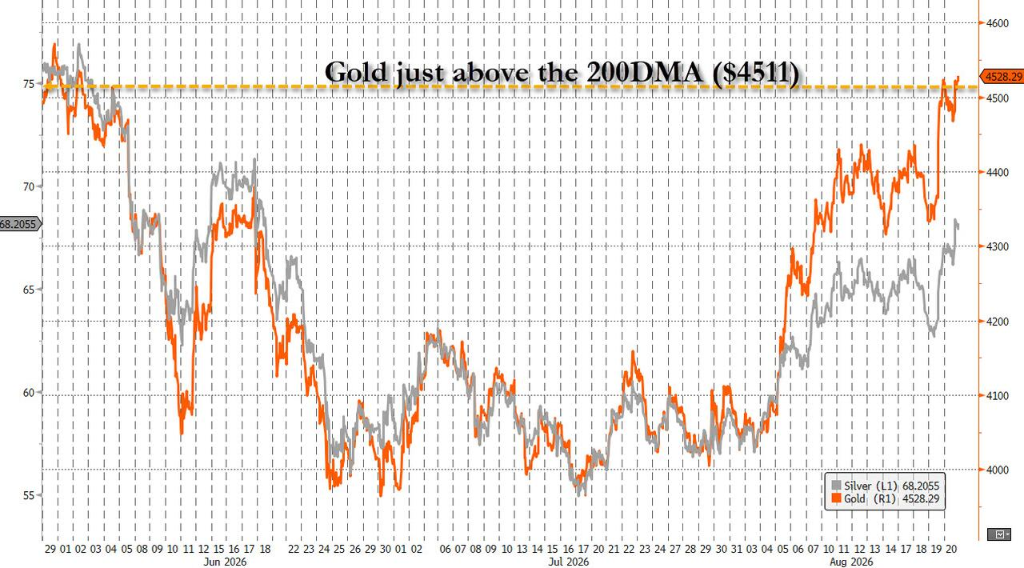
Precious metals continued their safe-haven rally. COMEX gold futures settled at $4,577.6 per ounce, up 0.71%. Spot gold broke through $4,500 intraday for the first time since early June and touched the 200-day moving average at $4,511—a strong bullish signal according to traditional technical analysis. Silver futures rose 3.56% to $68.17 per ounce, and platinum rose 1.76%.
A V-shaped reversal occurred in the forex market. The ICE US Dollar Index settled at 98.908, up 0.08% slightly, with an intraday range of 98.557-98.934, briefly dipping at the start of Besente's speech. USD/JPY settled up 0.62% at 159.18, recovering more than half of the losses from August 19th. The Bloomberg Dollar Index rose 0.09% to 1,193.26.