After a 600% Surge, Can Zcash Really Challenge BTC?

比推Publicado a 2026-01-05Actualizado a 2026-01-05

Resumen

This article critically examines the narrative that Zcash (ZEC), after a 600% price surge, could challenge Bitcoin (BTC) as a form of money. The author, drawing from a personal background valuing financial sovereignty and privacy, acknowledges the importance of privacy coins like ZEC, which uses zk-SNARKs to enable shielded, untraceable transactions. However, the central argument is that ZEC functions primarily as a privacy tool or "tunnel" for obfuscating funds before users exit to BTC, stablecoins, or fiat, rather than as a long-term store of value. The author asserts that Bitcoin's monetary status is unshakable due to its first-mover advantage, immense network effects, and its establishment as a dominant Schelling point for value storage. This creates a "winner-takes-all" dynamic in monetary competition, leaving no room for a "second money." Data shows ZEC's recent price surge is driven by a supply squeeze from coins moving into shielded pools, not by organic adoption as money. Furthermore, tools like chain analysis can still de-anonymize a significant portion of ZEC transactions. The conclusion is that while privacy is a crucial and growing necessity, ZEC is a utility for transactions, not money. Investors should not confuse its speculative narrative with Bitcoin's entrenched monetary premium, which is based on a fundamentally different value proposition.

Source: Pine Analytics

Original Title: ZEC Is Not Money

Compiled and Arranged: BitpushNews

My Crypto Journey and the Pursuit of Sovereignty

When I first entered the cryptocurrency space, I was filled with naive optimism, believing that this technology could fundamentally constrain government overspending and empower individuals to hold currency beyond the control of legal authorities. It represented a form of "exit," a way for the weak to resist the strong and uphold dignity and rights. This deeply resonated with my identity as a descendant of Armenian immigrants—my family fled their homeland during the genocide and turmoil of the early twentieth century. I once firmly held that governments were spiraling into uncontrollable fiscal indulgence, constantly devaluing fiat currency and eroding individual freedoms. Cryptocurrency seemed like a weapon for marginalized groups, a digital sanctuary for storing and transferring value without permission or oversight.

However, my idealism soon collided with reality.

I learned about "on-chain analysis": even if wallets are not directly named, funds can be tracked through public ledgers, and transaction patterns, exchange data, and network analysis can de-anonymize users. Although you can move funds on-chain without the explicit permission of the powerful, you remain within their sight.

This discovery fostered a lasting affinity for privacy solutions, from Tornado Cash and Monero (XMR) to Zcash (ZEC) and Secret Network. Deep down, I have always reserved a place for these tools, recognizing their role in restoring true sovereignty.

All of this reinforced my belief that on-chain privacy will become increasingly valuable in the future, especially amid the trends of intensified global surveillance in 2026, the rise of CBDCs (central bank digital currencies), and regulatory crackdowns.

While I have long cherished privacy, it is crucial to distinguish between the "utility of privacy" and the "overhyped narrative" surrounding tokens like ZEC.
Zcash and Its Current Narrative

Zcash is a PoW (Proof of Work) blockchain similar to Bitcoin, but it has a core innovation: users can natively "shield" their tokens, moving them into privacy pools where transactions occur with minimal information revealed to third parties. Using zero-knowledge proofs (zk-SNARKs), ZEC enables transfers that are nearly untraceable when executed correctly. This is a remarkable achievement, and if Bitcoin had implemented this technology from the start, it might have greatly benefited. Shielded transactions hide the sender, receiver, and amount, providing a level of privacy that transparent chains like Bitcoin lack.

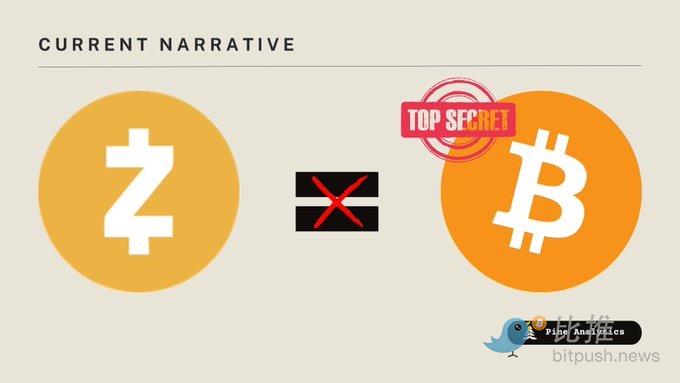
However, the current narrative driving ZEC's premium (evidenced by its staggering 661% year-to-date surge in 2025 and continued momentum in early 2026) is that it is merely "private Bitcoin," a superior version of Bitcoin. Supporters psychologically peg ZEC's value to BTC, seeking reasons to buy even after astronomical price increases.

Yet, this comparison is false. Those promoting this view are either misleading buyers or fundamentally misunderstand why BTC initially achieved a market cap exceeding $1.7 trillion.
Why Bitcoin Is Money, and Others Are Not

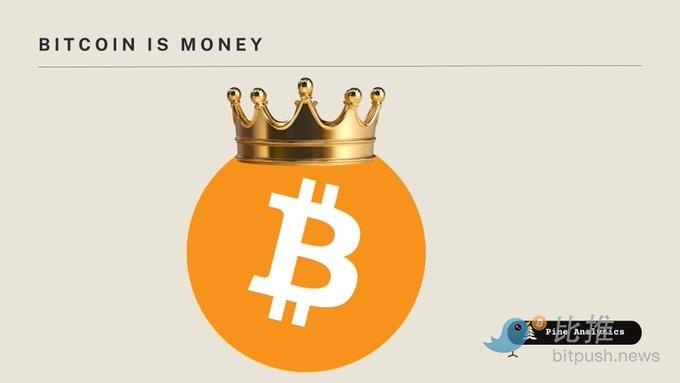
Bitcoin maintains dominance over all other cryptocurrencies (except fiat-pegged stablecoins) for one reason alone: it is money.

This status stems from the powerful synergy of first-mover advantage and path dependency reinforced over time. Every new ETF buyer, every day a whale holds, every nation adding BTC to its reserves strengthens Bitcoin's monetary properties. Network effects relentlessly compound: deeper liquidity attracts larger allocators, which further deepens liquidity, attracts sovereign buyers, legitimizes the asset class, and brings the next wave of adoption. This flywheel cannot be replicated; it can only be joined.

A significant portion of the altcoin market's capitalization stems from being positioned as "silver to Bitcoin's gold," but this framework fundamentally misunderstands monetary competition. Monetary properties follow a Nash equilibrium: coordination games produce "winner-takes-all" outcomes, where one asset emerges as the dominant store of value, while others trade based on discounted cash flows or utility. History offers no examples of a "second-place currency" retaining value persistently. After gold was demonetized, silver's monetary premium steadily eroded, and any crypto asset competing on the "store of value" dimension will face the same fate.

BTC established its position against a backdrop where it pioneered an entirely new asset class, just as the U.S. dollar was actively degrading its monetary properties through inflation, unprecedented monetary expansion, and policy missteps (issues beyond this article's scope but deeply felt by the generation that grew up after the 2008 financial crisis).

In essence, BTC is the best and earliest "meme coin": a cultural and economic phenomenon whose value is self-reinforcing, supported by the market's most powerful force—collective belief coalescing into a Schelling point. No other coin, regardless of its technical features or ideological purity, can dethrone it. The window for monetary competition closed years ago. Privacy-enhancing features, while ideal, are better suited as layers atop Bitcoin (via protocols, L2s, or mixers) rather than attempting to replace it. The latter strategy mistakes "feature" for "foundation."
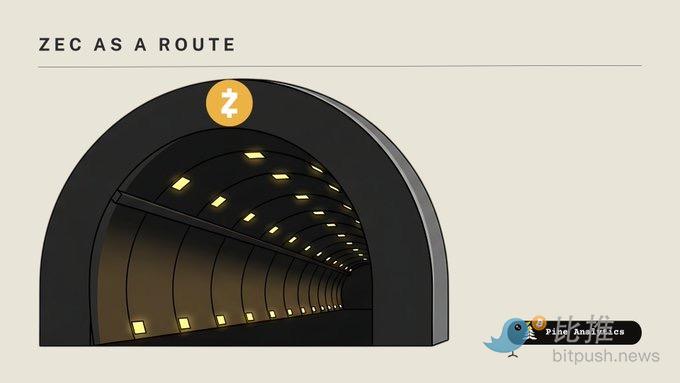
ZEC Is a Path, Not a Destination

The brilliance of privacy coins like ZEC lies in breaking the traceability of funds, whether for legitimate reasons like protecting activists, businesses, or personal finances, or for illicit purposes (though I emphasize privacy's inherent legitimacy). However, users treat ZEC as a path, not a destination. They acquire it, shield funds, and then exit to BTC, stablecoins, or fiat.

On-chain data clearly reveals this reality. Shielded supply surged significantly in 2025, growing from about 11% at the start of the year to around 30% (approximately 5 million ZEC) by the end of 2025. At first glance, this seems highly favorable to the "ZEC is money" argument. But digging deeper, the picture changes. According to Coin Metrics, the spike in shielded transactions was primarily driven by "shielding and unshielding" activity (value moving into or out of privacy pools), not fully shielded z-to-z transfers. In other words, users enter the privacy pool, complete their transactions, and then leave. They use ZEC as a privacy tunnel, not a vault.

Metrics from the transparent side further confirm this "flow" dynamic. Despite a price surge of over 900%, the average number of daily active wallets on the transparent chain remained around 11,500, showing no corresponding user explosion.

Meanwhile, transaction volume for another major privacy coin, Monero, did not rise in sync (stabilizing at 20,000–30,000 daily transactions), indicating that ZEC's movement was not due to a broad privacy sector rotation but rather a Zcash-specific supply squeeze—tokens entering shielded pools dried up exchange liquidity. CoinDesk Research noted that "traders may be paying a massive premium" precisely because visible network data couldn't explain the price action.

To qualify as "money," it must be a destination: an asset people want to accumulate and hold long-term, lowering their time preference by storing wealth in it. If ZEC is primarily a pipeline, its demand is capped by the need for de-anonymization at specific times, plus any speculative premium the market temporarily assigns. It cannot sustain the exponential, reflexive growth of true money—where holding begets more holding, deeper liquidity, institutional reserves, and cultural entrenchment. A tool used and discarded generates transaction volume, not compounding monetary premium.

While a large anonymity set (the bigger the pool, the harder to trace) has value, ZEC does not monopolize this status. Arkham Intelligence recently claimed to have labeled over 53% of ZEC transactions, linking $420 billion in transaction volume to identifiable entities. This proves that even shielded transactions can be de-anonymized through temporal analysis, endpoint monitoring, and transparent entry/exit points.

Competitors like Monero (where privacy is mandatory, not optional), emerging L2 solutions (like Aztec and Arcium), and even BTC mixers offer alternatives. Even if ZEC becomes the top anonymity hub, it will not evolve into money. Buyers chasing the "private BTC" hype may face a harsh reality: unless ZEC is competing as money, its price should not be psychologically pegged to BTC, and for monetary competition, BTC's dominance is too entrenched, and ZEC is too late to the game.

Conclusion

Privacy is not a passing fad; it is an inevitable necessity that will define the crypto space in 2026 and beyond, as evidenced by surging adoption rates from institutions to retail. My family history compels me to be an advocate for privacy, but we must be realistic about tokens like ZEC: they are powerful tools for pursuing sovereignty, but they are not money.

Bitcoin's path-dependent victory ensures that no challenger can replicate its monetary status. Invest in privacy for its utility (shield, transact, exit), but do not confuse it with the monetary throne occupied by BTC. Those who conflate the two may face a painful hangover when the narrative shifts.


Twitter:https://twitter.com/BitpushNewsCN

Bitpush TG Discussion Group:https://t.me/BitPushCommunity

Bitpush TG Subscription: https://t.me/bitpush

Original link:https://www.bitpush.news/articles/7600239

Preguntas relacionadas

QWhat is the core argument made in the article regarding Zcash (ZEC) and its potential to challenge Bitcoin (BTC)?

AThe article's core argument is that Zcash cannot challenge Bitcoin as a form of money. It posits that Bitcoin's monetary status, reinforced by first-mover advantage, network effects, and path dependency, is unassailable. ZEC is viewed primarily as a privacy tool or 'tunnel' for transactions, not as a long-term store of value or monetary asset like BTC.

QAccording to the on-chain data cited in the article, how do users primarily interact with ZEC's privacy features?

AOn-chain data shows that users primarily use ZEC as a path, not a destination. They shield their funds (move them into the privacy pool) to break traceability, complete a transaction, and then unshield them to exit into BTC, stablecoins, or fiat. The surge in shielded supply is driven by 'shield and unshield' activity rather than sustained z-to-z transactions within the privacy pool.

QWhy does the author believe the 'private Bitcoin' narrative for ZEC is flawed?

AThe author believes the narrative is flawed because it mistakes a feature (privacy) for a foundation (monetary status). Bitcoin's value is a self-reinforcing cultural and economic phenomenon (a Schelling point) based on collective belief as a store of value. The window for monetary competition is closed, and no other asset, regardless of its technical features like privacy, can dethrone BTC's established monetary premium.

QWhat evidence does the article provide to suggest that ZEC's price surge is not due to it being used as money?

AThe article provides several pieces of evidence: 1) The number of active transparent wallets did not surge proportionally with the massive price increase. 2) The activity was specific to ZEC and not part of a broader privacy coin rally (e.g., Monero's transaction volume remained stable). 3) Analysis suggests the price action was likely due to a supply squeeze from tokens moving into shielded pools, reducing exchange liquidity, rather than organic demand for holding ZEC as money.

QWhat is the author's overall conclusion about the value and role of privacy coins like ZEC?

AThe author concludes that privacy coins like ZEC are powerful tools for achieving financial sovereignty and anonymity for specific transactions. However, they are not money and should not be confused with Bitcoin's monetary role. Their value is derived from their privacy utility (to shield, transact, and exit), not from a monetary premium. Investors should appreciate them for their utility but not expect them to compete with or replace BTC as a store of value.

Lecturas Relacionadas

SpaceX Ties Up with Cursor: A High-Stakes AI Gambit of 'Lock First, Acquire Later'

SpaceX has secured an option to acquire AI programming company Cursor for $60 billion, with an alternative clause requiring a $10 billion collaboration fee if the acquisition does not proceed. This structure is not merely a potential acquisition but a strategic move to control core access points in the AI era. The deal is designed as a flexible, dual-path arrangement, allowing SpaceX to either fully acquire Cursor or maintain a binding partnership through high-cost collaboration. This "option-style" approach minimizes immediate regulatory and integration risks while ensuring long-term alignment between the two companies. At its core, the transaction exchanges critical AI-era resources: SpaceX provides its Colossus supercomputing cluster—one of the world’s most powerful AI training infrastructures—while Cursor contributes its AI-native developer environment and strong product adoption. This synergy connects compute power, models, and application layers, forming a closed-loop AI capability stack. Cursor, founded in 2022, has achieved rapid growth with over $1 billion in annual revenue and widespread enterprise adoption. Its value lies in transforming software development through AI agents capable of coding, debugging, and system design—positioning it as a gateway to future software production. For SpaceX, this move is part of a broader strategy to evolve from a aerospace company into an AI infrastructure empire, integrating xAI, supercomputing, and chip manufacturing. Controlling Cursor fills a gap in its developer tooling layer, strengthening its AI narrative ahead of a potential IPO. The deal reflects a shift in AI competition from model superiority to ecosystem and entry-point control. With programming tools as a key battleground, securing developer loyalty becomes crucial for dominating the software production landscape. Risks include questions around Cursor’s valuation, technical integration challenges, and potential regulatory scrutiny. Nevertheless, the deal underscores a strategic bet: controlling both compute and software development access may redefine power dynamics in the AI-driven future.

marsbitHace 42 min(s)

SpaceX Ties Up with Cursor: A High-Stakes AI Gambit of 'Lock First, Acquire Later'

marsbitHace 42 min(s)

Trading

Spot
Futuros

Artículos destacados

Qué es BITCOIN

Entendiendo HarryPotterObamaSonic10Inu (ERC-20) y Su Posición en el Espacio Cripto En los últimos años, el mercado de criptomonedas ha sido testigo de un aumento en la popularidad de las monedas meme, capturando el interés no solo de los comerciantes, sino también de aquellos que buscan compromiso comunitario y valor de entretenimiento. Entre estos tokens únicos se encuentra HarryPotterObamaSonic10Inu (ERC-20), un proyecto intrigante que mezcla referencias culturales en el tejido de las criptomonedas. Este artículo profundiza en los aspectos clave de HarryPotterObamaSonic10Inu, explorando sus mecanismos, ethos impulsado por la comunidad y su relación con el paisaje cripto más amplio. ¿Qué es HarryPotterObamaSonic10Inu (ERC-20)? Como su nombre sugiere, HarryPotterObamaSonic10Inu es una moneda meme construida sobre la blockchain de Ethereum, clasificada bajo el estándar ERC-20. A diferencia de las criptomonedas tradicionales que pueden enfatizar la utilidad práctica o el potencial de inversión, este token prospera en el valor de entretenimiento y la fuerza de su comunidad. El proyecto tiene como objetivo fomentar un entorno donde los usuarios comprometidos puedan reunirse, compartir ideas y participar en actividades inspiradas por diversos fenómenos culturales. Una característica notable de HarryPotterObamaSonic10Inu es su cero impuestos en las transacciones. Este atractivo elemento tiene como objetivo incentivar el comercio y la participación comunitaria, sin cargos adicionales que puedan disuadir a los comerciantes de pequeña escala. El suministro total de la moneda está establecido en mil millones de tokens, una cifra que marca su intención de mantener una circulación sustancial dentro de la comunidad. Creador de HarryPotterObamaSonic10Inu (ERC-20) Los orígenes de HarryPotterObamaSonic10Inu están algo envueltos en misterio; los detalles sobre el creador siguen siendo desconocidos. El desarrollo de este token carece de un equipo identificable o de un plan explícito, lo cual no es inusual dentro del sector de monedas meme. En cambio, el proyecto ha surgido de manera orgánica, con su progreso muy dependiente del entusiasmo y la participación de su comunidad. Inversores de HarryPotterObamaSonic10Inu (ERC-20) En cuanto a inversiones externas y respaldo, HarryPotterObamaSonic10Inu también sigue siendo ambiguo. El token no lista ninguna fundación de inversión conocida o apoyo organizacional significativo. En cambio, la savia del proyecto es su comunidad de base, que informa su crecimiento y sostenibilidad a través de la acción colectiva y el compromiso en el espacio cripto. ¿Cómo Funciona HarryPotterObamaSonic10Inu (ERC-20)? Como una moneda meme, HarryPotterObamaSonic10Inu opera principalmente fuera de los marcos tradicionales que a menudo rigen el valor de los activos. Hay varios aspectos distintivos que definen cómo funciona el proyecto: Transacciones Sin Impuestos: Sin tarifas impositivas en las transacciones, los usuarios pueden comprar y vender el token libremente sin preocuparse por costos ocultos. Compromiso Comunitario: El proyecto prospera en la interacción comunitaria, aprovechando plataformas de redes sociales para crear entusiasmo y facilitar la participación. Las discusiones, el intercambio de contenido y el compromiso son elementos cruciales que ayudan a expandir su alcance y fomentar la lealtad entre los seguidores. Sin Utilidad Práctica: Cabe señalar que HarryPotterObamaSonic10Inu no ofrece utilidad concreta dentro del ecosistema financiero. Más bien, se clasifica como un token principalmente para actividades de entretenimiento y comunitarias. Referencia Cultural: El token incorpora astutamente elementos de la cultura popular para atraer interés, conectando con entusiastas de los memes y seguidores de las criptomonedas por igual. HarryPotterObamaSonic10Inu ejemplifica cómo las monedas meme operan de manera diferente a los proyectos de criptomonedas más tradicionales, ingresando al mercado como construcciones sociales innovadoras en lugar de activos utilitarios. Cronología de HarryPotterObamaSonic10Inu (ERC-20) La historia de HarryPotterObamaSonic10Inu está marcada por varios hitos notables: Creación: El token surgió de un meme viral, capturando la imaginación de muchos entusiastas de las criptomonedas. Las fechas específicas de creación no están disponibles, subrayando su ascenso orgánico. Listado en Exchanges: HarryPotterObamaSonic10Inu ha llegado a varios exchanges, permitiendo un acceso y comercio más fácil por parte de la comunidad. Iniciativas de Compromiso Comunitario: Actividades continuas destinadas a mejorar la interacción comunitaria, incluyendo concursos, campañas en redes sociales y generación de contenido por parte de fanáticos y defensores. Planes de Expansión Futuros: La hoja de ruta del proyecto incluye el lanzamiento de una colección de NFT, mercancía y un sitio de comercio electrónico relacionado con sus temas culturales, involucrando aún más a la comunidad e intentando añadir más dimensiones a su ecosistema. Puntos Clave Sobre HarryPotterObamaSonic10Inu (ERC-20) Naturaleza Impulsada por la Comunidad: El proyecto prioriza la participación colectiva y la creatividad, asegurando que la involucración de los usuarios esté a la vanguardia de su desarrollo. Clasificación como Moneda Meme: Representa la epítome de las criptomonedas basadas en el entretenimiento, diferenciándose de los vehículos de inversión tradicionales. Sin Afiliación Directa con Bitcoin: A pesar de la similitud en el nombre del ticker, HarryPotterObamaSonic10Inu es distinto y no tiene relación con Bitcoin u otras criptomonedas establecidas. Enfoque en la Colaboración: HarryPotterObamaSonic10Inu está diseñado para crear un espacio para la colaboración y el intercambio de historias entre sus poseedores, proporcionando una vía para la creatividad y el vínculo comunitario. Perspectivas Futuras: La ambición de expandirse más allá de su premisa inicial hacia NFTs y mercancías describe un camino para que el proyecto potencialmente ingrese a avenidas más tradicionales dentro de la cultura digital. A medida que las monedas meme continúan capturando la imaginación de la comunidad de criptomonedas, HarryPotterObamaSonic10Inu (ERC-20) se destaca debido a sus lazos culturales y su enfoque centrado en la comunidad. Si bien puede no encajar en el molde típico de un token impulsado por la utilidad, su esencia radica en la alegría y la camaradería fomentadas entre sus seguidores, destacando la naturaleza en evolución de las criptomonedas en una era cada vez más digital. A medida que el proyecto continúa desarrollándose, será importante observar cómo las dinámicas comunitarias influyen en su trayectoria en el cambiante paisaje de la tecnología blockchain.

1.3k Vistas totalesPublicado en 2024.04.01Actualizado en 2024.12.03

Qué es BITCOIN

Cómo comprar BTC

¡Bienvenido a HTX.com! Hemos hecho que comprar Bitcoin (BTC) sea simple y conveniente. Sigue nuestra guía paso a paso para iniciar tu viaje de criptos.Paso 1: crea tu cuenta HTXUtiliza tu correo electrónico o número de teléfono para registrarte y obtener una cuenta gratuita en HTX. Experimenta un proceso de registro sin complicaciones y desbloquea todas las funciones.Obtener mi cuentaPaso 2: ve a Comprar cripto y elige tu método de pagoTarjeta de crédito/débito: usa tu Visa o Mastercard para comprar Bitcoin (BTC) al instante.Saldo: utiliza fondos del saldo de tu cuenta HTX para tradear sin problemas.Terceros: hemos agregado métodos de pago populares como Google Pay y Apple Pay para mejorar la comodidad.P2P: tradear directamente con otros usuarios en HTX.Over-the-Counter (OTC): ofrecemos servicios personalizados y tipos de cambio competitivos para los traders.Paso 3: guarda tu Bitcoin (BTC)Después de comprar tu Bitcoin (BTC), guárdalo en tu cuenta HTX. Alternativamente, puedes enviarlo a otro lugar mediante transferencia blockchain o utilizarlo para tradear otras criptomonedas.Paso 4: tradear Bitcoin (BTC)Tradear fácilmente con Bitcoin (BTC) en HTX's mercado spot. Simplemente accede a tu cuenta, selecciona tu par de trading, ejecuta tus trades y monitorea en tiempo real. Ofrecemos una experiencia fácil de usar tanto para principiantes como para traders experimentados.

4.7k Vistas totalesPublicado en 2024.12.12Actualizado en 2025.03.21

Cómo comprar BTC

Qué es $BITCOIN

ORO DIGITAL ($BITCOIN): Un Análisis Integral Introducción al ORO DIGITAL ($BITCOIN) ORO DIGITAL ($BITCOIN) es un proyecto basado en blockchain que opera en la red Solana, cuyo objetivo es combinar las características de los metales preciosos tradicionales con la innovación de las tecnologías descentralizadas. Aunque comparte un nombre con Bitcoin, a menudo referido como “oro digital” debido a su percepción como un refugio de valor, ORO DIGITAL es un token separado diseñado para crear un ecosistema único dentro del paisaje Web3. Su meta es posicionarse como un activo digital alternativo viable, aunque los detalles sobre sus aplicaciones y funcionalidades aún están en desarrollo. ¿Qué es ORO DIGITAL ($BITCOIN)? ORO DIGITAL ($BITCOIN) es un token de criptomoneda diseñado explícitamente para su uso en la blockchain de Solana. A diferencia de Bitcoin, que proporciona un papel de almacenamiento de valor ampliamente reconocido, este token parece centrarse en aplicaciones y características más amplias. Aspectos notables incluyen: Infraestructura Blockchain: El token está construido sobre la blockchain de Solana, conocida por su capacidad para manejar transacciones de alta velocidad y bajo costo. Dinámicas de Suministro: ORO DIGITAL tiene un suministro máximo limitado a 100 cuatrillones de tokens (100P $BITCOIN), aunque los detalles sobre su suministro circulante no se han divulgado actualmente. Utilidad: Si bien las funcionalidades precisas no están delineadas explícitamente, hay indicios de que el token podría ser utilizado para diversas aplicaciones, potencialmente involucrando aplicaciones descentralizadas (dApps) o estrategias de tokenización de activos. ¿Quién es el Creador de ORO DIGITAL ($BITCOIN)? En la actualidad, la identidad de los creadores y el equipo de desarrollo detrás de ORO DIGITAL ($BITCOIN) sigue siendo desconocida. Esta situación es típica entre muchos proyectos innovadores dentro del espacio blockchain, particularmente aquellos alineados con las finanzas descentralizadas y fenómenos de monedas meme. Si bien tal anonimato puede fomentar una cultura impulsada por la comunidad, intensifica las preocupaciones sobre la gobernanza y la responsabilidad. ¿Quiénes son los Inversores de ORO DIGITAL ($BITCOIN)? La información disponible indica que ORO DIGITAL ($BITCOIN) no tiene patrocinadores institucionales conocidos ni inversiones destacadas de capital de riesgo. El proyecto parece operar en un modelo de peer-to-peer centrado en el apoyo y la adopción de la comunidad en lugar de rutas de financiamiento tradicionales. Su actividad y liquidez se sitúan principalmente en intercambios descentralizados (DEX), como PumpSwap, en lugar de plataformas de trading centralizadas establecidas, lo que resalta aún más su enfoque de base. Cómo Funciona ORO DIGITAL ($BITCOIN) Los mecanismos operativos de ORO DIGITAL ($BITCOIN) pueden elaborarse en función de su diseño blockchain y atributos de red: Mecanismo de Consenso: Al aprovechar el único proof-of-history (PoH) de Solana combinado con un modelo de proof-of-stake (PoS), el proyecto asegura una validación de transacciones eficiente que contribuye al alto rendimiento de la red. Tokenómica: Si bien los mecanismos deflacionarios específicos no se han detallado extensamente, el vasto suministro máximo de tokens implica que podría atender microtransacciones o casos de uso nicho que aún están por definirse. Interoperabilidad: Existe el potencial de integración con el ecosistema más amplio de Solana, incluyendo varias plataformas de finanzas descentralizadas (DeFi). Sin embargo, los detalles sobre integraciones específicas permanecen no especificados. Cronología de Eventos Clave Aquí hay una cronología que destaca hitos significativos relacionados con ORO DIGITAL ($BITCOIN): 2023: El despliegue inicial del token ocurre en la blockchain de Solana, marcado por su dirección de contrato. 2024: ORO DIGITAL gana visibilidad al estar disponible para trading en intercambios descentralizados como PumpSwap, permitiendo a los usuarios comerciar contra SOL. 2025: El proyecto presencia actividad de trading esporádica y potencial interés en compromisos liderados por la comunidad, aunque no se han documentado asociaciones notables o avances técnicos hasta el momento. Análisis Crítico Fortalezas Escalabilidad: La infraestructura subyacente de Solana soporta altos volúmenes de transacciones, lo que podría mejorar la utilidad de $BITCOIN en varios escenarios de transacción. Accesibilidad: El potencial bajo precio de trading por token podría atraer a inversores minoristas, facilitando una participación más amplia debido a oportunidades de propiedad fraccionada. Riesgos Falta de Transparencia: La ausencia de patrocinadores, desarrolladores o un proceso de auditoría conocidos públicamente puede generar escepticismo sobre la sostenibilidad y confiabilidad del proyecto. Volatilidad del Mercado: La actividad de trading depende en gran medida del comportamiento especulativo, lo que puede resultar en una volatilidad de precios significativa y en incertidumbre para los inversores. Conclusión ORO DIGITAL ($BITCOIN) surge como un proyecto intrigante pero ambiguo dentro del ecosistema de Solana en rápida evolución. Si bien intenta aprovechar la narrativa del “oro digital”, su alejamiento del papel establecido de Bitcoin como refugio de valor subraya la necesidad de una diferenciación más clara de su utilidad y estructura de gobernanza previstas. La aceptación y adopción futura dependerán probablemente de abordar la actual opacidad y de definir sus estrategias operativas y económicas de manera más explícita. Nota: Este informe abarca información sintetizada disponible hasta octubre de 2023, y pueden haber ocurrido desarrollos más allá del período de investigación.

83 Vistas totalesPublicado en 2025.05.13Actualizado en 2025.05.13

Qué es $BITCOIN

Discusiones

Bienvenido a la comunidad de HTX. Aquí puedes mantenerte informado sobre los últimos desarrollos de la plataforma y acceder a análisis profesionales del mercado. A continuación se presentan las opiniones de los usuarios sobre el precio de BTC (BTC).

活动图片