‘Adapt or die’- SEC approves Nasdaq plan to trade tokenized securities

ambcryptoPublicado a 2026-03-19Actualizado a 2026-03-19

Resumen

The SEC has approved Nasdaq's pilot program to trade tokenized securities, allowing the exchange to test blockchain-based versions of stocks and ETFs on a unified platform. The program will initially include high-volume assets like those in the Russell 1000 Index and major ETFs. Unlike many existing tokenized products, Nasdaq’s tokens will grant holders the same legal rights as traditional shareholders, including the same CUSIP numbers and trading symbols. This move is seen as a major disruptive force in asset management, with experts comparing its potential impact to that of ETFs on mutual funds. The approval accelerates Nasdaq’s partnership with Kraken and aims to enable 24/7 trading and attract offshore investors. The tokenized securities market has already surpassed $1 billion, with significant growth in early 2026.

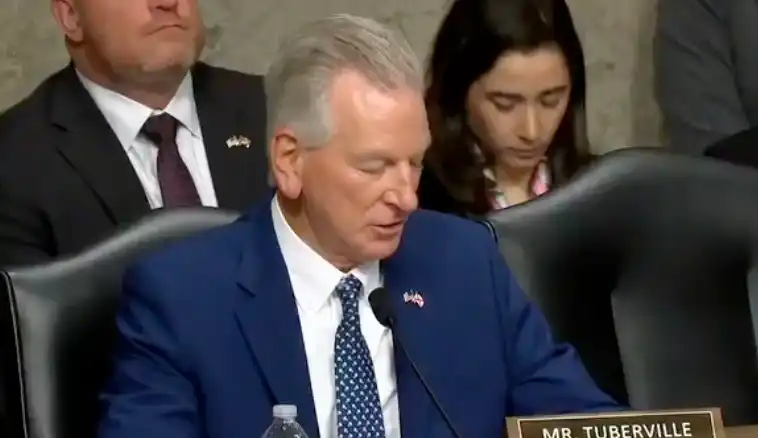
New York-based Nasdaq Exchange has gotten the green light to proceed with its pilot program for trading tokenized securities.

The SEC approval would allow the traditional exchange to test trading of the blockchain-based version of stocks under its Depository Trust Company (DTC) pilot program.

Both traditional stocks and these tokenized variants will trade on the same unified platform. The program will initially target high-volume ETFs and stocks.

This would include the constituents of the Russell 1000 Index (Apple, Microsoft, Nvidia, Amazon, etc.). Additionally, ETFs such as the S&P 500 and the Nasdaq-100 will fall within the early asset scope.

Community reactions

For ETF analyst Nate Geraci, the SEC approval would set the stage for a massive disruption by the tokenization boom.

For him, the writing is on the wall: the top regulator, the SEC, major exchanges (Nasdaq, NYSE), and the world’s largest asset managers (BlackRock and Fidelity) are all in on tokenization.

He added,

Tokenization will be as disruptive to asset management as ETFs were to mutual funds...Will basically be adapt or die a slow death.

Nasdaq initially sought SEC approval for tokenized stocks in September 2025. But its proposal was wholly different from the current tokenized securities on the market, such as xStocks offered by Kraken and Backed Finance.

Unlike most current offerings, including leveraged derivatives that grant holders no legal rights, Nasdaq pushed for its tokenized securities to have rights similar to those of investors holding traditional shares. And the SEC acknowledged this.

A tokenized share of a DTC Eligible Security must be fungible with, share the same CUSIP number and trading symbol with, and afford its shareholders the same rights and privileges as a share of an equivalent class of the traditional security for it to trade on Nasdaq.

Nasdaq’s tokenization plans

That said, the SEC’s green light will accelerate Nasdaq’s recent partnership with Kraken to distribute tokenized securities by xStocks.

This integration may likely be tied to the DTC pilot and eventually accord xStock holders similar legal rights as traditional shareholders.

The end goal? Ensure 24/7 trading and target large offshore users to gain access to the U.S. equity market.

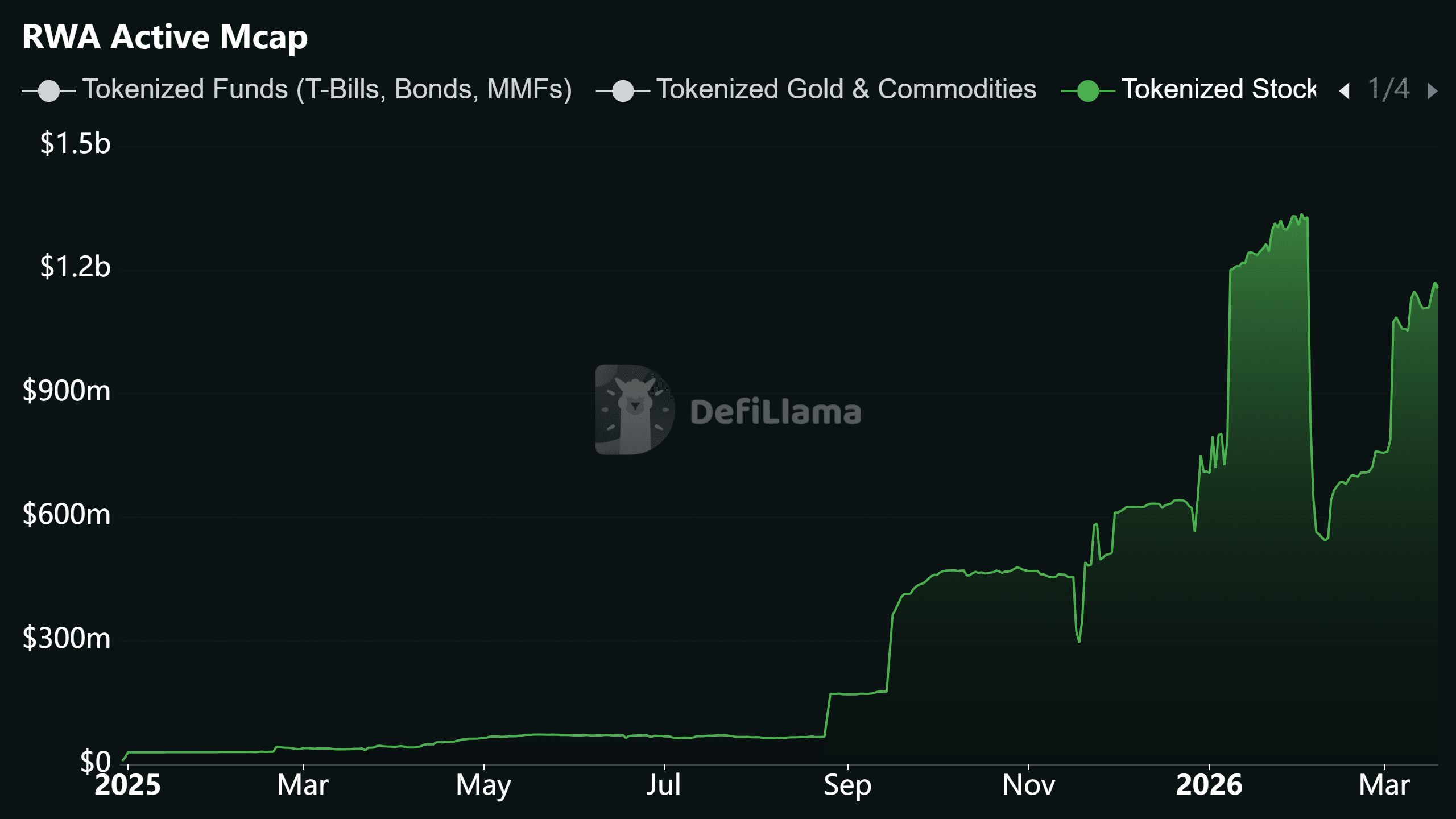
And the appetite for these products is incredible. So far, the tokenized segment has crossed $1B, and over $300 million of the market cap was added in Q1 2026 alone.
Source: DeFiLlama

Final Summary

  • The approval of Nasdaq’s tokenized securities trading is a major unfolding disruption that would force other traditional players to pivot, per an ETF expert.
  • SEC clarified that Nasdaq’s tokenized stocks and ETFs will offer similar rights as traditional securities.

Preguntas relacionadas

QWhat is the significance of the SEC's approval for Nasdaq's pilot program?

AThe SEC's approval allows Nasdaq to proceed with its pilot program for trading tokenized securities, which are blockchain-based versions of stocks. This program will enable both traditional stocks and their tokenized variants to trade on the same unified platform, initially targeting high-volume ETFs and stocks like those in the Russell 1000 Index and major ETFs such as the S&P 500 and Nasdaq-100.

QAccording to ETF analyst Nate Geraci, how disruptive will tokenization be to asset management?

ANate Geraci believes tokenization will be as disruptive to asset management as ETFs were to mutual funds. He stated that it will force traditional players to 'adapt or die a slow death,' indicating a significant transformation in the industry.

QHow do Nasdaq's tokenized securities differ from current offerings like xStocks from Kraken and Backed Finance?

AUnlike current offerings such as leveraged derivatives that grant holders no legal rights, Nasdaq's tokenized securities are designed to have rights similar to those of investors holding traditional shares. The SEC requires that tokenized shares must be fungible, share the same CUSIP number and trading symbol, and afford shareholders the same rights and privileges as traditional securities.

QWhat is the end goal of Nasdaq's tokenization plans, as mentioned in the article?

AThe end goal of Nasdaq's tokenization plans is to ensure 24/7 trading and target large offshore users to gain access to the U.S. equity market. This initiative aims to expand market accessibility and provide continuous trading opportunities.

QWhat is the current market size of the tokenized segment, and how much growth was seen in Q1 2026?

AThe tokenized segment has crossed $1 billion in market size. In Q1 2026 alone, over $300 million in market capitalization was added, indicating significant growth and appetite for these products.

Lecturas Relacionadas

$500 to Buy OpenAI Stock: Silicon Valley's Most Respectable Liquidity Invitation

Silicon Valley's largest venture capital platform, AngelList, has launched a new fund called USVC, allowing U.S. retail investors to buy into high-profile AI companies like OpenAI, Anthropic, and xAI with a minimum investment of $500—no accredited investor status required. Promoted by AngelList co-founder Naval Ravikant, the fund is framed as an opportunity for ordinary people to access high-growth private tech investments traditionally reserved for VCs. However, critics argue it functions more like an exit vehicle for early insiders. USVC acquires shares not through primary rounds but largely via secondary transactions—purchasing stakes from early investors, VC funds, and employees looking to cash out at peak valuations. With companies like xAI heavily weighted in the portfolio, the fund effectively channels retail money into providing liquidity for insiders who entered at much lower valuations. The fund’s structure raises concerns: shares are illiquid, with no secondary market, and buybacks are limited and discretionary. The actual annual fee reaches 3.61%, far above the advertised 1% management fee. This model parallels the "low float, high fully diluted valuation" strategy seen in crypto, where early investors profit by selling to latecomers at inflated prices. The timing—alongside similar moves by platforms like Robinhood—suggests that Silicon Valley’s sudden interest in retail inclusion may be less about democratizing access and more about securing exits for insiders.

marsbitHace 7 min(s)

$500 to Buy OpenAI Stock: Silicon Valley's Most Respectable Liquidity Invitation

marsbitHace 7 min(s)

Trading

Spot
Futuros
活动图片