From Terra's Collapse to the "10 AM Strike": How Did Jane Street Play the Markets Across Two Continents?

Odaily星球日报Publicado a 2026-02-26Actualizado a 2026-02-26

Resumen

The article details serious allegations against Jane Street Group, a major quantitative trading firm, for market manipulation across different continents. It is accused of using insider information to profit from the Terra Luna collapse in May 2022, allegedly triggering its $40 billion crash. Separately, Indian regulators charged Jane Street with a "pump and dump" scheme in derivatives markets, resulting in massive fines and a trading ban. The piece also connects Jane Street to a pattern in Bitcoin trading called the "10 AM hit," where consistent sell pressure occurred at U.S. market open, suppressing BTC prices for months. This pattern abruptly stopped after the Terra lawsuit became public, coinciding with a Bitcoin price surge. As an authorized participant for BlackRock’s Bitcoin ETF (IBIT), Jane Street held significant influence over BTC flows. The article suggests their trading activity—selling BTC while increasing exposure to Bitcoin-proxy stocks—may have manipulated markets. The case highlights structural vulnerabilities in ETF systems that privilege certain players, echoing past manipulation in traditional markets like gold. Bitcoin’s recent rebound may signal reduced manipulative pressure, underscoring the need for trustless systems.

This article is from:@peruvian_bull

Compiled by | Odaily Planet Daily (@OdailyChina); Translator | Ethan (@ethanzhang_web 3)
Editor's Note: Over the past four months, Bitcoin has almost established a fixed rhythm—a clear wave of selling pressure emerges whenever the U.S. stock market opens. It rises during Asian hours, continues its upward trend in Europe, but quickly falls back as soon as New York opens. Traders have dubbed this the "10 AM Strike." This force acts like an invisible structural headwind, repeatedly liquidating leveraged positions, dampening market sentiment, and gradually wearing down investors' patience.

However, when the lawsuit documents against Jane Street were officially made public, this months-long rhythm was suddenly interrupted. Is this merely a coincidence, or a signal of deeper structural changes? How did the entire process unfold? Odaily Planet Daily provides the full compilation below.

——————Separator——————

The most powerful trading firm you've never heard of has just been caught red-handed. Twice, on two different continents. And Bitcoin, it seems, has finally breathed a sigh of relief.

Jane Street Group is a quantitative trading firm headquartered in New York. They don't have a CEO.

According to their own description, they operate like an "anarchic commune." In the first nine months of 2025, they achieved net trading revenue of $24 billion, already surpassing the $20.5 billion for the entirety of 2024. The second quarter of 2025 alone reached $10.1 billion, marking the highest quarterly trading revenue in Wall Street's history.

By any measure, they are one of the most profitable trading institutions globally.

And just this week, the bankruptcy administrator for Terraform Labs filed a lawsuit in Manhattan federal court, accusing Jane Street of using insider information to front-run the collapse of Terra Luna in May 2022. This collapse wiped out $40 billion in market value and triggered a chain reaction that ultimately brought down Celsius, Three Arrows Capital, and FTX.

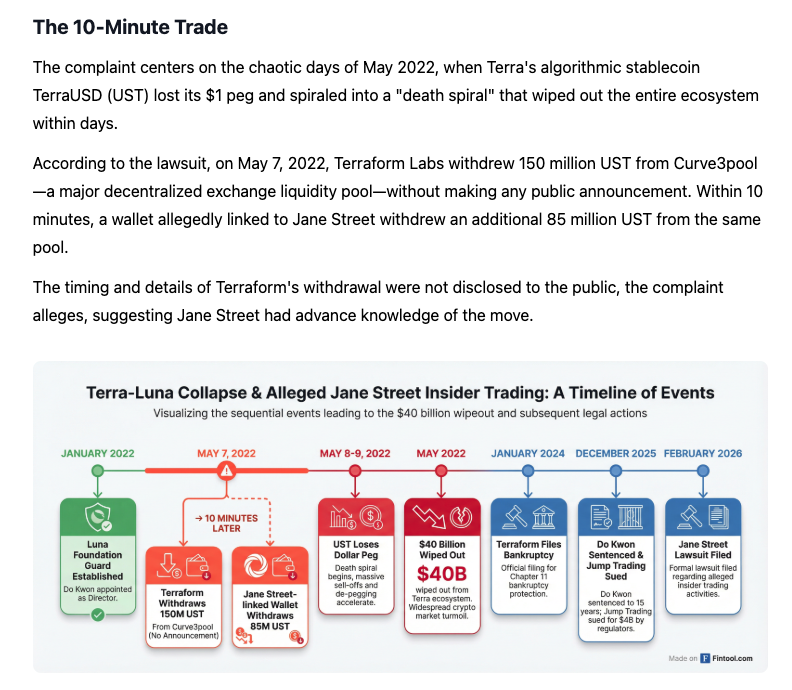
The allegation is stunningly simple. On May 7, 2022, Terraform Labs quietly withdrew $150 million in UST from Curve3pool, a major decentralized liquidity pool. There was no public announcement, just a silent withdrawal of liquidity.

Ten minutes later, a wallet linked to Jane Street withdrew $85 million from the same pool. Just ten minutes later...
The complaint alleges that a former Terraform intern, Bryce Pratt, who became a full-time employee at Jane Street in September 2021, established private communication channels with former colleagues and allegedly passed material non-public information about Terraform's liquidity movements directly to Jane Street's trading team.
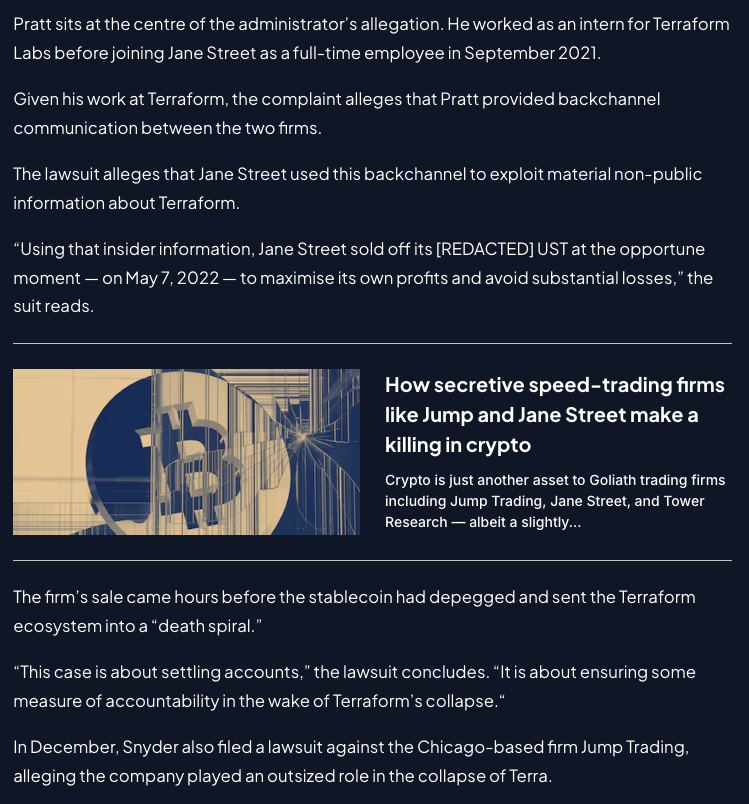
The complaint names four defendants: Jane Street Group LLC, co-founder Robert Granieri, and employees Bryce Pratt and Michael Huang.

The administrator's statement gets straight to the point: the trades Jane Street executed would have been impossible without the exclusive insider information they possessed.

Making matters worse, the complaint alleges that Jane Street's withdrawal helped trigger the de-pegging of UST, plunging the entire Terraform ecosystem into a death spiral. LUNA fell from over $80 to near zero. $40 billion evaporated. Ordinary investors lost everything. Retirement funds, education savings, life savings—wiped out in days.

Jane Street's response? Calling the allegations "desperate and baseless."

But here's the thing: This isn't the first time.

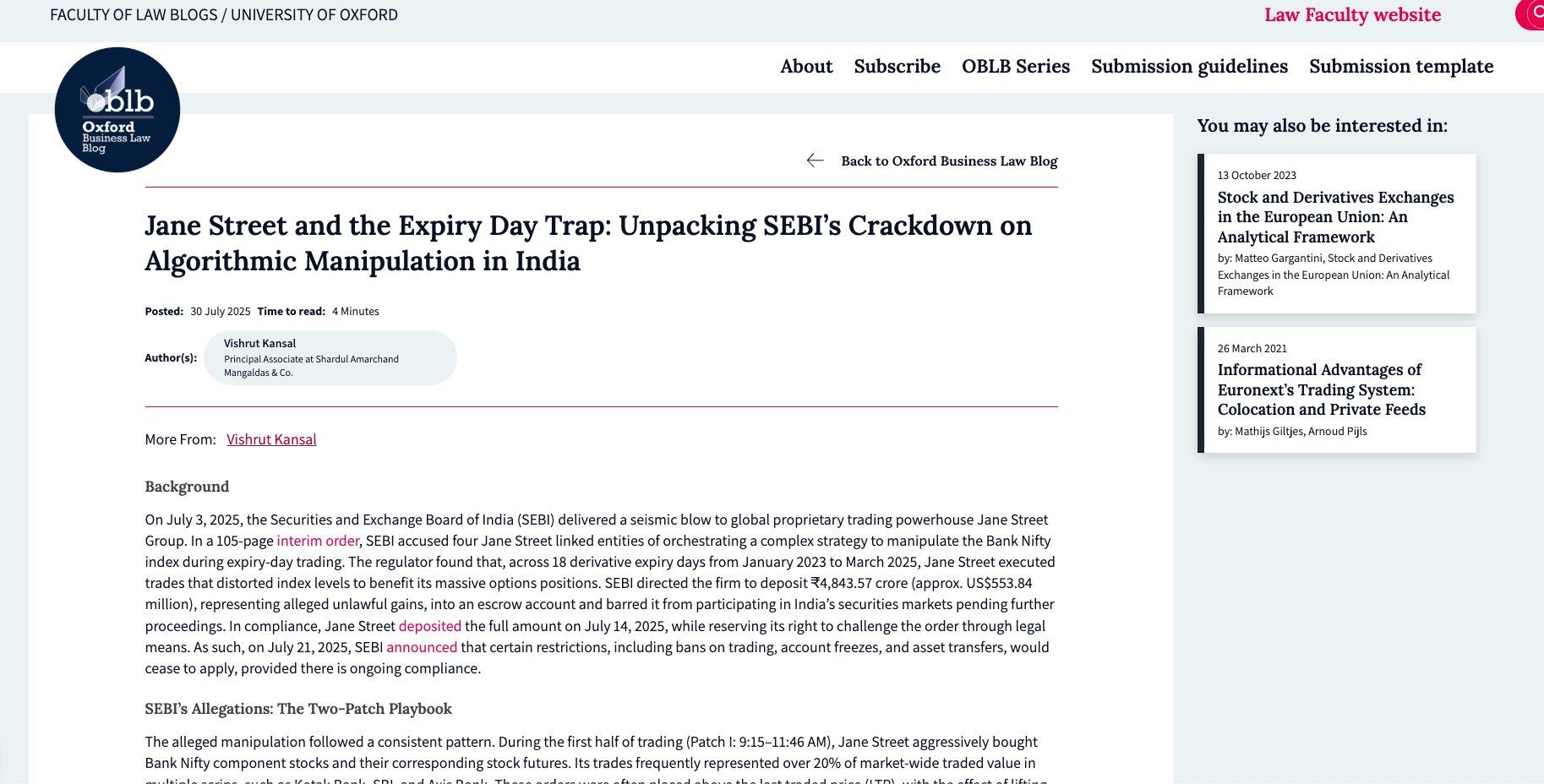
In July 2025, the Securities and Exchange Board of India (SEBI) brought one of the largest market manipulation charges in the country's history against Jane Street. The investigation found that on 18 derivatives expiry days between January 2023 and March 2025, Jane Street executed a textbook pump-and-dump operation on the Bank Nifty index.
The operation was extremely mechanical:

Morning: Jane Street's algorithms aggressively bought component stocks and futures, pushing the index up 1% to 1.3%. On some trading days, SEBI determined that the entire positive move in the index came from Jane Street.

Simultaneously, they built massive short option positions, primarily selling call options and buying put options, at a scale far exceeding their stock holdings. SEBI determined that, on a delta-equivalent basis, the option positions were 7.3 times the size of the spot and futures positions. This wasn't hedging, nor was it arbitrage; it was packaged directional manipulation.

Afternoon: They reversed their operations, selling the stocks bought in the morning. The index fell, and the short options profited. Rinse and repeat every expiry day.

SEBI assessed illegal profits at 484.3 billion rupees, approximately $580 million, and called their actions a "mechanism deliberately designed to manipulate the settlement price." The regulator also noted that Jane Street continued executing this strategy even after the National Stock Exchange issued a clear warning in February 2025.

SEBI's wording was unusually harsh: "Market integrity and the trust of millions of small and medium investors and traders can no longer be held hostage by such non-credible actors."

Jane Street was barred from the Indian securities market, has deposited over $560 million into an escrow account, and has appealed. As of now, the case is still pending before the Securities Appellate Tribunal in India.

Now, back to Bitcoin.

Since November 2025, Bitcoin traders noticed an anomaly. Every day around 10:00 AM Eastern Time, coinciding with the U.S. stock market open, a flood of sell orders hit BTC and related ETF shares. The pattern was unusually consistent: gains during Asian and European hours, selling pressure at the New York open. (Refer to the article: "Is Jane Street Manipulating Bitcoin? Viral Theory Analysis")

The data was hard to ignore. Charts from December 2025 showed that on certain days, BTC would drop from $89,700 to $87,700 in minutes, first liquidating $171 million in leveraged long positions before quickly bouncing back. This pattern occurred on December 1, 5, 8, 10, 12, 15, and repeated throughout January and February 2026.
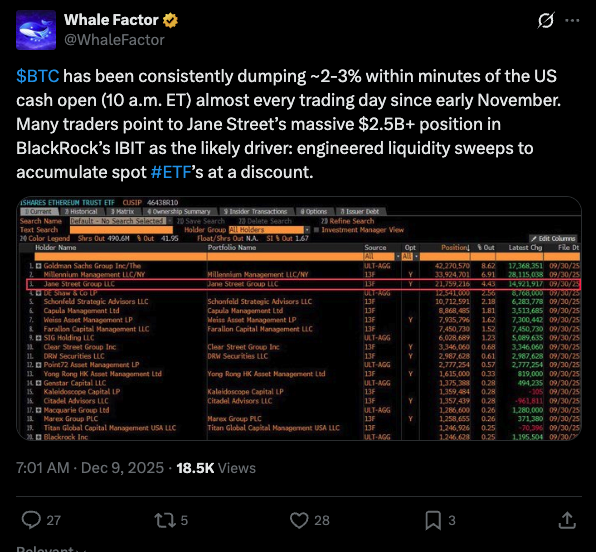
Crypto Twitter gave it a name: the "10 AM Strike."

Fingers were quickly pointed at Jane Street, and not without reason. Jane Street is one of the four Authorized Participants (APs) for BlackRock's IBIT, the world's largest spot Bitcoin ETF. The other three are Virtu Americas, JP Morgan Securities, and Marex. As an AP, Jane Street has special privileges to create and redeem ETF shares, meaning they have direct access to the core pipeline that "puts Bitcoin into an institutional wrapper and takes it out."
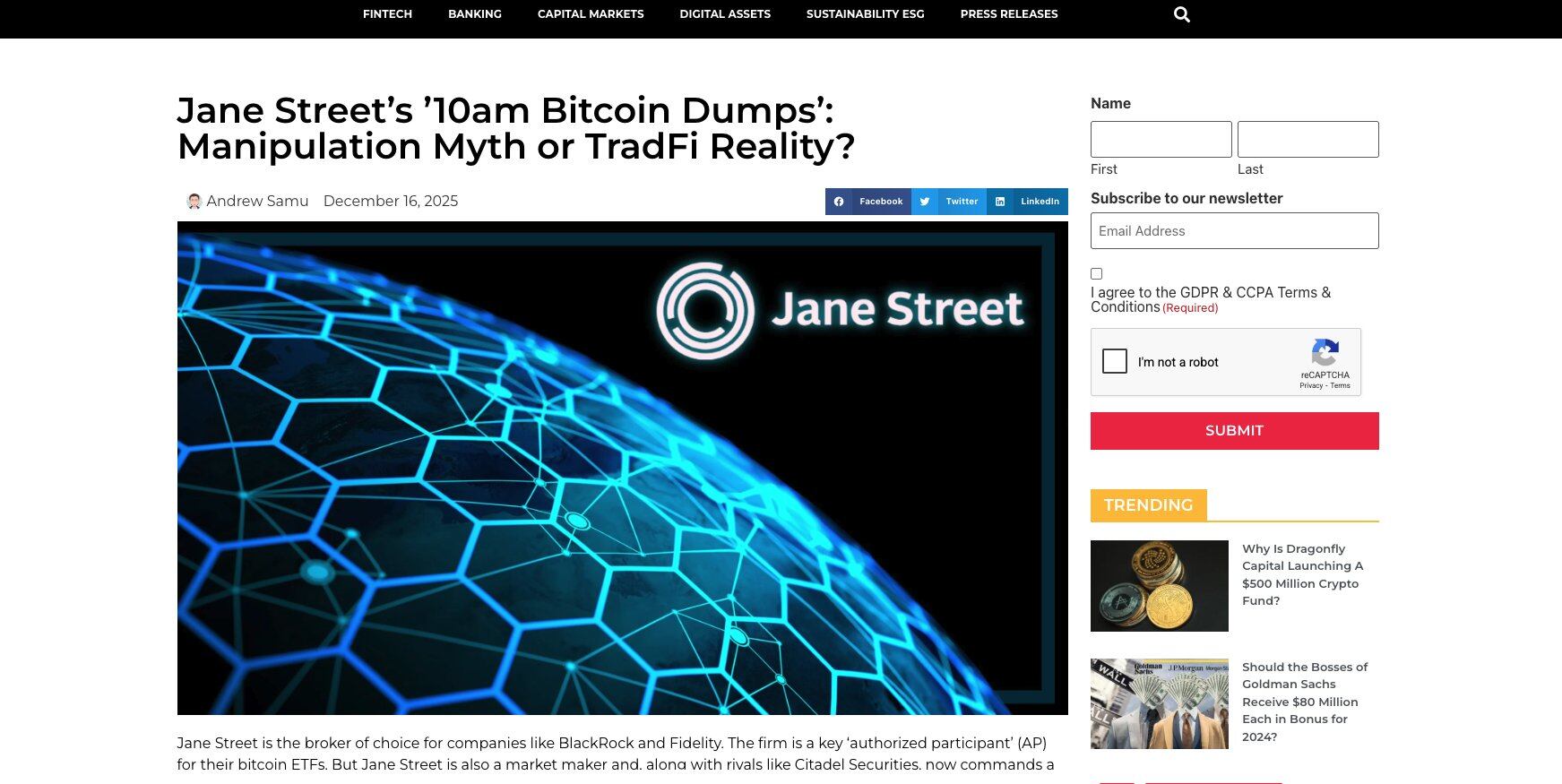
Their 13F disclosures also confirm their massive size. According to Q3 2025 filings, Jane Street held $5.7 billion worth of IBIT shares. They added another $276 million in Q4 2025, bringing their total holdings to over 20 million shares, worth approximately $790 million at year-end prices. Their peak exposure once neared $2.5 billion in IBIT.
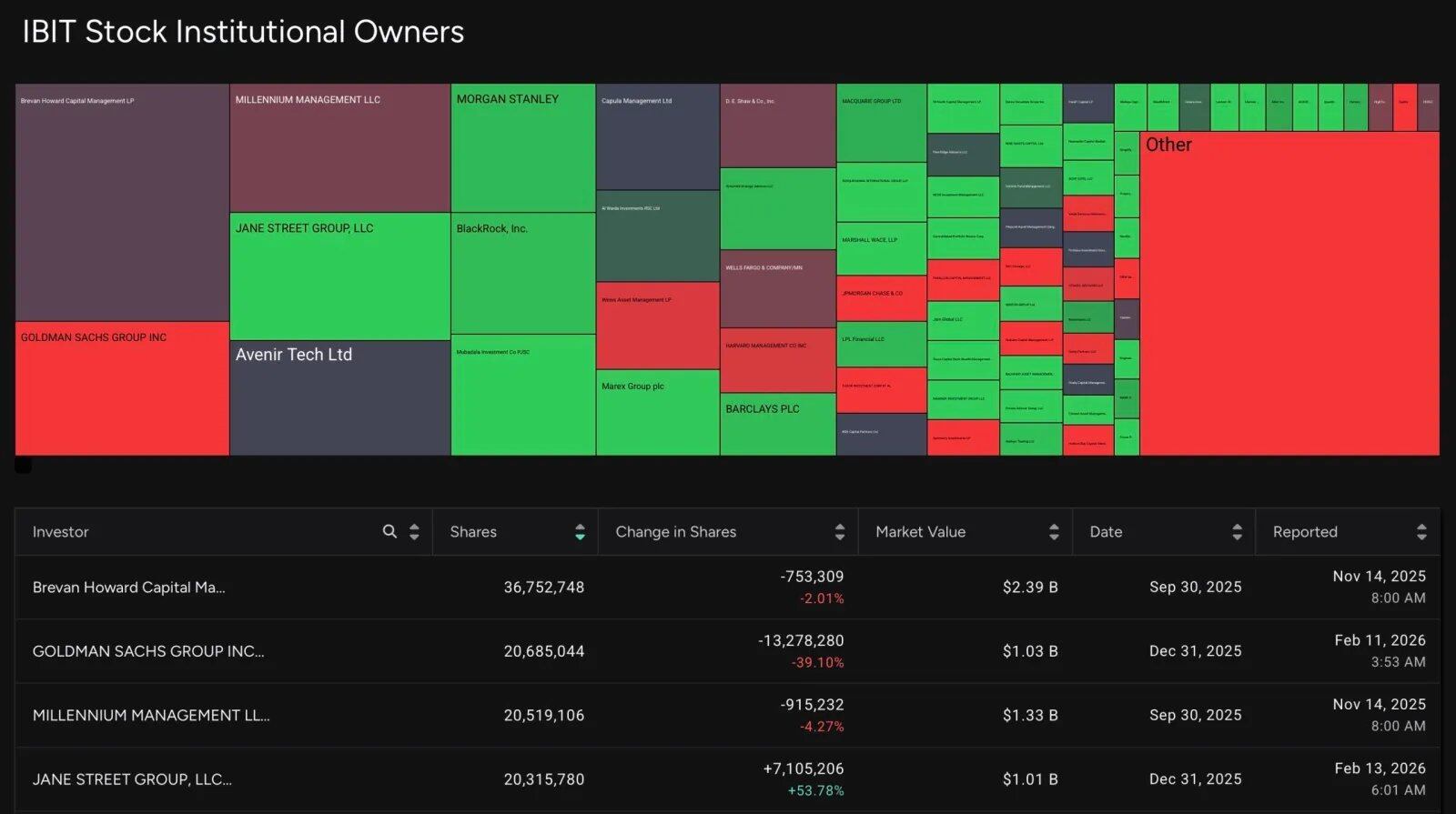
But what really raised eyebrows: Allegedly, while they were dumping BTC on the spot market every morning, they increased their holdings of MSTR (MicroStrategy, now Strategy) by 473% in Q4 2025, accumulating 951,187 shares worth approximately $121 million. During the same period, large institutions like BlackRock and Vanguard were significantly reducing their MSTR holdings by billions of dollars.

You can run through this logic again: Open the market by dumping BTC — drive the price down — liquidate leveraged longs — buy back at lower prices; simultaneously, betting on a rebound by increasing positions in the market's "most leveraged" Bitcoin proxy asset.

Glassnode co-founders Jan Happel and Yann Allemann, through their X account Negentropic, reignited this speculation, linking the algorithmic trading rhythm to the Terraform lawsuit documents. The Milk Road account further amplified the discussion, stating there had been "persistent whispers" in the market pointing to certain institutional desks executing "a very specific, and somewhat shady, playbook."

Then, the lawsuit landed. Something quite extraordinary happened.

After the Terraform lawsuit against Jane Street was filed, the "10 AM Strike"... didn't happen. For the first time in months, Bitcoin didn't sell off at the U.S. market open; instead, it rallied.
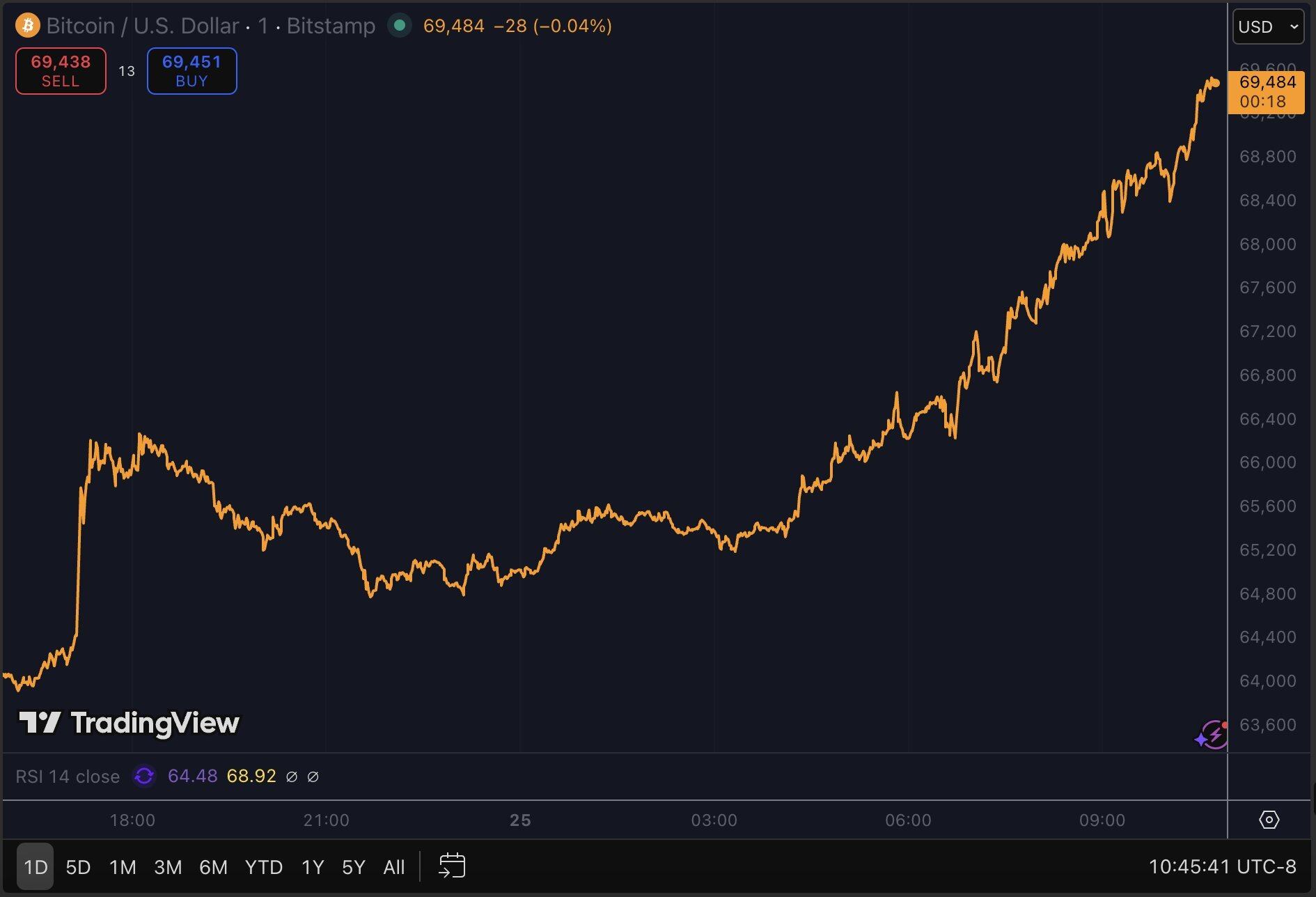
Today, Bitcoin rose over 3%, breaking through multiple resistance levels and returning above $68,000—just days after it nearly fell below $60,000. Over $323 million in short positions were liquidated. The Stochastic RSI hit 100. ETF net inflows for the day reached $257.7 million, the highest since early February.

The pattern was broken.

Of course, I must be cautious. Correlation does not equal causation. There could be many variables: Trump's State of the Union address, oversold technical conditions, short covering. The Fear and Greed Index fell to 11, indicating "Extreme Fear," which is often a contrarian signal. The RSI also fell to 15.80, a reading not seen since the pandemic crash of 2020—which was followed by a 1400% surge. But the timing is still hard to dismiss as mere coincidence.

A theory circulating on X suggests that after the lawsuit, Jane Street was "forced to shut down their trading algorithms." Jane Street told Cointelegraph that these are "baseless, opportunistic claims." Whether they were forced to stop or paused voluntarily due to legal risk, the result is the same: that persistent selling pressure disappeared.

What does this really mean for Bitcoin?

Spot Bitcoin ETFs were originally seen as the "ultimate equalizer": an institutional gateway, a compliant product, backed by BlackRock. And they have been extremely successful—IBIT alone has absorbed over $20 billion since its launch.

But the ETF structure also brought back something Bitcoin was meant to escape: trusted intermediaries with privileged access.

When the SEC approved spot Bitcoin ETFs in January 2024, it required a "cash-only" create and redeem mechanism. Whenever shares needed to be created or redeemed, someone had to buy or sell actual Bitcoin. The institutions with this access—the APs—naturally held a structural advantage over other market participants.

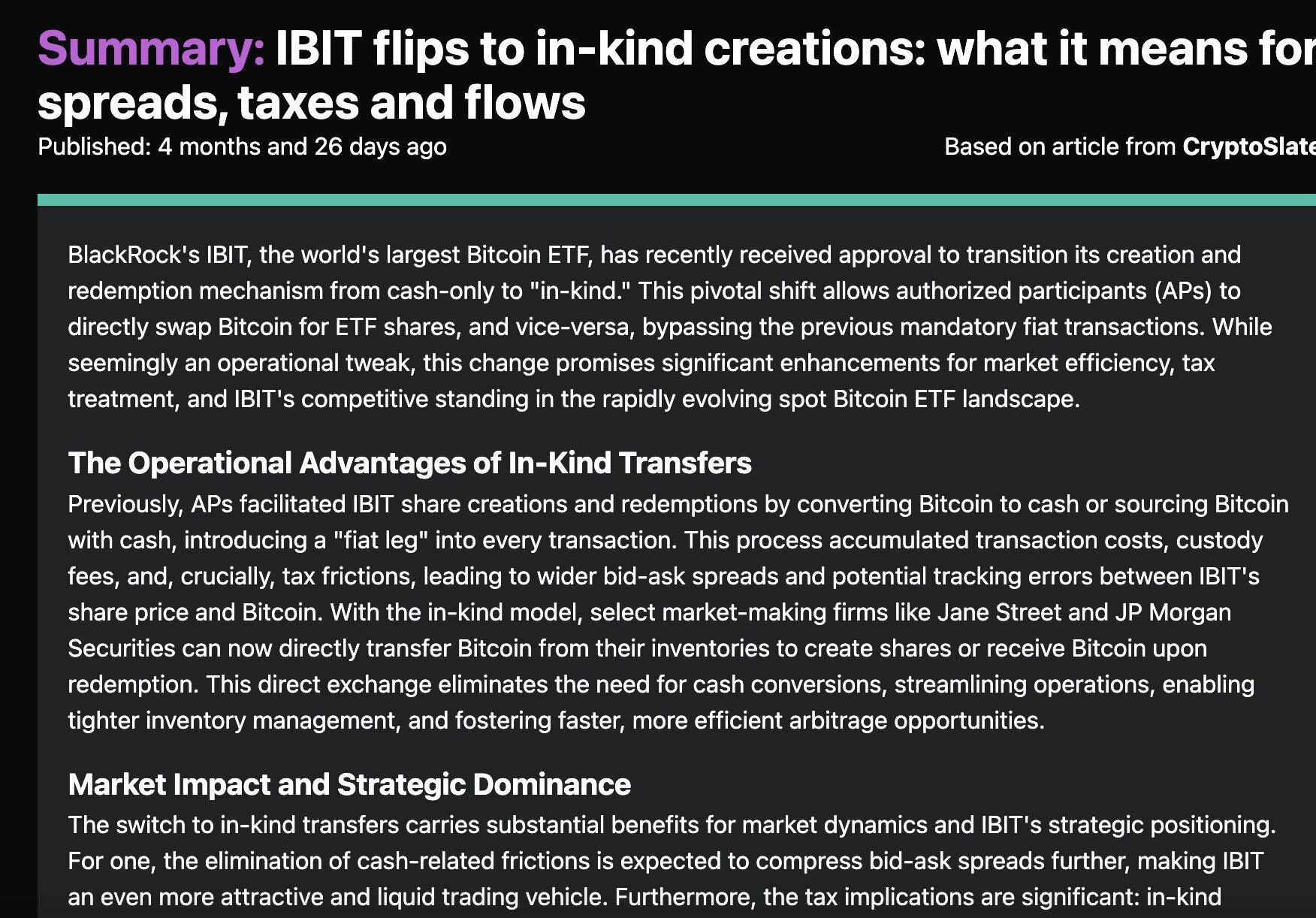
By September 2025, the SEC approved IBIT's use of "in-kind" creation and redemption, meaning APs could directly exchange Bitcoin for ETF shares without going through fiat currency. This gave Jane Street, Virtu, JP Morgan, and Marex more direct control over the flow of Bitcoin in and out of its largest institutional wrapper.
The "10 AM Strike" is essentially a new symptom of an old disease—the same one that has plagued the gold market for decades.

I wrote in "The Gold Endgame Begins": In the paper-for-paper trading game, those closest to the privileged interface can move the price before the rest of the market can react.

JPMorgan traders Gregg Smith and Michael Nowak were convicted of "spoofing" in the precious metals futures market. The scheme lasted 8 years and involved thousands of illegal trades. JPMorgan paid $920 million to settle. Deutsche Bank paid $30 million for similar issues. UBS, HSBC, and six individual traders also faced CFTC anti-spoofing charges.

The same playbook. Just a different asset.

And every time, these institutions package it as "market making," "arbitrage," "hedging"—the euphemisms are endless. The result is always the same: the ordinary get ripped off, the insiders harvest the spread.

So, what's next?

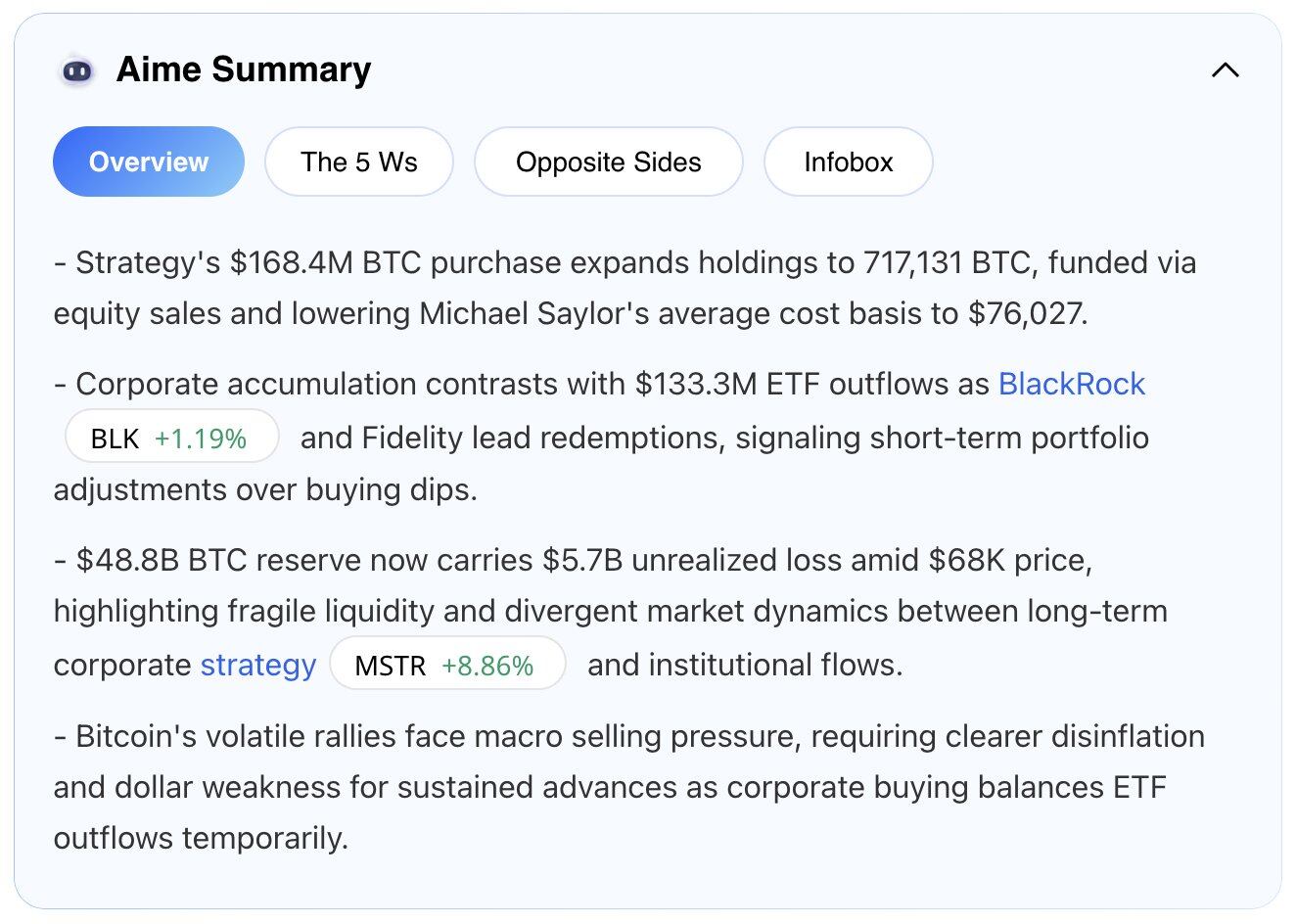
The larger structural picture hasn't changed. $4.5 billion in net ETF outflows in the first 8 weeks of 2026 looks scary. But Strategy (Saylor's company) just bought $39 million worth of BTC, accounting for 99% of all corporate Bitcoin purchases in the same period. The real big players aren't selling; they seem more like they were waiting for the algorithms to finish their work.
Maybe—just maybe—the algorithms have stopped.

If Jane Street, due to legal risks, cross-continental regulatory scrutiny, or self-preservation, is forced to step back from that alleged "daily selling program," then a structural headwind that has been压在 Bitcoin's head for four months has been partially removed.

Bitcoin was born for moments like this: a monetary system that doesn't rely on trusted intermediaries; a system that doesn't need authorized participants; a system that shouldn't be front-run by "private channels of former interns."

But let's not forget how we got here. The very institutions hailed for "market making" and "providing liquidity" are the same ones accused of front-running a collapse, manipulating a national index, and executing daily algorithmic sales of the very asset their ETF tracks.

This is the system Bitcoin was designed to replace.

Preguntas relacionadas

QWhat is Jane Street Group accused of in the Terraform Labs lawsuit?

AJane Street Group is accused of using insider information to front-run the May 2022 collapse of Terra Luna. The lawsuit alleges that a former Terraform intern, who became a Jane Street employee, passed on non-public information about Terraform's liquidity movements, allowing Jane Street to withdraw $85 million from a key liquidity pool just minutes after Terraform did, which allegedly helped trigger the UST depeg and subsequent $40 billion collapse.

QWhat market manipulation scheme was Jane Street accused of by India's SEBI?

AIndia's Securities and Exchange Board (SEBI) accused Jane Street of a large-scale 'pump and dump' operation on the Bank Nifty index. Their algorithm would aggressively buy component stocks and futures in the morning to push the index up 1-1.3%, while simultaneously building a massive short options position. In the afternoon, they would reverse the trades, selling the stocks and profiting from the resulting price drop on their short options. SEBI alleged illegal profits of approximately $580 million over 18 expiration days.

QWhat was the '10 AM Punch' phenomenon in Bitcoin markets, and how is Jane Street linked to it?

AThe '10 AM Punch' was a recurring pattern over four months where Bitcoin would experience significant selling pressure precisely around 10 AM Eastern Time (US market open), after rising during Asian and European hours. This would often liquidate leveraged long positions and suppress prices. Jane Street was linked to this because it is one of the four Authorized Participants (APs) for the iShares Bitcoin Trust (IBIT), giving it privileged access to the ETF's creation/redemption mechanism. Analysts and traders speculated that Jane Street's algorithmic trading was the source of this consistent selling pressure.

QWhat significant change in Bitcoin's price action occurred after the Terraform lawsuit was filed against Jane Street?

AFor the first time in months, the predictable '10 AM Punch' selling pressure did not occur on the day the Terraform lawsuit was filed against Jane Street. Instead of selling off at the US market open, Bitcoin's price rallied over 3%, breaking through key resistance levels and climbing back above $68,000. This break in the established pattern led to speculation that the legal pressure had forced Jane Street to halt its alleged algorithmic selling strategy.

QAccording to the article, how does the structure of Bitcoin ETFs reintroduce a problem that Bitcoin was designed to solve?

AThe article argues that Bitcoin ETFs, while providing institutional access, reintroduce the problem of 'trusted intermediaries' that Bitcoin's decentralized system was designed to eliminate. The 'cash-only' and later 'in-kind' creation/redemption mechanisms give Authorized Participants (APs) like Jane Street a structural advantage and privileged interface to the market. This creates a scenario where these intermediaries, who are closer to the flow of assets, can potentially engage in practices like front-running or manipulation, similar to what has historically plagued traditional markets like gold.

Lecturas Relacionadas

Jack Dorsey's Company Is Laying Off 4,000 White-Collar Workers, Replaced by AI

Jack Dorsey's fintech company Block has announced a major workforce reduction, cutting nearly 40% of its employees—around 4,000 roles—to streamline operations and transition toward a flatter, AI-centric organizational structure. Despite reporting growing revenue and profitability, and even raising its 2026 profit guidance to $12.2 billion, Block is proactively restructuring to adapt to rapid AI-driven changes in productivity. Dorsey emphasized that AI tools are fundamentally reshaping how companies operate, enabling exponential growth without proportional increases in staff. This move reflects a broader trend among tech firms like Salesforce, Amazon, and ASML, which have also cut jobs during growth phases by leveraging AI for efficiency. Notably, Block’s stock surged 20% following the announcement, adding nearly $6 billion in market value—effectively valuing each eliminated role at about $1.5 million in created enterprise value. The layoffs primarily affect white-collar roles, as AI excels at tasks involving information processing—a core function of many knowledge-economy jobs. Affected employees will receive severance including 20 weeks' base pay, additional compensation per year served, a $5,000 transition bonus, and six months of continued health insurance. The situation underscores how AI is disrupting traditional employment faster than expected, shifting focus toward reskilling and adaptation in the automated economy.

Odaily星球日报Hace 57 min(s)

Jack Dorsey's Company Is Laying Off 4,000 White-Collar Workers, Replaced by AI

Odaily星球日报Hace 57 min(s)

Trading

Spot
Futuros

Artículos destacados

Qué es $S$

Entendiendo SPERO: Una Visión General Completa Introducción a SPERO A medida que el panorama de la innovación continúa evolucionando, la aparición de tecnologías web3 y proyectos de criptomonedas juega un papel fundamental en la configuración del futuro digital. Un proyecto que ha atraído la atención en este campo dinámico es SPERO, denotado como SPERO,$$s$. Este artículo tiene como objetivo reunir y presentar información detallada sobre SPERO, para ayudar a entusiastas e inversores a comprender sus fundamentos, objetivos e innovaciones dentro de los dominios web3 y cripto. ¿Qué es SPERO,$$s$? SPERO,$$s$ es un proyecto único dentro del espacio cripto que busca aprovechar los principios de descentralización y tecnología blockchain para crear un ecosistema que promueva la participación, la utilidad y la inclusión financiera. El proyecto está diseñado para facilitar interacciones de igual a igual de nuevas maneras, proporcionando a los usuarios soluciones y servicios financieros innovadores. En su esencia, SPERO,$$s$ tiene como objetivo empoderar a los individuos al proporcionar herramientas y plataformas que mejoren la experiencia del usuario en el espacio de las criptomonedas. Esto incluye habilitar métodos de transacción más flexibles, fomentar iniciativas impulsadas por la comunidad y crear caminos para oportunidades financieras a través de aplicaciones descentralizadas (dApps). La visión subyacente de SPERO,$$s$ gira en torno a la inclusividad, buscando cerrar brechas dentro de las finanzas tradicionales mientras aprovecha los beneficios de la tecnología blockchain. ¿Quién es el Creador de SPERO,$$s$? La identidad del creador de SPERO,$$s$ sigue siendo algo oscura, ya que hay recursos públicos limitados que proporcionan información de fondo detallada sobre su(s) fundador(es). Esta falta de transparencia puede derivarse del compromiso del proyecto con la descentralización, una ética que muchos proyectos web3 comparten, priorizando las contribuciones colectivas sobre el reconocimiento individual. Al centrar las discusiones en torno a la comunidad y sus objetivos colectivos, SPERO,$$s$ encarna la esencia del empoderamiento sin señalar a individuos específicos. Como tal, comprender la ética y la misión de SPERO sigue siendo más importante que identificar a un creador singular. ¿Quiénes son los Inversores de SPERO,$$s$? SPERO,$$s$ cuenta con el apoyo de una diversa gama de inversores que van desde capitalistas de riesgo hasta inversores ángeles dedicados a fomentar la innovación en el sector cripto. El enfoque de estos inversores generalmente se alinea con la misión de SPERO, priorizando proyectos que prometen avances tecnológicos sociales, inclusión financiera y gobernanza descentralizada. Estas fundaciones de inversores suelen estar interesadas en proyectos que no solo ofrecen productos innovadores, sino que también contribuyen positivamente a la comunidad blockchain y sus ecosistemas. El respaldo de estos inversores refuerza a SPERO,$$s$ como un contendiente notable en el dominio de proyectos cripto que evoluciona rápidamente. ¿Cómo Funciona SPERO,$$s$? SPERO,$$s$ emplea un marco multifacético que lo distingue de los proyectos de criptomonedas convencionales. Aquí hay algunas de las características clave que subrayan su singularidad e innovación: Gobernanza Descentralizada: SPERO,$$s$ integra modelos de gobernanza descentralizada, empoderando a los usuarios para participar activamente en los procesos de toma de decisiones sobre el futuro del proyecto. Este enfoque fomenta un sentido de propiedad y responsabilidad entre los miembros de la comunidad. Utilidad del Token: SPERO,$$s$ utiliza su propio token de criptomoneda, diseñado para servir diversas funciones dentro del ecosistema. Estos tokens permiten transacciones, recompensas y la facilitación de servicios ofrecidos en la plataforma, mejorando la participación y la utilidad general. Arquitectura en Capas: La arquitectura técnica de SPERO,$$s$ apoya la modularidad y escalabilidad, permitiendo la integración fluida de características y aplicaciones adicionales a medida que el proyecto evoluciona. Esta adaptabilidad es fundamental para mantener la relevancia en el cambiante paisaje cripto. Participación de la Comunidad: El proyecto enfatiza iniciativas impulsadas por la comunidad, empleando mecanismos que incentivan la colaboración y la retroalimentación. Al nutrir una comunidad sólida, SPERO,$$s$ puede abordar mejor las necesidades de los usuarios y adaptarse a las tendencias del mercado. Enfoque en la Inclusión: Al ofrecer tarifas de transacción bajas e interfaces amigables para el usuario, SPERO,$$s$ busca atraer a una base de usuarios diversa, incluyendo a individuos que anteriormente pueden no haber participado en el espacio cripto. Este compromiso con la inclusión se alinea con su misión general de empoderamiento a través de la accesibilidad. Cronología de SPERO,$$s$ Entender la historia de un proyecto proporciona información crucial sobre su trayectoria de desarrollo y hitos. A continuación se presenta una cronología sugerida que mapea eventos significativos en la evolución de SPERO,$$s$: Fase de Conceptualización e Ideación: Las ideas iniciales que forman la base de SPERO,$$s$ fueron concebidas, alineándose estrechamente con los principios de descentralización y enfoque comunitario dentro de la industria blockchain. Lanzamiento del Whitepaper del Proyecto: Tras la fase conceptual, se lanzó un whitepaper completo que detalla la visión, los objetivos y la infraestructura tecnológica de SPERO,$$s$ para generar interés y retroalimentación de la comunidad. Construcción de Comunidad y Primeras Interacciones: Se realizaron esfuerzos de divulgación activa para construir una comunidad de primeros adoptantes y posibles inversores, facilitando discusiones en torno a los objetivos del proyecto y obteniendo apoyo. Evento de Generación de Tokens: SPERO,$$s$ llevó a cabo un evento de generación de tokens (TGE) para distribuir sus tokens nativos a los primeros seguidores y establecer liquidez inicial dentro del ecosistema. Lanzamiento de la dApp Inicial: La primera aplicación descentralizada (dApp) asociada con SPERO,$$s$ se puso en marcha, permitiendo a los usuarios interactuar con las funcionalidades centrales de la plataforma. Desarrollo Continuo y Alianzas: Actualizaciones y mejoras continuas a las ofertas del proyecto, incluyendo alianzas estratégicas con otros actores en el espacio blockchain, han moldeado a SPERO,$$s$ en un jugador competitivo y en evolución en el mercado cripto. Conclusión SPERO,$$s$ se erige como un testimonio del potencial de web3 y las criptomonedas para revolucionar los sistemas financieros y empoderar a los individuos. Con un compromiso con la gobernanza descentralizada, la participación comunitaria y funcionalidades diseñadas de manera innovadora, allana el camino hacia un paisaje financiero más inclusivo. Como con cualquier inversión en el espacio cripto que evoluciona rápidamente, se anima a los posibles inversores y usuarios a investigar a fondo y participar de manera reflexiva con los desarrollos en curso dentro de SPERO,$$s$. El proyecto muestra el espíritu innovador de la industria cripto, invitando a una mayor exploración de sus innumerables posibilidades. Mientras el viaje de SPERO,$$s$ aún se desarrolla, sus principios fundamentales pueden, de hecho, influir en el futuro de cómo interactuamos con la tecnología, las finanzas y entre nosotros en ecosistemas digitales interconectados.

72 Vistas totalesPublicado en 2024.12.17Actualizado en 2024.12.17

Qué es AGENT S

Agent S: El Futuro de la Interacción Autónoma en Web3 Introducción En el paisaje en constante evolución de Web3 y las criptomonedas, las innovaciones están redefiniendo constantemente cómo los individuos interactúan con las plataformas digitales. Uno de estos proyectos pioneros, Agent S, promete revolucionar la interacción humano-computadora a través de su marco agente abierto. Al allanar el camino para interacciones autónomas, Agent S busca simplificar tareas complejas, ofreciendo aplicaciones transformadoras en inteligencia artificial (IA). Esta exploración detallada profundizará en las complejidades del proyecto, sus características únicas y las implicaciones para el dominio de las criptomonedas. ¿Qué es Agent S? Agent S se presenta como un marco agente abierto innovador, diseñado específicamente para abordar tres desafíos fundamentales en la automatización de tareas informáticas: Adquisición de Conocimiento Específico del Dominio: El marco aprende inteligentemente de diversas fuentes de conocimiento externas y experiencias internas. Este enfoque dual le permite construir un rico repositorio de conocimiento específico del dominio, mejorando su rendimiento en la ejecución de tareas. Planificación a Largo Plazo de Tareas: Agent S emplea planificación jerárquica aumentada por la experiencia, un enfoque estratégico que facilita la descomposición y ejecución eficiente de tareas complejas. Esta característica mejora significativamente su capacidad para gestionar múltiples subtareas de manera eficiente y efectiva. Manejo de Interfaces Dinámicas y No Uniformes: El proyecto introduce la Interfaz Agente-Computadora (ACI), una solución innovadora que mejora la interacción entre agentes y usuarios. Utilizando Modelos de Lenguaje Multimodal de Gran Escala (MLLMs), Agent S puede navegar y manipular diversas interfaces gráficas de usuario sin problemas. A través de estas características pioneras, Agent S proporciona un marco robusto que aborda las complejidades involucradas en la automatización de la interacción humana con las máquinas, preparando el terreno para una multitud de aplicaciones en IA y más allá. ¿Quién es el Creador de Agent S? Si bien el concepto de Agent S es fundamentalmente innovador, la información específica sobre su creador sigue siendo elusiva. El creador es actualmente desconocido, lo que resalta ya sea la etapa incipiente del proyecto o la elección estratégica de mantener a los miembros fundadores en el anonimato. Independientemente de la anonimidad, el enfoque sigue siendo en las capacidades y el potencial del marco. ¿Quiénes son los Inversores de Agent S? Dado que Agent S es relativamente nuevo en el ecosistema criptográfico, la información detallada sobre sus inversores y patrocinadores financieros no está documentada explícitamente. La falta de información disponible públicamente sobre las bases de inversión u organizaciones que apoyan el proyecto plantea preguntas sobre su estructura de financiamiento y hoja de ruta de desarrollo. Comprender el respaldo es crucial para evaluar la sostenibilidad del proyecto y su posible impacto en el mercado. ¿Cómo Funciona Agent S? En el núcleo de Agent S se encuentra una tecnología de vanguardia que le permite funcionar de manera efectiva en diversos entornos. Su modelo operativo se basa en varias características clave: Interacción Humano-Computadora Similar a la Humana: El marco ofrece planificación avanzada de IA, esforzándose por hacer que las interacciones con las computadoras sean más intuitivas. Al imitar el comportamiento humano en la ejecución de tareas, promete elevar las experiencias de los usuarios. Memoria Narrativa: Empleada para aprovechar experiencias de alto nivel, Agent S utiliza memoria narrativa para hacer un seguimiento de las historias de tareas, mejorando así sus procesos de toma de decisiones. Memoria Episódica: Esta característica proporciona a los usuarios una guía paso a paso, permitiendo que el marco ofrezca apoyo contextual a medida que se desarrollan las tareas. Soporte para OpenACI: Con la capacidad de ejecutarse localmente, Agent S permite a los usuarios mantener el control sobre sus interacciones y flujos de trabajo, alineándose con la ética descentralizada de Web3. Fácil Integración con APIs Externas: Su versatilidad y compatibilidad con varias plataformas de IA aseguran que Agent S pueda encajar sin problemas en ecosistemas tecnológicos existentes, convirtiéndolo en una opción atractiva para desarrolladores y organizaciones. Estas funcionalidades contribuyen colectivamente a la posición única de Agent S dentro del espacio cripto, ya que automatiza tareas complejas y de múltiples pasos con una intervención humana mínima. A medida que el proyecto evoluciona, sus posibles aplicaciones en Web3 podrían redefinir cómo se desarrollan las interacciones digitales. Cronología de Agent S El desarrollo y los hitos de Agent S pueden encapsularse en una cronología que resalta sus eventos significativos: 27 de septiembre de 2024: El concepto de Agent S fue lanzado en un documento de investigación integral titulado “Un Marco Agente Abierto que Usa Computadoras Como un Humano”, mostrando las bases del proyecto. 10 de octubre de 2024: El documento de investigación fue puesto a disposición del público en arXiv, ofreciendo una exploración profunda del marco y su evaluación de rendimiento basada en el benchmark OSWorld. 12 de octubre de 2024: Se lanzó una presentación en video, proporcionando una visión visual de las capacidades y características de Agent S, involucrando aún más a posibles usuarios e inversores. Estos marcadores en la cronología no solo ilustran el progreso de Agent S, sino que también indican su compromiso con la transparencia y la participación comunitaria. Puntos Clave Sobre Agent S A medida que el marco Agent S continúa evolucionando, varios atributos clave destacan, subrayando su naturaleza innovadora y potencial: Marco Innovador: Diseñado para proporcionar un uso intuitivo de las computadoras similar a la interacción humana, Agent S aporta un enfoque novedoso a la automatización de tareas. Interacción Autónoma: La capacidad de interactuar de manera autónoma con las computadoras a través de GUI significa un salto hacia soluciones informáticas más inteligentes y eficientes. Automatización de Tareas Complejas: Con su metodología robusta, puede automatizar tareas complejas y de múltiples pasos, haciendo que los procesos sean más rápidos y menos propensos a errores. Mejora Continua: Los mecanismos de aprendizaje permiten a Agent S mejorar a partir de experiencias pasadas, mejorando continuamente su rendimiento y eficacia. Versatilidad: Su adaptabilidad en diferentes entornos operativos como OSWorld y WindowsAgentArena asegura que pueda servir a una amplia gama de aplicaciones. A medida que Agent S se posiciona en el paisaje de Web3 y criptomonedas, su potencial para mejorar las capacidades de interacción y automatizar procesos significa un avance significativo en las tecnologías de IA. A través de su marco innovador, Agent S ejemplifica el futuro de las interacciones digitales, prometiendo una experiencia más fluida y eficiente para los usuarios en diversas industrias. Conclusión Agent S representa un audaz avance en la unión de la IA y Web3, con la capacidad de redefinir cómo interactuamos con la tecnología. Aunque aún se encuentra en sus primeras etapas, las posibilidades para su aplicación son vastas y atractivas. A través de su marco integral que aborda desafíos críticos, Agent S busca llevar las interacciones autónomas al primer plano de la experiencia digital. A medida que nos adentramos más en los reinos de las criptomonedas y la descentralización, proyectos como Agent S sin duda desempeñarán un papel crucial en la configuración del futuro de la tecnología y la colaboración humano-computadora.

217 Vistas totalesPublicado en 2025.01.14Actualizado en 2025.01.14

Cómo comprar S

¡Bienvenido a HTX.com! Hemos hecho que comprar Sonic (S) sea simple y conveniente. Sigue nuestra guía paso a paso para iniciar tu viaje de criptos.Paso 1: crea tu cuenta HTXUtiliza tu correo electrónico o número de teléfono para registrarte y obtener una cuenta gratuita en HTX. Experimenta un proceso de registro sin complicaciones y desbloquea todas las funciones.Obtener mi cuentaPaso 2: ve a Comprar cripto y elige tu método de pagoTarjeta de crédito/débito: usa tu Visa o Mastercard para comprar Sonic (S) al instante.Saldo: utiliza fondos del saldo de tu cuenta HTX para tradear sin problemas.Terceros: hemos agregado métodos de pago populares como Google Pay y Apple Pay para mejorar la comodidad.P2P: tradear directamente con otros usuarios en HTX.Over-the-Counter (OTC): ofrecemos servicios personalizados y tipos de cambio competitivos para los traders.Paso 3: guarda tu Sonic (S)Después de comprar tu Sonic (S), guárdalo en tu cuenta HTX. Alternativamente, puedes enviarlo a otro lugar mediante transferencia blockchain o utilizarlo para tradear otras criptomonedas.Paso 4: tradear Sonic (S)Tradear fácilmente con Sonic (S) en HTX's mercado spot. Simplemente accede a tu cuenta, selecciona tu par de trading, ejecuta tus trades y monitorea en tiempo real. Ofrecemos una experiencia fácil de usar tanto para principiantes como para traders experimentados.

275 Vistas totalesPublicado en 2025.01.15Actualizado en 2025.03.21

Discusiones

Bienvenido a la comunidad de HTX. Aquí puedes mantenerte informado sobre los últimos desarrollos de la plataforma y acceder a análisis profesionales del mercado. A continuación se presentan las opiniones de los usuarios sobre el precio de S (S).

活动图片