Solana Holds Support Even As Layer-1 Flows Turn Uneven

bitcoinistPublicado a 2026-07-18Actualizado a 2026-07-18

Resumen

Solana is holding near a key support level despite uneven capital flows across major layer-one (L1) blockchains. The network maintains a strong usage narrative with high user and developer activity, DeFi engagement, and consumer applications. However, as a high-beta asset, SOL is sensitive to broader market sentiment and can face pressure during risk-off periods. The current price action is a test of whether traders are willing to defend SOL when liquidity becomes more selective. A hold of support with solid volume could indicate healthy consolidation, while a break lower may signal capital rotating away from L1 risk. Solana's value proposition is tied to its low-cost, high-speed performance, making network metrics like priority fees and congestion relevant for gauging underlying ecosystem health. While Solana remains a major L1 contender, the overall market has become more discerning, comparing chains on usage, fees, and development. The token's near-term direction may depend on both its ability to defend support and the stability of broader market leaders like Bitcoin and Ethereum. The next key signal will be whether this support zone forms a sustainable base.

Solana is holding near support while capital flows across major layer-1 assets remain uneven, leaving traders to decide whether SOL is stabilising or simply pausing before another test lower.

The setup is a familiar one for Solana. The network continues to have a strong activity story, with users, developers, DeFi activity, and consumer-facing applications keeping it near the centre of the altcoin conversation. But SOL also trades like a high-beta asset. When the broader market turns cautious, Solana can come under pressure quickly.

That makes the current support area important.

The market is not only asking whether Solana is a strong ecosystem. It is asking whether traders are still willing to defend the token when liquidity becomes more selective.

TL;DR

  • Solana is holding near support as layer-1 flows remain uneven.
  • The network’s activity story remains intact, but risk-off pressure is weighing on SOL.
  • Traders are watching whether support holds with enough volume to suggest real demand.

Solana’s Strength Is Still Usage

Solana’s strongest argument is that people use it.

The network has become a home for high-volume applications, retail-friendly trading, meme-token activity, DeFi experiments, and low-cost transactions. That gives Solana a clearer usage story than many layer-1 competitors that rely mostly on roadmap promises.

But usage does not make price immune to market cycles.

When liquidity is strong, Solana can outperform because traders view it as one of the highest-quality higher-beta assets in crypto. When liquidity weakens, the same profile can work against it. Investors may reduce exposure to SOL faster than they reduce exposure to Bitcoin or Ethereum.

That is why support matters now.

If SOL holds while activity remains solid, bulls can argue that the market is absorbing a normal pullback. If support breaks, traders may start questioning whether capital is rotating away from layer-1 risk.

Priority Fees And Congestion Still Matter

Validator priority fees and congestion are part of the Solana story. That is a useful angle because it connects price to network function rather than treating SOL only as a chart.

Solana’s low-cost, high-speed design is one of its biggest selling points. But it also means the network is judged heavily on performance. When activity surges, users and developers watch whether fees stay manageable, whether transactions land reliably, and whether the chain can handle demand without degrading.

Priority fees are part of that conversation.

They can show how users compete for blockspace during busy periods. They can also help explain whether network demand is healthy, speculative, or cooling. If fees are rising because activity is strong, that may support the ecosystem narrative. If fees are falling because activity is slowing, traders may read it differently.

The context matters.

For SOL price, network metrics are not a direct trading signal, but they help explain whether the ecosystem is still generating the activity that underpins the long-term case.

Layer-1 Rotation Is Becoming More Selective

The wider layer-1 market is no longer in a phase where every chain rallies simply because crypto sentiment improves.

Capital has become more selective. Investors compare usage, fees, developer activity, liquidity, institutional interest, and the strength of each ecosystem’s narrative. Solana remains one of the major names in that competition, but it still has to keep proving its position.

That is why the current consolidation is important.

A strong defence of support would tell traders that buyers still view SOL as one of the better altcoin exposures. A weak defence would suggest capital is waiting for a lower entry or rotating elsewhere.

The broader market backdrop also matters. If Bitcoin stabilises and Ethereum finds support, Solana has a better chance of recovering. If majors remain under pressure, SOL may struggle even if its own network data remains respectable.

For now, Solana is not showing a collapse in confidence. It is showing a market that has become more careful.

That may be healthy if leverage is clearing and long-term buyers remain active. It becomes more concerning if support breaks and ecosystem metrics soften at the same time.

The next signal will come from whether SOL can turn this support zone into a base rather than a temporary pause.

This article is based on information from Solana Foundation ecosystem materials.

This article was written by the News Desk and edited by Samuel Rae.

Criptos en tendencia

Preguntas relacionadas

QDespite uneven capital flows across major layer-1 assets, what is Solana (SOL) currently doing with its price level?

ASolana is holding near a key support level, with traders watching to see if it is stabilizing or pausing before a potential move lower.

QWhat is described as Solana's strongest argument that gives it a clearer story than many L1 competitors?

ASolana's strongest argument is that people use it, as it has become a home for high-volume applications, retail-friendly trading, meme-token activity, DeFi experiments, and low-cost transactions.

QAccording to the article, why can Solana's profile work against it when market liquidity weakens?

AAs a high-beta asset, investors may reduce their exposure to SOL faster than they reduce exposure to Bitcoin or Ethereum when liquidity weakens and market sentiment turns cautious.

QWhat two specific network performance factors are mentioned as part of the Solana price story, connecting it to network function?

AValidator priority fees and network congestion are mentioned, as they show how users compete for blockspace and indicate whether network demand is healthy, speculative, or cooling.

QWhat does the article suggest a strong defense of the current SOL support level would indicate to traders?

AA strong defense of support would indicate that buyers still view SOL as one of the better altcoin exposures. Conversely, a weak defense would suggest capital is waiting for a lower entry or rotating to other assets.

Lecturas Relacionadas

From the "National Fortune ETF" to "Bloody July": How to Defuse South Korea's Stock Market Leverage Crisis?

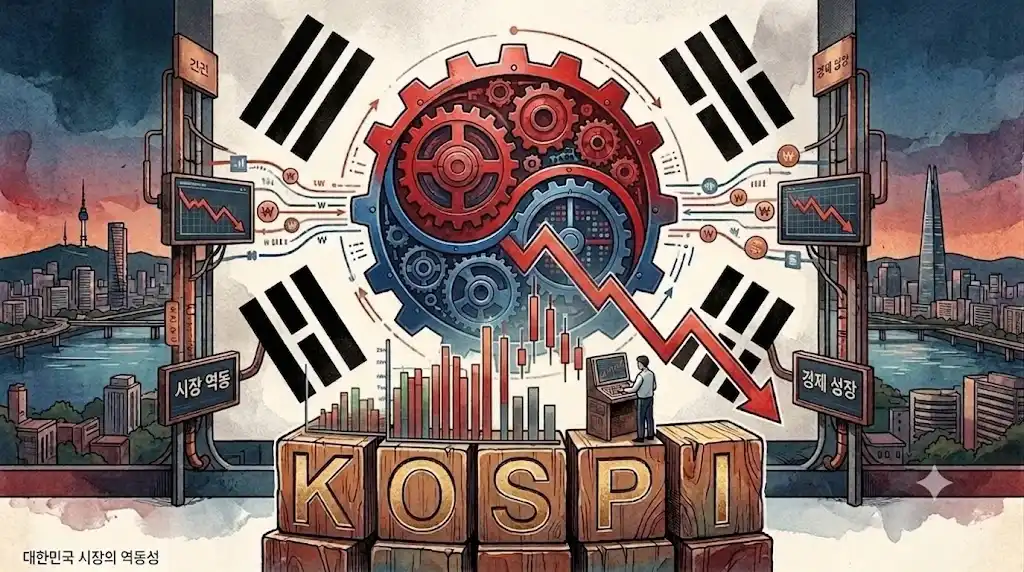
From "National Destiny ETF" to "Bloody July": How South Korea's Stock Market Leverage Crisis Unfolded In mid-July, South Korea's stock market experienced an epic "deleveraging" storm. Leveraged ETFs tied to semiconductor giants like Samsung and SK Hynix, once marketed as a shortcut to wealth, turned into financial shredders as market sentiment reversed. Over nine trading days, losses in popular leveraged ETFs exceeded 59.5 billion USD, with retail investors bearing 60% of the impact. Data shows散户 investors suffered losses of around 1.45 billion USD in a month. A severe wave of margin calls affected over 1.2 million accounts, leading to the complete liquidation of 460,000 accounts, 62% of which belonged to investors in their 20s and 30s. The crisis peaked around July 13th, with SK Hynix plunging over 15% and related 2x leveraged ETFs crashing 30%. The daily rebalancing mechanism within leveraged ETFs amplified the sell-off into a stampede. The situation was worsened by a credit crunch, as major banks neared their annual household lending caps, leaving散户 unable to borrow funds to meet margin calls. An unexpected 25-basis-point rate hike by the Bank of Korea on July 16th further intensified the panic. Facing mounting political pressure, President李在明 intervened. Financial authorities quickly announced seven stringent measures, including banning new sales of single-stock leveraged ETFs, raising investment thresholds, and strengthening risk warnings. The regulatory approach focused not on forcibly liquidating existing products but on restricting new inflows, aiming for a gradual market cool-down. However, risks persist, with over 235.5 billion USD in margin loan balances still outstanding in the market. The crisis served as a stark reminder of the dangers of excessive leverage, especially for retail investors, when speculative bubbles built on easy credit and complex products inevitably burst.

marsbitHace 42 min(s)

From the "National Fortune ETF" to "Bloody July": How to Defuse South Korea's Stock Market Leverage Crisis?

marsbitHace 42 min(s)

Trading

Spot

Artículos destacados

Cómo comprar LAYER

¡Bienvenido a HTX.com! Hemos hecho que comprar Solayer (LAYER) sea simple y conveniente. Sigue nuestra guía paso a paso para iniciar tu viaje de criptos.Paso 1: crea tu cuenta HTXUtiliza tu correo electrónico o número de teléfono para registrarte y obtener una cuenta gratuita en HTX. Experimenta un proceso de registro sin complicaciones y desbloquea todas las funciones.Obtener mi cuentaPaso 2: ve a Comprar cripto y elige tu método de pagoTarjeta de crédito/débito: usa tu Visa o Mastercard para comprar Solayer (LAYER) al instante.Saldo: utiliza fondos del saldo de tu cuenta HTX para tradear sin problemas.Terceros: hemos agregado métodos de pago populares como Google Pay y Apple Pay para mejorar la comodidad.P2P: tradear directamente con otros usuarios en HTX.Over-the-Counter (OTC): ofrecemos servicios personalizados y tipos de cambio competitivos para los traders.Paso 3: guarda tu Solayer (LAYER)Después de comprar tu Solayer (LAYER), guárdalo en tu cuenta HTX. Alternativamente, puedes enviarlo a otro lugar mediante transferencia blockchain o utilizarlo para tradear otras criptomonedas.Paso 4: tradear Solayer (LAYER)Tradear fácilmente con Solayer (LAYER) en HTX's mercado spot. Simplemente accede a tu cuenta, selecciona tu par de trading, ejecuta tus trades y monitorea en tiempo real. Ofrecemos una experiencia fácil de usar tanto para principiantes como para traders experimentados.

339 Vistas totalesPublicado en 2025.02.11Actualizado en 2026.06.02

Cómo comprar LAYER

Discusiones

Bienvenido a la comunidad de HTX. Aquí puedes mantenerte informado sobre los últimos desarrollos de la plataforma y acceder a análisis profesionales del mercado. A continuación se presentan las opiniones de los usuarios sobre el precio de LAYER (LAYER).

活动图片