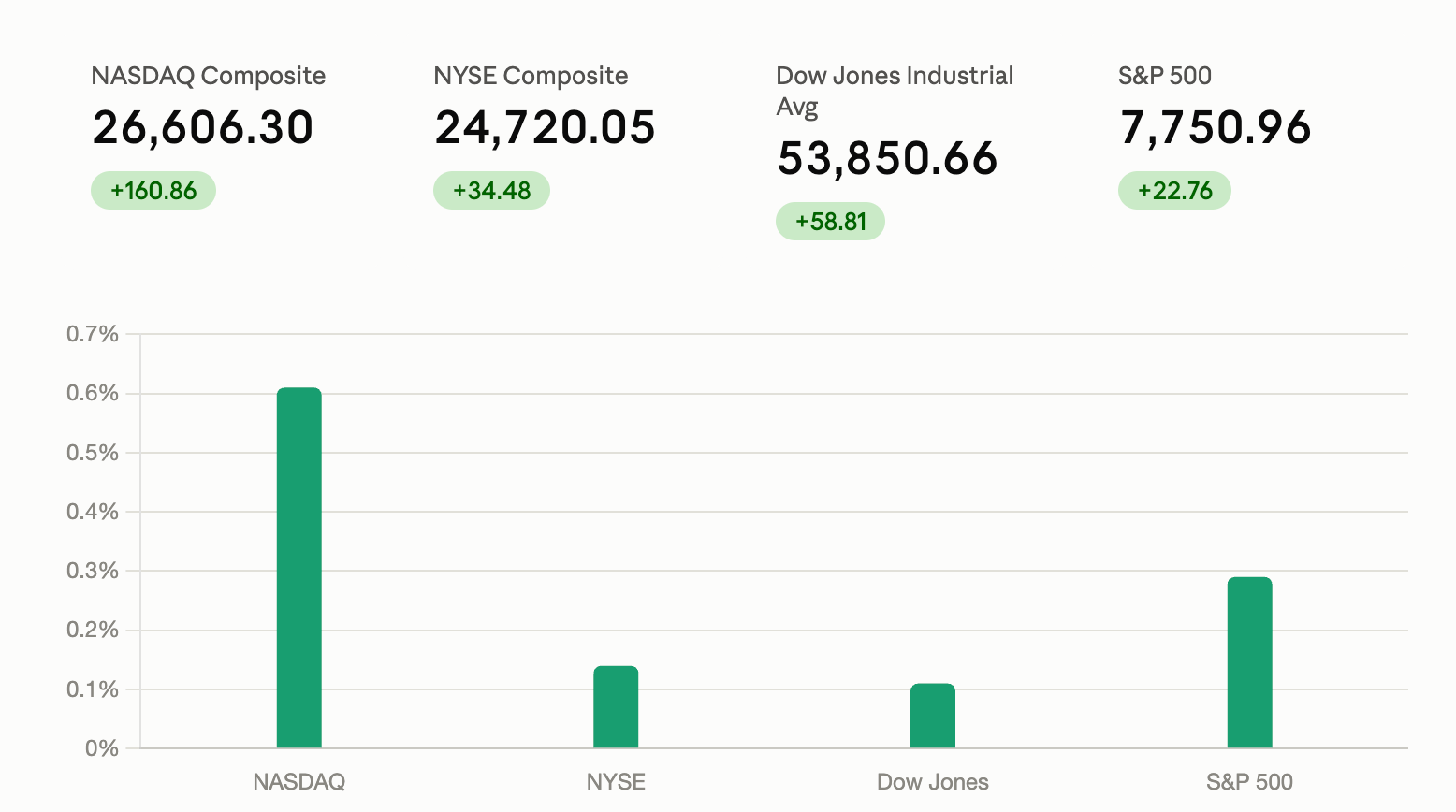
On August 12, the Bureau of Labor Statistics reported that the U.S. Consumer Price Index (CPI) rose 0.1% in July on a seasonally adjusted basis. This figure fully met expectations and brought the annual inflation rate down to 3.4% from 3.5% in June. The core CPI, excluding volatile food and energy prices, rose 0.2% for the month and 2.5% over the previous year. U.S. stocks immediately rose in pre-market trading on the news.
Inflation Retreats from Spring Peak
The latest data continues the downward trend that began in May, when annual inflation reached 4.2% amid an energy shock. The figure fell to 3.5% in June and continued to decline in July, providing policymakers with two consecutive more moderate readings after several months of renewed price pressures.
The housing sector remains one of the most challenging issues in the fight against inflation. Housing prices rose 0.1% in July and accounted for approximately two-thirds of the monthly increase in the overall CPI. Rent and owners' equivalent rent, which estimates what property owners would pay to rent their properties, rose 0.3%.
Food prices rose 0.1%, with prices for food away from home (restaurants and other food services) rising 0.3%. Prices for food at home (groceries) declined 0.1%. The energy situation was the opposite: energy prices fell 1.5% in July as gasoline prices fell 2.9% on a seasonally adjusted basis.
A Sharp 24.6% Jump in Gasoline Prices Continues to Fuel Inflation
This brief respite hardly means energy troubles are over. Energy prices remained 14.7% higher than a year ago, and gasoline prices are up 24.6%. These figures reflect the aftereffects of the previous oil price shock linked to Middle East tensions and supply disruptions in the first half of 2026. At the time of writing, Brent crude oil is at $91 per barrel and West Texas Intermediate (WTI) crude is at $83.
A clearer signal came from core inflation. Its annual rate of 2.5% is among the lowest readings since early 2021, although prices in several service categories continued to rise. In July, medical care service prices rose 0.4%, airfares rose 2.2%, prices for used cars and trucks rose 0.4%, and new vehicle prices rose 0.1%.
The Fed Gets a Reprieve, But Victory Is Still Far Off
For the Federal Reserve, the latest CPI report provides breathing room rather than forcing an immediate shift in monetary policy. At the end of July, the central bank kept the target range for the federal funds rate at 3.50–3.75%, although three members of the monetary policy committee dissented, effectively advocating for rate hikes. Officials have made it clear that several months of more moderate readings will be needed before it can be stated that inflation is confidently returning to the 2% mark.
July's inflation data somewhat reduces pressure for another rate hike, but energy remains a clear "trap." Another oil shock or persistent inflation in service sectors could put the question of policy tightening back on the agenda later this year, especially if housing prices stop declining.
Financial markets were largely braced for lower readings, which tempered the initial reaction in stocks and other risk assets. Real average hourly earnings also showed moderate pressure, as consumer price growth outpaced wage growth by some measures.
Bitcoin Holds Near $64,000 as CPI Data Fails to Spark Volatility
Bitcoin also remained calm following the report's release but has slipped about 0.4% over the past hour. The leading crypto asset traded in a range of roughly $63,800 to $64,300 in the hours leading up to the CPI release, after dipping to the lower $63,000 range earlier in the session.
In recent weeks, Bitcoin has fluctuated between the low-to-mid $60,000 range, with inflation data failing to spark the kind of dramatic volatility seen in previous periods of macroeconomic uncertainty.
The next key moment will arrive on September 11, when the government is scheduled to release August CPI data. Investors and Fed officials will scrutinize the energy, housing, and core services figures for confirmation that the slowdown seen in July is evolving into a sustained trend, not just another temporary dip.
end-content