Source: Jiayan Kea
Some time ago, I had coffee with friends from Stanford, and the topic of Crypto came up at the table.
This kind of gathering is quite typical: VCs, engineers, entrepreneurs, and a few seasoned players. A young man suddenly said:
"Crypto is failing now because retail investors were scammed too hard."
Many at the table nodded. Sitting next to me was an old OG who had been in the Crypto space for over a decade. He had been silent until then.
Hearing this, he smiled, put down his coffee, and said:
"The fall of Crypto actually has little to do with scamming retail investors." Everyone was a bit surprised. Because the mainstream narrative nowadays is almost always: projects are too greedy, scams are too harsh, and the market has been ruined.
The old OG shook his head and said:
"Scamming retail investors has never been the problem; financial markets have been doing it for centuries. The real issue is—the underlying logic is wrong."
He said Crypto has at least a few fundamental issues.
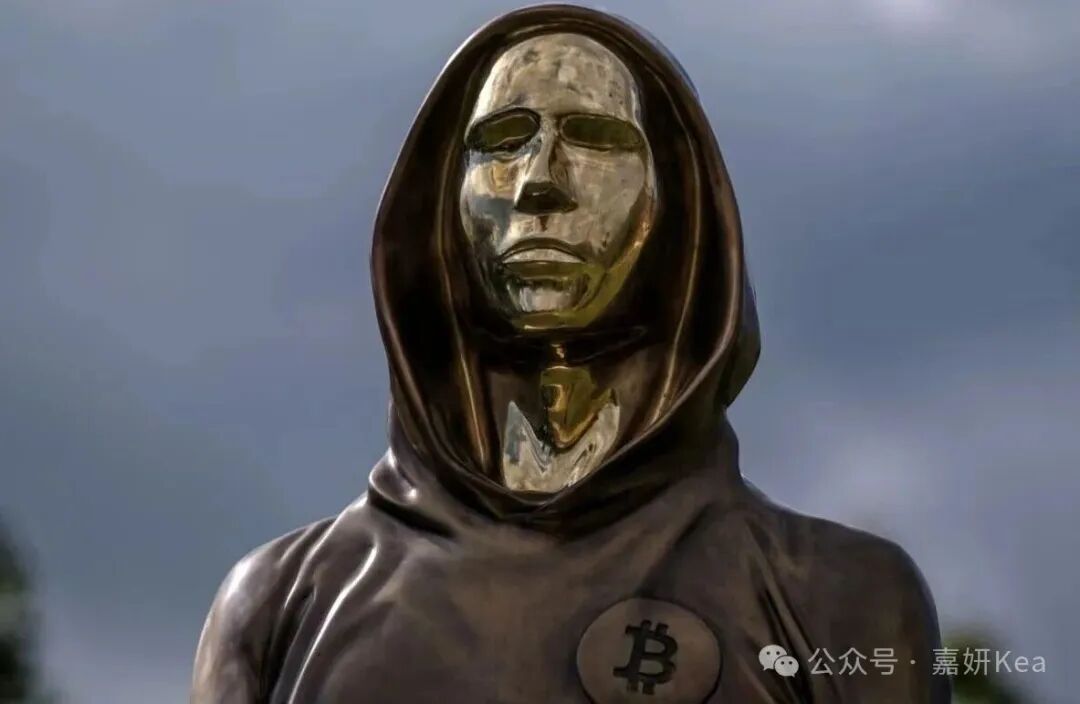
First Point: Many People Have Never Seriously Read Satoshi's Whitepaper
The old OG shared something interesting observation.
He said he sometimes asks people working on projects: "Have you read the Bitcoin whitepaper?"
Many say they have. But if he follows up with: "What is the most core word in it?" Most people would say:
Decentralization.
He directly shook his head and said: "The word 'decentralization' doesn’t appear even once in the whitepaper." Someone at the table checked on their phone—it was true.
The old OG continued: The word that actually appears repeatedly in the whitepaper is:
Distributed
Mentioned about 6 times.
And the real problem it aimed to solve was captured in one sentence:
remove the need for a trusted third party
Eliminate the need for a trusted third party.
He said this is the soul of Crypto, not "decentralization," but a distributed trust structure.
Now, many projects haven’t even achieved the most basic distributed architecture.
Nodes are fake.
Governance is fake.
The network is fake.
And then they talk nonstop about:
Decentralization.
He said something particularly harsh:
"Talking about decentralization without even achieving distributed architecture is like building a skyscraper on sand."
Second Point: Crypto Has Lost Its Growth Market
The old OG said the biggest problem with Crypto isn’t actually technology.
It’s that the narrative has透支 (overdrawn) the future.
Over the past decade, the one thing Crypto projects have been best at is: manufacturing expectations.
Every new narrative is grand: Web3, Metaverse, GameFi, SocialFi, DeFi—each story sounds like it’s going to rebuild the world.
The problem is, the technical capabilities of the vast majority of projects can’t support these narratives.
So a classic thing happened: expectations were severely透支 (overdrawn).
Users came in, time and again.
And were disappointed, time and again.
Slowly, it became a story everyone is familiar with:
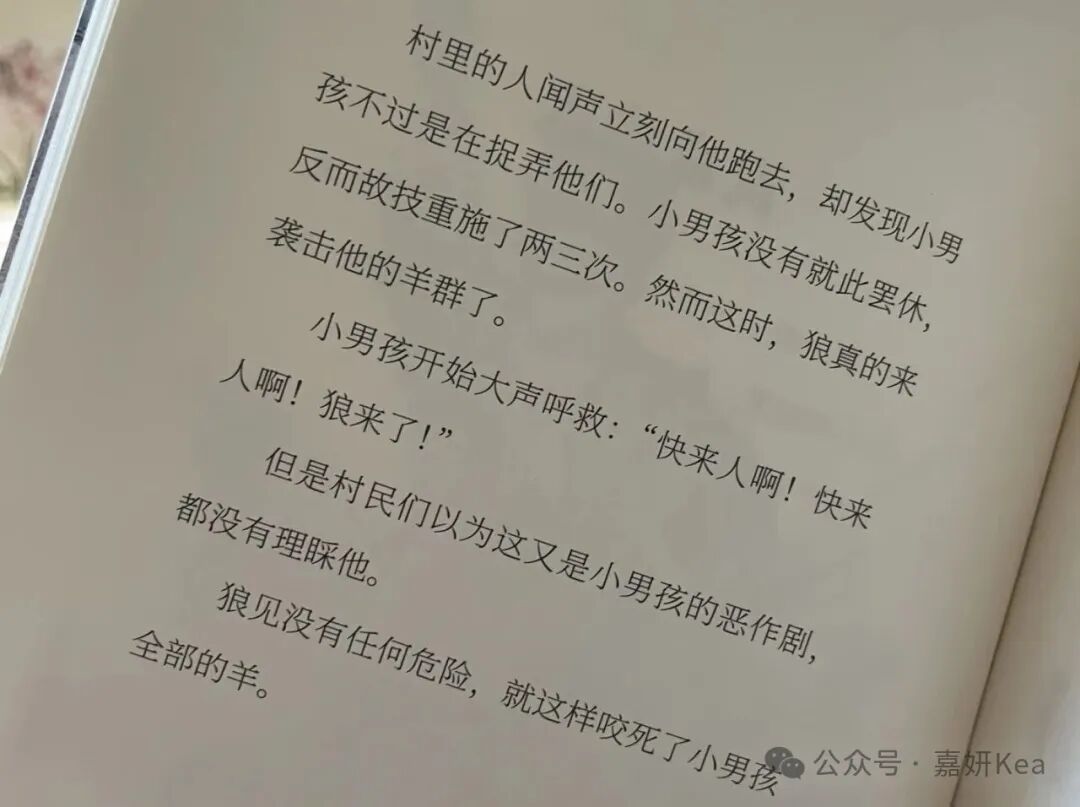
The boy who cried wolf.
When the market stops believing your story, new users disappear.
The biggest problem with Crypto isn’t actually the bear market.
It’s that:
No new people are coming in.
Third Point: The Community Stopped Believing Long Ago
The old OG said many Crypto communities nowadays are quite interesting.
On the surface, everyone is enthusiastic, posting in groups daily: GM, WAGMI, To the moon
But in reality, many core participants are well aware of one thing:
They don’t even believe in this narrative themselves.
The function of the community gradually devolved into one thing:
Downward compatibility with new retail investors.
Using a bunch of jargon:
Tokenomics/Layer2/Modular/Restaking/Intent/etc
To surround new entrants.
Many newcomers don’t really understand what these terms mean.
But in such an atmosphere, people easily get brainwashed.
The old OG said this is essentially a form of narrative engineering.
But the problem is, those setting up the game know it’s a game too.
So everyone is waiting for the right moment:
Sell on the high.
This creates a vicious cycle:
Keep telling new stories → Attract new people → Pump the price → Cash out → Tell new stories again.
In the long run, the entire market’s credit gets透支 (overdrawn).

Fourth Point: Financialization Rushed Before Technical Maturity
The old OG said Crypto has another fatal flaw. Financialization started before the technical phase was complete. The normal path of technological development should be:
First, build the "infrastructure."
Then, develop "applications."
Finally, comes "financialization."
But Crypto took the reverse route:
Issue tokens first.
Do finance first.
Focus on trading first.
Patch up the technology slowly.
The result is: Many things weren’t even mature yet but were already priced by the capital market.
Once the real capabilities can’t keep up with the price,
Projects continuously get disproven.
The market might forgive it once or twice.
But when disproval becomes the norm, trust vanishes.

Fifth Point: Attention is Fleeing Crypto, Unnoticed
Finally, he mentioned something many haven’t realized: Human attention is migrating.
Over the past decade, the biggest attention structure on the internet was:
Human-to-human interaction, social media, communities, DAOs.
But a shift is happening now:
More and more attention is turning towards
Human-AI interaction.
Look where people spend their time now: not in Telegram groups, not on Discord.
But talking to AI.
When the structure of attention migrates,
Many ecosystems that originally relied on community heat,
Will naturally decline.
Crypto is largely an
Attention-driven market. When attention decreases, growth naturally disappears.
As the dinner was ending, someone asked:
"So do you think Crypto is finished?"
The old OG thought for a moment and said something很有意思 (interesting):
"Crypto isn’t finished, but this generation’s narrative has ended."
Then he added:
"The real problem was never scamming retail investors."
Financial markets will always scam retail investors.
Stocks do it, forex does it, AI will do it in the future too.
Scamming isn’t the problem.
Having no new retail investors is the problem.
He said the biggest tragedy of Crypto is actually very simple:
When the technology wasn’t mature,
They told twenty years’ worth of stories
In just three years.
The stories are finished.
And so the people disperse.

Twitter:https://twitter.com/BitpushNewsCN
Bitpush TG Discussion Group:https://t.me/BitPushCommunity
Bitpush TG Subscription: https://t.me/bitpush