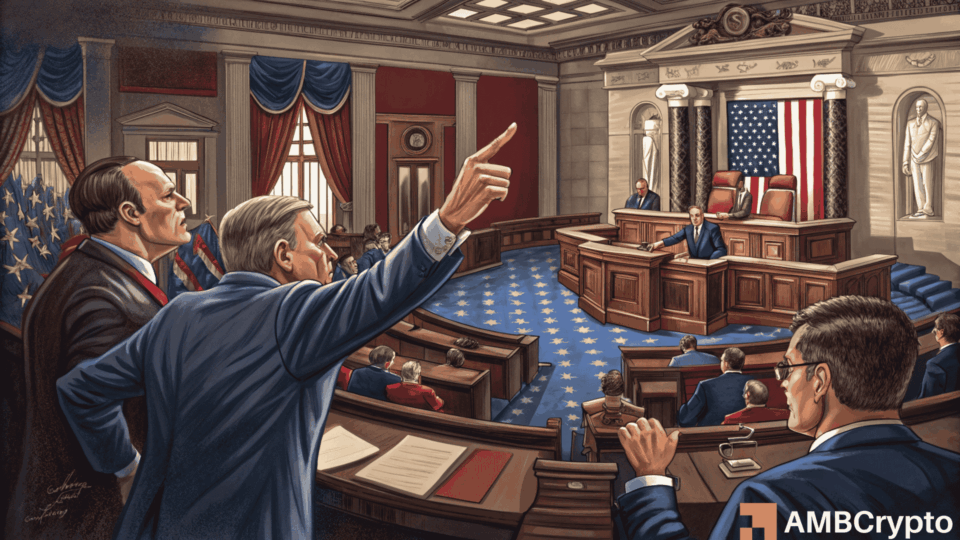
Republican Senator Roger Marshall intends to put his proposed credit card swipe fees amendment on the back burner as the Senate Agriculture Committee gears up for a markup of a significant crypto market structure bill. Legislators are determined to keep the bill’s scope on digital asset regulation rather than financial sector conflicts. Reports indicate Marshall privately agreed to step back after concerns emerged that the amendment could derail momentum behind the bill.
Marshall originally filed the proposal to increase competition around card network fees. However, negotiators feared the move would spark resistance from financial institutions and distract from crypto policy. This shift comes as Washington intensifies debate around digital asset frameworks, a topic recently highlighted in coverage on US lawmakers’ debate crypto oversight framework and stablecoin regulation gaining traction in Congress.
Weather Delays and Political Timing
The Senate Agriculture Committee had set the markup for late January but later rescheduled it for early February due to severe winter storms that affected operations in Washington. However, weather conditions are only one factor for the delay. Another significant factor is the political timing of the bill. The Senate Agriculture and Banking Committees are still modifying their schedules in an effort to gain bipartisan support.
Legislators recognize that if the bill includes any contentious amendments, it could disrupt the bipartisan process. Therefore, they are now focusing on stability and progress rather than expanding the bill’s scope.
White House and Party Strategy
Representatives from the White House have been involved in negotiations regarding the timing of the markup of the bill. They are trying to ensure that the bill passes without any amendments that might draw attention away from crypto. Party strategists also consider the election calendar.
Republicans want policy wins ahead of the upcoming elections, while Democrats push for stronger ethics and consumer protection language.
Some Democrats supported Marshall’s swipe-fee language, yet several Republicans opposed it. They argued the amendment would trigger a fresh fight between banks and retailers. That dispute could overshadow core crypto provisions and stall progress.
Focus Returns to Core Crypto Oversight
The Senate Agriculture Committee version of the bill contains provisions to protect software developers and to distinguish between commodities and securities. However, the Senate Banking Committee has not yet set the date for its markup of the bill. Experts track developments through official sources such as the U.S. Senate Agriculture Committee and the U.S. Senate Banking Committee, where procedural updates define the future of the bill.
Experts point out that the crypto bill is progressing in a crowded legislative environment. Members of Congress are dealing with funding deadlines, economic policies, and election politics. Each change in focus can change committee agendas. Thus, the current preference is for a clean bill that does not contain contentious provisions.
A Strategic Pause, Not a Retreat
Marshall’s action is part of this approach. He takes a step back to allow leaders to keep their attention on the digital asset market structure rather than card network reform. Negotiators believe this move increases the odds of committee approval and eventual Senate floor debate.
Crypto regulation remains a moving target in Washington. Nevertheless, lawmakers continue refining proposals and negotiating compromises. For now, leaders push the bill forward without policy riders that risk slowing progress.
Highlighted Crypto News:
Crypto Debanking Deepens in the UK as 40% of Exchange Transactions Face Bank Blocks