OpenSea Insider Trading Case Ends Without A Retrial – Details

bitcoinistPublicado a 2026-01-24Actualizado a 2026-01-24

Resumen

Former OpenSea product manager Nathaniel Chastain will not face a retrial for insider trading after federal prosecutors dropped the case. This follows an appeals court overturning his earlier conviction, citing incorrect jury instructions. Prosecutors reached a deferred prosecution agreement, leading to the dismissal of charges. As part of the deal, Chastain will forfeit approximately 15.98 ETH and has already served a three-month prison sentence. The case, the first insider trading prosecution involving NFTs, highlights a legal gap between traditional fraud statutes and digital assets. The ruling may influence how confidential information is treated as property in future crypto-related cases.

Nathaniel Chastain, a former product manager at OpenSea, will not face a retrial after federal prosecutors chose to drop their re-review of his insider trading case.

Reports say the US Attorney’s Office reached a deferred prosecution agreement with Chastain that will lead to dismissal of the charges once the agreement runs its course.

What Prosecutors Decided

Prosecutors told a Manhattan federal court they would not retry Chastain following an appeals court ruling that tossed his earlier conviction.

Under the deferred prosecution deal, the government will dismiss the case about a month after notifying the court, and Chastain has agreed to forfeit roughly 15.98 ETH tied to the trades. He has already served three months in prison from his original sentence.
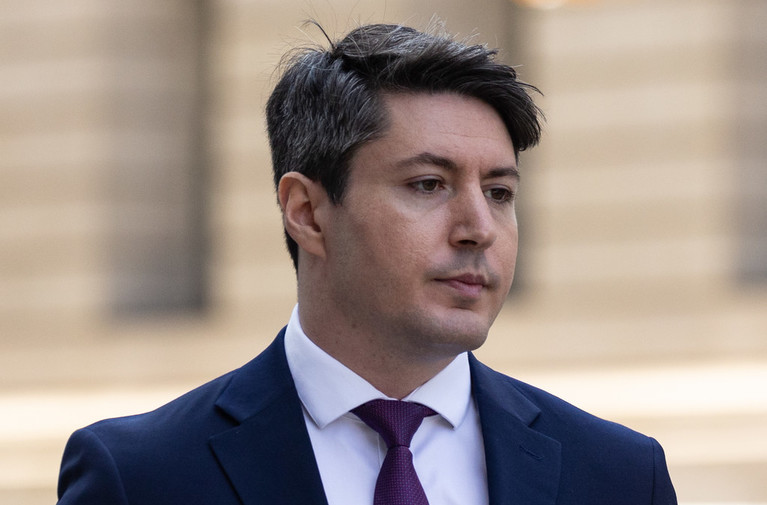
Nathaniel Chastain, former product manager at OpenSea, arrives at federal court in New York, US, on Tuesday, Aug. 22, 2023. Photo: Yuki Iwamura/Bloomberg

How The Appeals Court Changed The Case

According to the US Court of Appeals for the Second Circuit, the jury in the first trial had been given the wrong instructions about what the wire fraud law covers.

The judges said confidential information only counts as property under the statute when it has commercial value to the employer, and jurors might otherwise convict someone for behavior that is unethical but not criminal. That legal point is at the heart of the reversal.

Reports note that prosecutors had called the matter the first-ever insider trading case tied to NFTs. Now, lower courts and enforcement teams will have to think carefully before using traditional fraud laws to police activity in NFT markets.

The ruling highlights a gap between old statutes and new kinds of online goods, which may push lawmakers to give clearer rules for how to treat confidential business signals related to crypto platforms.

BTCUSD currently trading at $88,903. Chart: TradingView

OpenSea: The Case’s Earlier Chapters

Chastain was first charged in mid-2022 after prosecutors said he bought certain NFTs before they were featured on OpenSea’s homepage, then sold them after prices rose.

He was convicted at trial in 2023 of wire fraud and money laundering and received a sentence that included three months behind bars. The US Attorney’s Office originally described the scheme as a novel use of insider knowledge in digital markets.

With the deferred prosecution agreement in place for OpenSea, prosecutors can close this chapter without a new trial.

Chastain’s forfeiture of crypto assets and his already served time mean the government has secured some remedy, while the appellate decision leaves open big questions about when private business information can be treated as property for federal fraud charges.

Legal teams, judges, and regulators are likely to keep a close eye on how similar cases are handled in the future.

Featured image from Getty Images, chart from TradingView

Preguntas relacionadas

QWhy was Nathaniel Chastain's conviction overturned by the appeals court?

AThe appeals court overturned the conviction because the jury in the first trial was given incorrect instructions. The judges ruled that confidential information only qualifies as property under the wire fraud statute when it has commercial value to the employer, and the previous instructions could have led to a conviction for unethical but not criminal behavior.

QWhat is the outcome of the deferred prosecution agreement for Nathaniel Chastain?

AUnder the deferred prosecution agreement, the government will dismiss the case about a month after notifying the court. In exchange, Chastain has agreed to forfeit approximately 15.98 ETH and has already served his three-month prison sentence from the original conviction.

QWhat was Nathaniel Chastain originally convicted of in relation to his actions at OpenSea?

ANathaniel Chastain was originally convicted in 2023 of wire fraud and money laundering. Prosecutors alleged he used insider knowledge to purchase NFTs before they were featured on OpenSea's homepage and then sold them for profit after their prices increased.

QWhy is this case considered significant for the NFT market and legal enforcement?

AThis case is significant because it was the first-ever insider trading case tied to NFTs. The appellate ruling highlights a gap between traditional fraud laws and new digital goods, indicating that courts and enforcement teams must carefully consider how to apply old statutes to NFT market activity, potentially pushing for clearer regulations.

QWhat did Nathaniel Chastain agree to forfeit as part of his deal with prosecutors?

AAs part of the deferred prosecution agreement, Nathaniel Chastain agreed to forfeit approximately 15.98 ETH, which was tied to the trades he made using insider information while he was a product manager at OpenSea.

Lecturas Relacionadas

Cryptocurrency's Great Collapse: Veteran Yi Lihua Loses $700 Million in a Week

The cryptocurrency market experienced a historic crash, erasing all gains from the post-Trump rally, with Bitcoin recording its largest weekly drop in three years. Prominent Chinese crypto figure Yi Lihua suffered catastrophic losses, liquidating 400,000 Ethereum over six days for a total loss of approximately $780 million, becoming one of the most significant "whales" hunted during the downturn. The crash was triggered by a sharp drop in silver and gold prices, exacerbated by hawkish signals from the U.S. Federal Reserve. This led to a broad sell-off in risk assets, including cryptocurrencies. Traditional investors, who had entered the market via Bitcoin ETFs approved in 2024, were quick to exit, causing substantial outflows from these funds. Analysts pointed out that this bull cycle, unlike previous ones driven by technological innovations like DeFi or smart contracts, was primarily fueled by narratives—such as Trump's pro-crypto policies and MicroStrategy's corporate treasury model—rather than fundamental advancements. This lack of substantive innovation made the market's high valuations particularly vulnerable when macro conditions shifted. The event is seen as a brutal end to the old "narrative-driven" era of crypto, forcing the market to seek real value anchors. While some funds have begun bottom-fishing, the short-term outlook remains bleak, with Bitcoin struggling to recover from its lows around $68,000.

marsbitHace 27 min(s)

Cryptocurrency's Great Collapse: Veteran Yi Lihua Loses $700 Million in a Week

marsbitHace 27 min(s)

Kyle Criticizes Hyperliquid Four Days After Leaving, Arthur Hayes Responds with a $100,000 Bet

In the midst of a market downturn, Hyperliquid ($HYPE) has nearly doubled in value since January, drawing both praise and criticism. Kyle Samani, the recently departed co-founder of Multicoin Capital, publicly criticized the project, calling it representative of crypto's classic problems: founders "fleeing their home country," facilitating crime, being closed-source, and permissioned. Arthur Hayes, BitMEX co-founder, responded not by addressing the criticisms but by proposing a $100,000 bet: that HYPE would outperform any large-cap crypto of Kyle’s choosing from February 10th to July 31st. Kyle did not accept the wager, aligning with his earlier, since-deleted tweet expressing that crypto is "not as interesting as many thought." The article dissects Kyle's critiques, noting that Hyperliquid's operational structure (offshore entity, U.S. user ban) is standard industry practice. It suggests his harsh tone may stem from a personal desire to distance himself from the industry post-departure, contrasting with his former firm, Multicoin, which was revealed to have built a significant $46 million position in HYPE around the time of his exit. The exchange highlights a classic crypto divide: those who have left the "table" often critique from an ethical standpoint ("should"), while those still invested argue primarily with price action ("will it pump"). The discussion quickly devolved into personal attacks about wealth and portfolio performance, underscoring how deeply entrenched financial interests are in shaping narratives within the space.

marsbitHace 1 hora(s)

Kyle Criticizes Hyperliquid Four Days After Leaving, Arthur Hayes Responds with a $100,000 Bet

marsbitHace 1 hora(s)

Trading

Spot
Futuros
活动图片