Germany's Decades-Long Lead Lost as China's Machine Tools Quietly Rise to Global No.1

marsbitPublicado a 2026-08-05Actualizado a 2026-08-05

Resumen

For decades, Germany held the top spot in global machine tool exports, but in 2025, China officially surpassed it for the first time, with its export value reaching 21% of the global market share. This article explores how China transformed from a heavily import-dependent nation to an export leader in this foundational industry for modern manufacturing. It begins by explaining the immense technical challenges in building high-end machine tools. Precision machining faces persistent physical obstacles like thermal expansion, vibration, and component wear, demanding top-tier core components like spindles, ball screws, and CNC systems. Historically, China relied on imports for over 90% of these critical components, and domestic machine tools suffered from short lifespans between failures (MTBF), making them unreliable for industrial use. The article credits the state-backed "04 Special Project" (2009-2020) for laying a crucial foundation. It boosted the market share of domestic high-end CNC systems from below 1% to nearly 32% and significantly improved overall machine reliability. However, the primary driver for China's rise was the massive and fast-evolving domestic market, particularly in the new-energy vehicle (NEV) sector. This created unique, high-demand applications like machining large integrated die-castings and complex battery housings. Domestic manufacturers, being close to the world's largest NEV market, rapidly iterated products to meet these new needs, gaining an e...

The story of China's manufacturing rise has become almost cliché in recent years: leading the world in EV production, solar panels blanketing half the planet, high-speed rail reaching Indonesia, with Chinese appliances and toys found across the globe.

But if you ask, what areas in manufacturing is China still catching up in?

Many people would immediately think of a few names: lithography machines, chips, and machine tools.

Machine tools are probably the least noticed among them. Lithography machines frequently top hot searches, chips regularly stir international geopolitics, but machine tools?

They mostly stay quietly in factories, not even deserving a hot search.

Yet, they are the most fundamental equipment underlying modern manufacturing. How precisely a country can machine parts is largely capped by the level of its machine tools.

In most people's impression, Chinese machine tools are the kind of equipment bought at great expense from Germany or Japan, with a heap of restrictive rules attached.
International machine tool giant DMG MORI equips its globally exported machines with unified GPS displacement detection. The installation location is registered upon leaving the factory; moving it without authorization locks and disables the machine.

Although this is a global export compliance mechanism (to prevent resale for weapon manufacturing), the frustration of needing to file a report just to relocate a machine worth tens of millions sitting in your own factory requires little explanation.

Expensive, import-dependent, few choices, and heavy restrictions—this is the memory many have of Chinese machine tools.

But a startling figure emerged in 2025:

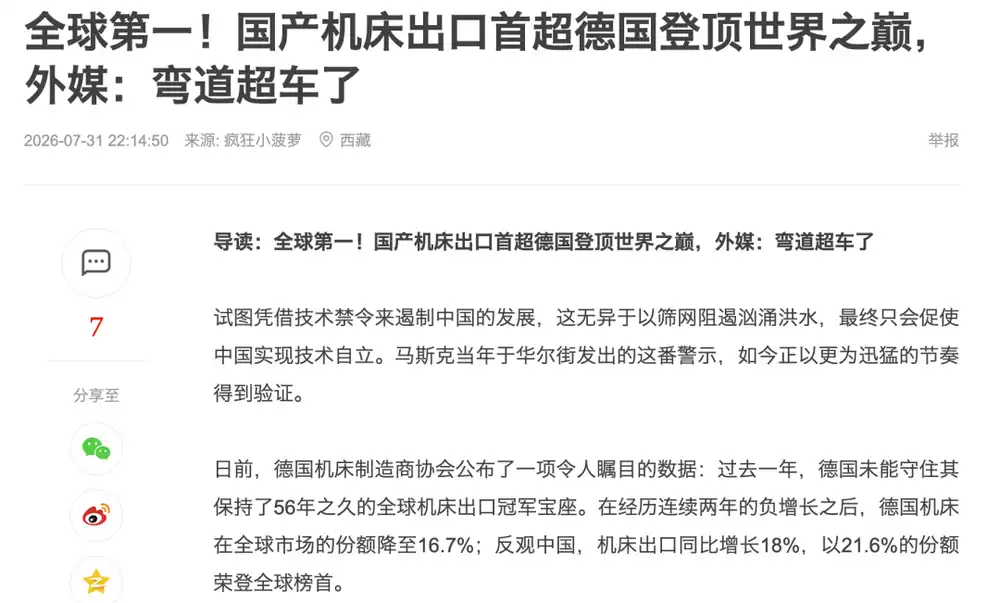
According to the German Machine Tool Builders' Association (VDW), China's machine tool export value reached €8.6 billion, capturing about 21% of the global share, surpassing Germany's €7.1 billion for the first time—a position Germany had long held.
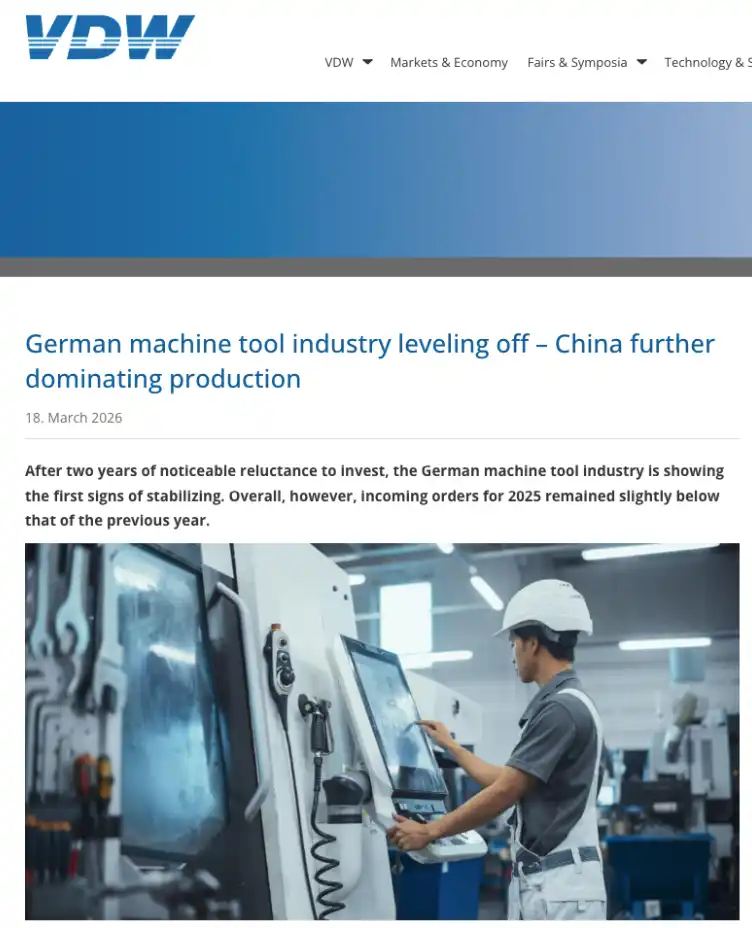
This marks the first time Chinese machine tools have topped the list, inevitably raising the question:

From spending tens of millions to buy a single machine from others, to exporting €8.6 billion a year and claiming the global top spot—what exactly happened in between?

01: Building a Good Machine Tool is Far Harder Than You Think

The job of a machine tool sounds simple: use a processing device (like a cutter) to cut, grind, or press metal into the desired shape.

A high-end machine tool needs to cut with micron-level precision—one micron is one-sixtieth the diameter of a human hair.

It might seem that with sufficiently hard material for the cutting tool and modern advanced sensors and control algorithms, this wouldn't be too difficult.

But in reality, building a usable machine tool and building a *good* one are completely different challenges.

The main issue lies in sustainability:

You need to maintain this precision while shaving metal under massive cutting forces, high-speed rotation, and impact, for tens of thousands of hours, without degradation.

This involves three fundamental physical challenges.

The first is heat: During operation, motors, bearings, and cutting areas all generate heat. Metal expands and contracts with temperature; even a few degrees' difference can cause parts to expand by several microns, ruining machining accuracy. Uneven heating across different areas also gradually shifts originally aligned axes.

High-end machine tools require complex thermal compensation systems for real-time correction. This isn't a simple sensor fix; it involves systematic optimization of the entire machine structure, material selection, and control algorithms. Imagine someone performing microsurgery while running a marathon, with their body heating up and shaking, yet needing to make that micron-precise cut.

The second is vibration: During high-speed cutting, the tool impacting metal creates significant reaction forces, inducing self-excited vibration between tool and workpiece, known as "chatter" in engineering. Once chatter occurs, the machined surface is covered in ripples and burrs; severe cases can scrap the part entirely. Vibration suppression involves structural rigidity, damping design to absorb vibrational energy, cutting parameters, and dynamic compensation by the CNC system. Weakness in any link causes problems.

The third is wear: After spinning at high speed for hundreds of millions of cycles, spindle bearings wear down, guides wear down, and ball screws wear down. Good precision at delivery is one thing; maintaining it after one or two years of operation is the real test.

Domestic machine tools often don't lack in initial accuracy, but start to drift after some use. The industry calls this "accuracy retention."

Simply put, a new car is fine when you get it. The real test is whether it still performs well after three years of driving.

And these three adversaries don't come alone; they occur simultaneously and compound each other.

These physical problems ultimately manifest in several core components: The spindle is the heart, determining cutting power and rotational accuracy; ball screws and guides are the skeleton, determining motion precision and smoothness; the CNC system is the brain, coordinating multiple axes and performing compensation and calculations.
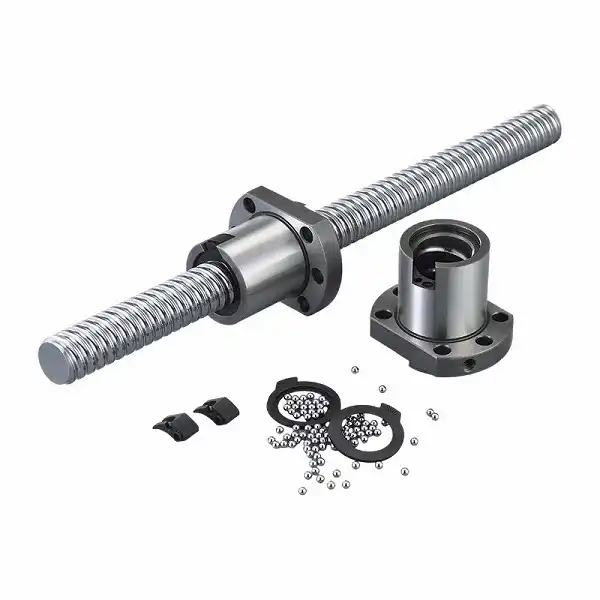
Each must be top-tier for the whole machine to be top-tier. More critically, to manufacture precise ball screws and spindles, you first need a precise grinding machine to process them. This is the classic chicken-and-egg problem in the machine tool industry: You need a good machine tool to build a good machine tool.

Where was China stuck? Precisely on these core components. As of a 2020 assessment, about 90% of high-end CNC systems and servo systems responsible for precise motion execution relied on imports; over 90% of high-end functional components like spindles, ball screws, and guides were also purchased from others. Heart, brain, skeleton—nine out of ten were not their own.

Another 2025 professional review indicated that the Mean Time Between Failures (MTBF) for foreign high-end CNC systems exceeded 50,000 hours, while domestic ones were around 30,000 hours. This metric measures the average runtime between system failures, indicating there's still room for improvement.

02: From No One Daring to Use, to Export Leader

So how was this situation gradually turned around?

First, look at how low the starting point was:

The Chinese government's largest concentrated effort in machine tools was a national major project called "High-End CNC Machine Tools and Basic Manufacturing Equipment," commonly known as the 04 Special Project.
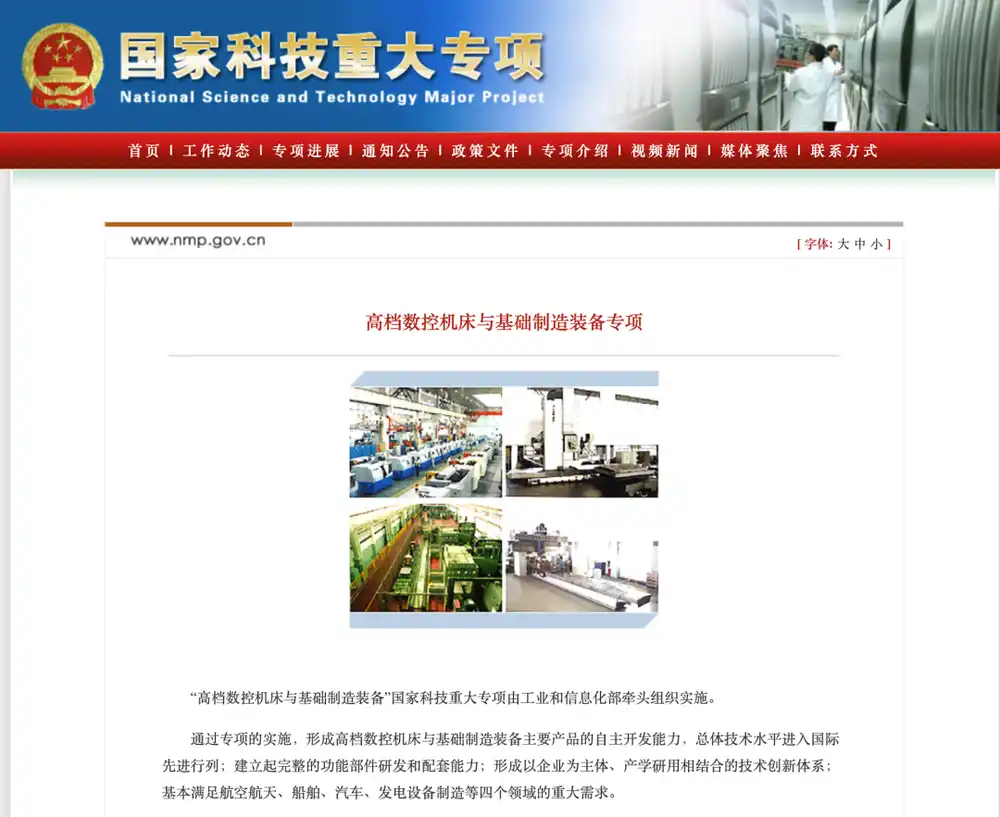
Before this project launched, domestic high-end CNC systems held less than 1% market share in domestic machine tools. The MTBF for high-end CNC machine tools as a whole was only about 600 hours. 600 hours sounds okay? Based on a 20-hour daily operation for an automotive production line, that's an average failure-free interval of about one month.

Who would dare use that?

The 04 Special Project started in 2009 and ran until 2020. Over eleven years, it achieved several concrete things:

The localization rate of high-end CNC systems increased from less than 1% to 31.9%;

The MTBF for high-end CNC machine tools as a whole improved from 600 hours to over 2,000 hours.
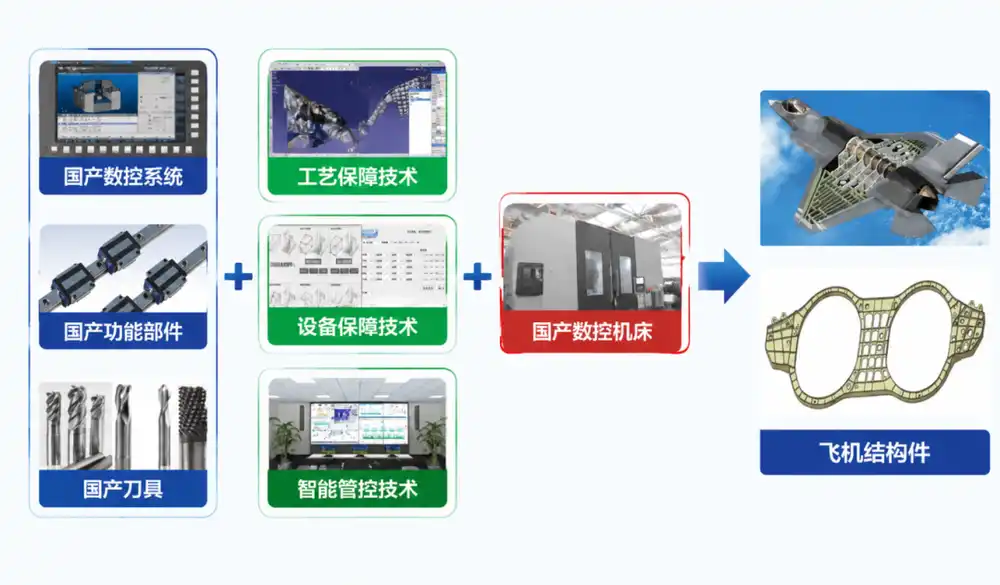
From 1% to 31.9%, from 600 to over 2,000 hours—not spectacular, but enough to get a seat at the table.

But getting a seat doesn't mean winning the game.

The overall MTBF improved significantly, but a gap remained with world leaders. Localization rates for core components like precision grinding machines and high-end ball screws were still very low.

The 04 Special Project addressed the "have or have not" question. The matter of "good or not good" needed another driving force.

That force is the market—the world's largest and fastest-iterating one. Enter the industrial Cthulhu.

Take new energy vehicles (NEVs) as an example. This industry's explosion impacted the machine tool sector not just by "increasing orders," but by changing the very nature of what needed machining: Traditional engine blocks and multi-gear transmission housings for internal combustion vehicles are no longer needed in pure EVs. They are replaced by integrated die-cast bodies (casting multiple parts into one), battery casings, and electric drive system housings. The work changed entirely, and old machining methods became obsolete.
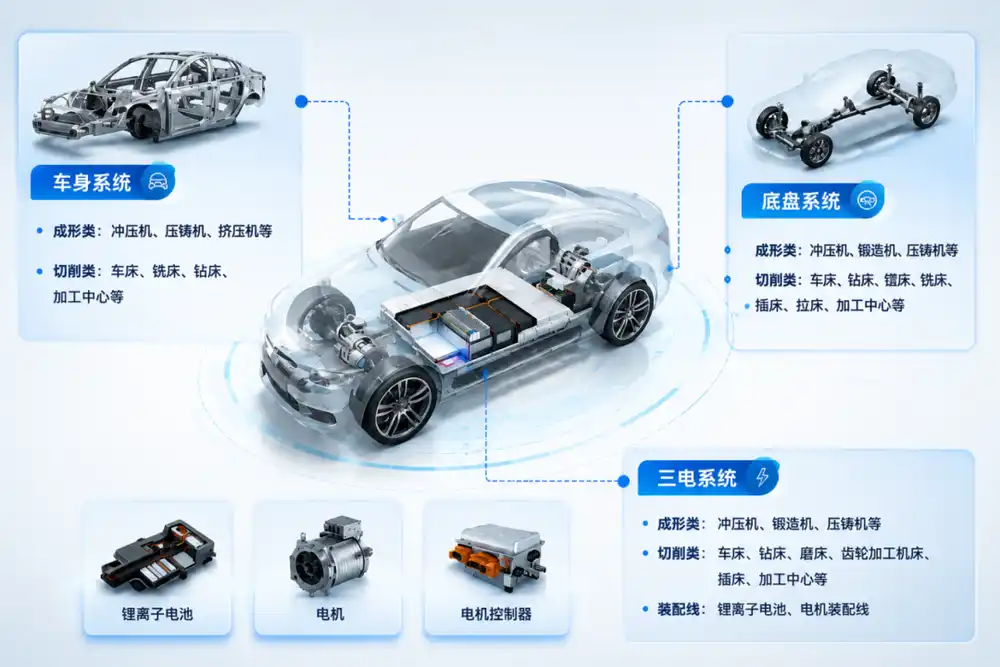
Figure | NEV body, chassis, and three-electric systems correspond to demands for large forming, cutting, die-casting, and assembly equipment.

These new demands spawned a batch of domestic equipment and turnkey solutions specifically for NEVs. Integrated die-cast parts are much larger, requiring gantry machining centers with超大行程. Battery casings have thin walls, are prone to vibration, and demand high sealing, making generic solutions difficult to apply directly, necessitating targeted fixture and machining plan development.
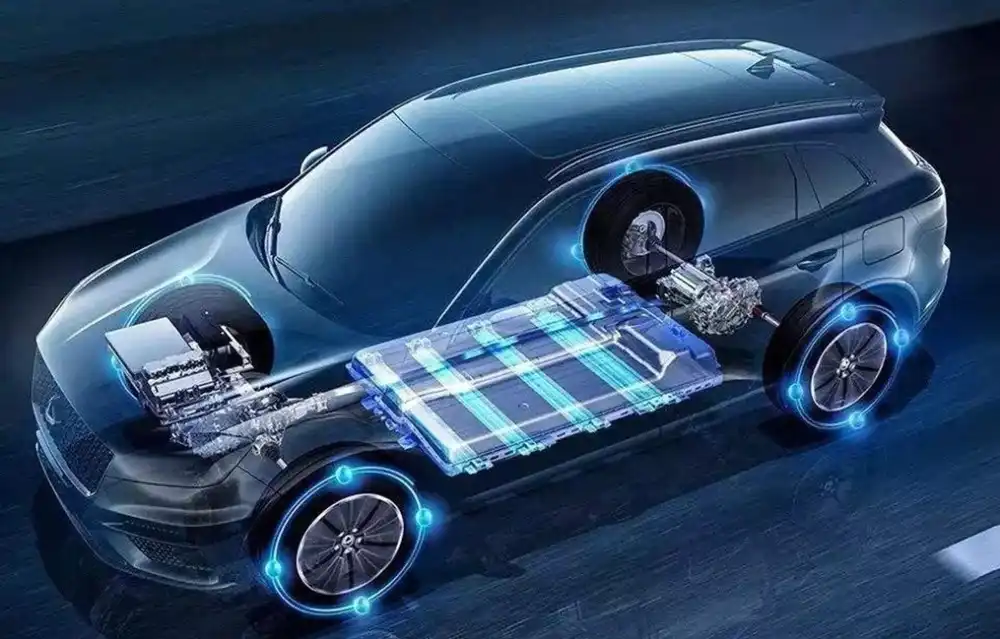
Figure | NEV battery, electric drive, and chassis systems have changed the parts and process combinations machine tool makers need to cover.

The story of integrated die-casting itself best illustrates the point.

When Tesla wanted to turn the Model Y's rear underbody from over 70 stamped and welded parts into a single cast piece, it needed an ultra-large die-casting machine in the 6,000-ton class. Few companies worldwide could build such equipment.

What does 16,000 tons of clamping force—the force holding the two mold halves together during casting—mean? It's equivalent to stacking over ten thousand compact cars and pressing down, all to form an entire body part in seconds. Integrated die-casting started with Tesla and rapidly spread to NIO, XPeng, and more Chinese automakers. A brand-new manufacturing process, from definition to mass production to diffusion, had its主场 in China.

This isn't an isolated case. In entirely new machining areas like integrated die-casting, battery casings, and electric drive housings, Chinese companies had a more level starting line with German and Japanese firms, as these were new challenges for everyone.

And domestic Chinese manufacturers had a natural locational advantage: the world's largest NEV market was right on their doorstep. With customers next door, local manufacturers, benefiting from proximity, faster response, and supply chain synergy, were better positioned to rapidly incorporate feedback into product iteration.

However, even with such a massive market pushing progress, the localization rate for high-end machine tools in the automotive sector remained below 10%. High-precision internal/external cylindrical grinders for shaft/gear parts, high-speed precision gear grinding machines, etc., had localization rates below 5%. The large market accelerated the catch-up but didn't eliminate the gap.

Technology and market are pushing forward, but manufacturing equipment follows an iron law: slow selection, even slower switching. An automotive production line runs for a decade or more after launch. Changing equipment suppliers midstream is extremely costly—not just the equipment cost, but also redoing process validation, re-verifying product yield, and retraining workers.

Therefore, automakers' logic for choosing equipment suppliers is completely different from consumer purchases: taking several years to evaluate is normal, but once chosen and validated, they rarely switch.

No matter how impressive your spec sheet looks, ultimately, you need customers willing to stake their real production line on you.

Here's a story spanning from 2004 to 2016—a twelve-year journey.

It shows that China's catch-up in machine tools wasn't a single flip of a switch. It was a process of climbing step by step, with technology, market, and user validation strands intertwined.

03: Export Value Exceeds Germany, But This Is Just the Beginning

China surpassing Germany in machine tool export value wasn't an overnight reversal: first trade surplus in the industry in 2019, surplus across all categories in 2023, export value officially surpassing in 2025—a step-by-step journey to today.

Overseas markets have transformed from supplementary channels to primary growth drivers, contributing 63.6% to the industry's revenue growth in 2025.

But this number one victory is in scale and coverage, not yet comprehensive technological leadership.

The largest export category is special processing machine tools, primarily using electrical discharge, laser, etc., rather than traditional direct-cutting tools.

The top five export destinations are Vietnam, Russia, India, Thailand, and the US. The current export focus clearly leans towards Asian manufacturing markets.

VDW also specifically noted: this total figure includes exports from the Chinese factories of international firms from Germany, Japan, Switzerland, etc., though the specific proportion wasn't disclosed. In essence, part of "Chinese exports" are actually made on their turf.

Nevertheless, the identity of Chinese machine tools has indeed changed: from being the restricted buyer, whose usable equipment precision was dictated by others' export control lists, to the reverse.

On June 30, 2026, Chinese Customs further required declaring technical parameters and indicating whether items belong to controlled categories upon export of relevant equipment.

From being restricted on purchase to beginning more精细 management of sales—the export ranking is just a number. The more significant change is that China's machine tool industry has entered a new stage where it must identify and manage exports of sensitive equipment.
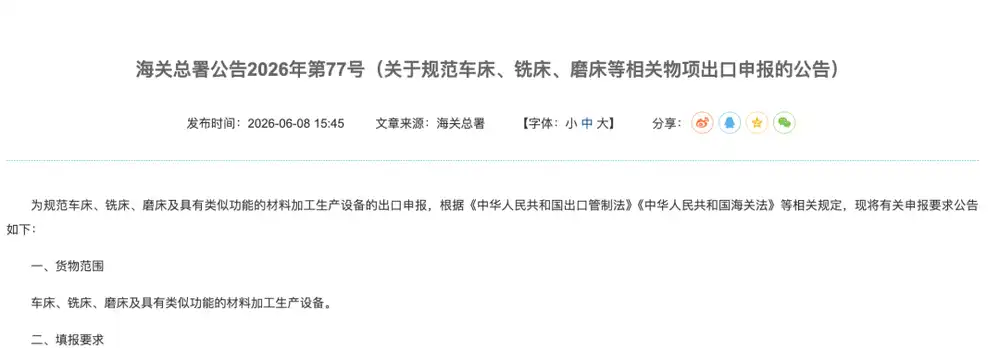
And to speak冷静ly, reaching global number one isn't the same as securing it.

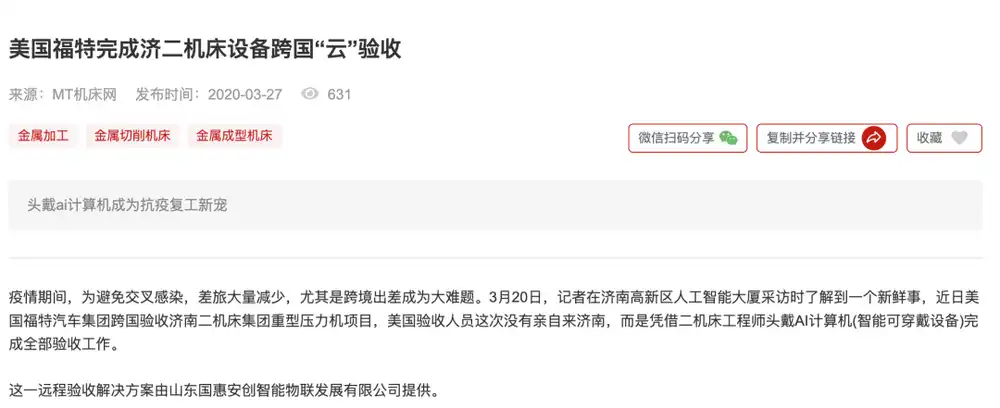
For equipment like machine tools, selling is just the beginning. What follows are ten or twenty years of installation, debugging,故障响应, spare parts supply, and accuracy guarantees. Export value can flip in a year or two, but overseas service networks can't grow that fast.
A scene at the 2026 China CNC Machine Tool Exhibition highlighted this: a Turkish buyer flew nearly 9,000 kilometers specifically to look for Chinese equipment, repeatedly asking just one thing: after purchase, will there be local support? How fast can you respond if it breaks?
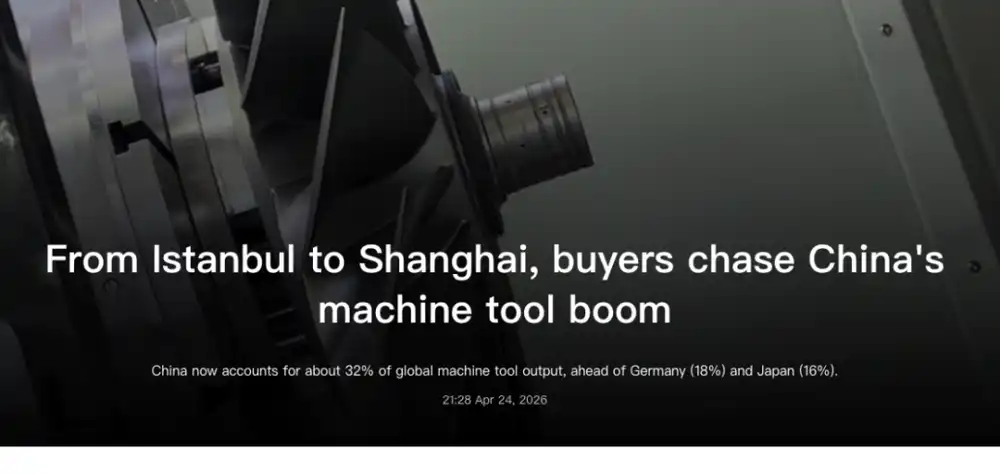
Over a decade ago, Chinese companies buying German machine tools worried about long-term stable operation and GPS displacement detection restrictions.

Today, overseas buyers care more about after-sales response. The specific concerns may differ, but they point to the same thing: after purchasing such high-value equipment, can they use it with confidence over the long term?

Selling equipment abroad is just passing the first gate. Installing it well overseas, calibrating it accurately, being able to fix faults when they occur, and maintaining precision over a decade—that's when you truly secure the global number one position.

Whether this逆袭can complete its course doesn't depend on ranking tables. It depends on whether factory owners worldwide, walking into their workshops and standing before a new machine, are willing to stake their next decade's livelihood on a piece of equipment.

The kind that says "Made in China."

Compiled and edited by Cool Play Lab

First published on WeChat Official Account: Cool Play Lab (ID: coollabs)

This article is from the WeChat Official Account: Cool Play Lab , author: Cool Play Lab

Criptos en tendencia

Preguntas relacionadas

QWhat key milestone did China achieve in the machine tool industry by 2025, according to the German VDMA?

AIn 2025, for the first time, China's machine tool export value reached 8.6 billion euros, with a global share of about 21%, surpassing Germany's 7.1 billion euros to become the world's largest machine tool exporter.

QWhat are the three main physical challenges in building a high-end, precision machine tool?

AThe three main physical challenges are: 1) Heat: Thermal expansion from motors, bearings, and cutting can cause micron-level distortions, requiring complex thermal compensation systems. 2) Vibration: 'Chatter' or self-excited vibration during high-speed cutting can ruin surface finish and accuracy, requiring rigid structures and dynamic compensation. 3) Wear: Critical components like spindles, guideways, and ball screws wear down over billions of cycles, challenging long-term 'accuracy retention'.

QWhat was the '04 Major Project', and what were its key outcomes for China's high-end machine tools?

AThe '04 Major Project', officially the 'High-end CNC Machine Tools and Basic Manufacturing Equipment' national special project launched in 2009, aimed to close technological gaps. Key outcomes by 2020 included increasing the domestic market share of high-end CNC systems from less than 1% to 31.9%, and improving the Mean Time Between Failures (MTBF) of high-end CNC machine tools from about 600 hours to over 2000 hours.

QHow did the rise of the new energy vehicle (NEV) industry in China impact the domestic machine tool sector?

AThe booming NEV industry created entirely new machining demands (e.g., large-scale integrated die-casting bodies, battery housings, e-drive casings) that leveled the playing field. Chinese machine tool builders had a proximity advantage to the world's largest NEV market, allowing for faster iteration and customized solutions. However, the localization rate for high-end machine tools in the automotive sector remains below 10%, showing gaps persist.

QWhat does the article suggest is the next major challenge for Chinese machine tool exports after achieving the #1 spot in export value?

AThe next major challenge is building a robust, global after-sales service network. Selling equipment is just the start; long-term success depends on the ability to provide reliable installation, calibration, rapid fault response, spare parts supply, and precision maintenance over a machine's 10-20 year lifespan, which builds the trust necessary for global customers to commit.

Lecturas Relacionadas

Robinhood's Bigger Basket

"Robinhood's Bigger Basket" A few weeks ago, the author described Robinhood as a financial supermarket, bundling services from stocks to crypto. After watching the Q2 2026 earnings call, this view was seen as an understatement. The real power is not just attracting new customers, but making existing users engage more deeply. Key performance highlights: * Revenue surpassed $5B annualized, faster than legacy brokers like Charles Schwab. * Paying users grew 7% YoY to 28.4M, but Average Revenue Per User (ARPU) surged 24% to $187. * User activity intensified: per-user stock notional volume rose 56% and options contracts rose 43%, while the number of users trading these assets grew much slower (13% and 3% respectively). The Robinhood Gold subscription is a critical engine. Nearly half of new users sign up for Gold, which then acts as a gateway. Gold users hold 4.2x more assets and are 3.1x more likely to use retirement products than regular users. This creates a powerful cross-sell flywheel where using one product (e.g., prediction markets) increases adoption of others (e.g., IRAs). The future catalysts are Robinhood Chain and the upcoming Robinhood Social feed. * **Robinhood Chain** integrates services (tokenized stocks, lending, perpetuals) into a single, composable platform, reducing friction for cross-product usage. * **Robinhood Social** will internalize the trading idea generation process. Verified portfolios within the app could build trust and move the entire "idea-to-execution" loop inside Robinhood. Together, these act as neutral layers that drive engagement and value accumulation across Robinhood's ecosystem, similar to how Costco's store layout drives membership sales. Despite cyclical concerns in areas like crypto trading, Robinhood's diversified portfolio of 13 business lines each with over $100M in Annual Recurring Revenue (ARR) creates stability. Different product cycles offset each other within a single user's account. The company's unique advantage is transforming a single customer relationship into a compounding, self-diversifying revenue node spanning traditional and crypto finance, amplified by its native blockchain.

marsbitHace 27 min(s)

Robinhood's Bigger Basket

marsbitHace 27 min(s)

Trading

Spot

Artículos destacados

Qué es $S$

Entendiendo SPERO: Una Visión General Completa Introducción a SPERO A medida que el panorama de la innovación continúa evolucionando, la aparición de tecnologías web3 y proyectos de criptomonedas juega un papel fundamental en la configuración del futuro digital. Un proyecto que ha atraído la atención en este campo dinámico es SPERO, denotado como SPERO,$$s$. Este artículo tiene como objetivo reunir y presentar información detallada sobre SPERO, para ayudar a entusiastas e inversores a comprender sus fundamentos, objetivos e innovaciones dentro de los dominios web3 y cripto. ¿Qué es SPERO,$$s$? SPERO,$$s$ es un proyecto único dentro del espacio cripto que busca aprovechar los principios de descentralización y tecnología blockchain para crear un ecosistema que promueva la participación, la utilidad y la inclusión financiera. El proyecto está diseñado para facilitar interacciones de igual a igual de nuevas maneras, proporcionando a los usuarios soluciones y servicios financieros innovadores. En su esencia, SPERO,$$s$ tiene como objetivo empoderar a los individuos al proporcionar herramientas y plataformas que mejoren la experiencia del usuario en el espacio de las criptomonedas. Esto incluye habilitar métodos de transacción más flexibles, fomentar iniciativas impulsadas por la comunidad y crear caminos para oportunidades financieras a través de aplicaciones descentralizadas (dApps). La visión subyacente de SPERO,$$s$ gira en torno a la inclusividad, buscando cerrar brechas dentro de las finanzas tradicionales mientras aprovecha los beneficios de la tecnología blockchain. ¿Quién es el Creador de SPERO,$$s$? La identidad del creador de SPERO,$$s$ sigue siendo algo oscura, ya que hay recursos públicos limitados que proporcionan información de fondo detallada sobre su(s) fundador(es). Esta falta de transparencia puede derivarse del compromiso del proyecto con la descentralización, una ética que muchos proyectos web3 comparten, priorizando las contribuciones colectivas sobre el reconocimiento individual. Al centrar las discusiones en torno a la comunidad y sus objetivos colectivos, SPERO,$$s$ encarna la esencia del empoderamiento sin señalar a individuos específicos. Como tal, comprender la ética y la misión de SPERO sigue siendo más importante que identificar a un creador singular. ¿Quiénes son los Inversores de SPERO,$$s$? SPERO,$$s$ cuenta con el apoyo de una diversa gama de inversores que van desde capitalistas de riesgo hasta inversores ángeles dedicados a fomentar la innovación en el sector cripto. El enfoque de estos inversores generalmente se alinea con la misión de SPERO, priorizando proyectos que prometen avances tecnológicos sociales, inclusión financiera y gobernanza descentralizada. Estas fundaciones de inversores suelen estar interesadas en proyectos que no solo ofrecen productos innovadores, sino que también contribuyen positivamente a la comunidad blockchain y sus ecosistemas. El respaldo de estos inversores refuerza a SPERO,$$s$ como un contendiente notable en el dominio de proyectos cripto que evoluciona rápidamente. ¿Cómo Funciona SPERO,$$s$? SPERO,$$s$ emplea un marco multifacético que lo distingue de los proyectos de criptomonedas convencionales. Aquí hay algunas de las características clave que subrayan su singularidad e innovación: Gobernanza Descentralizada: SPERO,$$s$ integra modelos de gobernanza descentralizada, empoderando a los usuarios para participar activamente en los procesos de toma de decisiones sobre el futuro del proyecto. Este enfoque fomenta un sentido de propiedad y responsabilidad entre los miembros de la comunidad. Utilidad del Token: SPERO,$$s$ utiliza su propio token de criptomoneda, diseñado para servir diversas funciones dentro del ecosistema. Estos tokens permiten transacciones, recompensas y la facilitación de servicios ofrecidos en la plataforma, mejorando la participación y la utilidad general. Arquitectura en Capas: La arquitectura técnica de SPERO,$$s$ apoya la modularidad y escalabilidad, permitiendo la integración fluida de características y aplicaciones adicionales a medida que el proyecto evoluciona. Esta adaptabilidad es fundamental para mantener la relevancia en el cambiante paisaje cripto. Participación de la Comunidad: El proyecto enfatiza iniciativas impulsadas por la comunidad, empleando mecanismos que incentivan la colaboración y la retroalimentación. Al nutrir una comunidad sólida, SPERO,$$s$ puede abordar mejor las necesidades de los usuarios y adaptarse a las tendencias del mercado. Enfoque en la Inclusión: Al ofrecer tarifas de transacción bajas e interfaces amigables para el usuario, SPERO,$$s$ busca atraer a una base de usuarios diversa, incluyendo a individuos que anteriormente pueden no haber participado en el espacio cripto. Este compromiso con la inclusión se alinea con su misión general de empoderamiento a través de la accesibilidad. Cronología de SPERO,$$s$ Entender la historia de un proyecto proporciona información crucial sobre su trayectoria de desarrollo y hitos. A continuación se presenta una cronología sugerida que mapea eventos significativos en la evolución de SPERO,$$s$: Fase de Conceptualización e Ideación: Las ideas iniciales que forman la base de SPERO,$$s$ fueron concebidas, alineándose estrechamente con los principios de descentralización y enfoque comunitario dentro de la industria blockchain. Lanzamiento del Whitepaper del Proyecto: Tras la fase conceptual, se lanzó un whitepaper completo que detalla la visión, los objetivos y la infraestructura tecnológica de SPERO,$$s$ para generar interés y retroalimentación de la comunidad. Construcción de Comunidad y Primeras Interacciones: Se realizaron esfuerzos de divulgación activa para construir una comunidad de primeros adoptantes y posibles inversores, facilitando discusiones en torno a los objetivos del proyecto y obteniendo apoyo. Evento de Generación de Tokens: SPERO,$$s$ llevó a cabo un evento de generación de tokens (TGE) para distribuir sus tokens nativos a los primeros seguidores y establecer liquidez inicial dentro del ecosistema. Lanzamiento de la dApp Inicial: La primera aplicación descentralizada (dApp) asociada con SPERO,$$s$ se puso en marcha, permitiendo a los usuarios interactuar con las funcionalidades centrales de la plataforma. Desarrollo Continuo y Alianzas: Actualizaciones y mejoras continuas a las ofertas del proyecto, incluyendo alianzas estratégicas con otros actores en el espacio blockchain, han moldeado a SPERO,$$s$ en un jugador competitivo y en evolución en el mercado cripto. Conclusión SPERO,$$s$ se erige como un testimonio del potencial de web3 y las criptomonedas para revolucionar los sistemas financieros y empoderar a los individuos. Con un compromiso con la gobernanza descentralizada, la participación comunitaria y funcionalidades diseñadas de manera innovadora, allana el camino hacia un paisaje financiero más inclusivo. Como con cualquier inversión en el espacio cripto que evoluciona rápidamente, se anima a los posibles inversores y usuarios a investigar a fondo y participar de manera reflexiva con los desarrollos en curso dentro de SPERO,$$s$. El proyecto muestra el espíritu innovador de la industria cripto, invitando a una mayor exploración de sus innumerables posibilidades. Mientras el viaje de SPERO,$$s$ aún se desarrolla, sus principios fundamentales pueden, de hecho, influir en el futuro de cómo interactuamos con la tecnología, las finanzas y entre nosotros en ecosistemas digitales interconectados.

258 Vistas totalesPublicado en 2024.12.17Actualizado en 2024.12.17

Qué es $S$

Qué es AGENT S

Agent S: El Futuro de la Interacción Autónoma en Web3 Introducción En el paisaje en constante evolución de Web3 y las criptomonedas, las innovaciones están redefiniendo constantemente cómo los individuos interactúan con las plataformas digitales. Uno de estos proyectos pioneros, Agent S, promete revolucionar la interacción humano-computadora a través de su marco agente abierto. Al allanar el camino para interacciones autónomas, Agent S busca simplificar tareas complejas, ofreciendo aplicaciones transformadoras en inteligencia artificial (IA). Esta exploración detallada profundizará en las complejidades del proyecto, sus características únicas y las implicaciones para el dominio de las criptomonedas. ¿Qué es Agent S? Agent S se presenta como un marco agente abierto innovador, diseñado específicamente para abordar tres desafíos fundamentales en la automatización de tareas informáticas: Adquisición de Conocimiento Específico del Dominio: El marco aprende inteligentemente de diversas fuentes de conocimiento externas y experiencias internas. Este enfoque dual le permite construir un rico repositorio de conocimiento específico del dominio, mejorando su rendimiento en la ejecución de tareas. Planificación a Largo Plazo de Tareas: Agent S emplea planificación jerárquica aumentada por la experiencia, un enfoque estratégico que facilita la descomposición y ejecución eficiente de tareas complejas. Esta característica mejora significativamente su capacidad para gestionar múltiples subtareas de manera eficiente y efectiva. Manejo de Interfaces Dinámicas y No Uniformes: El proyecto introduce la Interfaz Agente-Computadora (ACI), una solución innovadora que mejora la interacción entre agentes y usuarios. Utilizando Modelos de Lenguaje Multimodal de Gran Escala (MLLMs), Agent S puede navegar y manipular diversas interfaces gráficas de usuario sin problemas. A través de estas características pioneras, Agent S proporciona un marco robusto que aborda las complejidades involucradas en la automatización de la interacción humana con las máquinas, preparando el terreno para una multitud de aplicaciones en IA y más allá. ¿Quién es el Creador de Agent S? Si bien el concepto de Agent S es fundamentalmente innovador, la información específica sobre su creador sigue siendo elusiva. El creador es actualmente desconocido, lo que resalta ya sea la etapa incipiente del proyecto o la elección estratégica de mantener a los miembros fundadores en el anonimato. Independientemente de la anonimidad, el enfoque sigue siendo en las capacidades y el potencial del marco. ¿Quiénes son los Inversores de Agent S? Dado que Agent S es relativamente nuevo en el ecosistema criptográfico, la información detallada sobre sus inversores y patrocinadores financieros no está documentada explícitamente. La falta de información disponible públicamente sobre las bases de inversión u organizaciones que apoyan el proyecto plantea preguntas sobre su estructura de financiamiento y hoja de ruta de desarrollo. Comprender el respaldo es crucial para evaluar la sostenibilidad del proyecto y su posible impacto en el mercado. ¿Cómo Funciona Agent S? En el núcleo de Agent S se encuentra una tecnología de vanguardia que le permite funcionar de manera efectiva en diversos entornos. Su modelo operativo se basa en varias características clave: Interacción Humano-Computadora Similar a la Humana: El marco ofrece planificación avanzada de IA, esforzándose por hacer que las interacciones con las computadoras sean más intuitivas. Al imitar el comportamiento humano en la ejecución de tareas, promete elevar las experiencias de los usuarios. Memoria Narrativa: Empleada para aprovechar experiencias de alto nivel, Agent S utiliza memoria narrativa para hacer un seguimiento de las historias de tareas, mejorando así sus procesos de toma de decisiones. Memoria Episódica: Esta característica proporciona a los usuarios una guía paso a paso, permitiendo que el marco ofrezca apoyo contextual a medida que se desarrollan las tareas. Soporte para OpenACI: Con la capacidad de ejecutarse localmente, Agent S permite a los usuarios mantener el control sobre sus interacciones y flujos de trabajo, alineándose con la ética descentralizada de Web3. Fácil Integración con APIs Externas: Su versatilidad y compatibilidad con varias plataformas de IA aseguran que Agent S pueda encajar sin problemas en ecosistemas tecnológicos existentes, convirtiéndolo en una opción atractiva para desarrolladores y organizaciones. Estas funcionalidades contribuyen colectivamente a la posición única de Agent S dentro del espacio cripto, ya que automatiza tareas complejas y de múltiples pasos con una intervención humana mínima. A medida que el proyecto evoluciona, sus posibles aplicaciones en Web3 podrían redefinir cómo se desarrollan las interacciones digitales. Cronología de Agent S El desarrollo y los hitos de Agent S pueden encapsularse en una cronología que resalta sus eventos significativos: 27 de septiembre de 2024: El concepto de Agent S fue lanzado en un documento de investigación integral titulado “Un Marco Agente Abierto que Usa Computadoras Como un Humano”, mostrando las bases del proyecto. 10 de octubre de 2024: El documento de investigación fue puesto a disposición del público en arXiv, ofreciendo una exploración profunda del marco y su evaluación de rendimiento basada en el benchmark OSWorld. 12 de octubre de 2024: Se lanzó una presentación en video, proporcionando una visión visual de las capacidades y características de Agent S, involucrando aún más a posibles usuarios e inversores. Estos marcadores en la cronología no solo ilustran el progreso de Agent S, sino que también indican su compromiso con la transparencia y la participación comunitaria. Puntos Clave Sobre Agent S A medida que el marco Agent S continúa evolucionando, varios atributos clave destacan, subrayando su naturaleza innovadora y potencial: Marco Innovador: Diseñado para proporcionar un uso intuitivo de las computadoras similar a la interacción humana, Agent S aporta un enfoque novedoso a la automatización de tareas. Interacción Autónoma: La capacidad de interactuar de manera autónoma con las computadoras a través de GUI significa un salto hacia soluciones informáticas más inteligentes y eficientes. Automatización de Tareas Complejas: Con su metodología robusta, puede automatizar tareas complejas y de múltiples pasos, haciendo que los procesos sean más rápidos y menos propensos a errores. Mejora Continua: Los mecanismos de aprendizaje permiten a Agent S mejorar a partir de experiencias pasadas, mejorando continuamente su rendimiento y eficacia. Versatilidad: Su adaptabilidad en diferentes entornos operativos como OSWorld y WindowsAgentArena asegura que pueda servir a una amplia gama de aplicaciones. A medida que Agent S se posiciona en el paisaje de Web3 y criptomonedas, su potencial para mejorar las capacidades de interacción y automatizar procesos significa un avance significativo en las tecnologías de IA. A través de su marco innovador, Agent S ejemplifica el futuro de las interacciones digitales, prometiendo una experiencia más fluida y eficiente para los usuarios en diversas industrias. Conclusión Agent S representa un audaz avance en la unión de la IA y Web3, con la capacidad de redefinir cómo interactuamos con la tecnología. Aunque aún se encuentra en sus primeras etapas, las posibilidades para su aplicación son vastas y atractivas. A través de su marco integral que aborda desafíos críticos, Agent S busca llevar las interacciones autónomas al primer plano de la experiencia digital. A medida que nos adentramos más en los reinos de las criptomonedas y la descentralización, proyectos como Agent S sin duda desempeñarán un papel crucial en la configuración del futuro de la tecnología y la colaboración humano-computadora.

656 Vistas totalesPublicado en 2025.01.14Actualizado en 2025.01.14

Qué es AGENT S

Cómo comprar S

¡Bienvenido a HTX.com! Hemos hecho que comprar Sonic (S) sea simple y conveniente. Sigue nuestra guía paso a paso para iniciar tu viaje de criptos.Paso 1: crea tu cuenta HTXUtiliza tu correo electrónico o número de teléfono para registrarte y obtener una cuenta gratuita en HTX. Experimenta un proceso de registro sin complicaciones y desbloquea todas las funciones.Obtener mi cuentaPaso 2: ve a Comprar cripto y elige tu método de pagoTarjeta de crédito/débito: usa tu Visa o Mastercard para comprar Sonic (S) al instante.Saldo: utiliza fondos del saldo de tu cuenta HTX para tradear sin problemas.Terceros: hemos agregado métodos de pago populares como Google Pay y Apple Pay para mejorar la comodidad.P2P: tradear directamente con otros usuarios en HTX.Over-the-Counter (OTC): ofrecemos servicios personalizados y tipos de cambio competitivos para los traders.Paso 3: guarda tu Sonic (S)Después de comprar tu Sonic (S), guárdalo en tu cuenta HTX. Alternativamente, puedes enviarlo a otro lugar mediante transferencia blockchain o utilizarlo para tradear otras criptomonedas.Paso 4: tradear Sonic (S)Tradear fácilmente con Sonic (S) en HTX's mercado spot. Simplemente accede a tu cuenta, selecciona tu par de trading, ejecuta tus trades y monitorea en tiempo real. Ofrecemos una experiencia fácil de usar tanto para principiantes como para traders experimentados.

1.3k Vistas totalesPublicado en 2025.01.15Actualizado en 2026.06.02

Cómo comprar S

Discusiones

Bienvenido a la comunidad de HTX. Aquí puedes mantenerte informado sobre los últimos desarrollos de la plataforma y acceder a análisis profesionales del mercado. A continuación se presentan las opiniones de los usuarios sobre el precio de S (S).

活动图片