Elon Musk reposted a Tesla update on X, stating that the Cybercab's drive motor uses no rare earth elements at all, with zero compromise on range.
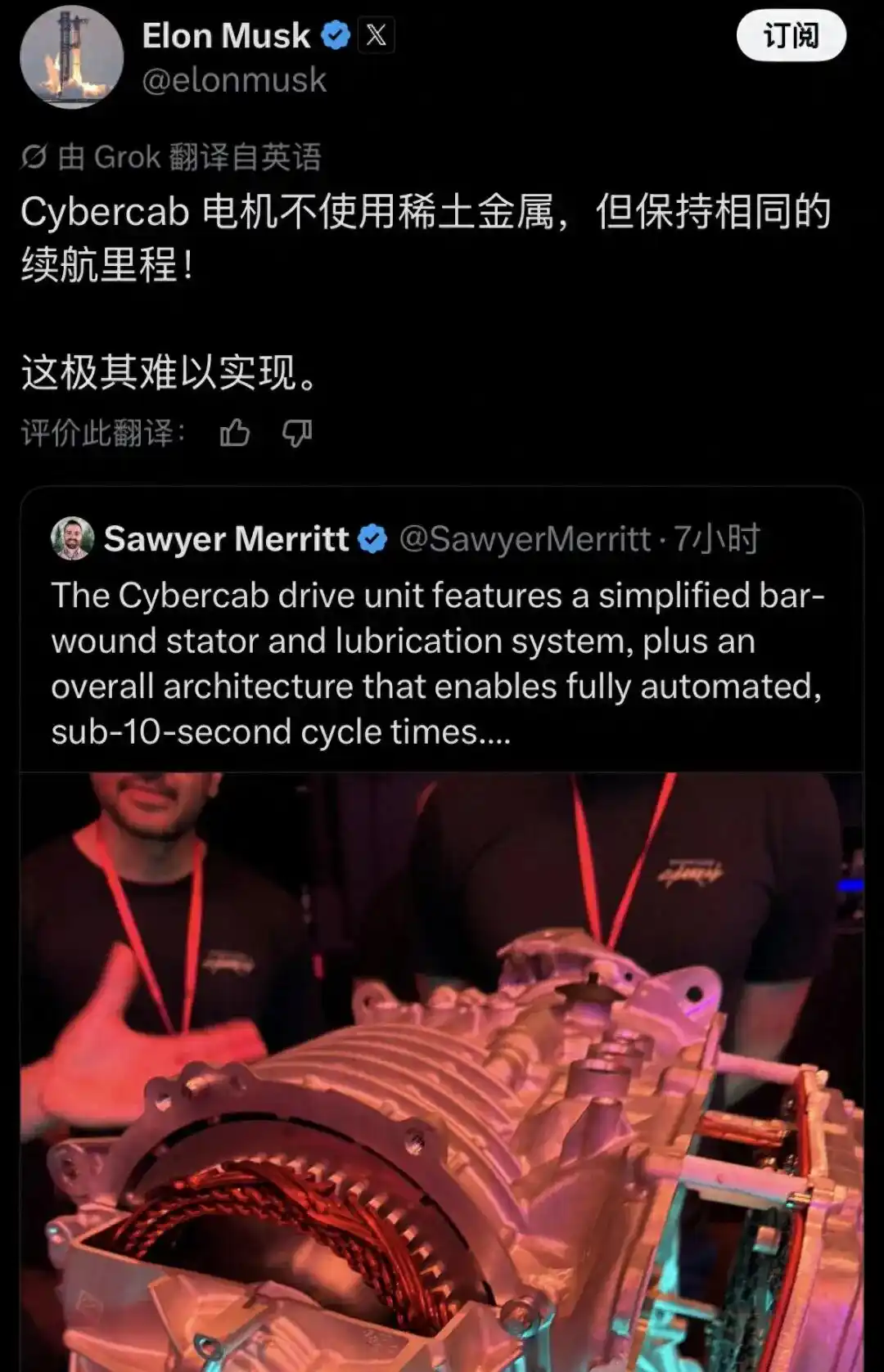
Musk added that achieving this was extremely difficult. Why is it so difficult?
Because the energy density of non-rare earth magnets (like ordinary ferrite) is only a fraction of that of neodymium-iron-boron (NdFeB) permanent magnets. Using "weak magnetic materials" to achieve "strong magnetic output" without sacrificing vehicle range is challenging the laws of physics.
Therefore, "rare-earth-free" historically meant "poor performance, heavy weight, bad range," but Musk not only announced zero rare earth usage but also claimed no compromise on range.
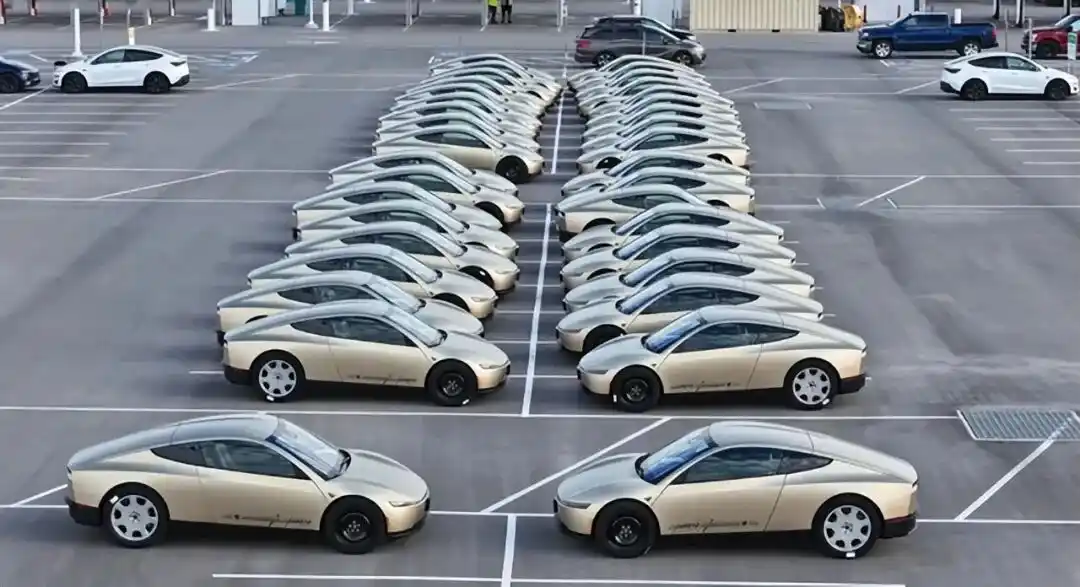
On the same day, golden Tesla compact cars with no steering wheel and no pedals began picking up passengers on American streets.
Tesla's Rare Earth History
To understand this, we need to look back at Tesla's history.
The earliest Model S and Model X used AC induction motors, which did not rely on rare earths. At that time, Tesla had weak supply chain leverage, and using induction motors was a matter of necessity – albeit slightly less efficient and heavier, it meant not being at the mercy of others.
By the time of the Model 3 and Model Y era, Tesla needed to ramp up volume, reduce costs, and improve range. The efficiency disadvantage of induction motors became unacceptable, leading to a complete switch to permanent magnet synchronous motors.
Permanent magnet synchronous motors are efficient, compact, and lightweight, but they have a critical vulnerability – they depend on NdFeB rare earth permanent magnets.
In March 2023, Tesla displayed a motor material usage chart at its Investor Day. At that time, Tesla's permanent magnet motors required the use of three types of rare earths, with quantities of approximately 500 grams of neodymium, 10 grams of dysprosium, and 10 grams of terbium.
Then in 2023, at the Investor Conference, Tesla suddenly unveiled the goal of "next-generation drive motors with zero rare earths." Two years later, Cybercab delivered the actual vehicle.
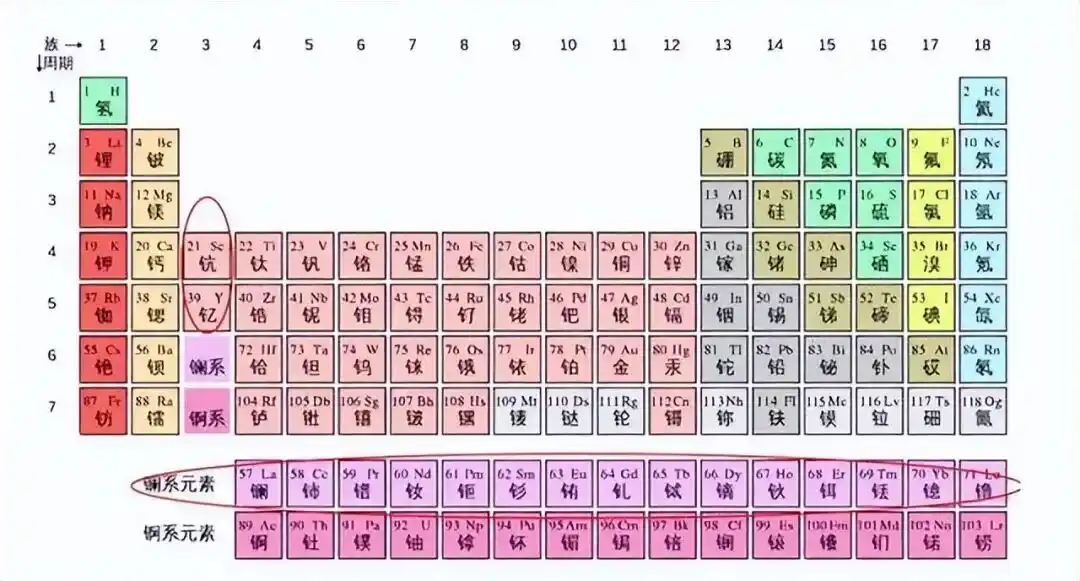
From not using rare earths, to using them heavily, and now back to not using them. These are different choices Tesla made at different stages – When scale was small, supply chain security was the priority; when ramping up volume, efficiency and cost became priorities; now, with substantial scale and facing geopolitical risks, supply chain security has once again become the top priority.
How Zero Rare Earth Achieves Uncompromised Performance
Traditional permanent magnet synchronous motors rely on rare earth permanent magnets to provide a strong magnetic field, allowing the motor to be small, light, and efficient. Without rare earths, the magnetic field strength cannot reach high levels, naturally leading to compromised performance.
Tesla's solution is a three-pronged approach: First, enhancing the synchronous reluctance route, allowing the rotor core's magnetic circuit structure to bear more driving force. In simple terms, it relies less on magnetic attraction and more on the magnetic reluctance variation of the iron core's shape itself to generate rotation.
Second, exploring new ferrite composite magnetic materials, using weak magnetic materials combined with structural design to achieve output close to that of strong magnets.
Third, using hairpin winding to increase copper fill factor, combined with a stronger thermal management system, to compensate for efficiency and heat dissipation.
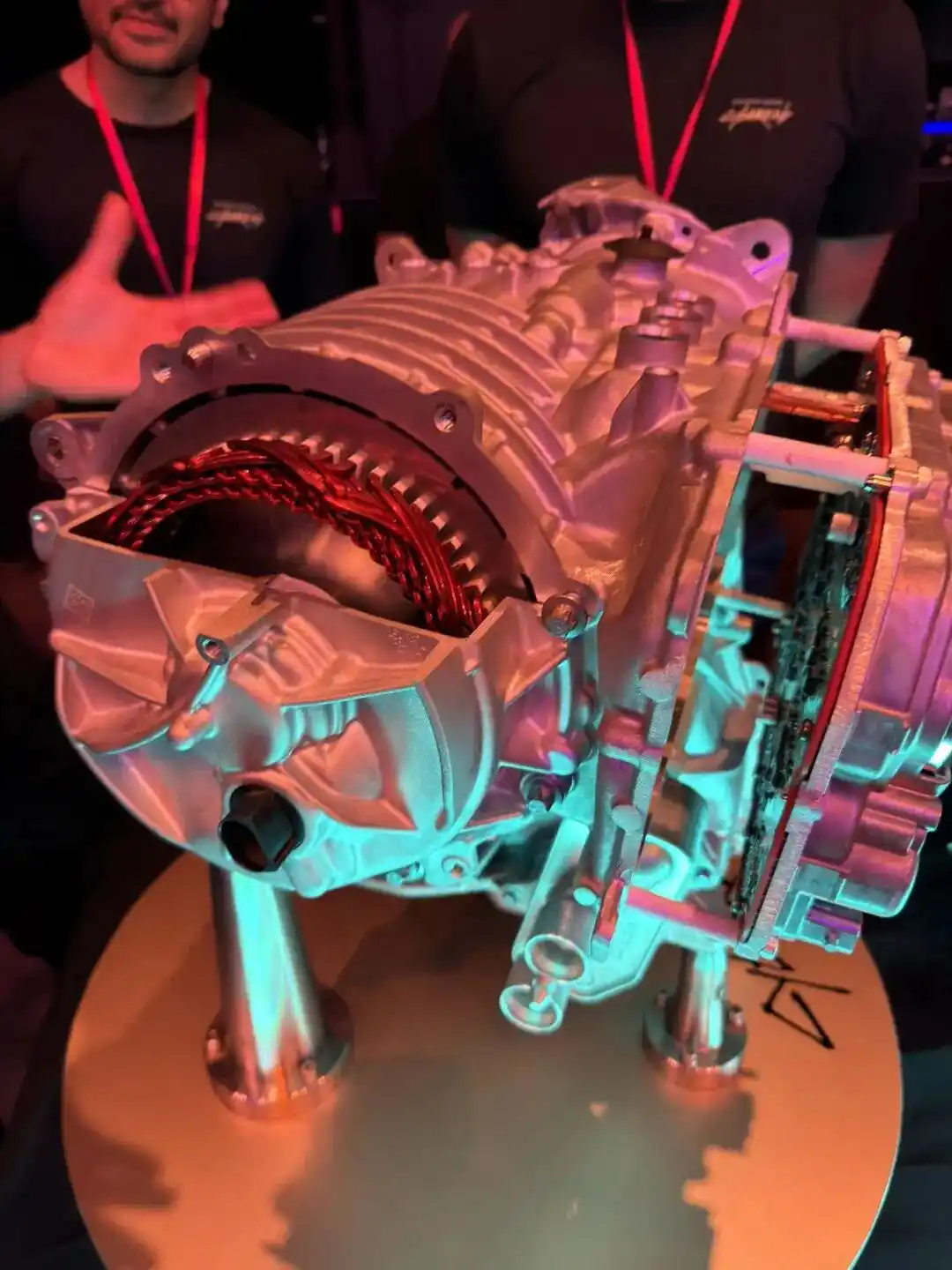
Individually, none of these three moves is particularly revolutionary black tech. The difficulty lies in combining all three while maintaining uncompromised performance and even reducing cost. This is about systems engineering capability, not a single-point technological breakthrough.
But what's truly technologically significant is not zero rare earths itself, but the manufacturing data that follows.
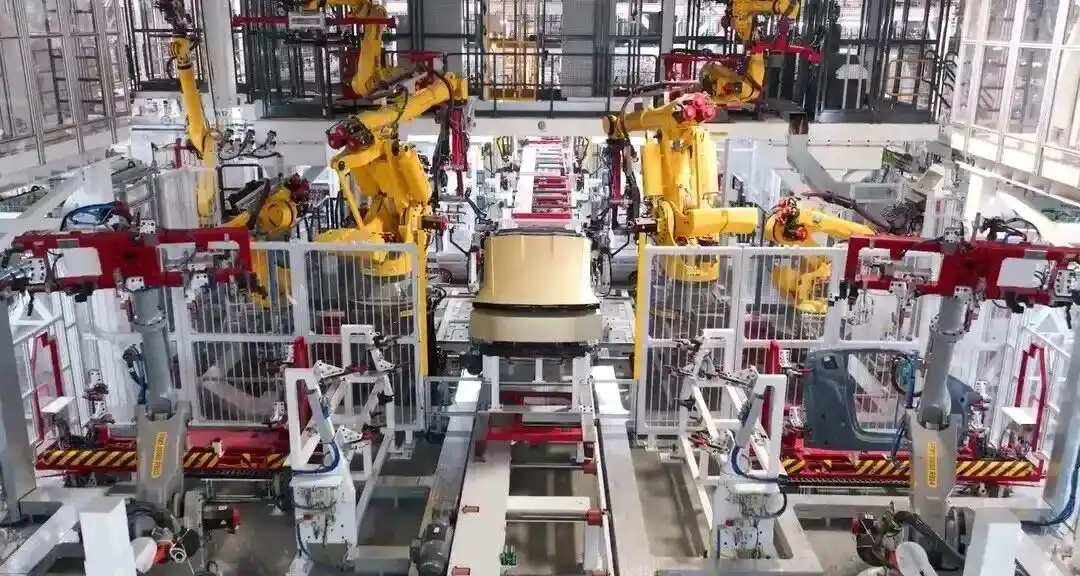
The automated production cycle time for the drive unit is compressed to under 10 seconds – traditional automakers take tens of minutes or even hours to assemble a high-performance motor; Tesla spits one out every 10 seconds.
Motor production line footprint is reduced by 50%. The cost of the next-generation drive unit is about $1000, and the demand for inverter silicon carbide chips has also decreased.
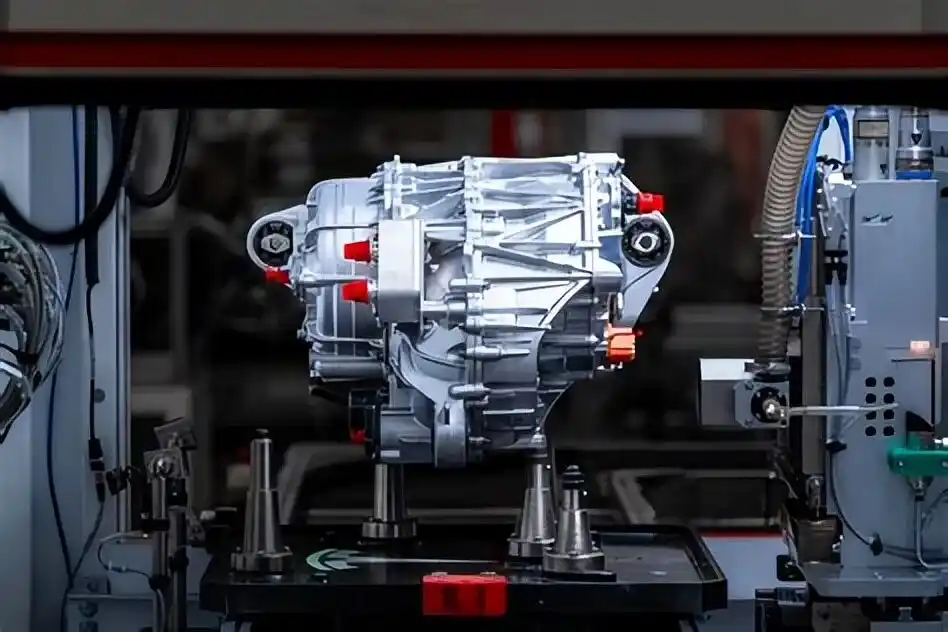
Rare earths saved, chips saved, space saved, labor saved, and cost reduced by $1000.
This shows Tesla is not just doing technical validation; it's doing mass production validation – zero rare earths is not a lab sample; it's a mass-produced product already installed in the Cybercab, rolling off the line one every 10 seconds, and costing even less.
From mining, separation, and refining to high-performance magnetic material manufacturing, China has a very complete industrial chain and a clear scale advantage in rare earths.
This sounds like an advantage, but for Tesla, it's a potential supply chain risk. 500 grams of rare earth per motor might not seem like much, but Tesla sells millions of cars a year. Adding future robotaxis and humanoid robots, motor demand could be several times or even over ten times the current level.
By then, whether key materials can be stably supplied is no longer a small issue.
Also, notice one detail: Tesla's zero-rare-earth motor is first deployed on the Cybercab, and the Cybercab's target market is primarily North America.
What does this mean? It means Tesla is building technical reserves for "de-sinicization of the North American supply chain." If geopolitical tensions escalate in the future, requiring vehicles sold in North America not to use Chinese rare earths, Tesla already has a ready-made solution.
And this is how Musk has always operated: while others are still discussing risks, he has already created the alternative solution.
Does China Still Hold Competitive Cards?
China's new energy vehicle supply chain is strong, and rare earths are our ace advantage. China not only possesses the world's richest rare earth reserves but also controls over 90% of global rare earth refining capacity and high-performance NdFeB magnet manufacturing capability.
From mining and separation to refining and magnetic material processing, China has established a near-absolute monopoly in this field.
In the past, to address this rare earth shortfall, new mines, new refineries, and new magnet factories have been slowly starting up in the US.
But whether it's re-procuring equipment, adjusting separation processes, or getting magnets validated by automakers, this cycle might not be completed in 3-5 years, and the product might not be competitive with Chinese companies.
Tesla has taken a new path. Waiting for the US industrial chain to be built would take forever. It's better to have its engineers redesign the motor – we won't use rare earths at all. Zero grams of rare earths – it's trying to rewrite the rules of the game.
This matter has a complex flavor for Chinese automakers. Advantages can sometimes turn into inertia – We have rare earths anyway, and they are cheap and good, so why bother developing zero-rare-earth motors?
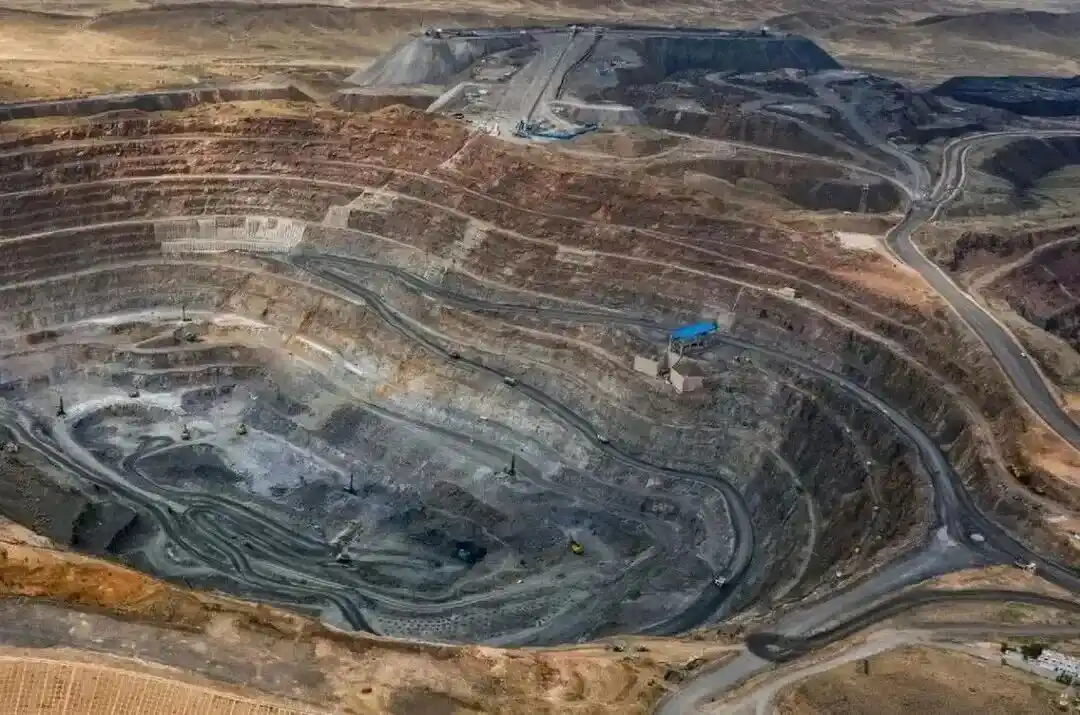
But Tesla's practical action tells you: Supply chain advantage does not equal a technological moat. Today you dominate the market with low rare earth costs; tomorrow, if others successfully commercialize a zero-rare-earth route with even lower costs, where is your advantage?
If future motor competition shifts from "whose magnet is stronger" to "who uses less material, is more efficient, and costs less," then rare earths are no longer an unavoidable critical point for the electric drive system, much like when lithium-ion batteries first emerged, no one expected they would take over half the sky from nickel-metal hydride batteries and internal combustion engine vehicles.
More critically, Tesla's move sets an example for global automakers: key materials are not impossible to circumvent.
This logic applies not only to rare earths but also to chips, battery materials, and all key supply chain links – as long as you are willing to invest and change your mindset, the previously thought unavoidable critical point might be circumvented by taking a different path.
In fact, the three technical routes for zero rare earths – synchronous reluctance, switched reluctance, and electrically excited – have all been deployed by Chinese companies long ago, and many are already in mass production.
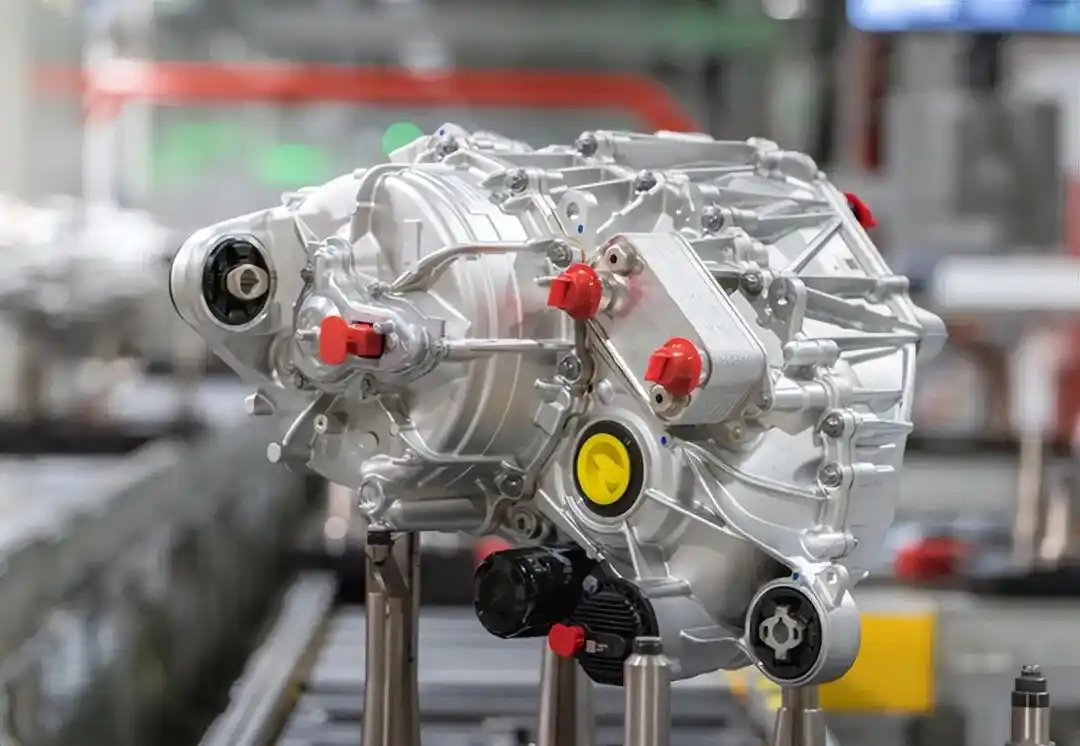
In the industrial field, Wolong Electric Drive and Inovance Technology's synchronous reluctance motors have been shipped in bulk for a long time, with a combined market share exceeding 34%, energy efficiency rivaling Siemens and ABB, and costs 30% lower.
In the automotive field, BYD's variable flux motor is already installed in vehicles, directly halving rare earth usage while increasing power by 12% and high-speed range by 15%; NIO and XPeng's electrically excited motor technology reserves were completed long ago. The electrically excited route used in the BMW iX3 – domestic automakers can do that too.
Tesla wanting to change the rules of the game is both a warning and an opportunity for Chinese companies.
The warning is: don't rest on your rare earth laurels; technological route shifts might happen faster than you think.
The opportunity is: since Tesla can pave the way for a zero-rare-earth route, Chinese automakers, with a more complete industrial chain, lower manufacturing costs, and a larger market scale, can walk this path even more steadily.
What Chinese automakers need to prepare for is: what you have, I can have too; what you don't have, I can still build. This is the key to winning the next phase of competition.
This article is from the WeChat public account "Hotspot Micro-Review" (ID: redianweiping), author: Wang Xinxi