TradFi in One Minute: What is TradFi?

marsbitPublicado a 2026-07-18Actualizado a 2026-07-18

Resumen

"TradFi in a Minute: What is TradFi?" provides an introductory explanation of TradFi, or Traditional Finance. It describes TradFi as the foundational system that drives the flow of funds and market operations. The article emphasizes that even the cryptocurrency (Crypto) market must operate within the rules established by this traditional financial framework. The content is presented alongside an introductory video, framing this as the first episode in a series called "TradFi 101" aimed at exploring the underlying logic of the traditional financial system.

Understanding the true meaning of TradFi: It is the underlying system that drives capital flow and market operation, and even the crypto market cannot escape its rules.

What is TradFi?

TradFi (Traditional Finance) is traditional finance. It is the underlying system that drives capital flow and market operation.

In the first episode of "TradFi 101," we will provide an in-depth analysis of the underlying logic of the traditional financial system and explain why even cryptocurrencies (Crypto) must follow its rules.

Criptos en tendencia

Preguntas relacionadas

QWhat does TradFi stand for?

ATradFi stands for Traditional Finance.

QAccording to the article, what is TradFi's fundamental role?

AIt is the underlying system that drives the flow of capital and the operation of markets.

QDoes the cryptocurrency market operate independently of TradFi's rules?

ANo, the article states that even the cryptocurrency (Crypto) market must follow the rules of TradFi.

QWhat does the article suggest the video 'TradFi 101' will explain?

AIt will deeply analyze the underlying logic of the traditional financial system and why cryptocurrencies must follow its rules.

QWhere is the introductory video for this article embedded from?

AThe video is embedded from Bilibili.

Lecturas Relacionadas

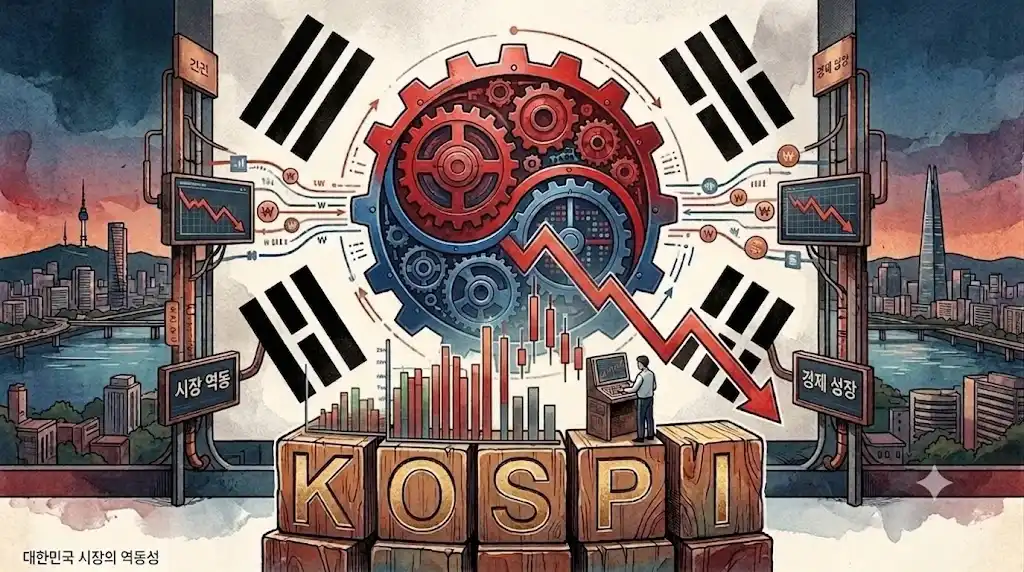
From the "National Fortune ETF" to "Bloody July": How to Defuse South Korea's Stock Market Leverage Crisis?

From "National Destiny ETF" to "Bloody July": How South Korea's Stock Market Leverage Crisis Unfolded In mid-July, South Korea's stock market experienced an epic "deleveraging" storm. Leveraged ETFs tied to semiconductor giants like Samsung and SK Hynix, once marketed as a shortcut to wealth, turned into financial shredders as market sentiment reversed. Over nine trading days, losses in popular leveraged ETFs exceeded 59.5 billion USD, with retail investors bearing 60% of the impact. Data shows散户 investors suffered losses of around 1.45 billion USD in a month. A severe wave of margin calls affected over 1.2 million accounts, leading to the complete liquidation of 460,000 accounts, 62% of which belonged to investors in their 20s and 30s. The crisis peaked around July 13th, with SK Hynix plunging over 15% and related 2x leveraged ETFs crashing 30%. The daily rebalancing mechanism within leveraged ETFs amplified the sell-off into a stampede. The situation was worsened by a credit crunch, as major banks neared their annual household lending caps, leaving散户 unable to borrow funds to meet margin calls. An unexpected 25-basis-point rate hike by the Bank of Korea on July 16th further intensified the panic. Facing mounting political pressure, President李在明 intervened. Financial authorities quickly announced seven stringent measures, including banning new sales of single-stock leveraged ETFs, raising investment thresholds, and strengthening risk warnings. The regulatory approach focused not on forcibly liquidating existing products but on restricting new inflows, aiming for a gradual market cool-down. However, risks persist, with over 235.5 billion USD in margin loan balances still outstanding in the market. The crisis served as a stark reminder of the dangers of excessive leverage, especially for retail investors, when speculative bubbles built on easy credit and complex products inevitably burst.

marsbitHace 2 hora(s)

From the "National Fortune ETF" to "Bloody July": How to Defuse South Korea's Stock Market Leverage Crisis?

marsbitHace 2 hora(s)

Trading

Spot

Artículos destacados

Cómo comprar ONE

¡Bienvenido a HTX.com! Hemos hecho que comprar Harmony (ONE) sea simple y conveniente. Sigue nuestra guía paso a paso para iniciar tu viaje de criptos.Paso 1: crea tu cuenta HTXUtiliza tu correo electrónico o número de teléfono para registrarte y obtener una cuenta gratuita en HTX. Experimenta un proceso de registro sin complicaciones y desbloquea todas las funciones.Obtener mi cuentaPaso 2: ve a Comprar cripto y elige tu método de pagoTarjeta de crédito/débito: usa tu Visa o Mastercard para comprar Harmony (ONE) al instante.Saldo: utiliza fondos del saldo de tu cuenta HTX para tradear sin problemas.Terceros: hemos agregado métodos de pago populares como Google Pay y Apple Pay para mejorar la comodidad.P2P: tradear directamente con otros usuarios en HTX.Over-the-Counter (OTC): ofrecemos servicios personalizados y tipos de cambio competitivos para los traders.Paso 3: guarda tu Harmony (ONE)Después de comprar tu Harmony (ONE), guárdalo en tu cuenta HTX. Alternativamente, puedes enviarlo a otro lugar mediante transferencia blockchain o utilizarlo para tradear otras criptomonedas.Paso 4: tradear Harmony (ONE)Tradear fácilmente con Harmony (ONE) en HTX's mercado spot. Simplemente accede a tu cuenta, selecciona tu par de trading, ejecuta tus trades y monitorea en tiempo real. Ofrecemos una experiencia fácil de usar tanto para principiantes como para traders experimentados.

326 Vistas totalesPublicado en 2024.12.12Actualizado en 2026.06.02

Cómo comprar ONE

Discusiones

Bienvenido a la comunidad de HTX. Aquí puedes mantenerte informado sobre los últimos desarrollos de la plataforma y acceder a análisis profesionales del mercado. A continuación se presentan las opiniones de los usuarios sobre el precio de ONE (ONE).

活动图片