zcashd shuts down, Zcash enters Ironwood era: Is quantum-resistant privacy the future?

ambcryptoPublicado a 2026-07-20Actualizado a 2026-07-20

Resumen

Zcash has completed its infrastructure transition by retiring the original zcashd software and fully adopting the Rust-based Zebra and Zakura node implementations. This shift, finalizing in July 2024, enhances network maintainability and prepares for the upcoming Ironwood era. Despite a previously disclosed vulnerability in the Orchard shielded pool, user confidence appears resilient. Shielded transaction volume grew 11.1% quarter-over-quarter, and the anonymity set expanded significantly, even as total shielded balances saw a moderate decline. The prompt containment of the Orchard flaw, which did not threaten total ZEC supply, demonstrated effective protocol safeguards. The incoming Ironwood upgrade aims to further strengthen long-term security through formal verification and quantum-resistant features, moving Zcash from reactive fixes to proactive, verifiable security assurances.

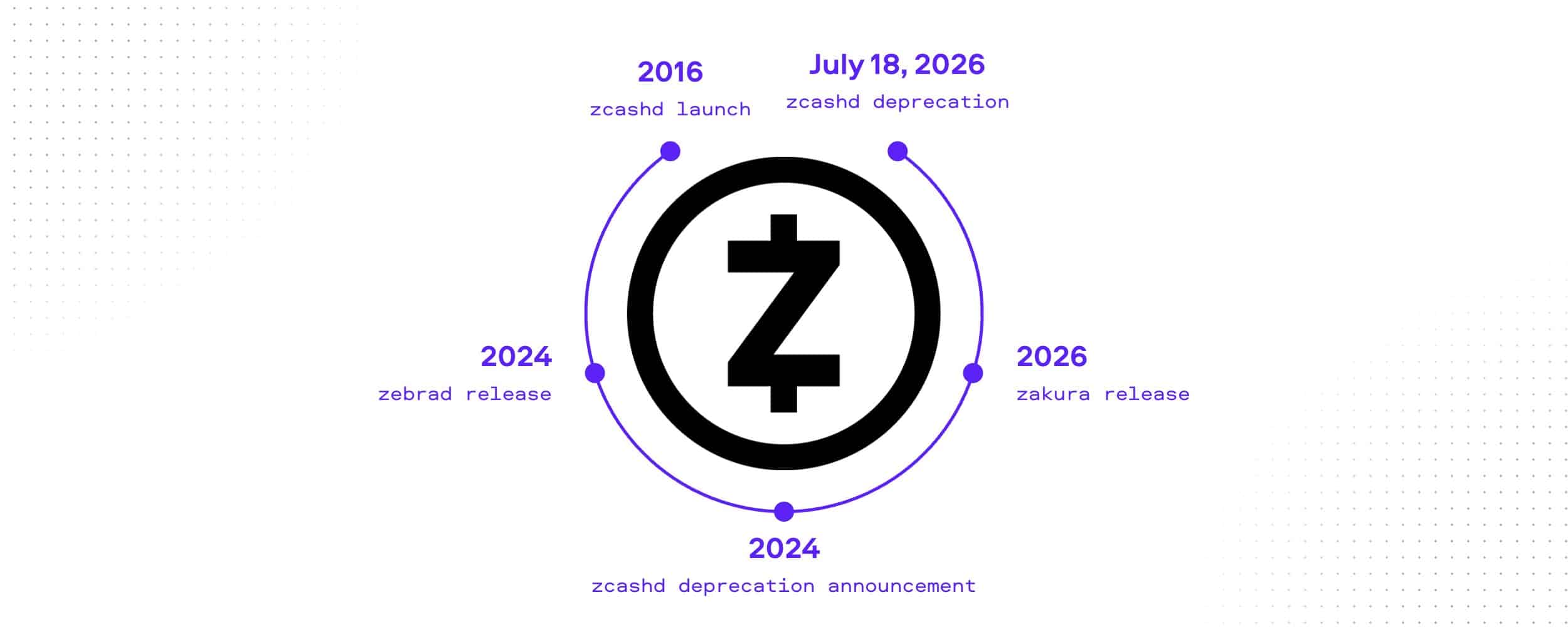
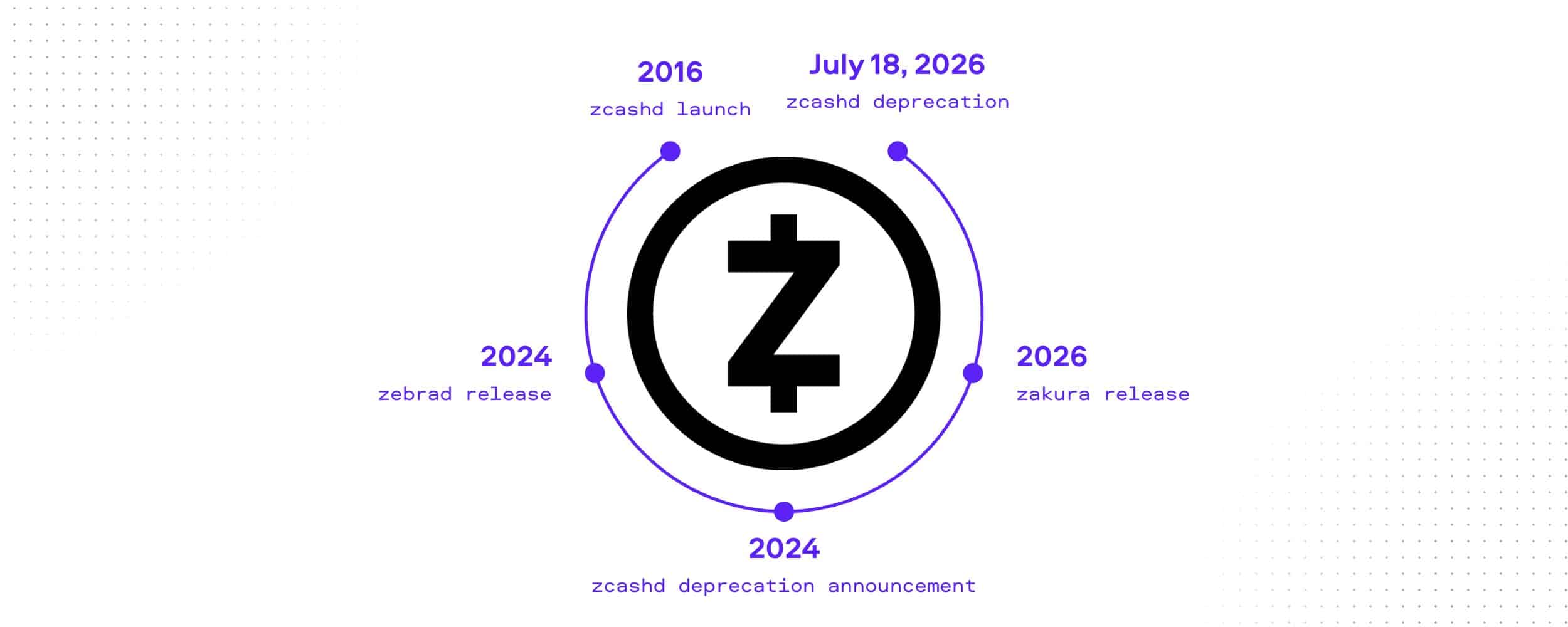
Zcash’s infrastructure has entered a new phase as the network completes its transition away from its original software implementation. That evolution took nearly a decade, beginning with zcashd’s 2016 launch before Zebra’s 2024 release introduced a Rust-based alternative.

After the 2024 deprecation notice, node operators had enough time to switch over before the planned retirement. On the 18th of July, zcashd reached end of support at block height 3417100.
Source: X

Meanwhile, Zakura completed the new node ecosystem. Rather than simply replacing legacy software, the transition strengthens maintainability, prepares the network for Ironwood, and reduces long-term operational risk.

Zcash’s adoption remains intact

Completing Zcash’s infrastructure transition did not remove the market’s biggest question. Instead, it shifted attention to whether users still trusted the network after the Orchard vulnerability. Early activity suggests that confidence largely held.

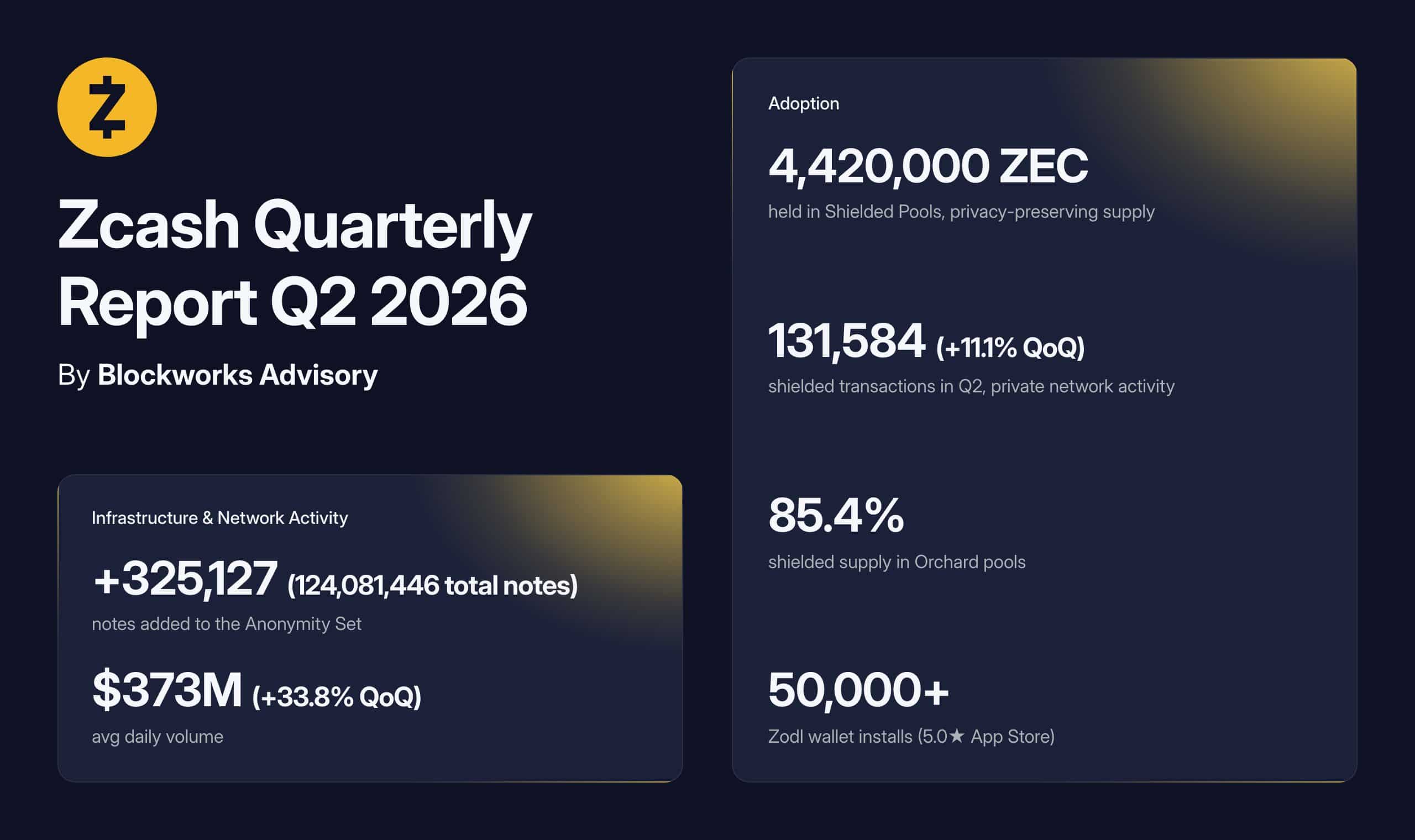
Although shielded balances declined 14% to 4.42 million ZEC, users continued relying on private transactions, which rose 11.1% QoQ to 131,584.
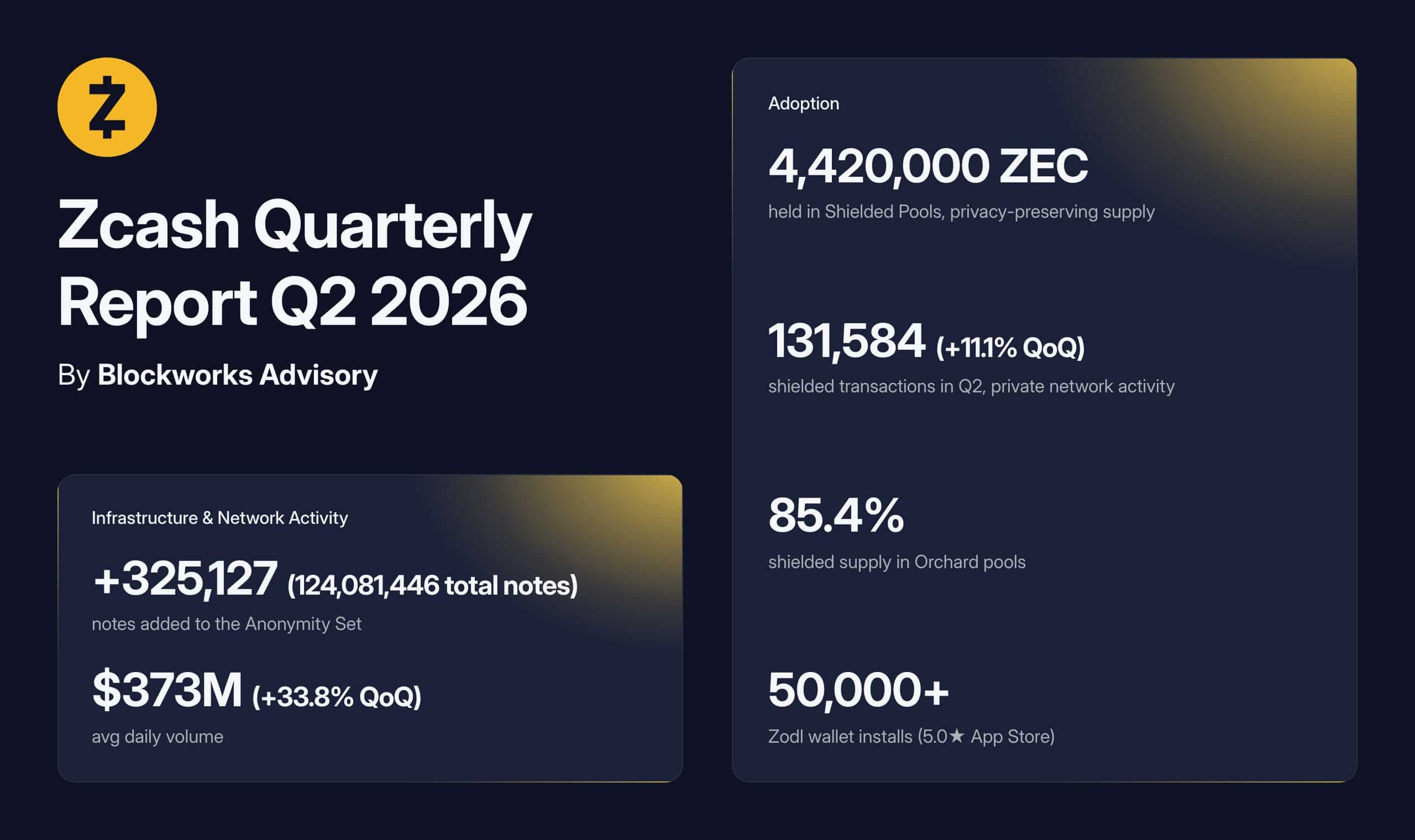
Source: Zcash on X

This trend became even more significant as the anonymity set for ZCash expanded by 325,127 units to 124.08 million.

This indicated an increase in participants using ZCash for privacy purposes. In addition, average daily trading volume increased by 33.8% QoQ to $373 million. This further reinforces that overall use of the network has been increasing.

Rather than reflecting weakening adoption, these trends point to cautious capital repositioning while confidence in Zcash’s privacy infrastructure remained intact.

Formal verification reinforces protocol integrity

Even resilient blockchain networks are ultimately judged by how they respond to critical security threats. Zcash faced such a test when researchers found a flaw in Orchard shielded pools that secured roughly 85% of shielded value.

But the flaw stayed contained because disclosure was coordinated, and developers were able to release an emergency fix within days. More importantly, this flaw allowed forgery inside Orchard rather than inflating the total supply of ZEC.

The turnstile mechanism prevented forged funds from leaving the pool other than legitimate deposits. Looking ahead, Ironwood strengthens this protection through formal verification and quantum recovery too.

Together these upgrades move Zcash from reactive fixes towards stronger assurances of long-term security and confidence within the ecosystem.


Final Summary

  • Zcash [ZEC] completed its migration to Zebra and Zakura, strengthening infrastructure while maintaining resilient network activity.
  • Zcash enters the Ironwood era with formal verification and quantum recovery, reinforcing long-term protocol security.


Criptos en tendencia

Preguntas relacionadas

QWhat was the original software implementation of Zcash that has now been retired?

AThe original software implementation was zcashd, which was launched in 2016 and reached end of support on July 18th at block height 3417100.

QWhat are the two new software components mentioned that complete Zcash's node ecosystem?

AThe two new software components are Zebra, a Rust-based alternative released in 2024, and Zakura, which completed the new node ecosystem.

QDespite a 14% decline in shielded balances, what positive trends in network usage were observed?

APositive trends included an 11.1% quarterly increase in private transactions to 131,584, a significant expansion of the anonymity set by 325,127 units to 124.08 million, and a 33.8% QoQ increase in average daily trading volume to $373 million.

QWhat was the nature of the vulnerability found in the Orchard shielded pools, and how was it contained?

AThe vulnerability was a flaw that allowed forgery within the Orchard shielded pools. It was contained through coordinated disclosure, an emergency fix released within days, and the existing turnstile mechanism that prevented the forged funds from leaving the pool.

QWhat two key features does the upcoming Ironwood era introduce to strengthen Zcash's protocol?

AThe Ironwood era introduces formal verification and quantum recovery features to reinforce long-term protocol security and confidence.

Lecturas Relacionadas

New Fire Research Institute: Inflation May Become a Stubborn Problem, Can Cryptocurrencies Achieve Independent Performance in the Short Term?

New Fire Research Institute argues that despite the recent U.S. June CPI decline to 3.5% year-on-year—primarily driven by energy—core goods inflation remains persistent, with core PCE likely showing slight growth. Federal Reserve Chairman Wash has emphasized the Fed's independence and a "zero tolerance" stance on inflation, suggesting a continued hawkish posture that will pressure risk assets, especially if energy prices rise again. Concurrently, the semiconductor memory sector faces structural pressures, as seen in significant sell-offs for Micron and SK Hynix. High leverage in markets like South Korea is triggering deleveraging, amplifying volatility. Investors are also questioning the sustainability of AI-related capital expenditures. In contrast, the crypto market showed relative stability last week, with BTC and ETH gaining slightly. Positive developments include a shift to net inflows for U.S. Bitcoin spot ETFs, a narrowing Coinbase discount, and strong activity on the Robinhood Chain ecosystem. The potential advancement of the U.S. CLARITY Act provides a policy catalyst. Overall, the probability of an independent crypto bull run in the short term is low, given overarching macro pressures. However, fundamentals are improving with ETF inflows and robust on-chain activity, providing solid support. Technically, BTC and ETH show strong support at key moving averages. New Fire Research maintains that Bitcoin around $60,000 represents a high-value allocation zone, with limited downside risk near current levels. The true bull market catalyst awaits a confirmed market bottom combined with a macro policy shift and legislative progress.

marsbitHace 18 min(s)

New Fire Research Institute: Inflation May Become a Stubborn Problem, Can Cryptocurrencies Achieve Independent Performance in the Short Term?

marsbitHace 18 min(s)

Base Under Pressure

**Title: The Pressure Mounts for Base** Base, the Ethereum Layer 2 scaling solution backed by Coinbase, is facing significant pressure and public scrutiny from its leadership following the launch of Robinhood Chain. Base co-founder Jesse Pollak recently acknowledged strategic missteps, admitting that the chain's past focus on social and creator tokens (e.g., through Farcaster, Zora) failed to deliver sustainable adoption. He has refocused on core infrastructure, handing leadership of the Base App back to Coinbase's Cobie. While Base remains a top L2 contender alongside OP Mainnet and Arbitrum, and boasts the highest TVL (nearly $12B), its weaknesses are being highlighted by the new competitor. Key criticisms include its slow progress on decentralization. Base has faced issues with its single sequencer causing block production halts, and L2BEAT is reportedly considering downgrading its decentralization rating from Stage 1 to Stage 0. This contrasts sharply with the rapid initial success of Robinhood Chain, whose DEX quickly entered the top five by volume. The leadership styles of the parent companies are also being compared: Robinhood's CEO actively engages with new projects, while a recent incident where Coinbase's Brian Armstrong briefly changed his profile picture—sparking and then crashing a related meme token—drew community ire and mockery. Pollak stated Base is working with Coinbase on tokenized stocks backed 1:1 by real equity, differentiating it from Robinhood's derivatives model. However, the article argues that Base's most urgent task is to address its long-standing technical and trust issues. With more traditional finance players likely to emulate Robinhood's path, Base must use this competitive pressure to solidify its position as long-term financial infrastructure.

Foresight NewsHace 35 min(s)

Base Under Pressure

Foresight NewsHace 35 min(s)

White House Concession Removes Ethical Hurdle, Clarity Act Races Against Final Window Before Recess?

On July 21st, industry sources reported that the Trump administration has agreed to include an ethics provision in the "Clarity Act" (Digital Asset Market Clarity Act of 2025). This concession addresses the long-standing conflict-of-interest concerns regarding government officials and the crypto industry, potentially removing the final major obstacle to the bill's progress. Additionally, Patrick Witt, the executive director of the White House's Digital Asset Advisory Committee, confirmed he will remain in his role to help finalize the bill, alleviating previous concerns about his potential departure. The Clarity Act aims to establish a unified federal regulatory framework for the U.S. digital asset market. Its core objective is to resolve regulatory ambiguity by defining different types of digital assets (digital commodities, investment contract assets, and permitted payment stablecoins) and clarifying the respective oversight roles of the SEC and CFTC. This would end the long-running jurisdictional dispute between the two agencies and provide clearer compliance paths for the industry. With the ethics issue moving toward resolution, the most urgent challenge now is time. The U.S. Congress is set to begin its August recess in mid-August, leaving only a few working weeks to finalize the text and advance the bill through the Senate. Industry advocates, like the Blockchain Association's Kristin Smith, stress that this is a critical moment. If negotiations conclude successfully in the coming weeks, the Clarity Act could pass a key hurdle before the recess; otherwise, it may face significant delays. If enacted, the Clarity Act could mark a historic turning point in crypto regulation. By providing a clearer and more predictable legal framework, it aims to reduce uncertainty for businesses, developers, and traditional financial institutions looking to enter the digital asset space, potentially setting a global benchmark for market structure regulation.

Odaily星球日报Hace 41 min(s)

White House Concession Removes Ethical Hurdle, Clarity Act Races Against Final Window Before Recess?

Odaily星球日报Hace 41 min(s)

Trading

Spot

Artículos destacados

Cómo comprar ERA

¡Bienvenido a HTX.com! Hemos hecho que comprar Caldera (ERA) sea simple y conveniente. Sigue nuestra guía paso a paso para iniciar tu viaje de criptos.Paso 1: crea tu cuenta HTXUtiliza tu correo electrónico o número de teléfono para registrarte y obtener una cuenta gratuita en HTX. Experimenta un proceso de registro sin complicaciones y desbloquea todas las funciones.Obtener mi cuentaPaso 2: ve a Comprar cripto y elige tu método de pagoTarjeta de crédito/débito: usa tu Visa o Mastercard para comprar Caldera (ERA) al instante.Saldo: utiliza fondos del saldo de tu cuenta HTX para tradear sin problemas.Terceros: hemos agregado métodos de pago populares como Google Pay y Apple Pay para mejorar la comodidad.P2P: tradear directamente con otros usuarios en HTX.Over-the-Counter (OTC): ofrecemos servicios personalizados y tipos de cambio competitivos para los traders.Paso 3: guarda tu Caldera (ERA)Después de comprar tu Caldera (ERA), guárdalo en tu cuenta HTX. Alternativamente, puedes enviarlo a otro lugar mediante transferencia blockchain o utilizarlo para tradear otras criptomonedas.Paso 4: tradear Caldera (ERA)Tradear fácilmente con Caldera (ERA) en HTX's mercado spot. Simplemente accede a tu cuenta, selecciona tu par de trading, ejecuta tus trades y monitorea en tiempo real. Ofrecemos una experiencia fácil de usar tanto para principiantes como para traders experimentados.

420 Vistas totalesPublicado en 2025.07.17Actualizado en 2026.06.02

Cómo comprar ERA

Discusiones

Bienvenido a la comunidad de HTX. Aquí puedes mantenerte informado sobre los últimos desarrollos de la plataforma y acceder a análisis profesionales del mercado. A continuación se presentan las opiniones de los usuarios sobre el precio de ERA (ERA).

活动图片