Original | Odaily Planet Daily (@OdailyChina)
Author | Wenser(@wenser 2010)

While global stock markets are undergoing a phase of adjustment, the crypto bear market persists. Amid the bleak market sentiment, some crypto projects continue to exhibit strong cash-generating capabilities.
According to Tokenomist statistics, since January this year, token repurchase volumes for 8 crypto projects, including Hyperliquid, Meteora, and Pump.fun, have far exceeded the growth in their token supply. Among them, HYPE's repurchase volume reached a staggering $283 million, accounting for 3% of its supply. Under the same market conditions, the survival landscape for crypto projects varies dramatically. Odaily Planet Daily will provide a brief overview of the above 8 'cash cow' projects that continue to generate stable cash flows, offering readers insight into the true 'repurchase champions' in the current crypto market.
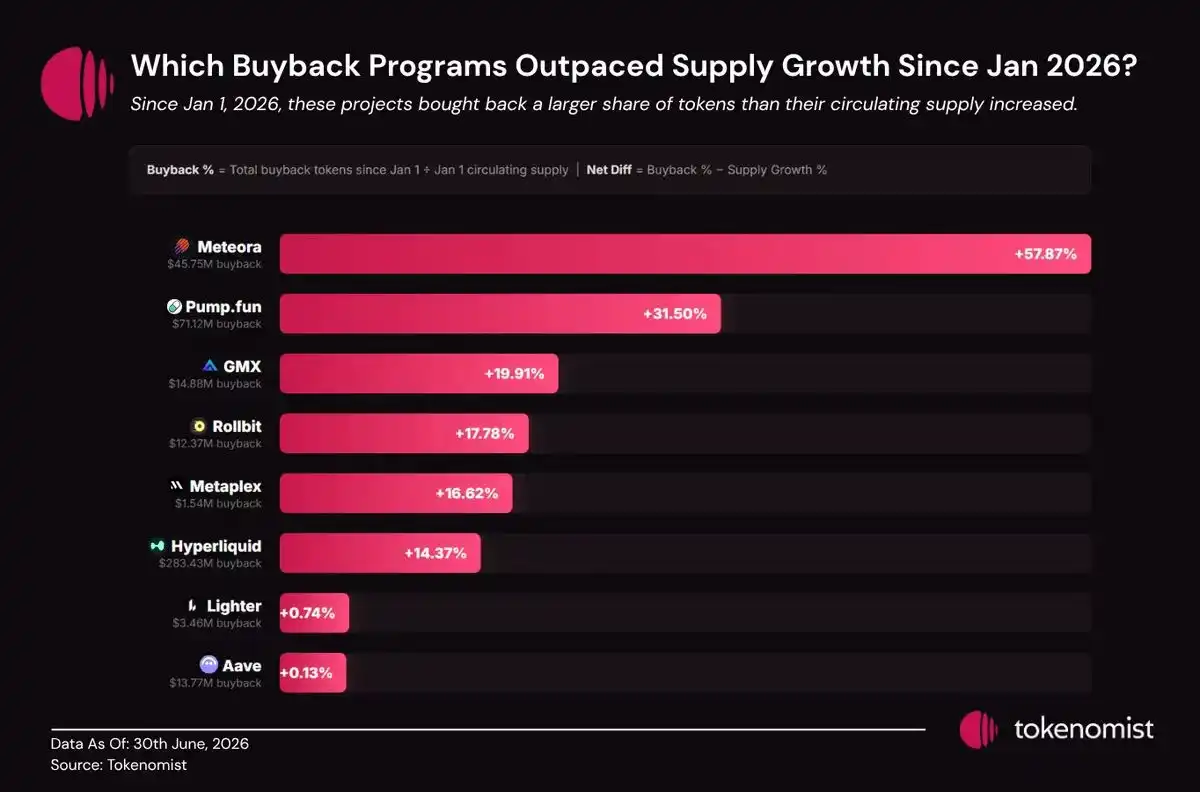
The 'Big Eight' Cash Generators in the Bear Market: Perp DEX, DeFi, and Memecoin Launchpad Feature Prominently
According to Tokenomist data, as of June 30th, the 8 projects with year-to-date token repurchase volumes exceeding their circulating supply growth are:
- MET: Repurchase ratio 71%; Supply growth +13%;
- PUMP: Repurchase ratio 7%; Supply growth -24%;
- GMX: Repurchase ratio 21%; Supply growth +1%;
- RLB: Repurchase ratio 10%; Supply growth -8%;
- MPLX: Repurchase ratio 8%; Supply growth -8%;
- HYPE: Repurchase ratio 3% (value $283 million); Supply growth -11%;
- LIT: Repurchase ratio 1%; Supply growth 0%;
- AAVE: Repurchase ratio 1%; Supply growth +1%.
Among these, Meteora (MET) had the most significant impact on its circulating supply through repurchases. Its supply increased by only 13%, currently reported at 535.4 million tokens, while the repurchase volume reached 336.2 million tokens, equivalent to 71% of its January token supply. Meanwhile, Hyperliquid (HYPE) had the largest repurchase amount in dollar terms, at $283 million, accounting for 3% of its token supply, while its token supply decreased by 11% during the same period. The following are detailed introductions.
Hyperliquid: Year-to-Date Repurchase Amount Reaches $283 Million
According to CryptoBriefing statistics, since the beginning of 2026, Hyperliquid's token repurchase amount has reached $283 million, setting a record for the largest-scale token repurchase amount in the industry. As of July 3rd, its cumulative token repurchase amount has exceeded $1.1 billion.
On March 20th last year, Hyperliquid officially launched its token repurchase mechanism, stating that 97-99% of Hyperliquid's trading fees would be directly used to purchase and burn HYPE tokens. As of October last year, HYPE token repurchase funds had reached $645 million. Quarterly data shows a gradually increasing trend in repurchase scale: Q3 2025 was $316.76 million; Q4 2025 was $255.05 million; Q1 2026 was $192.25 million. Previously, the average monthly repurchase funds ranged between $65 million and $85 million.
Currently, the Hyperliquid platform has burned 44 million HYPE tokens through repurchases, representing approximately 4.4% of the total supply.
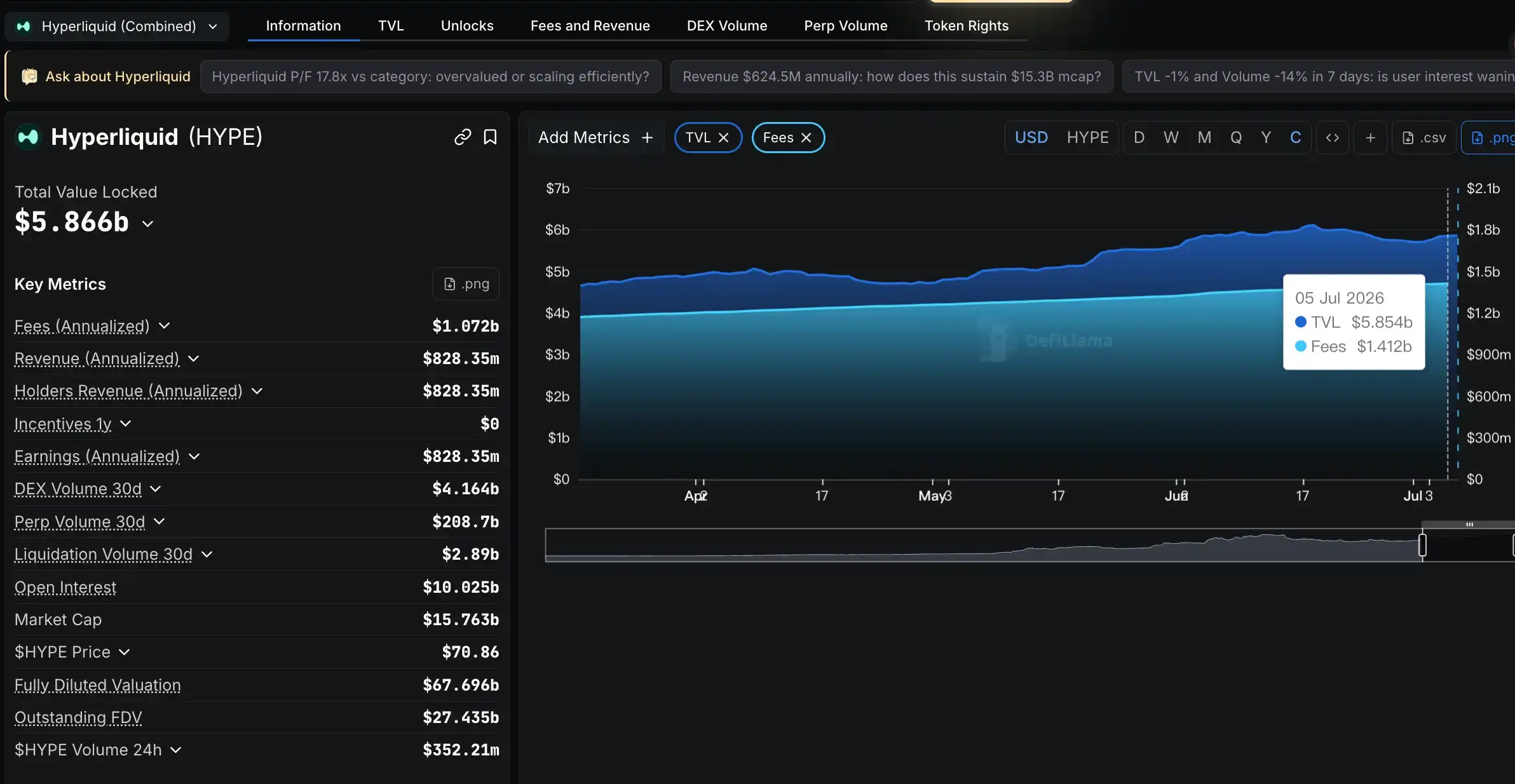
Currently, the HYPE token price is around $70. Additionally, according to DefiLlama data, as of July 5th, the Hyperliquid platform's cumulative fees are approximately $1.412 billion, and its total TVL is about $5.854 billion; annual fees are approximately $1.072 billion.
Pump.fun: Repurchased Over $71 Million Worth of PUMP Tokens This Year
In March 2024, the Meme coin frenzy ignited by the Solana ecosystem swept across the entire crypto market, and Pump.fun quickly became the hottest Meme coin launch platform at the time. Although the Meme coin hype later cooled down, Pump.fun has remained active in the crypto market, firmly positioning itself among the cash cow projects through mechanisms like token launches, product updates, and creator revenue sharing.
Data shows that Pump.fun has cumulatively repurchased over $400 million worth of PUMP tokens, covering approximately 145.5 billion PUMP. The repurchase plan started in July 2025 and has continued for 346 days cumulatively.
Since April this year, Pump.fun began using 50% of its net revenue for token repurchase and burn, with the remaining revenue allocated to operations, hiring, and acquisitions.
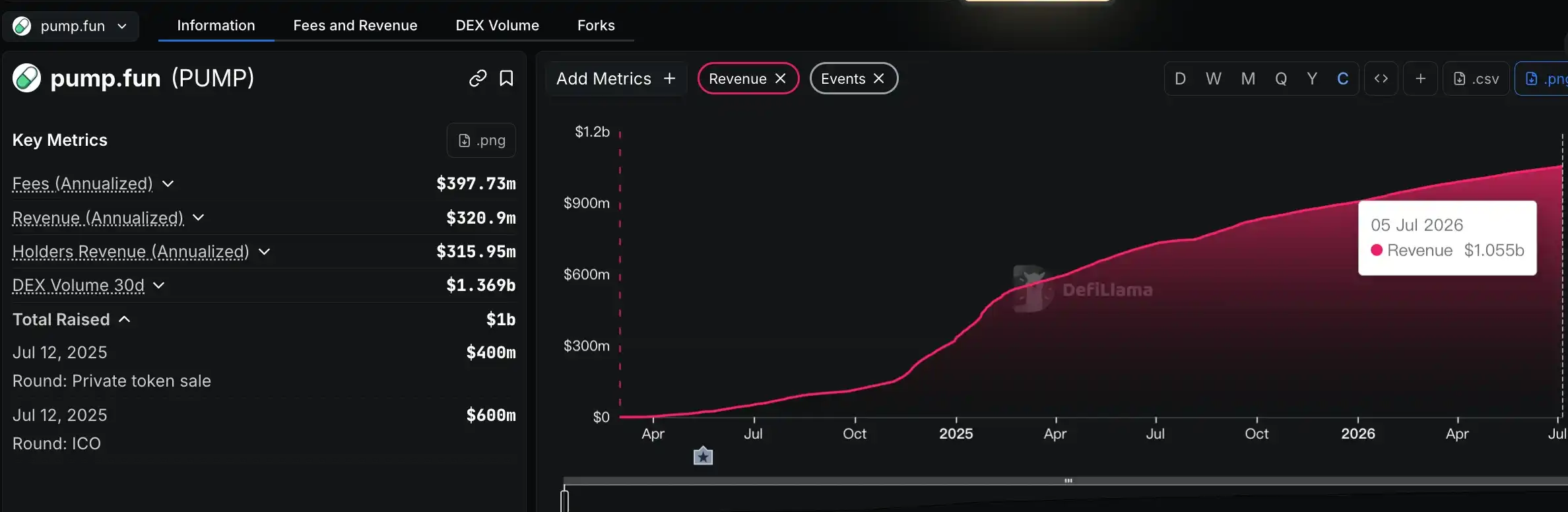
DefiLlama data shows that since its launch in January 2024, the platform has generated approximately $1.13 billion in fees and $1.05 billion in revenue, with fees in the last 30 days dropping to about $18.66 million.
Currently, the PUMP token price is around $0.0016.
Lighter: Repurchased Over 15.5 Million LIT Tokens This Year
As another on-chain Perp DEX platform following Hyperliquid, Lighter's answer is a combination of 'compliance + repurchase.'
Recently, Vladimir Novakovski, founder and CEO of Lighter, announced that he had joined the U.S. Commodity Futures Trading Commission (CFTC) Innovation Advisory Committee as a member. Previously, Lighter announced integration with Robinhood Wallet, allowing users to conduct perpetual contract trading directly through the wallet. Coupled with the token repurchase news, the LIT token price has also seen a nice rally recently.
According to an official announcement by Lighter on July 1st, since the first token repurchase began in January this year, approximately 15.5 million LIT tokens have been repurchased and burned, accounting for 6.3% of the total circulating supply.
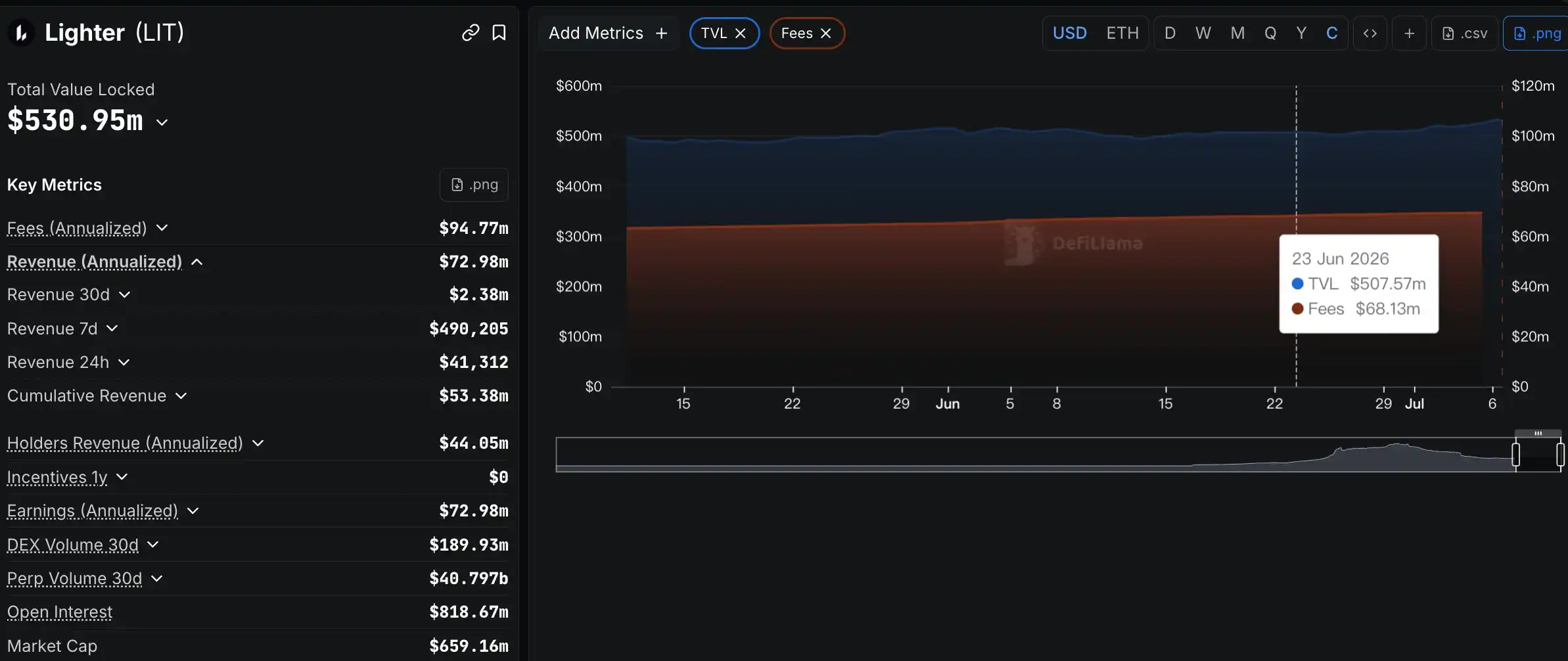
According to DefiLlama data, Lighter's cumulative fee revenue is approximately $68 million, TVL is about $507 million, and protocol revenue over the past 30 days is approximately $2.38 million.
Currently, the LIT token price is around $2.59.
Aave: Year-to-Date Repurchase Amount Exceeds $13.7 Million
On April 9th, 2025, the Aave repurchase proposal passed with an overwhelming 99.63% support rate. According to the proposal, Aave would repurchase $1 million worth of tokens weekly for the following six months, with the first repurchase executed on April 10th.
By July last year, the protocol had cumulatively spent $10 million to repurchase 50,000 AAVE tokens, with an average cost of $199.74. Based on the market price of $264 at the time, this portion of treasury reserves had generated approximately $3 million in unrealized gains. (Supplementary reading: 'Aave's Major Economic Model Overhaul: Anti-GHO Mechanism + Token Repurchase, Boosting AAVE Price by 20%')
This year, after the massive $290+ million security incident involving KelpDAO, Aave faced a 'DeFi trust crisis' due to bad debt issues. In less than a week, outflows amounted to over $17 billion (TVL), and at one point, it faced a near $8.5 billion deposit run risk. Subsequently, through founder injections and fundraising from the DeFi United event, Aave successfully navigated the crisis, but the AAVE token and platform TVL inevitably suffered severe impacts.
Notably, by October last year, Aave's repurchased AAVE tokens had already exceeded 100,000, with a total cost of around $24 million. In March this year, Aave initiated and passed a proposal to reduce its annual repurchase budget from $50 million to $30 million. Currently, Aave's repurchased AAVE tokens exceed 200,000. At the end of last month, Aave CEO Stani stated that the team is designing Aavenomics 3.0, planning to introduce a new automated, non-discretionary repurchase mechanism, and emphasized that they 'would never sell AAVE at a 30% discount.'
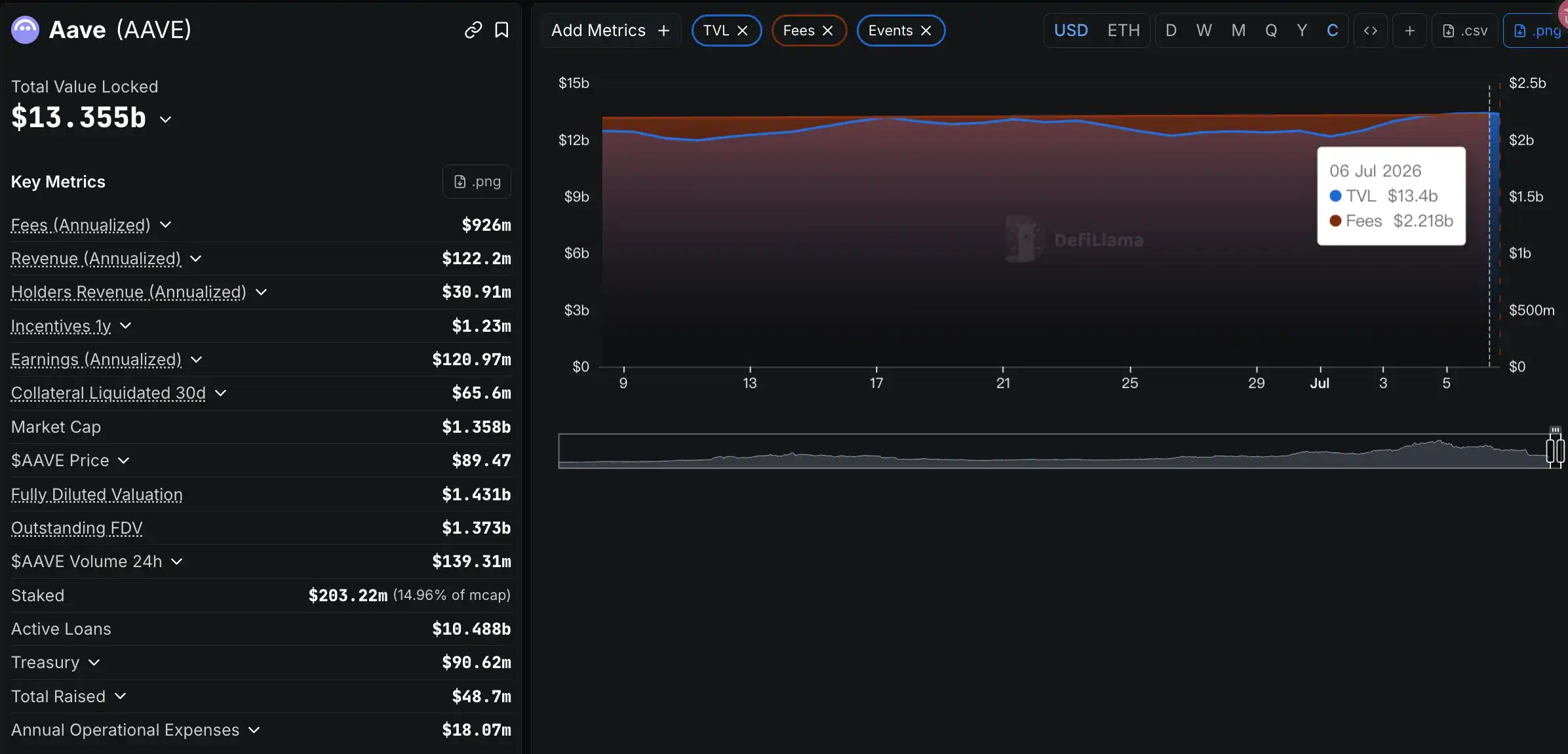
According to DefiLlama data, as of July 6th, Aave protocol's cumulative fees reached $2.218 billion; TVL is currently reported at $13.4 billion.
Currently, the AAVE token price is around $89.
Meteora: Year-to-Date Cumulative Repurchase Amount Exceeds $45 Million
Last December, Meteora's official announcement stated that it had allocated 10 million USDC for repurchases in Q4 2025, recovering approximately 2.3% of MET. The total amount would continue to be autonomously executed from the same repurchase address in the future.
According to Tokenomist data, MET's circulating supply increased from 472.8 million on January 1st, 2026, to 535.4 million (total supply 1 billion tokens), a growth of 13.2%. Meanwhile, Meteora officially repurchased 336.2 million tokens, valued at $45.75 million, which accounts for 71% of its token supply at the beginning of the year.
This February, Meteora was embroiled in controversy after on-chain detective ZachXBT exposed employee insider trading. However, it ultimately weathered the storm due to its platform's deep integration within the Solana ecosystem and strong ties with the Jupiter ecosystem, remaining active in the crypto market. Recently, its second-season LP incentive event concluded, with related rewards to be distributed later.
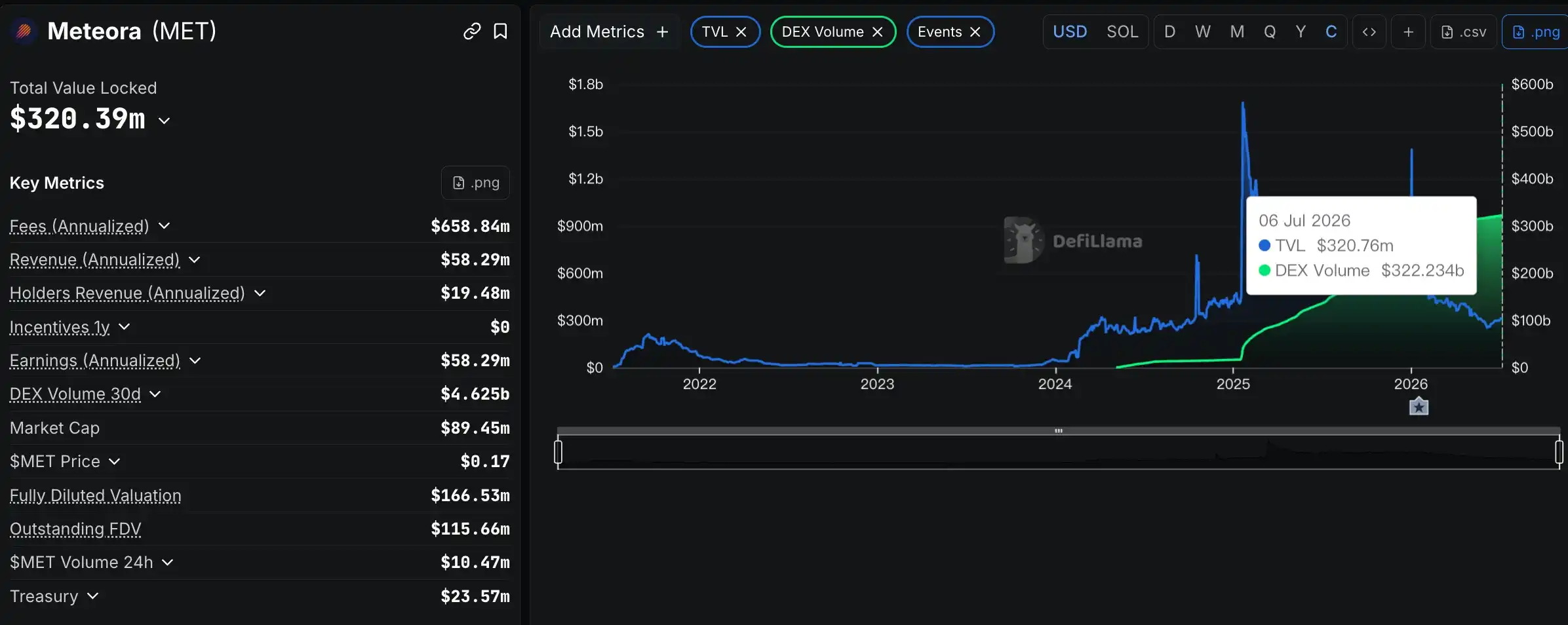
According to DefiLlama data, its cumulative trading volume is around $322.2 billion; TVL is currently reported at $320 million; its protocol revenue over the past 30 days is $1.92 million.
Currently, the MET token price is around $0.17.
GMX: Year-to-Date Repurchase Amount Reaches $14.88 Million
As early as July 2024, GMX initiated a proposal to start repurchasing and distributing GMX tokens. In November last year, GMX proposed to increase the coverage of repurchase and distribution fees from 27% to 90%, and raise the allocation ratio for the GMX Treasury to 73% to support the token repurchase and airdrop mechanism. It was estimated that monthly GMX repurchases would increase to 345,534 tokens, with a repurchase value reaching $8.489 million.
As of October 23rd last year, GMX repurchases were approximately 1.33 million tokens. Subsequently, GMX continued its token repurchases. In March this year, the GMX DAO passed a governance plan to adjust repurchases and liquidity to restore price discovery.
According to an official GMX announcement on July 1st, between March 5th and June 30th this year, a total of $1.965 million was spent to repurchase 313,650 GMX tokens at an average price of $6.27, with Q2 repurchase funds amounting to $1.41 million. According to Tokenomist data, GMX's current repurchase ratio is approximately 41.22%.
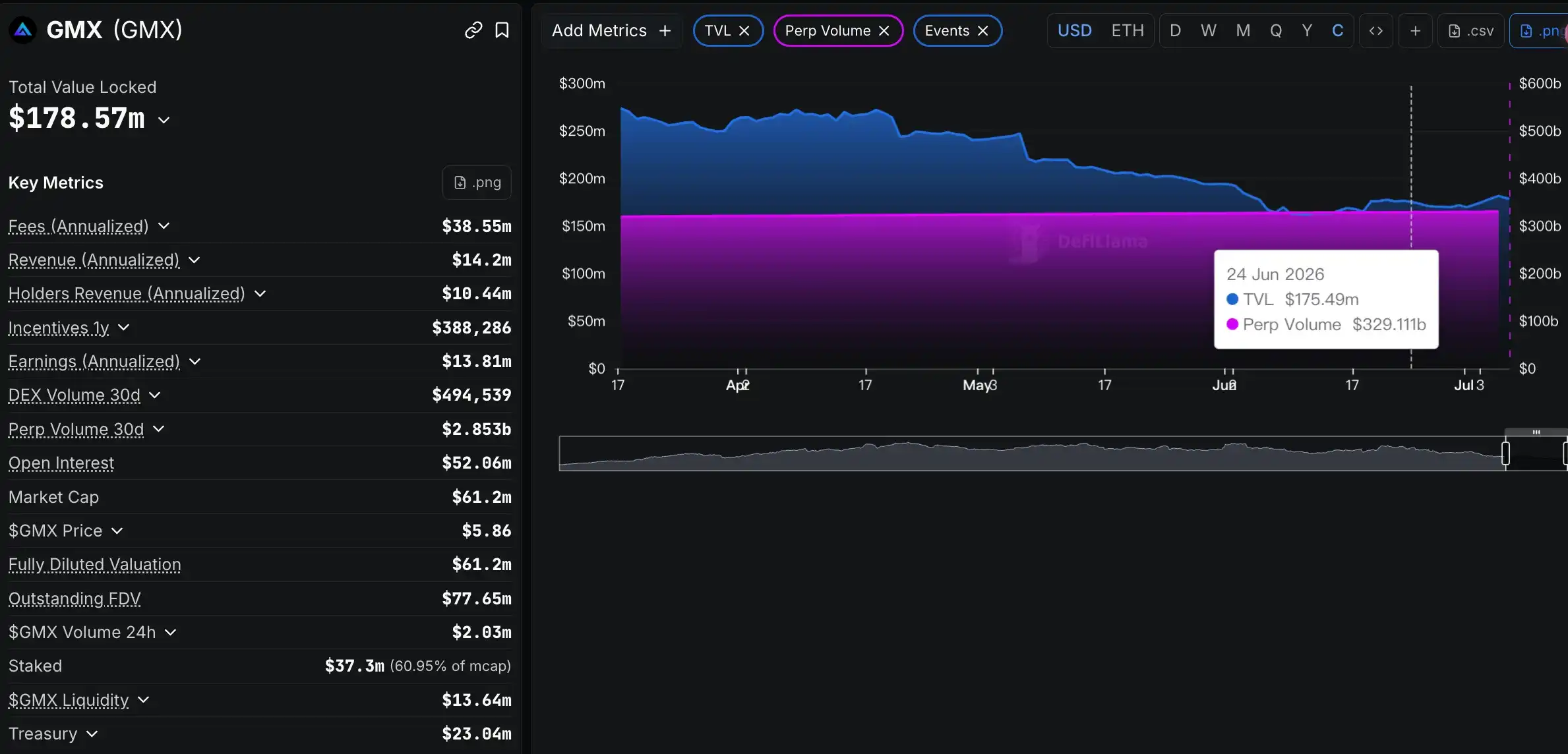
According to DefiLlama data, GMX's cumulative trading volume is close to $330 billion; TVL is currently reported at $175 million; protocol revenue over the past 30 days is approximately $662,000.
Currently, the GMX token price is around $5.86.
Beyond the above platforms, the token repurchase mechanisms of Rollbit, an online gambling platform focusing on 'GambleFi,' and Metaplex, a Solana ecosystem asset issuance platform, are more niche.
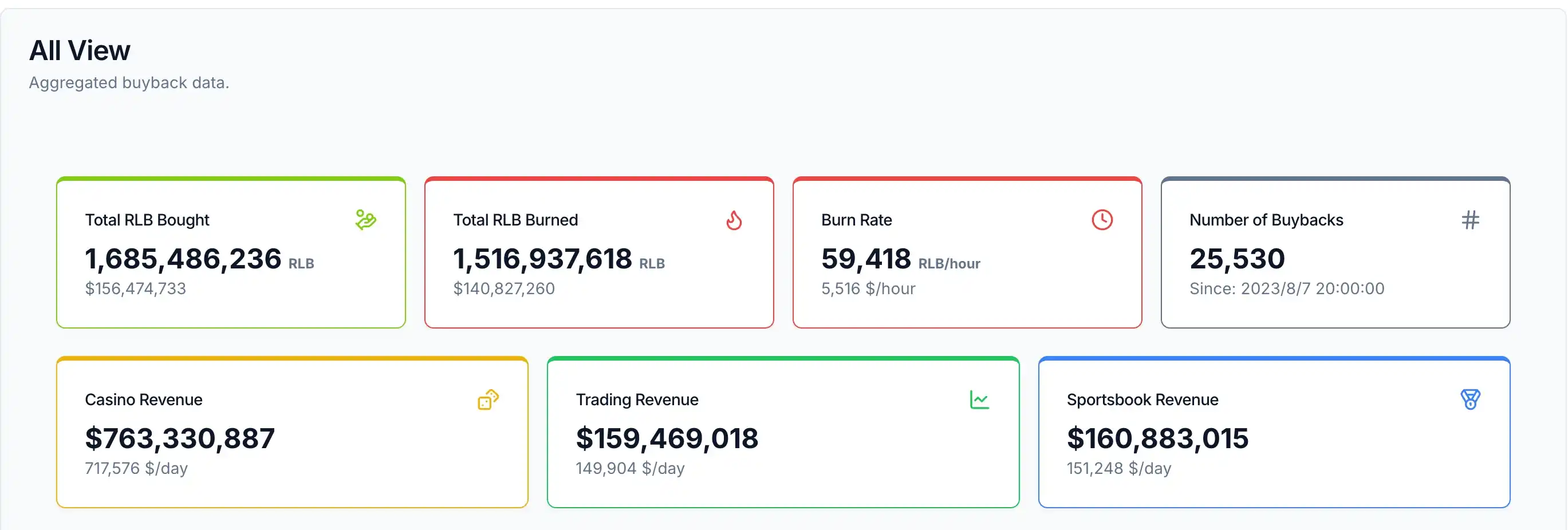
Among them, the former's RLB token executes automatic hourly repurchases and burns, primarily using platform revenue (10% from casino, 20% from sports betting, 30% from 1000x futures, etc.) to purchase RLB on the open market. After purchase, 90% is permanently burned (reducing supply), and 10% is distributed to Rollbots NFT stakers (incentivizing holders). According to official website information, the cumulative token repurchase value over the last 6 months is approximately $12.5 million.
Currently, the RLB token price is around $0.065.
The latter uses 50% of protocol fees monthly to repurchase MPLX. The repurchased tokens are allocated to the Metaplex DAO treasury (held rather than immediately burned, but enhancing scarcity and governance value); the remaining 50% is used for foundation development. Currently, the MPLX token price is around $0.036.
Of course, token repurchase and burn do not necessarily guarantee price appreciation, as they are also influenced by factors such as market conditions, news events, product updates, and token unlocks. However, in the current lackluster market, crypto projects capable of consistently generating stable cash flow are already remarkable 'money-making machines.'