Conversation with Jason Huang, Founder of NDV: Puncturing the AI Bubble and the MicroStrategy Myth, Searching for the Ultimate Trump Card in the Crypto Market

链捕手Publicado a 2026-06-24Actualizado a 2026-06-24

Resumen

In a podcast interview, NDV founder Jason Huang discusses the recent crypto market downturn, attributing the initial phase to typical Bitcoin cycle selling pressure, now compounded by a US stock market correction, tightening liquidity, and MicroStrategy's financial strain. He argues the market hasn't bottomed yet, noting true bear market lows often require a major, despair-inducing event like FTX's collapse. Huang details MicroStrategy's precarious position: its debt-and-equity fueled Bitcoin buying model has reversed into a negative cycle as prices fell. He interprets its sale of just 32 BTC as a signal prioritizing creditors over shareholders, sparking market "front-running" of its larger potential sell-off. A true bottom may arrive only after MicroStrategy resolves its looming debt payments, possibly via a large, private Bitcoin sale. His fund is up ~20% this year, outperforming Bitcoin by 50-60%, by shorting crypto and trading commodities like oil and gold. He avoided AI stocks despite being a heavy user, citing a lack of trading edge in the crowded semiconductor hardware trade, which he views as ripe for a significant correction. Long-term, Huang remains bullish on stablecoins as crypto's clearest, most practical innovation with high growth potential. He is very bearish on Ethereum and skeptical that Bitcoin has found its floor, suggesting $48,000 may not hold. He expects a sharp decline followed by a strong recovery within a year, but only after a major panic event l...

Author| WuBlockchain

This episode of the WuBlockchain Podcast invited Jason Huang, founder of NDV, to discuss the recent Bitcoin decline, the MicroStrategy sell-off incident, macro market risks, and opportunities within the crypto industry. Jason believes the first half of this crypto downturn was mainly driven by the inertial selling pressure of Bitcoin's four-year cycle, while recent declines have started to incorporate factors such as the U.S. stock market correction, liquidity contraction, and MicroStrategy's debt pressure. He judges that the market has not yet truly bottomed, suggesting a bear market bottom often requires a landmark event on the scale of the FTX collapse, triggering widespread despair and a state where no one discusses the market.

Regarding investment strategy, Jason stated that his second fund has achieved returns of around twenty-plus percent this year, participating in commodities trading such as oil, gold, and silver in addition to crypto assets. He remains cautious towards AI stocks, saying that while he is a heavy AI user, he lacks a trading edge; he is also concerned about crowded trades and bubble risks behind the hype around U.S. stocks, semiconductors, and the potential SpaceX IPO. Unlike his short-term market pessimism, he remains optimistic about the long-term value of stablecoins within the crypto industry, considering them one of the clearest and most practically useful innovations in the field, with significant room for further penetration.

Guest opinions do not represent the views of WuBlockchain and do not constitute any investment advice. Please strictly abide by local laws and regulations. Audio transcription and translation were completed by GPT and may contain errors. Please listen to the full podcast:

Xiaoyuzhou:

https://www.xiaoyuzhoufm.com/episode/6a35471543a22a6955866335

MicroStrategy Sell-off Triggers Rush to Exit, BTC Decline Enters Liquidity Squeeze

Cat Brother: In the last podcast episode, you predicted a potentially deep correction in the crypto market around 2026. Bitcoin has been falling continuously recently. Do you think this decline aligns with your earlier judgment? Also, what's your view on the current level? I saw you mentioned around $48,000 on Twitter.

Jason: $48,000 may not be the bottom either. I didn't specify too much at the time because the logic behind each decline is different. It's only recently, especially in the last couple of days, that I feel this decline has truly started to match my expectations from September last year.

The first half was more like concentrated selling driven by Bitcoin's four-year cycle. Many long-term traders exit at cycle nodes, triggering stampedes. Meanwhile, U.S. stocks have held up longer than I expected, but I think their correction is just starting. Against this backdrop, if everyone is holding BTC or IBIT, they often prioritize recovering liquidity.

Additionally, I didn't expect MSTR to last this long. It's only recently that its flywheel mechanism has truly started to malfunction. So I think the magnitude of this decline might be larger than the market expects.

Cat Brother: The recent concentrated drop in Bitcoin was, to some extent, actively triggered by MicroStrategy. It only actually sold 32 Bitcoins, but the market reaction was huge. Some analysts feel this was more about testing market elasticity, and things are still within MicroStrategy's control. What's your take?

Jason: I disagree. Many people imagine founders as overly powerful, able to control everything, but that's not the case. Entrepreneurs facing the future often have to make judgments amidst uncertainty.

MicroStrategy's original model was: borrow debt, issue preferred shares, then use the proceeds from stock issuance to buy Bitcoin. In a rising cycle, this model works because rising Bitcoin prices can cover interest and dividends, and the stock price has a premium, forming a positive feedback loop.

But when Bitcoin falls rapidly, the stock price shifts from a premium to a discount, and it still has to pay real interest and dividends, this mechanism becomes a negative spiral.

I think MicroStrategy has indeed overplayed its hand. It originally had about $2 billion in cash prepared to cover preferred share dividends for the next two years, but then it prepaid a convertible bond due in 2029, consuming roughly $1.2 billion, leaving only four months of the original two-year buffer.

In this situation, it either defaults on its bonds, defaults on its preferred shares, or sells Bitcoin. Selling those 32 Bitcoins has already shown its choice: prioritize creditors first, then shareholders, and Bitcoin holders last.

What the market is truly worried about isn't these 32 Bitcoins, but the total of over 800,000 Bitcoins it holds. The concern is the potential for even larger selling pressure later.

And it's not just them; some large holders have been selling recently because everyone knows MSTR is the biggest potential selling pressure. It's better to exit before it does. So this decline is essentially the market rushing to exit ahead of MSTR.

Next, the key is how MicroStrategy resolves its debt and preferred share dividend issues in the next four months. It must address this; it's just uncertain how. If later someone is willing to take over a large batch of Bitcoin at a discount, preventing it from continuing to sell on the market, then I think that price point is likely close to a stage bottom, as it regains payment capability.

Cat Brother: But since it has decided to sell Bitcoin to pay preferred share interest, why not sell a larger amount at once? Instead, it sold such a small quantity, first sending a signal, which allowed the market to rush ahead of it?

Jason: That's the founder's judgment at a critical moment. He might have thought at the time that selling too much at once would cause more panic; better to sell a small amount first, giving the market a signal while also showing commitment to preferred share investors. It's just that this judgment ultimately backfired.

This kind of thing couldn't be widely discussed; he could only anticipate how the market would interpret it and then make a decision based on what he thought was optimal at the time.

And we can't prove today whether the market reaction would have been better if he had sold more at once. Because market interpretation of information is dynamic; he could only make one choice, not experiment repeatedly.

Fund Returns, Commodity Allocation, and Inflation Trade Outlook

Cat Brother: When we started talking, you mentioned being short recently. The recent Bitcoin decline should have brought decent returns for you guys, right? How is your second fund performing overall now?

Jason: This year's returns certainly can't compare to those speculating on semiconductors or AI, around twenty-plus percent, which is decent. Bitcoin is down over 30% overall this year, and we've made about 20% positive returns, so we've outperformed Bitcoin by roughly 50% to 60%. The first fund also outperformed Bitcoin by about 60%-70%; now it seems we have a chance to surpass that.

Cat Brother: So your strategy for this period is similar to the first, still focused on Bitcoin and crypto-related assets, without touching AI-related products or stocks, right?

Jason: We indeed haven't touched AI. Frankly, I regret it a bit. I'm a heavy AI user, having subscribed to almost all the good paid products available, but ultimately didn't buy related assets, which seems a bit inconsistent.

But we've done other things this year, like oil, gold, silver. For instance, part of yesterday's profit came from shorting silver. I think the trading logic for precious metals and crypto assets is similar: supply-demand driven, event-driven, with high leverage, just at a slower pace, making them easier to analyze.

So this year we've diversified some effort into commodities. Overall, I think commodities are in an interesting phase. Besides precious metals, another big theme this year is inflation. Oil might be the first wave, slowly spreading to other categories later.

Cat Brother: Regarding inflation, I've discussed this with others recently. One view is that the productivity improvements from AI might create a certain deflationary effect. What's your take?

Jason: At least looking at current prices, there's no obvious sign of deflation. I also agree that AI has indeed offset some inflation, but many real-world consumptions won't disappear just because of AI.

For example, rising oil prices directly push up logistics and production costs. Fuel surcharges in air tickets are a direct example, and this pressure will continue spreading to more areas.

Furthermore, I think the "deflation" brought by AI is more evident in employment, meaning it might create unemployment. The reality might not be that everyone lives easier because of AI; it's more like wealthy people earn more through AI-related assets, while ordinary people still face inflation and rising living costs.

The U.S. political system will likely eventually adjust to this issue, such as through redistribution to ease tensions. But if it truly reaches that point, inflation might become even more apparent.

So what the market is trading now is essentially this contradiction: whether inflation comes first, or AI first delivers on its promise of improved efficiency and lower costs. For now, the AI narrative is still stronger, but events like a SpaceX IPO could further drain market liquidity.

So many trends might eventually materialize, but for trading, the hardest part is never judging the direction, but deciding at what time, with what tools, and in what way to get involved.

Cat Brother: Besides the fund, I see you're also involved in a project related to sports trading cards. I listened to your podcast on this topic before but didn't fully understand. Since I don't really watch soccer, basketball, or collect cards, could you briefly explain what this market is and how it works?

Jason: Simply put, sports cards are a very standardized way to "invest in a person" or "invest in an IP." They have a fixed issuance mechanism; they won't be issued infinitely because too many would dilute value. So it's essentially a market with limited supply and long-term operation.

I've always thought that sports and anime IPs are the consumer goods for this generation. Young people who like certain athletes or anime characters when they're young, grow up with purchasing power and are willing to spend on these idols. Sports cards are a category formed under this logic. They have both collectible and investment attributes, tied to the athlete's performance, growth, and personal appeal.

Cat Brother: But from an outsider's perspective, this is somewhat similar to NFTs from before, like IP, fractionalized trading, etc. What's the biggest difference from NFTs?

Jason: It's very different. Many NFT projects back then handled both issuance and trading, made money too quickly, and had no incentive to continue developing the IP. But sports cards are different; behind them are truly long-term operated sports leagues and mature IPs that continuously generate attention, so the market foundation is completely different.

Stablecoins, AI Bubble, and Crypto Bear Market Bottom Assessment

Cat Brother: Why do you think many exchanges are now launching prediction markets? Many also believe prediction markets could become one of the most important directions in the crypto industry in the near future. What's your view?

Jason: Superficially, it's because prediction markets offer a trading model people are willing to participate in; but deeper down, it's because the proliferation of stablecoins and wallets has significantly lowered the barrier to entry for new types of exchanges. Running a centralized exchange involves a whole set of high-cost problems like KYC, user management, fund custody, hacking, and regulation, but platforms like Polymarket keep funds in users' own wallets, with the platform only handling matching. This represents not just prediction markets, but the rise of a new category of exchanges. Following this logic, centralized exchanges will face significant challenges in the future.

Cat Brother: You yourself are a heavy AI user, but neither personally nor through your fund have you bought AI-related stocks. Why?

Jason: On one hand, many products I actually use regularly aren't yet listed; on the other hand, I generally avoid areas where I don't have a trading edge. I understand software better, but what the market is speculating most heavily on is the hardware chain, like optical modules, semiconductors. My research there isn't deep enough, and I haven't specifically filled that gap, so I haven't participated.

Cat Brother: So the recent sharp drop in AI hardware stocks, do you think it's just a normal correction, or is the bubble still in its early stages?

Jason: I wouldn't dare make a judgment due to insufficient research. But after rising so much in a short time, a correction is normal. As for how deep it will fall, it's hard to say. Usually, the faster the rise, the faster the fall, because there must be a lot of speculative money inside.

Cat Brother: You mentioned before that there are several very crowded trades in the market. What's your view now?

Jason: Recently, I've been most focused on semiconductors. This trade has become extremely crowded; I think the staged rise is almost over. Whether it corrects 20% or 30%, hard to say, but such crowded trades often eventually turn from unanimous bullishness into a stampede to exit.

Cat Brother: Between crypto and AI, which has a higher risk-reward ratio now?

Jason: I don't think the crypto market has finished its shakeout; it's hard to truly rise in the short term. Many people like to find optimistic reasons during a decline, but judging from supply-demand dynamics and the level of panic, I don't yet see a real bottom. The timing might be close to a bottom, but in terms of price magnitude, I don't think we're there yet; at least $60,000 may not hold.

Cat Brother: So it's not yet at the FTX stage from back then?

Jason: Not at all. A true bear market bottom often requires a landmark, large-scale event that creates a sentiment of "crypto is finished." It doesn't necessarily have to be a specific exchange collapsing, but at least a player of that scale must encounter trouble. Right now, people are just numb from the decline, not truly despairing. The real bottom usually comes when you and everyone around you are in extreme pain and never want to look at the market again.

Cat Brother: Many people are also pessimistic about the crypto industry itself, feeling it hasn't created anything truly new in all these years.

Jason: I disagree; stablecoins are a very clear achievement. They truly achieved "faster, better," which is the clearest direction for innovation in my understanding. And I'm very optimistic about this sector because its penetration rate is still low. As long as the market space is far from its ceiling, it's not surprising at all if several new players emerge in the future.

Cat Brother: You also mentioned earlier not being bullish on U.S. stocks; is that due to an overall pessimistic macro environment?

Jason: I just think it's unreasonable for something to only go up without ever falling. Market sentiment is a bit overheated now; even ordinary people feel they might as well invest in stocks. This stage is usually quite dangerous. It's not just U.S. stocks; Hong Kong stocks are also crazy under the AI narrative.

A while ago, I also heard an investor say that after seriously reviewing SpaceX's IPO materials, it felt like a company on the verge of bankruptcy. Thinking about it later, it's not entirely unreasonable. Musk tells a big story for SpaceX, even suggesting much future revenue will come from AI. In that case, one might as well directly buy OpenAI. So I think the bubble component here is quite evident.

Moreover, an IPO is often the last major opportunity for founders and teams to extract the most money from the market in a short period, so of course, they'll try to list when the market is hottest. Musk is one of the people who understand capital markets best; he never does business at a loss. So if you're saying there will still be a lot of profit left for ordinary investors in the secondary market post-listing, I don't really buy that.

Cat Brother: People indeed have a bit of path dependency now.

Jason: Right, as if buying and holding will definitely make money. I just think this inertia itself is already very dangerous.

Outlook for the Future: Wait for a Real Panic Sell-off Before Considering Buying the Bottom

Cat Brother: Finally, please give your outlook on Bitcoin and Ethereum's performance over the next year. After all, your prediction last year was quite accurate.

Jason: I am very bearish on Ethereum, even unclear where its bottom might be. As for Bitcoin, on a one-year horizon, I think the final price might be similar to now, but the process will likely involve a significant drop first, followed by a sharp rebound. That is, the timing might be close to a bear market bottom, but in terms of price decline, it might not be there yet; $48,000 might not hold either.

Cat Brother: So you prefer to wait for an event-driven bottom?

Jason: Yes. A real bottom usually comes with a landmark, large-scale event. At that point, you won't need to watch the charts or the news; you'll know something major happened, with your social media feeds flooded with posts and complaints. The FTX implosion was that kind of scale.

It's not yet that time. Although people are experiencing a decline, it's more like being numb from the fall, not true panic. A real bear market bottom often appears after panic is completely released, when no one wants to look at this market anymore. That kind of bottom is clear in hindsight, but at the moment, you typically have no desire to buy at all.

Cat Brother: So when no one wants to buy at all, how do you convince yourself to start buying?

Jason: I still look at penetration rate and consensus diffusion. As long as something has network effects and is only recognized by a small group of core users, far from reaching its penetration ceiling, then its story isn't over. This applies to Bitcoin and also to sports cards.

So I'll first have a cognitive anchor in mind: is this thing still early, is its long-term potential still there. As for exactly how to buy, what drawdown I can accept, that's a matter for the trading level.

When it's truly the most pessimistic time, it's better not to constantly watch the market. I think a very effective method is to step away from the market, like going on a trip. Set your price first, buy when it's reached, and then continue not watching. Because daily chart-watching inevitably affects emotions and interferes with judgment. For long-term holding, staying away from noise is more important.


Criptos en tendencia

Preguntas relacionadas

QAccording to Jason Huang, what was the main reason for the recent decline in Bitcoin's price, and what factor has recently compounded this pressure?

AHe stated that the initial phase of the decline was due to concentrated selling pressure from Bitcoin's four-year cycle, and this has recently been compounded by factors like the U.S. stock market correction, liquidity contraction, and the debt pressure faced by MicroStrategy (MSTR).

QWhy does Jason Huang believe MicroStrategy's sale of 32 Bitcoin signals a larger problem, and what is the market's primary concern?

AHe believes the small sale indicates MicroStrategy has chosen to prioritize paying creditors and preferred shareholders over holding Bitcoin, showing its financial model is under stress. The market's main concern is the potential for significant selling pressure from its entire holdings of over 800,000 Bitcoin if it needs to raise more cash to meet obligations in the coming months.

QWhat is Jason Huang's investment stance on AI stocks and the broader semiconductor/AI hardware trade, and what is his primary reason?

AHe has avoided investing in AI and semiconductor stocks despite being a heavy user of AI tools. His primary reason is a lack of personal trading advantage in that hardware-focused sector, which he feels he doesn't understand well enough, and he believes the trade has become very crowded, indicating high risk.

QWhat does Jason Huang identify as the most clear and useful innovation in the crypto space with significant remaining growth potential?

AHe identifies stablecoins as the clearest and most practically useful innovation in crypto. He believes they have achieved a 'faster, better' solution and still have a lot of room for growth as their market penetration is still relatively low.

QWhat is Jason Huang's criterion for identifying the true bottom of a crypto bear market, and what is his current assessment of whether that point has been reached?

AHis criterion is a major, market-shaking event (like the FTX collapse) that triggers widespread panic, despair, and a point where people stop talking about the market altogether. He believes the current market has not reached that point; people are just numb from the decline, not truly in a state of panic and capitulation.

Lecturas Relacionadas

Semiconductor Stock Rebound: Is the Technical Correction Over or a Trend Reversal?

The core of recent semiconductor stock volatility is not about daily price swings, but rather the market questioning whether AI-driven semiconductor pricing has entered a new phase. Following a sharp sell-off in Korean stocks on June 23rd, led by Samsung and SK Hynix, a subsequent rebound is seen more as a technical positioning adjustment rather than a confirmed trend reversal. The key variable is HBM (High Bandwidth Memory), essential for AI chips. Its supply-demand imbalance granted memory makers significant pricing power. The current market focus is on whether this dynamic remains strong enough to justify elevated valuations. All eyes are on Micron's upcoming earnings report. The critical factor is not whether results meet already high expectations, but whether the company's guidance confirms that AI memory pricing power, order visibility, and future margins are still expanding. Micron's outlook will serve as a crucial test for the broader AI semiconductor chain, including Samsung, SK Hynix, and other infrastructure players. The recent bounce appears to be a pre-earnings positioning repair. For it to evolve into a sustained uptrend, concrete evidence is needed that the AI infrastructure expansion cycle's fundamentals—particularly for high-end memory—remain robust and can continue to surpass elevated market expectations. The risk is that strong demand alone may not be sufficient if future guidance hints at peaking momentum or increasing supply-side pressures.

marsbitHace 34 min(s)

Semiconductor Stock Rebound: Is the Technical Correction Over or a Trend Reversal?

marsbitHace 34 min(s)

Global Tech Stocks Plunge: Another Stress Test for the AI Bull Market

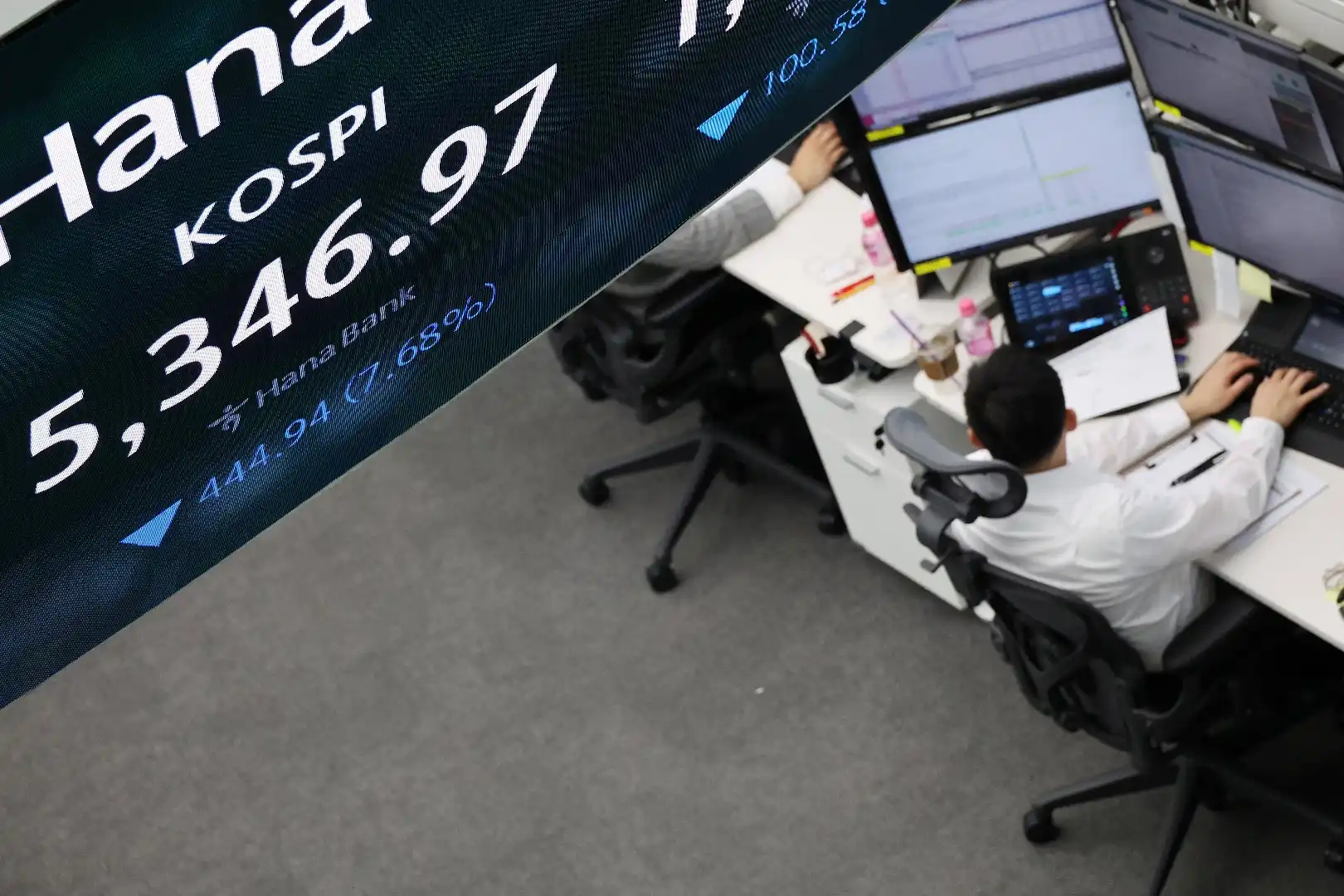
Global tech stocks plummeted in a sharp selloff on June 23, with South Korea's KOSPI index crashing nearly 10%, triggering a trading halt. The plunge was led by semiconductor giants Samsung and SK Hynix, dragging down major Asian and US tech indexes and levered ETFs. The immediate trigger was a confluence of three signals within 24 hours: 1) reports that SK Hynix was slowing HBM4 expansion, raising doubts about a key AI chip bottleneck; 2) profit-taking ahead of Micron's earnings report after its massive year-to-date rally; and 3) a warning from Korean regulators about the risks of single-stock leveraged ETFs. The selloff's severity was amplified by Korea's uniquely leveraged market structure: record-high retail margin debt, over $30 billion in volatile single-stock leveraged ETFs requiring daily rebalancing (which creates selling pressure during declines), and the surprising shift of the National Pension Service from a net buyer to a net seller. The event reignited debates about an AI bubble. Analysts differed on timing—some warned of imminent rupture, others saw a temporary liquidity-driven correction—but agreed that sky-high valuations, a shift to retail/leveraged buying, and rising rates created a fragile setup. The parallel steep drop in SpaceX's stock, alongside its massive debt raise for AI infrastructure, underscored a broader market shift from narrative-driven "infinite imagination" to a "return on investment" calculation phase. All eyes are now on Micron's upcoming earnings report, seen as a key test for the AI hardware trade's fundamental logic. A strong report could stabilize markets, while a miss could validate deeper fears. The episode serves as a stark warning: when a bull run becomes dependent on leveraged bets on a single narrative, a violent and rapid correction should not be a surprise. The core question for investors is how much drawdown they are willing to tolerate to stay invested.

marsbitHace 36 min(s)

Global Tech Stocks Plunge: Another Stress Test for the AI Bull Market

marsbitHace 36 min(s)

Ethereum Foundation Cuts 20% of Staff, 54 Depart: The Survival Logic Behind the Restructuring

The Ethereum Foundation (EF) has announced a major restructuring, resulting in the departure of 54 staff members, representing approximately 20% of its workforce. This reorganization is not merely a cost-cutting measure but a strategic refocusing. The EF will now concentrate its resources on what it deems critical and unique tasks, structured around five new operational clusters. The new structure comprises clusters dedicated to: the Protocol Layer (ensuring Ethereum's core properties like censorship resistance and security); the Access Layer (enabling trusted, non-intermediated user interactions); the User Layer (grounding decisions in real user needs and constraints); the Community Layer (representing EF's stance and building alliances); and the Institutional Layer (engaging with enterprises, governments, and academia to promote principled adoption). The foundation stated that the layoffs were a difficult but necessary step to align its organization and spending with its long-term mandate, insulating its core work from short-term market fluctuations. Affected employees were offered a severance package and transition support. The restructured EF emerges as a leaner and more focused organization, poised to prioritize the development and preservation of Ethereum's foundational promise of self-sovereignty. Further details on the new operational model are expected in the coming weeks.

marsbitHace 38 min(s)

Ethereum Foundation Cuts 20% of Staff, 54 Depart: The Survival Logic Behind the Restructuring

marsbitHace 38 min(s)

Trading

Spot
Futuros

Artículos destacados

Qué es GROK AI

Grok AI: Revolucionando la Tecnología Conversacional en la Era Web3 Introducción En el paisaje de rápida evolución de la inteligencia artificial, Grok AI se destaca como un proyecto notable que une los dominios de la tecnología avanzada y la interacción del usuario. Desarrollado por xAI, una empresa liderada por el renombrado empresario Elon Musk, Grok AI busca redefinir la forma en que interactuamos con la inteligencia artificial. A medida que el movimiento Web3 continúa floreciendo, Grok AI tiene como objetivo aprovechar el poder de la IA conversacional para responder consultas complejas, proporcionando a los usuarios una experiencia que no solo es informativa, sino también entretenida. ¿Qué es Grok AI? Grok AI es un sofisticado chatbot de IA conversacional diseñado para interactuar dinámicamente con los usuarios. A diferencia de muchos sistemas de IA tradicionales, Grok AI abraza una gama más amplia de consultas, incluyendo aquellas que normalmente se consideran inapropiadas o fuera de las respuestas estándar. Los objetivos centrales del proyecto incluyen: Razonamiento Confiable: Grok AI enfatiza el razonamiento de sentido común para proporcionar respuestas lógicas basadas en la comprensión contextual. Supervisión Escalable: La integración de asistencia de herramientas asegura que las interacciones de los usuarios sean monitoreadas y optimizadas para la calidad. Verificación Formal: La seguridad es primordial; Grok AI incorpora métodos de verificación formal para mejorar la confiabilidad de sus resultados. Comprensión de Largo Contexto: El modelo de IA sobresale en retener y recordar un extenso historial de conversaciones, facilitando discusiones significativas y contextualizadas. Robustez Adversarial: Al enfocarse en mejorar sus defensas contra entradas manipuladas o maliciosas, Grok AI busca mantener la integridad de las interacciones de los usuarios. En esencia, Grok AI no es solo un dispositivo de recuperación de información; es un compañero conversacional inmersivo que fomenta un diálogo dinámico. Creador de Grok AI La mente detrás de Grok AI no es otra que Elon Musk, una persona sinónimo de innovación en varios campos, incluyendo la automoción, los viajes espaciales y la tecnología. Bajo el paraguas de xAI, una empresa enfocada en avanzar la tecnología de IA de maneras beneficiosas, la visión de Musk busca remodelar la comprensión de las interacciones de IA. El liderazgo y la ética fundacional están profundamente influenciados por el compromiso de Musk de empujar los límites tecnológicos. Inversores de Grok AI Si bien los detalles específicos sobre los inversores que respaldan a Grok AI son limitados, se reconoce públicamente que xAI, el incubador del proyecto, está fundado y apoyado principalmente por el propio Elon Musk. Las empresas y participaciones anteriores de Musk proporcionan un respaldo robusto, fortaleciendo aún más la credibilidad y el potencial de crecimiento de Grok AI. Sin embargo, hasta ahora, la información sobre fundaciones de inversión adicionales u organizaciones que apoyan a Grok AI no está fácilmente accesible, marcando un área para una posible exploración futura. ¿Cómo Funciona Grok AI? La mecánica operativa de Grok AI es tan innovadora como su marco conceptual. El proyecto integra varias tecnologías de vanguardia que facilitan sus funcionalidades únicas: Infraestructura Robusta: Grok AI está construido utilizando Kubernetes para la orquestación de contenedores, Rust para rendimiento y seguridad, y JAX para computación numérica de alto rendimiento. Este trío asegura que el chatbot opere de manera eficiente, escale efectivamente y sirva a los usuarios de manera oportuna. Acceso a Conocimiento en Tiempo Real: Una de las características distintivas de Grok AI es su capacidad para acceder a datos en tiempo real a través de la plataforma X—anteriormente conocida como Twitter. Esta capacidad otorga a la IA acceso a la información más reciente, permitiéndole proporcionar respuestas y recomendaciones oportunas que otros modelos de IA podrían pasar por alto. Dos Modos de Interacción: Grok AI ofrece a los usuarios una elección entre “Modo Divertido” y “Modo Regular”. El Modo Divertido permite un estilo de interacción más lúdico y humorístico, mientras que el Modo Regular se centra en ofrecer respuestas precisas y exactas. Esta versatilidad asegura una experiencia personalizada que se adapta a diversas preferencias de los usuarios. En esencia, Grok AI une rendimiento con compromiso, creando una experiencia que es tanto enriquecedora como entretenida. Cronología de Grok AI El viaje de Grok AI está marcado por hitos cruciales que reflejan sus etapas de desarrollo y despliegue: Desarrollo Inicial: La fase fundamental de Grok AI tuvo lugar durante aproximadamente dos meses, durante los cuales se realizó el entrenamiento inicial y el ajuste del modelo. Lanzamiento Beta de Grok-2: En un avance significativo, se anunció la beta de Grok-2. Este lanzamiento introdujo dos versiones del chatbot—Grok-2 y Grok-2 mini—cada una equipada con capacidades para chatear, programar y razonar. Acceso Público: Tras su desarrollo beta, Grok AI se volvió disponible para los usuarios de la plataforma X. Aquellos con cuentas verificadas por un número de teléfono y activas durante al menos siete días pueden acceder a una versión limitada, haciendo que la tecnología esté disponible para un público más amplio. Esta cronología encapsula el crecimiento sistemático de Grok AI desde su inicio hasta el compromiso público, enfatizando su compromiso con la mejora continua y la interacción del usuario. Características Clave de Grok AI Grok AI abarca varias características clave que contribuyen a su identidad innovadora: Integración de Conocimiento en Tiempo Real: El acceso a información actual y relevante diferencia a Grok AI de muchos modelos estáticos, permitiendo una experiencia de usuario atractiva y precisa. Estilos de Interacción Versátiles: Al ofrecer modos de interacción distintos, Grok AI se adapta a diversas preferencias de los usuarios, invitando a la creatividad y la personalización en la conversación con la IA. Avanzada Infraestructura Tecnológica: La utilización de Kubernetes, Rust y JAX proporciona al proyecto un marco sólido para asegurar confiabilidad y rendimiento óptimo. Consideración de Discurso Ético: La inclusión de una función generadora de imágenes muestra el espíritu innovador del proyecto. Sin embargo, también plantea consideraciones éticas en torno a los derechos de autor y la representación respetuosa de figuras reconocibles—una discusión en curso dentro de la comunidad de IA. Conclusión Como una entidad pionera en el ámbito de la IA conversacional, Grok AI encapsula el potencial de experiencias transformadoras para los usuarios en la era digital. Desarrollado por xAI y guiado por el enfoque visionario de Elon Musk, Grok AI integra conocimiento en tiempo real con capacidades avanzadas de interacción. Busca empujar los límites de lo que la inteligencia artificial puede lograr mientras mantiene un enfoque en consideraciones éticas y la seguridad del usuario. Grok AI no solo encarna el avance tecnológico, sino que también representa un nuevo paradigma de conversación en el paisaje Web3, prometiendo involucrar a los usuarios con tanto conocimiento hábil como interacción lúdica. A medida que el proyecto continúa evolucionando, se erige como un testimonio de lo que la intersección de la tecnología, la creatividad y la interacción similar a la humana puede lograr.

411 Vistas totalesPublicado en 2024.12.26Actualizado en 2024.12.26

Qué es GROK AI

Qué es ERC AI

Euruka Tech: Una Visión General de $erc ai y sus Ambiciones en Web3 Introducción En el paisaje en rápida evolución de la tecnología blockchain y las aplicaciones descentralizadas, nuevos proyectos emergen con frecuencia, cada uno con objetivos y metodologías únicas. Uno de estos proyectos es Euruka Tech, que opera en el amplio dominio de las criptomonedas y Web3. El enfoque principal de Euruka Tech, particularmente su token $erc ai, es presentar soluciones innovadoras diseñadas para aprovechar las crecientes capacidades de la tecnología descentralizada. Este artículo tiene como objetivo proporcionar una visión general completa de Euruka Tech, una exploración de sus objetivos, funcionalidad, la identidad de su creador, posibles inversores y su importancia dentro del contexto más amplio de Web3. ¿Qué es Euruka Tech, $erc ai? Euruka Tech se caracteriza como un proyecto que aprovecha las herramientas y funcionalidades ofrecidas por el entorno Web3, centrándose en integrar inteligencia artificial dentro de sus operaciones. Aunque los detalles específicos sobre el marco del proyecto son algo elusivos, está diseñado para mejorar la participación del usuario y automatizar procesos en el espacio cripto. El proyecto tiene como objetivo crear un ecosistema descentralizado que no solo facilite transacciones, sino que también incorpore funcionalidades predictivas a través de inteligencia artificial, de ahí la designación de su token, $erc ai. El objetivo es proporcionar una plataforma intuitiva que facilite interacciones más inteligentes y un procesamiento eficiente de transacciones dentro de la creciente esfera de Web3. ¿Quién es el Creador de Euruka Tech, $erc ai? En la actualidad, la información sobre el creador o el equipo fundador detrás de Euruka Tech permanece no especificada y algo opaca. Esta ausencia de datos genera preocupaciones, ya que el conocimiento del trasfondo del equipo es a menudo esencial para establecer credibilidad dentro del sector blockchain. Por lo tanto, hemos categorizado esta información como desconocida hasta que se disponga de detalles concretos en el dominio público. ¿Quiénes son los Inversores de Euruka Tech, $erc ai? De manera similar, la identificación de inversores u organizaciones de respaldo para el proyecto Euruka Tech no se proporciona fácilmente a través de la investigación disponible. Un aspecto que es crucial para los posibles interesados o usuarios que consideren involucrarse con Euruka Tech es la garantía que proviene de asociaciones financieras establecidas o respaldo de firmas de inversión de renombre. Sin divulgaciones sobre afiliaciones de inversión, es difícil sacar conclusiones completas sobre la seguridad financiera o la longevidad del proyecto. De acuerdo con la información encontrada, esta sección también se encuentra en estado de desconocido. ¿Cómo Funciona Euruka Tech, $erc ai? A pesar de la falta de especificaciones técnicas detalladas para Euruka Tech, es esencial considerar sus ambiciones innovadoras. El proyecto busca aprovechar el poder computacional de la inteligencia artificial para automatizar y mejorar la experiencia del usuario dentro del entorno de las criptomonedas. Al integrar IA con tecnología blockchain, Euruka Tech tiene como objetivo proporcionar características como operaciones automatizadas, evaluaciones de riesgo e interfaces de usuario personalizadas. La esencia innovadora de Euruka Tech radica en su objetivo de crear una conexión fluida entre los usuarios y las vastas posibilidades que presentan las redes descentralizadas. A través de la utilización de algoritmos de aprendizaje automático e IA, busca minimizar los desafíos de los usuarios primerizos y optimizar las experiencias transaccionales dentro del marco de Web3. Esta simbiosis entre IA y blockchain subraya la importancia del token $erc ai, que actúa como un puente entre las interfaces de usuario tradicionales y las capacidades avanzadas de las tecnologías descentralizadas. Cronología de Euruka Tech, $erc ai Desafortunadamente, como resultado de la información limitada disponible sobre Euruka Tech, no podemos presentar una cronología detallada de los principales desarrollos o hitos en el viaje del proyecto. Esta cronología, típicamente invaluable para trazar la evolución de un proyecto y entender su trayectoria de crecimiento, no está actualmente disponible. A medida que la información sobre eventos notables, asociaciones o adiciones funcionales se haga evidente, las actualizaciones seguramente mejorarán la visibilidad de Euruka Tech en la esfera cripto. Aclaración sobre Otros Proyectos “Eureka” Es importante señalar que múltiples proyectos y empresas comparten una nomenclatura similar con “Eureka”. La investigación ha identificado iniciativas como un agente de IA de NVIDIA Research, que se centra en enseñar a los robots tareas complejas utilizando métodos generativos, así como Eureka Labs y Eureka AI, que mejoran la experiencia del usuario en educación y análisis de servicio al cliente, respectivamente. Sin embargo, estos proyectos son distintos de Euruka Tech y no deben confundirse con sus objetivos o funcionalidades. Conclusión Euruka Tech, junto con su token $erc ai, representa un jugador prometedor pero actualmente oscuro dentro del paisaje de Web3. Si bien los detalles sobre su creador e inversores permanecen no revelados, la ambición central de combinar inteligencia artificial con tecnología blockchain se presenta como un punto focal de interés. Los enfoques únicos del proyecto para fomentar la participación del usuario a través de la automatización avanzada podrían destacarlo a medida que el ecosistema Web3 progresa. A medida que el mercado cripto continúa evolucionando, los interesados deben mantener un ojo atento a los avances en torno a Euruka Tech, ya que el desarrollo de innovaciones documentadas, asociaciones o una hoja de ruta definida podría presentar oportunidades significativas en el futuro cercano. Tal como está, esperamos más información sustancial que podría revelar el potencial de Euruka Tech y su posición en el competitivo paisaje cripto.

395 Vistas totalesPublicado en 2025.01.02Actualizado en 2025.01.02

Qué es ERC AI

Qué es DUOLINGO AI

DUOLINGO AI: Integrando el Aprendizaje de Idiomas con Web3 e Innovación en IA En una era donde la tecnología redefine la educación, la integración de la inteligencia artificial (IA) y las redes blockchain anuncia una nueva frontera para el aprendizaje de idiomas. Entra DUOLINGO AI y su criptomoneda asociada, $DUOLINGO AI. Este proyecto aspira a fusionar la capacidad educativa de las principales plataformas de aprendizaje de idiomas con los beneficios de la tecnología descentralizada Web3. Este artículo profundiza en los aspectos clave de DUOLINGO AI, explorando sus objetivos, marco tecnológico, desarrollo histórico y potencial futuro, mientras mantiene claridad entre el recurso educativo original y esta iniciativa independiente de criptomoneda. Visión General de DUOLINGO AI En su esencia, DUOLINGO AI busca establecer un entorno descentralizado donde los aprendices puedan ganar recompensas criptográficas por alcanzar hitos educativos en la competencia lingüística. Al aplicar contratos inteligentes, el proyecto tiene como objetivo automatizar los procesos de verificación de habilidades y asignación de tokens, adhiriéndose a los principios de Web3 que enfatizan la transparencia y la propiedad del usuario. El modelo se aparta de los enfoques tradicionales para la adquisición de idiomas al apoyarse en gran medida en una estructura de gobernanza impulsada por la comunidad, permitiendo a los poseedores de tokens sugerir mejoras al contenido del curso y a las distribuciones de recompensas. Algunos de los objetivos notables de DUOLINGO AI incluyen: Aprendizaje Gamificado: El proyecto integra logros en blockchain y tokens no fungibles (NFTs) para representar niveles de competencia lingüística, fomentando la motivación a través de recompensas digitales atractivas. Creación de Contenido Descentralizada: Abre avenidas para que educadores y entusiastas de los idiomas contribuyan con sus cursos, facilitando un modelo de reparto de ingresos que beneficia a todos los contribuyentes. Personalización Impulsada por IA: Al emplear modelos avanzados de aprendizaje automático, DUOLINGO AI personaliza las lecciones para adaptarse al progreso de aprendizaje individual, similar a las características adaptativas que se encuentran en plataformas establecidas. Creadores del Proyecto y Gobernanza A partir de abril de 2025, el equipo detrás de $DUOLINGO AI permanece seudónimo, una práctica frecuente en el paisaje descentralizado de criptomonedas. Esta anonimidad está destinada a promover el crecimiento colectivo y la participación de los interesados en lugar de centrarse en desarrolladores individuales. El contrato inteligente desplegado en la blockchain de Solana anota la dirección de la billetera del desarrollador, lo que significa el compromiso con la transparencia en las transacciones a pesar de que la identidad de los creadores sea desconocida. Según su hoja de ruta, DUOLINGO AI aspira a evolucionar hacia una Organización Autónoma Descentralizada (DAO). Esta estructura de gobernanza permite a los poseedores de tokens votar sobre cuestiones críticas como implementaciones de características y asignaciones del tesoro. Este modelo se alinea con la ética del empoderamiento comunitario que se encuentra en diversas aplicaciones descentralizadas, enfatizando la importancia de la toma de decisiones colectiva. Inversores y Asociaciones Estratégicas Actualmente, no hay inversores institucionales o capitalistas de riesgo identificables públicamente vinculados a $DUOLINGO AI. En cambio, la liquidez del proyecto proviene principalmente de intercambios descentralizados (DEXs), marcando un contraste marcado con las estrategias de financiamiento de las empresas de tecnología educativa tradicionales. Este modelo de base indica un enfoque impulsado por la comunidad, reflejando el compromiso del proyecto con la descentralización. En su libro blanco, DUOLINGO AI menciona la formación de colaboraciones con “plataformas de educación blockchain” no especificadas, destinadas a enriquecer su oferta de cursos. Si bien aún no se han divulgado asociaciones específicas, estos esfuerzos colaborativos sugieren una estrategia para fusionar la innovación blockchain con iniciativas educativas, ampliando el acceso y la participación de los usuarios a través de diversas avenidas de aprendizaje. Arquitectura Tecnológica Integración de IA DUOLINGO AI incorpora dos componentes principales impulsados por IA para mejorar su oferta educativa: Motor de Aprendizaje Adaptativo: Este sofisticado motor aprende de las interacciones de los usuarios, similar a los modelos propietarios de las principales plataformas educativas. Ajusta dinámicamente la dificultad de las lecciones para abordar desafíos específicos de los aprendices, reforzando áreas débiles a través de ejercicios dirigidos. Agentes Conversacionales: Al emplear chatbots impulsados por GPT-4, DUOLINGO AI proporciona una plataforma para que los usuarios participen en conversaciones simuladas, fomentando una experiencia de aprendizaje de idiomas más interactiva y práctica. Infraestructura Blockchain Construido sobre la blockchain de Solana, $DUOLINGO AI utiliza un marco tecnológico integral que incluye: Contratos Inteligentes de Verificación de Habilidades: Esta característica otorga automáticamente tokens a los usuarios que superan con éxito las pruebas de competencia, reforzando la estructura de incentivos para resultados de aprendizaje genuinos. Insignias NFT: Estos tokens digitales significan varios hitos que los aprendices logran, como completar una sección de su curso o dominar habilidades específicas, permitiéndoles intercambiar o mostrar sus logros digitalmente. Gobernanza DAO: Los miembros de la comunidad con tokens pueden participar en la gobernanza votando sobre propuestas clave, facilitando una cultura participativa que fomenta la innovación en las ofertas de cursos y características de la plataforma. Línea de Tiempo Histórica 2022–2023: Conceptualización Los cimientos de DUOLINGO AI comienzan con la creación de un libro blanco, destacando la sinergia entre los avances en IA en el aprendizaje de idiomas y el potencial descentralizado de la tecnología blockchain. 2024: Lanzamiento Beta Un lanzamiento beta limitado introduce ofertas en idiomas populares, recompensando a los primeros usuarios con incentivos en tokens como parte de la estrategia de participación comunitaria del proyecto. 2025: Transición a DAO En abril, se produce un lanzamiento completo de la red principal con la circulación de tokens, lo que provoca discusiones comunitarias sobre posibles expansiones a idiomas asiáticos y otros desarrollos de cursos. Desafíos y Direcciones Futuras Obstáculos Técnicos A pesar de sus ambiciosos objetivos, DUOLINGO AI enfrenta desafíos significativos. La escalabilidad sigue siendo una preocupación constante, particularmente en equilibrar los costos asociados con el procesamiento de IA y mantener una red descentralizada y receptiva. Además, garantizar la creación y moderación de contenido de calidad en medio de una oferta descentralizada plantea complejidades en el mantenimiento de estándares educativos. Oportunidades Estratégicas Mirando hacia adelante, DUOLINGO AI tiene el potencial de aprovechar asociaciones de micro-certificación con instituciones académicas, proporcionando validaciones verificadas en blockchain de habilidades lingüísticas. Además, la expansión entre cadenas podría permitir que el proyecto acceda a bases de usuarios más amplias y a ecosistemas blockchain adicionales, mejorando su interoperabilidad y alcance. Conclusión DUOLINGO AI representa una fusión innovadora de inteligencia artificial y tecnología blockchain, presentando una alternativa centrada en la comunidad a los sistemas tradicionales de aprendizaje de idiomas. Si bien su desarrollo seudónimo y su modelo económico emergente traen ciertos riesgos, el compromiso del proyecto con el aprendizaje gamificado, la educación personalizada y la gobernanza descentralizada ilumina un camino hacia adelante para la tecnología educativa en el ámbito de Web3. A medida que la IA continúa avanzando y el ecosistema blockchain evoluciona, iniciativas como DUOLINGO AI podrían redefinir cómo los usuarios se involucran con la educación lingüística, empoderando comunidades y recompensando la participación a través de mecanismos de aprendizaje innovadores.

437 Vistas totalesPublicado en 2025.04.11Actualizado en 2025.04.11

Qué es DUOLINGO AI

Discusiones

Bienvenido a la comunidad de HTX. Aquí puedes mantenerte informado sobre los últimos desarrollos de la plataforma y acceder a análisis profesionales del mercado. A continuación se presentan las opiniones de los usuarios sobre el precio de AI (AI).

活动图片