Market Trend (June 19): US-Iran Deal Drives Out Geopolitical Premium; Chip Stocks Soar to New Highs; Energy Sector Leads Declines

marsbitPublicado a 2026-06-19Actualizado a 2026-06-19

Resumen

U.S. Market Trends (June 19): U.S.-Iran Deal Eases Tensions, Chip Stocks Soar, Energy Sector Leads Declines. U.S. stocks rallied on Thursday as the signing of a temporary U.S.-Iran deal in Geneva de-escalated Middle East tensions, with Saudi oil tankers transiting the Strait of Hormuz. This geopolitical relief helped markets recover from recent Fed-driven volatility. The S&P 500 rose over 1%, the Nasdaq gained nearly 2%, and the Dow Jones Industrial Average closed at another record high. The Philadelphia Semiconductor Index surged over 6% to a historic peak. Chip stocks were the standout performers. Reports of an Apple-Intel design and foundry deal for certain products, alongside mentions of potential Nvidia and SpaceX collaborations with Intel, propelled the sector. Intel surged ~10.5%, while memory chip makers like Micron also saw significant gains, highlighting sustained confidence in long-term AI capital expenditure. In contrast, the energy sector was the day's sole loser, with the S&P 500 energy sub-index declining as WTI crude fell ~2% to around $74.29/barrel. The reopening of key shipping routes erased prior geopolitical risk premiums. SpaceX extended losses for a second day on news of a potential large bond offering. Market volatility (VIX) dropped sharply, indicating a swift reversal of post-Fed jitters. Treasury yields dipped slightly but remained elevated. The focus now shifts to upcoming economic data, including next week's PCE inflation report and Micron's ea...

Written By: Trend Research

On Thursday, the Strait of Hormuz opened, and chip stocks hit a record high.

The provisional US-Iran agreement was officially signed in Geneva, with three Saudi supertankers transiting the Strait of Hormuz the same day. The geopolitical positive news outweighed the hawkish FOMC shock. The S&P 500 rose over 1%, the Nasdaq jumped nearly 2% to reverse a two-day losing streak, the Dow recorded its third record-high close this week, and the Philadelphia Semiconductor Index surged more than 6% to set another all-time high. Energy stocks bled collectively as oil prices fell, becoming the only losing sector for the day.

Market Performance

The S&P 500 closed up 1.08% at 7,500.58 points, the Nasdaq gained 1.91% to 26,517.93 points, the Dow edged up 0.14% to 51,564.70 points, and the Russell 2000 led the gains, rising 2.12% to 2,979.77 points. Gains decreased from small caps to large caps, with the Dow almost flatlining. This indicates that the primary drivers of the rebound were the high-beta names that fell the most in the previous two days, while defensive and blue-chip stocks failed to keep up. The US-Iran news had already been fully priced in pre-market, with indices maintaining a steady upward trajectory throughout the day, largely recouping yesterday's FOMC-induced losses by the close.

In the early hours, Trump confirmed on Truth Social that Apple and Intel have reached a design and foundry partnership, with Intel initially handling mature-node chips for iPads and older iPhones, while flagship products will continue to be supplied by TSMC. Negotiations have been ongoing for over a year. With this deal, Intel's foundry business secures its most significant external client, and Apple diversifies its reliance on TSMC. Neither company has officially responded, but the market priced in the directional significance.

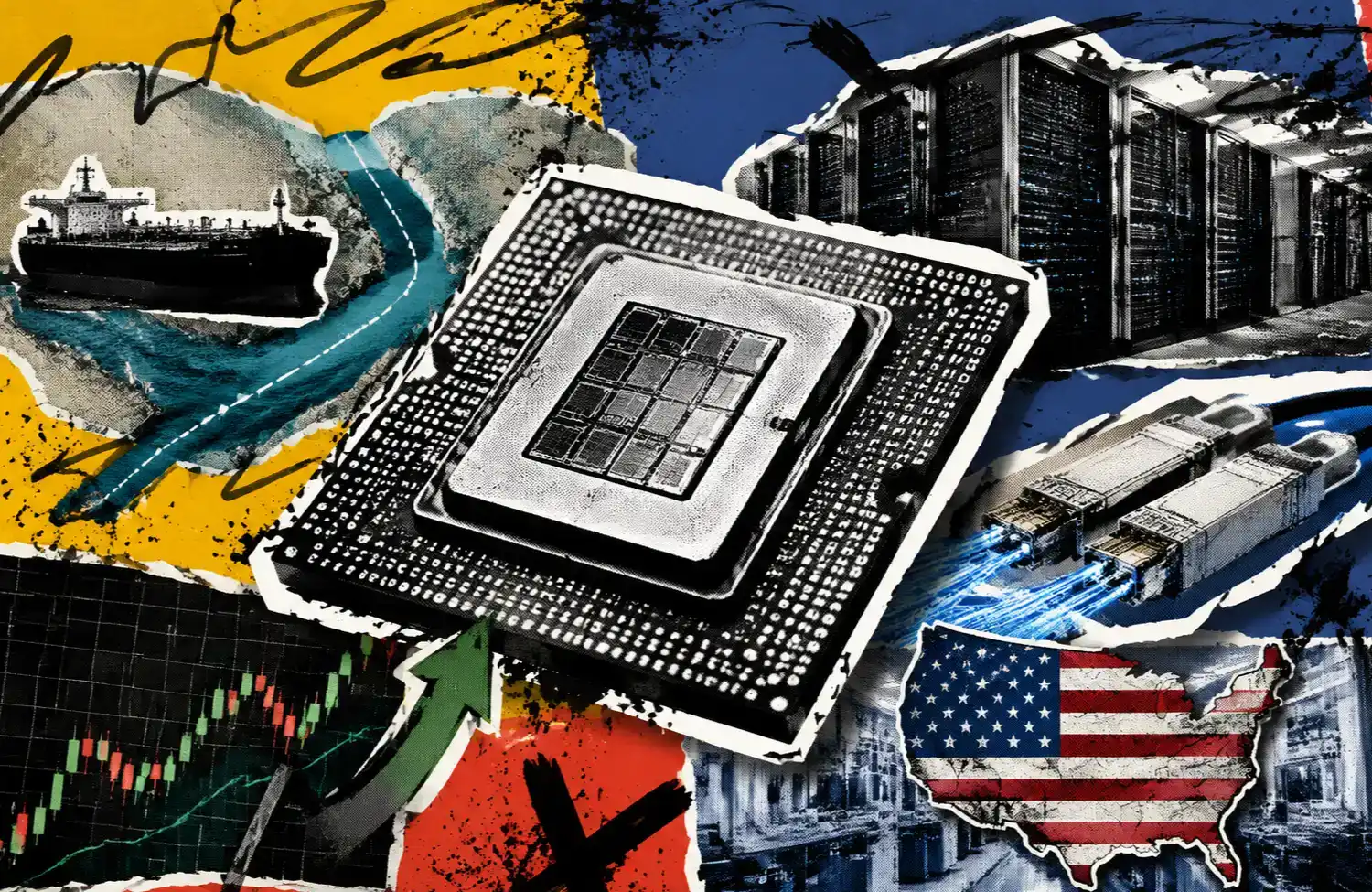
In the same post, Trump also mentioned that Nvidia has agreed to have Intel produce its initial batch of chips and that Musk committed to jointly building the world's largest wafer fab, TerraFab. The Apple partnership is the third piece in Intel's foundry puzzle. Intel closed up roughly 10.5% at $133.82. Apple plans price hikes due to rising memory and storage chip costs, with SanDisk surging over 11% and Micron gaining nearly 9%, benefiting the entire storage supply chain. Nvidia rose nearly 3%, and the Philadelphia Semiconductor Index jumped over 6% to a record high. From equipment to storage to computing power, the entire AI value chain moved higher, confirming that the long-term logic of AI capital expenditure remains intact even after the hawkish dot plot landed.

SpaceX closed down 3.56% at $185.00, falling for a second consecutive day with a cumulative two-day decline of about 8.3%. Bloomberg reported that day that the company is preparing to issue at least $20 billion in investment-grade dollar-denominated bonds to repay a bridge loan maturing in 2027. Concerns over potential equity dilution, combined with the hawkish FOMC shock, constituted a double pressure behind the two-day decline. It is still up nearly 15% for the week and 37% above its IPO price from the first day of trading, but short-term pressure has not yet dissipated.

The energy sector led the declines among the S&P 500's 11 major sectors. WTI crude oil fell about 2% to $74.29 per barrel. ExxonMobil and Chevron both retreated, and the Dow Jones Transportation Average slid over 4%. The reopening of the Strait of Hormuz released all geopolitical premiums, and the year-to-date gains of 20-40% began to loosen. The energy sector went from being the biggest winner of the week to the biggest loser.

The technology, consumer discretionary, and industrial sectors led the gains in unison. Capital flowed from defensive and energy stocks into the computing power chain. Money that flowed out of tech stocks yesterday due to the FOMC shock partially flowed back today, taking advantage of the geopolitical positive news. The speed of this rotation indicates that these funds did not truly exit the market but were simply waiting for a reason to re-enter.

Macro Outlook

The VIX plunged 11.06% to close at 16.40. The panic sentiment triggered by yesterday's FOMC largely dissipated within a day, suggesting the market's pricing of the hawkish dot plot was more of a technical hedge than genuine risk aversion. The 10-year Treasury yield edged down to around 4.445%, while the 2-year yield remained above 4.18%. The market did not roll back its pricing for a September rate hike; volatility was merely suppressed temporarily by improved risk appetite. Gold fell to $4,210 per ounce, silver also declined, and the dollar index retreated slightly but remained elevated. Bitcoin (CoinGecko) traded around $64,026, and Ethereum hovered around $1,734. The crypto market showed no clear reaction to the geopolitical positive news, with the pressure from hawkish expectations not yet relieved. WTI crude oil closed at $74.29 per barrel, hitting a nearly three-month low.

Next week will see the release of PCE data, Flash PMI, and Micron's earnings report. Micron's guidance is the most direct barometer for AI computing demand; last quarter, a single below-expectation guidance triggered a sector-wide single-day plunge. The Russell Reconstitution will take effect at the close next Friday, with mechanical rebalancing flows expected to cause a significant spike in trading volume, elevating volatility for small-cap stocks.

Trend Perspective

Thursday's rebound stood on two legs: the US-Iran deal signing released the geopolitical premium, and chip stocks confirmed the AI narrative remains intact with actual gains. Both logics hold, but their durations differ. The geopolitical premium is a one-time event; once the deal is signed, it's largely priced out. If Iran backtracks later, the market reaction will be faster and fiercer than the first time. The chip stock logic is more durable. The simultaneous rise in Intel, SanDisk, and Micron indicates the day's rally had breadth across the supply chain, and the pricing of AI capital expenditure has fundamental support. Behind SpaceX's two-day decline lies a new variable: once the $20 billion bond issuance materializes, financing pressure and dilution expectations could become a sustained drag on the stock price, not just a valuation adjustment. Next week's PCE data is the nearest litmus test. If the data again comes in hotter than expected, solidifying a September rate hike from probability to consensus, Thursday's rebound will be merely a pause for breath. If the data softens, the market will repricing rate cut expectations faster than anyone expects.


Criptos en tendencia

Preguntas relacionadas

QWhat was the main driver behind the major indices (S&P 500, Nasdaq, Dow) rising on the day discussed in the article?

AThe primary driver was the formal signing of the temporary U.S.-Iran agreement, which reduced geopolitical tensions. This positive development outweighed the impact of the previous day's hawkish FOMC minutes, leading to a broad market rebound.

QWhy did the Philadelphia Semiconductor Index surge to a record high, and which specific stocks were highlighted as key contributors?

AThe Philadelphia Semiconductor Index surged over 6% due to renewed confidence in the long-term AI capital expenditure cycle following the FOMC shock. Key contributors included Intel (up ~10.5% on news of a potential Apple deal), Micron (up nearly 9%), Western Digital/SanDisk (up over 11%), and Nvidia (up nearly 3%), reflecting strength across the entire chip ecosystem from equipment to memory to computing power.

QWhich sector was the sole loser on the trading day, and what was the primary reason for its decline?

AThe Energy sector was the sole loser, leading the declines among the S&P 500's 11 major sectors. The primary reason was a ~2% drop in WTI crude oil prices to around $74.29 per barrel, as the reopening of the Strait of Hormuz following the U.S.-Iran deal eliminated the geopolitical risk premium that had previously supported oil prices.

QAccording to the article, what new factor is creating sustained pressure on SpaceX's stock price beyond short-term valuation adjustments?

AThe article states that SpaceX is preparing to issue at least $20 billion in investment-grade USD bonds to refinance bridge loans due in 2027. This potential debt issuance raises concerns about financing pressure and equity dilution, which could create ongoing downward pressure on the stock price.

QWhat does the article identify as the key near-term test ('litmus test') for determining the sustainability of the market's rebound?

AThe article identifies the upcoming PCE (Personal Consumption Expenditures) inflation data as the key near-term litmus test. If the data comes in hotter than expected, it could solidify market consensus for a September Fed rate hike and undermine the rebound. Conversely, softer data could lead markets to quickly reprice rate cut expectations, supporting further gains.

Lecturas Relacionadas

A Guide to Grayscale’s ‘Bottom Fishing’: Using Cash Flow to Assess Cryptocurrency Value

**Title:** Grayscale's Guide to Bottom-Fishing: Valuing Cryptoassets Using Cash Flows **Summary:** This report by Grayscale Research presents a fundamental valuation framework for cryptocurrency assets, moving beyond pure speculation to analyze those with underlying cash flows. It distinguishes between "commodity-like" assets (e.g., Bitcoin) and "cash-flow" assets, primarily within DeFi. Using the leading decentralized lending protocol Aave as a case study, the analysis applies traditional financial methodologies like Discounted Cash Flow (DCF) and Price-to-Earnings (P/E) multiples. Key findings indicate that AAVE tokens are currently undervalued. Despite recent challenges, the protocol's strong revenue growth, ~50% net profit margin, and diversified treasury support a fundamental valuation range of $80-$100 per token (compared to a ~$75 market price at the time of writing). In a base-case scenario driven by stablecoin adoption and regulatory clarity, the fair value could rise to around $175 within a year. The report emphasizes that protocol success does not automatically translate to token value. It critically examines the "value capture" mechanisms—such as buybacks, burns, and staking rewards—that channel protocol profits to token holders. Furthermore, it addresses the legal and governance complexities of Decentralized Autonomous Organizations (DAOs), noting their difference from traditional corporate equity but highlighting how robust, transparent governance can align protocol economics with holder interests. The conclusion is that the crypto market is maturing, with capital increasingly flowing towards projects with demonstrable fundamentals, real adoption, and disciplined capital allocation, creating opportunities for value-based investors.

marsbitHace 34 min(s)

A Guide to Grayscale’s ‘Bottom Fishing’: Using Cash Flow to Assess Cryptocurrency Value

marsbitHace 34 min(s)

After semiconductors lead the gains, are funds buying into AI orders or a macroeconomic rebound?

After US-Iran talks led to a temporary ceasefire and framework for reopening the strategic Strait of Hormuz, U.S. stocks rose on June 18, with the Nasdaq gaining 1.9%. The semiconductor and AI hardware sectors outperformed. This rally stemmed primarily from reduced geopolitical risk, which lowered oil prices and inflation expectations, easing discount rate pressure on high-valuation growth stocks like tech. The key question is not whether tech rebounded, but the nature of the rebound. The market appears to be selectively repricing AI infrastructure plays rather than broadly chasing AI narratives. Gains were concentrated in chips, optical interconnects, memory, and domestic manufacturing—segments tied to tangible data center build-outs and capital expenditure. Intel's ~10% surge, fueled by a Trump statement about potential Apple collaboration, exemplifies this mixed dynamic. It reflects policy catalysts and domestic manufacturing sentiment more than confirmed fundamentals. Meanwhile, strong earnings from companies like Astera Labs (revenue up 93% YoY) provided concrete evidence of AI-driven demand in hardware. In essence, the rally represents a risk-premium recalibration. Lower Middle East tensions opened a valuation repair window, and capital flowed first into AI infrastructure segments with visible near-term revenue streams. The sustainability of this move hinges on upcoming Q2 earnings, specifically continued strength in cloud provider capex, AI server orders, and hardware company guidance. Policy hopes alone are insufficient; the cycle needs validation from orders and financials.

marsbitHace 39 min(s)

After semiconductors lead the gains, are funds buying into AI orders or a macroeconomic rebound?

marsbitHace 39 min(s)

The Entire Internet Hails Noam's Joining, But OpenAI's Loss Bill Just Got Thicker

While the AI community celebrates Noam Shazeer, co-author of the "Attention Is All You Need" paper, joining OpenAI as Head of Architectural Research, the company's audited financials reveal a starkly different reality. In 2025, OpenAI reported $13.07 billion in revenue but a massive $20.92 billion operating loss. Even excluding a one-time accounting charge, the cash burn is severe, with $3.7 billion consumed in Q1 2026 alone. This high-profile hiring occurs against a backdrop of significant internal research talent drain, with key founders and researchers departing as the company's focus shifts from exploratory research to product iteration. Meanwhile, OpenAI's fundamental business model faces a deep crisis. It paid Microsoft $10.59 billion for compute in 2025, while its vast user base of 9 billion weekly actives includes only 50 million paying customers, making growth a direct driver of escalating costs. The article argues Shazeer's recruitment is less about technical necessity and more about crafting a compelling narrative for OpenAI's upcoming IPO, aiming to justify a rumored $1 trillion valuation to future public market investors. It contrasts OpenAI's strategy with Anthropic's reported path to profitability, which relies on a strong enterprise customer base and cost control, rather than star-powered narratives. Ultimately, the piece concludes that while Shazeer's architectural work may take 1-2 years to materialize, OpenAI's financial clock is ticking much faster, with its massive losses undercutting the celebratory headlines.

marsbitHace 2 hora(s)

The Entire Internet Hails Noam's Joining, But OpenAI's Loss Bill Just Got Thicker

marsbitHace 2 hora(s)

Trading

Spot
Futuros

Artículos destacados

Cómo comprar CHIP

¡Bienvenido a HTX.com! Hemos hecho que comprar USD.AI (CHIP) sea simple y conveniente. Sigue nuestra guía paso a paso para iniciar tu viaje de criptos.Paso 1: crea tu cuenta HTXUtiliza tu correo electrónico o número de teléfono para registrarte y obtener una cuenta gratuita en HTX. Experimenta un proceso de registro sin complicaciones y desbloquea todas las funciones.Obtener mi cuentaPaso 2: ve a Comprar cripto y elige tu método de pagoTarjeta de crédito/débito: usa tu Visa o Mastercard para comprar USD.AI (CHIP) al instante.Saldo: utiliza fondos del saldo de tu cuenta HTX para tradear sin problemas.Terceros: hemos agregado métodos de pago populares como Google Pay y Apple Pay para mejorar la comodidad.P2P: tradear directamente con otros usuarios en HTX.Over-the-Counter (OTC): ofrecemos servicios personalizados y tipos de cambio competitivos para los traders.Paso 3: guarda tu USD.AI (CHIP)Después de comprar tu USD.AI (CHIP), guárdalo en tu cuenta HTX. Alternativamente, puedes enviarlo a otro lugar mediante transferencia blockchain o utilizarlo para tradear otras criptomonedas.Paso 4: tradear USD.AI (CHIP)Tradear fácilmente con USD.AI (CHIP) en HTX's mercado spot. Simplemente accede a tu cuenta, selecciona tu par de trading, ejecuta tus trades y monitorea en tiempo real. Ofrecemos una experiencia fácil de usar tanto para principiantes como para traders experimentados.

410 Vistas totalesPublicado en 2026.04.21Actualizado en 2026.06.02

Cómo comprar CHIP

Discusiones

Bienvenido a la comunidad de HTX. Aquí puedes mantenerte informado sobre los últimos desarrollos de la plataforma y acceder a análisis profesionales del mercado. A continuación se presentan las opiniones de los usuarios sobre el precio de CHIP (CHIP).

活动图片