A Country That Mined Bitcoin for 8 Years Has Built Its Own Dedicated Crypto Bank

Foresight NewsPublicado a 2026-06-17Actualizado a 2026-06-17

Resumen

A country that has been mining Bitcoin for eight years has established its own dedicated crypto bank. DK Bank, located in Bhutan's newly developed GMC special administrative zone, aims to fill the significant banking service gap for the cryptocurrency industry. Its CEO, Zheng YD, explained that most banks avoid crypto businesses due to a lack of risk management frameworks for decentralized and anonymous protocols. Operating under a unique "one country, two systems" governance model separate from mainland Bhutan, GMC aspires to become a financial hub for South Asia. DK Bank differentiates itself by offering integrated multi-currency accounts where users can manage both fiat currencies and stablecoins like USDT and USDC in one place, alongside services like Bitcoin-backed loans. The bank faces technical challenges in merging traditional banking systems with 24/7 crypto markets and implements rigorous on-chain and off-chain transaction monitoring for risk control. GMC's regulatory framework draws from Singaporean common law and Abu Dhabi's ADGM rules, offering a fast-track licensing process for already licensed firms while maintaining high standards. The initiative is part of Bhutan's longer-term crypto strategy, which includes Bitcoin mining since 2018. The focus, however, is on building a diversified institutional-grade crypto ecosystem—including custody and asset management—rather than retail speculative tokens. Proponents argue such sovereign crypto infrastructure is neces...


Written by: Boaz Sobrado

Compiled by: Luffy, Foresight News



"If you don't know how to handle something, just avoid it."


DK Bank CEO Zheng YD used this phrase to explain the root cause of crypto businesses frequently having their banking services cut off. This bank is located in Bhutan's newly built GMC, Gelephu Mindfulness City, and is also the only licensed bank in the area. Its founding purpose was precisely to take on the crypto business that other financial institutions are keen to avoid.


"There has long been a significant supply gap in banking services for the crypto industry," Zheng YD stated on the "On The Margin" podcast. "The root cause is that cryptocurrencies were born from decentralized protocols, inherently carrying anonymity, and the banking industry generally lacks corresponding risk control methods. To this day, the vast majority of institutions still don't know how to proceed."


DK Bank, jointly regulated by the Royal Monetary Authority of Bhutan, is at the core of a unique financial experiment. Bhutan is a small Himalayan nation with a population of less than a million. Compared to GDP, Gross National Happiness is this country's iconic development metric. Gelephu Mindfulness City (GMC) is a special administrative zone in southern Bhutan. The project operator claims this area has independent governance rules.


"The new city is independent from mainland Bhutan in administrative, legislative, and judicial aspects," said Jigdrel Singay, Director of the Gelephu Mindfulness City Authority and head of fintech business. He describes this governance model as "one country, two systems."


They are targeting a vast market that has long lacked corresponding financial services. "South Asia has about 2 billion people but lacks a financial services hub, which is equivalent to a gap for a regional financial gateway," Singay said. He hopes GMC can become the financial services center for South Asia, much like Hong Kong is for China or Singapore for Southeast Asia.


Fiat and Stablecoins in the Same Account


DK Bank's business positioning is very clear. Zheng YD said most banks on the market that claim to support cryptocurrencies are only willing to handle the fiat business of crypto companies, while digital assets still need to be custodied on external platforms.


"These banks will only say they won't close your account because you are a crypto business, but all your crypto asset flows cannot go through their channels," Zheng YD said. "We want to be different. We have integrated fiat and crypto asset systems, launching integrated multi-currency accounts and crypto custody services. Users can manage stablecoins like USDT and USDC within the same bank account, just like managing USD, GBP, or EUR."


According to disclosed project materials, the account supports 9 fiat currencies, along with Bitcoin collateralized lending and two-way fiat-crypto asset exchange channels for deposits and withdrawals. There were two main difficulties in implementation. The first is the underlying architecture: traditional banks only process business in batches from 9 to 5 on weekdays, while the crypto market operates 24/7 with real-time trading. Zheng YD admitted that integrating the two systems required an extremely difficult technical upgrade.


The second difficulty is filtering out bad actors. Zheng YD did not shy away from the industry's issues. "We never deny that there are bad actors in the crypto industry; any industry will breed a certain proportion of non-compliant participants," he said. "Therefore, the Gelephu City Authority and DK Bank collaborate to complete risk screening from the user onboarding stage." Risk control doesn't stop at account opening: "We don't just monitor off-chain fund flows; we also track the complete on-chain trajectory, scan wallet addresses, and verify every receipt, payment, and counterparty information."


Zheng YD believes this track is worth deep cultivation, with the core judgment being that global financial services are gradually moving from off-chain to on-chain. "We believe global financial services will continue to migrate on-chain. DK Bank aims to be the financial institution that is fully prepared to welcome this transformation."


Borrowing from Singapore Law, Opening Fast-Track Licensing Channel


Gelephu City did not build its regulatory system from scratch. "At the corporate governance level, we adopt Singapore common law; for financial regulatory rules, we benchmark against the Abu Dhabi Global Market (ADGM)," Singay explained. "The reason for choosing these two systems is that they are both top-tier global standards with extremely high recognition from international investors." Companies that have already obtained licenses in Singapore, ADGM, or Hong Kong can operate here without going through the full approval process again, via a fast-track channel.


There is widespread external concern that simplified processes might lower regulatory standards. Singay clarified this: speed-up only applies to the approval process; regulatory standards will not be relaxed. Companies wanting to enjoy the city's highest zero corporate income tax incentive must have a genuine business presence. "We do not welcome companies that only register shell companies with empty offices," Singay said. "Companies need to meet physical operation requirements: hire local Bhutanese employees, set up physical office space, and provide proof of daily operational expenses. Core management personnel of the company also need to pass qualification reviews by the regulatory authority."


Why is a Small Country Building This Infrastructure Now?


Bhutan is not the only small sovereign state focusing on this track. Xin Yan, CEO of the sovereign crypto infrastructure company Sign, has been deeply involved in this field for two years, shifting his service target from crypto users to national governments, with Bhutan being one of his partner countries.


"Governments are the gatekeepers of all business, data, and assets in the real world," Xin Yan mentioned on the podcast. "Government decisions are very pragmatic; they won't blindly chase concepts like Bitcoin or crypto just for the sake of it. There is only one core demand: solving their own development problems." He pointed out that countries generally face risks of external dependence. "The current mainstream global financial infrastructure is dominated by China and the United States. Once these two countries restrict cooperation for geopolitical reasons, the financial systems of related countries will suffer impacts."


Neo, founder of the Swiss-licensed on-chain neo-bank UR, bluntly stated that many current Web3 projects have superficial models. "Today, both Web2 and Web3 industries are taking shortcuts: issuing USDC stablecoins, launching payment cards, and calling themselves digital banks. It looks glamorous, but there is no substantial change in the underlying architecture."


Neo explained that the Swiss Financial Market Supervisory Authority (FINMA)'s regulatory approach is centered on on-chain data. Regulatory authorities directly read the blockchain, checking quarterly fund flows and portfolio sizes of various wallet addresses to determine if a company is compliant and issue the next stage of operating permits. Zheng YD said DK Bank adopts a similar regulatory logic, simultaneously monitoring on-chain wallet flows and fiat funds to safeguard the financial security of the entire new city.


Mining Since 2018, and Hedging Bitcoin Risk


Bhutan's crypto layout is not a spur-of-the-moment decision; Bitcoin mining operations leveraging hydropower resources have been running for years. Singay said mining operations started in 2018. Zheng YD added: "National-scale mining began in 2019. Long before most countries understood Bitcoin, Bhutan was already deeply involved in the crypto ecosystem." Singay attributes this to the country's long-term vision. "Our industry accumulation is the best proof; we are early pioneers in the industry."


Both leaders are unwilling to bet the country's development on a single crypto asset. When asked if Bhutan would launch a native cryptocurrency similar to the Trump token, Singay said the focus is on institutional-grade full crypto industry chain: mining, custody, asset management, and prime brokerage services. "At least Gelephu City will not proactively layout speculative tokens targeting retail investors."


When asked how they would cope if Bitcoin's price crashed and failed to recover for a long time, Zheng YD answered with a banker's risk control mindset: "Running a bank requires anticipating all kinds of risks; theoretically, extreme market conditions are all possible. If Bitcoin experiences a deep drop, how do we respond?" His solution is diversification, not relying solely on Bitcoin: "Blockchain is the underlying technology; Bitcoin is just one application on it. We focus on Bitcoin but also push forward in other blockchain tracks like stablecoins and real-world asset tokenization."


Project implementation is subject to time constraints. The crucial international airport mentioned by Singay will be managed by the operator of Singapore's Changi Airport, with overall planning by the renowned architectural firm Bjarke Ingels Group (BIG), expected to be completed by December 2029. As for the digital nomad visa for overseas remote workers, Zheng YD said it is still in the testing phase. This newly planned city, focused on human-nature coexistence, exempts foreign nationals from personal income tax, with monthly rents as low as $400 to $500. However, currently, there are only complete planning blueprints and DK Bank in operation.


Whether this crypto bank can create value depends on a common industry question. Wojciech Kaszycki, founder of the digital asset firm Mobilum, explicitly stated the necessity of sovereign crypto infrastructure: "I believe every country should establish its own native digital asset reserve institution."


Zheng YD gently elaborated on the value of small countries laying out crypto finance with a personal anecdote. "When I first visited Bhutan, the entire capital city had only one traffic light," he said. "It wasn't because there were few cars; the local car ownership rate is not low. But people yielded politely and orderly, so traffic lights weren't needed. When traffic jammed, everyone waited quietly without honking. In today's increasingly chaotic global environment, this kind of inclusive and restrained thinking is precisely the trait urgently needed by the global financial industry." While most countries still ignored blockchain technology, Bhutan had already started Bitcoin mining; now, this small Himalayan country is going a step further, building a dedicated, compliant crypto bank.

Criptos en tendencia

Preguntas relacionadas

QAccording to the article, what is the main reason why traditional banks often refuse to provide services to crypto businesses?

AThe main reason is that traditional banks generally lack the corresponding risk control mechanisms for cryptocurrencies, which are born from decentralized protocols and have inherent anonymity. Most institutions still don't know how to handle them effectively, leading them to simply avoid these businesses.

QWhat is the unique feature of DK Bank's accounts for its users?

ADK Bank offers integrated multi-currency accounts and crypto custody services. Users can manage stablecoins like USDT and USDC within the same bank account, just like managing traditional fiat currencies such as USD, GBP, or EUR.

QHow does Bhutan's Gelephu Mindfulness City (GMC) plan to streamline the licensing process for crypto businesses?

AGMC has adopted Singapore common law for corporate governance and aligned its financial regulatory rules with the Abu Dhabi Global Market (ADGM). Companies already licensed in Singapore, ADGM, or Hong Kong can obtain a license to operate in GMC through a fast-track process without going through the full approval procedure again.

QWhen did Bhutan begin its involvement in the Bitcoin mining industry according to the article?

AAccording to the article, Bhutan began its Bitcoin mining operations in 2018, with nationwide, scaled mining starting from 2019. This makes it an early adopter in the crypto ecosystem.

QWhat is Bhutan's strategic focus in the crypto industry, and what type of tokens does it specifically avoid promoting?

ABhutan's strategic focus is on building a full institutional-grade crypto industry chain, including mining, custody, asset management, and prime brokerage services. The Gelephu Mindfulness City specifically stated it would not proactively develop speculative tokens aimed at retail investors.

Lecturas Relacionadas

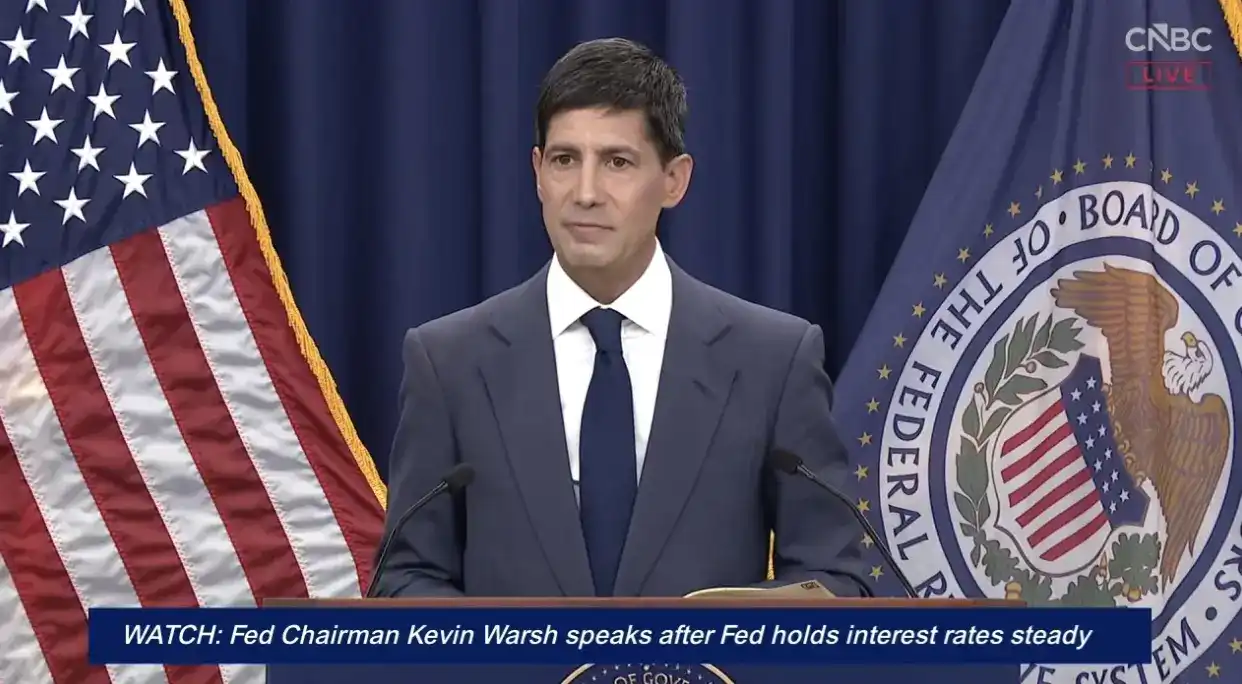
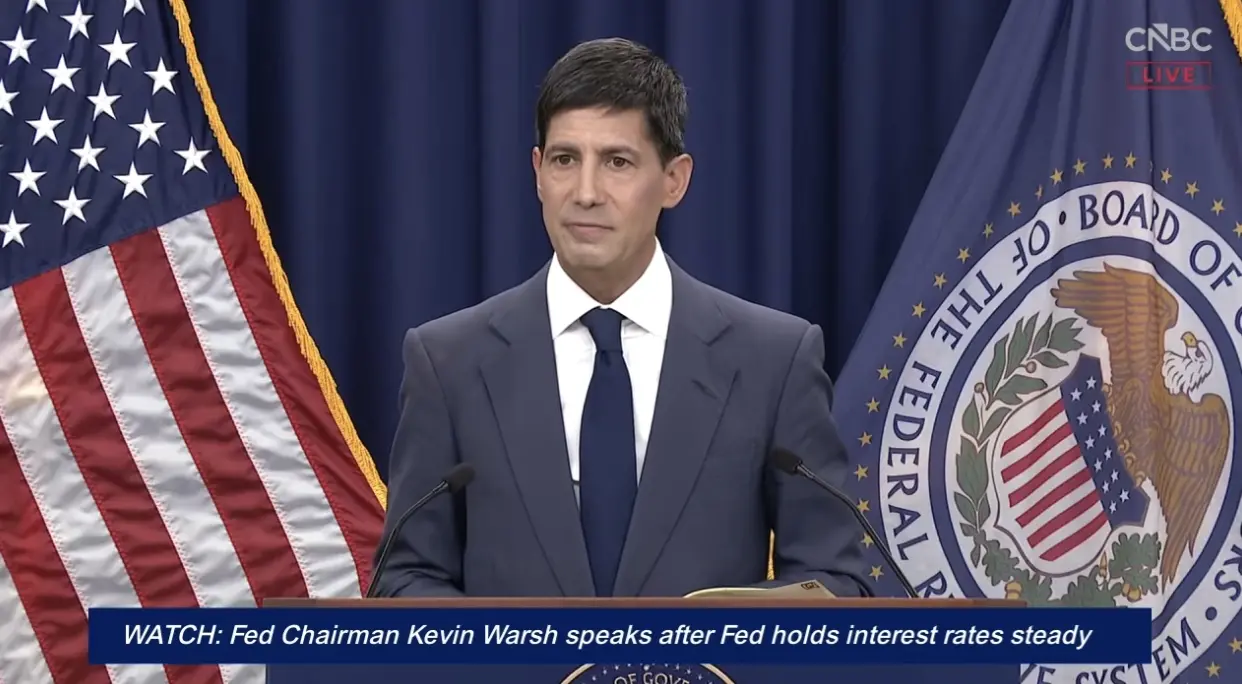
Full Debut Q&A! Fed Chair Wash: Firmly Adhering to 2% Inflation Target, Establishing Five Special Task Forces, Personally Did Not Submit Dot Plot

Federal Reserve Chair Kevin Warsh delivered his first FOMC press conference, maintaining the federal funds rate at 3.5%-3.75% and emphasizing the Committee's unanimous and explicit commitment to achieving its 2% inflation target. Key announcements included significant changes to Fed communication and operations. The policy statement was significantly shortened and, notably, forward guidance was removed. Chair Warsh broke from precedent by declining to submit his own economic forecasts and "dot plot." He announced the immediate formation of five special working groups focusing on: Fed communication, the balance sheet, data sources, productivity and employment (including AI's impact), and the inflation framework. These groups, which will include external experts, are tasked with recommending improvements by year-end. One key group will review the Fed's $6.7 trillion balance sheet to assess the roles of interest rates versus balance sheet tools in monetary policy. Warsh characterized the current restrictive stance of policy as "uneven," noting its effect on housing but questioning its impact on financial markets where conditions appear less restrictive. He expressed a desire to move away from a "Fed-speak" driven market, arguing that markets should react to economic data rather than Fed commentary to provide better informational signals. On inflation, he stated there is no need to reconsider the 2% target until the Fed re-establishes its commitment and capability to achieve it. Economic projections (SEP) from other officials showed a split on the rate outlook for 2024, with half expecting at least one hike and half forecasting unchanged or lower rates. The median projection saw the federal funds rate at 3.8% by year-end 2024. Following the announcements, risk assets sold off sharply, Treasury yields rose, and the dollar strengthened.

marsbitHace 13 min(s)

Full Debut Q&A! Fed Chair Wash: Firmly Adhering to 2% Inflation Target, Establishing Five Special Task Forces, Personally Did Not Submit Dot Plot

marsbitHace 13 min(s)

Full First Q&A! Fed Chair Warsh: Sticks to 2% Inflation Target, Establishes Five Special Working Groups, Personally Did Not Submit Dot Plot

The Federal Reserve, under new Chair Kevin Warsh, held its first FOMC meeting, maintaining the federal funds rate target range at 3.5% to 3.75%. The central bank issued a significantly shortened policy statement, explicitly removing forward guidance. Chair Warsh delivered a strong, unified commitment to achieving the 2% inflation target, stating the FOMC has the "capability and the commitment" to restore price stability and sees no need to review the target itself at this time. Warsh announced the immediate formation of five special working groups to examine and propose improvements in key areas by year-end: Fed communication, the balance sheet (including a review of the $6.7 trillion portfolio and its role in policy), data sources and methodology, productivity and employment (including AI's impact), and the inflation framework. In a break from tradition, Chair Warsh did not submit his own economic projections or "dot plot." The submitted Summary of Economic Projections (SEP) showed a split among other officials: half anticipate at least one rate hike this year, while half expect rates to remain steady or fall. The median projection sees the federal funds rate at 3.8% by year-end 2026. Warsh characterized the current policy stance as "uneven," noting restrictive effects in sectors like housing but less so in financial markets. He emphasized a desire to move away from a market dynamic overly focused on Fed signaling, advocating for markets to react more to economic data. On AI, he called it potentially the most significant economic change in his adult life, driving clear demand but with uncertain timing and scale on the supply side, creating a "race" between the two.

链捕手Hace 15 min(s)

Full First Q&A! Fed Chair Warsh: Sticks to 2% Inflation Target, Establishes Five Special Working Groups, Personally Did Not Submit Dot Plot

链捕手Hace 15 min(s)

The DeepSeek Financing Story

DeepSeek's financing round, totaling approximately 3 billion USD, concluded recently, revealing details about the process and key investors. The round was initiated around April with strict initial terms: a minimum commitment of 5 billion RMB, no syndication, and a pure RMB structure. These were later relaxed, with the minimum ticket size reduced to 1.5 billion RMB. A pivotal four-hour online investor meeting in mid-May served as the primary interaction for many backers with DeepSeek's founder, Liang Wenfeng. Despite not being a naturally eloquent speaker, Liang's philosophy deeply resonated. He consistently emphasized the company's singular focus on AGI (Artificial General Intelligence), the principle of "less is more," extreme caution in spending, and the paramount importance of team stability. His notable quotes included describing the team as "ordinary people doing extraordinary things" and stating that "AGI is a big enough thing; everything else is just process." The final investor list featured 10 entities, but underlying fund structures indicate participation from nearly 100 institutions and individuals. Notable lead investors include Monolith Capital (increasing its commitment from 1.5 to 3 billion RMB), Zhenxingu Capital, IDG Capital, and state-affiliated investors like Guozhitou. Conspicuously absent were major firms like Sequoia China and Hillhouse Capital, despite earlier speculation about their involvement. A core condition set by Liang Wenfeng for all investors, whether corporate or venture capital, was a strict prohibition against poaching DeepSeek employees or encouraging them to leave to start ventures. The financing process highlighted DeepSeek's unexpected openness to external capital, surprising many in the investment community. The company's low-profile nature, combined with its ambitious AGI vision and principled approach, fostered a sense of reverence among participating investors, many of whom were reluctant to discuss the deal publicly, preferring to maintain its discreet and purposeful ethos.

链捕手Hace 22 min(s)

The DeepSeek Financing Story

链捕手Hace 22 min(s)

The DeepSeek Fundraising Story

"The DeepSeek Funding Story: Insights from the $2.15 Billion Round" This article details behind-the-scenes narratives from DeepSeek's recent massive funding round. Key highlights include the legendary four-hour online investor meeting where CEO Liang Wenfeng, despite not being a charismatic speaker, impressed attendees with his focus on AGI and team stability. He emphasized the philosophy of "ordinary people doing extraordinary things" and a steadfast commitment to solely advancing intelligence. The fundraising process, initiated in April, saw initial demands for a minimum investment of 5 billion RMB, no syndication, and a pure RMB structure. These terms were later adjusted to a 1.5 billion RMB minimum to accommodate more investors. A notable absence was the lack of participation from major VC firms Sequoia China and Hillhouse Capital, despite early rumors, making IDG the only established VC in the final lineup. The investor list, while showing 10 entities, actually involved nearly 100 underlying institutions and individuals upon closer examination. Significant participants included Monolith Capital, which doubled its commitment to 3 billion RMB, and Zhenxingu Capital, an unexpected entrant. Liang Wenfeng's paramount condition for all investors was a strict agreement not to poach DeepSeek employees. The article reflects on DeepSeek's unexpected openness to funding and the mix of strategies—synergy, insight, brand alignment, and persistence—that secured investors a stake. The overarching sentiment among participants is one of pride and a shared belief in DeepSeek's potential to become a landmark Chinese company, driven by a profound sense of purpose in the AGI race.

marsbitHace 24 min(s)

The DeepSeek Fundraising Story

marsbitHace 24 min(s)

DAT Companies Take on Side Businesses

The article details the strategic shifts of Digital Asset Treasury (DAT) companies amid a prolonged market downturn. Initially popularized by firms like MicroStrategy, the DAT model—where companies hold cryptocurrencies on their balance sheets—has faced significant pressure as crypto ETFs eroded their investment thesis and bear markets strained finances. Key players are adapting in several ways. Some, like ETHzilla, have abandoned the model entirely. Others are pivoting towards becoming active, revenue-generating participants in the crypto ecosystem rather than passive holders. This evolution is taking two main paths: 1. **Transformation into Institutional Crypto Asset Managers:** Companies like SharpLink Gaming and GameSquare are leveraging their holdings to generate yield, moving beyond simple storage. They employ strategies like 100% ETH staking or using machine learning to optimize DeFi yields, positioning themselves as platforms offering institutional-grade crypto yield products. 2. **Becoming Blockchain Infrastructure Operators:** This is prominent in the Solana ecosystem. Firms like DeFi Development and SOL Strategies are acquiring validator businesses, issuing liquid staking tokens (e.g., dfdvSOL, fwdSOL), and integrating them into DeFi protocols. They generate fee-based revenue from these operations, building network effects. The article notes that successful转型 hinges on building operational expertise and defensible business models around crypto assets, such as technical advantages or deep ecosystem integration. However, these new paths carry risks like smart contract vulnerabilities or ecosystem dependence. Ultimately, this collective shift signals a maturation phase for the DAT movement. It highlights that in crypto, sustainable value is increasingly tied to active participation, cash flow generation, and providing real utility, rather than speculative capital allocation alone.

Foresight NewsHace 27 min(s)

DAT Companies Take on Side Businesses

Foresight NewsHace 27 min(s)

Trading

Spot
Futuros

Artículos destacados

Qué es BITCOIN

Entendiendo HarryPotterObamaSonic10Inu (ERC-20) y Su Posición en el Espacio Cripto En los últimos años, el mercado de criptomonedas ha sido testigo de un aumento en la popularidad de las monedas meme, capturando el interés no solo de los comerciantes, sino también de aquellos que buscan compromiso comunitario y valor de entretenimiento. Entre estos tokens únicos se encuentra HarryPotterObamaSonic10Inu (ERC-20), un proyecto intrigante que mezcla referencias culturales en el tejido de las criptomonedas. Este artículo profundiza en los aspectos clave de HarryPotterObamaSonic10Inu, explorando sus mecanismos, ethos impulsado por la comunidad y su relación con el paisaje cripto más amplio. ¿Qué es HarryPotterObamaSonic10Inu (ERC-20)? Como su nombre sugiere, HarryPotterObamaSonic10Inu es una moneda meme construida sobre la blockchain de Ethereum, clasificada bajo el estándar ERC-20. A diferencia de las criptomonedas tradicionales que pueden enfatizar la utilidad práctica o el potencial de inversión, este token prospera en el valor de entretenimiento y la fuerza de su comunidad. El proyecto tiene como objetivo fomentar un entorno donde los usuarios comprometidos puedan reunirse, compartir ideas y participar en actividades inspiradas por diversos fenómenos culturales. Una característica notable de HarryPotterObamaSonic10Inu es su cero impuestos en las transacciones. Este atractivo elemento tiene como objetivo incentivar el comercio y la participación comunitaria, sin cargos adicionales que puedan disuadir a los comerciantes de pequeña escala. El suministro total de la moneda está establecido en mil millones de tokens, una cifra que marca su intención de mantener una circulación sustancial dentro de la comunidad. Creador de HarryPotterObamaSonic10Inu (ERC-20) Los orígenes de HarryPotterObamaSonic10Inu están algo envueltos en misterio; los detalles sobre el creador siguen siendo desconocidos. El desarrollo de este token carece de un equipo identificable o de un plan explícito, lo cual no es inusual dentro del sector de monedas meme. En cambio, el proyecto ha surgido de manera orgánica, con su progreso muy dependiente del entusiasmo y la participación de su comunidad. Inversores de HarryPotterObamaSonic10Inu (ERC-20) En cuanto a inversiones externas y respaldo, HarryPotterObamaSonic10Inu también sigue siendo ambiguo. El token no lista ninguna fundación de inversión conocida o apoyo organizacional significativo. En cambio, la savia del proyecto es su comunidad de base, que informa su crecimiento y sostenibilidad a través de la acción colectiva y el compromiso en el espacio cripto. ¿Cómo Funciona HarryPotterObamaSonic10Inu (ERC-20)? Como una moneda meme, HarryPotterObamaSonic10Inu opera principalmente fuera de los marcos tradicionales que a menudo rigen el valor de los activos. Hay varios aspectos distintivos que definen cómo funciona el proyecto: Transacciones Sin Impuestos: Sin tarifas impositivas en las transacciones, los usuarios pueden comprar y vender el token libremente sin preocuparse por costos ocultos. Compromiso Comunitario: El proyecto prospera en la interacción comunitaria, aprovechando plataformas de redes sociales para crear entusiasmo y facilitar la participación. Las discusiones, el intercambio de contenido y el compromiso son elementos cruciales que ayudan a expandir su alcance y fomentar la lealtad entre los seguidores. Sin Utilidad Práctica: Cabe señalar que HarryPotterObamaSonic10Inu no ofrece utilidad concreta dentro del ecosistema financiero. Más bien, se clasifica como un token principalmente para actividades de entretenimiento y comunitarias. Referencia Cultural: El token incorpora astutamente elementos de la cultura popular para atraer interés, conectando con entusiastas de los memes y seguidores de las criptomonedas por igual. HarryPotterObamaSonic10Inu ejemplifica cómo las monedas meme operan de manera diferente a los proyectos de criptomonedas más tradicionales, ingresando al mercado como construcciones sociales innovadoras en lugar de activos utilitarios. Cronología de HarryPotterObamaSonic10Inu (ERC-20) La historia de HarryPotterObamaSonic10Inu está marcada por varios hitos notables: Creación: El token surgió de un meme viral, capturando la imaginación de muchos entusiastas de las criptomonedas. Las fechas específicas de creación no están disponibles, subrayando su ascenso orgánico. Listado en Exchanges: HarryPotterObamaSonic10Inu ha llegado a varios exchanges, permitiendo un acceso y comercio más fácil por parte de la comunidad. Iniciativas de Compromiso Comunitario: Actividades continuas destinadas a mejorar la interacción comunitaria, incluyendo concursos, campañas en redes sociales y generación de contenido por parte de fanáticos y defensores. Planes de Expansión Futuros: La hoja de ruta del proyecto incluye el lanzamiento de una colección de NFT, mercancía y un sitio de comercio electrónico relacionado con sus temas culturales, involucrando aún más a la comunidad e intentando añadir más dimensiones a su ecosistema. Puntos Clave Sobre HarryPotterObamaSonic10Inu (ERC-20) Naturaleza Impulsada por la Comunidad: El proyecto prioriza la participación colectiva y la creatividad, asegurando que la involucración de los usuarios esté a la vanguardia de su desarrollo. Clasificación como Moneda Meme: Representa la epítome de las criptomonedas basadas en el entretenimiento, diferenciándose de los vehículos de inversión tradicionales. Sin Afiliación Directa con Bitcoin: A pesar de la similitud en el nombre del ticker, HarryPotterObamaSonic10Inu es distinto y no tiene relación con Bitcoin u otras criptomonedas establecidas. Enfoque en la Colaboración: HarryPotterObamaSonic10Inu está diseñado para crear un espacio para la colaboración y el intercambio de historias entre sus poseedores, proporcionando una vía para la creatividad y el vínculo comunitario. Perspectivas Futuras: La ambición de expandirse más allá de su premisa inicial hacia NFTs y mercancías describe un camino para que el proyecto potencialmente ingrese a avenidas más tradicionales dentro de la cultura digital. A medida que las monedas meme continúan capturando la imaginación de la comunidad de criptomonedas, HarryPotterObamaSonic10Inu (ERC-20) se destaca debido a sus lazos culturales y su enfoque centrado en la comunidad. Si bien puede no encajar en el molde típico de un token impulsado por la utilidad, su esencia radica en la alegría y la camaradería fomentadas entre sus seguidores, destacando la naturaleza en evolución de las criptomonedas en una era cada vez más digital. A medida que el proyecto continúa desarrollándose, será importante observar cómo las dinámicas comunitarias influyen en su trayectoria en el cambiante paisaje de la tecnología blockchain.

1.8k Vistas totalesPublicado en 2024.04.01Actualizado en 2024.12.03

Qué es BITCOIN

Cómo comprar BTC

¡Bienvenido a HTX.com! Hemos hecho que comprar Bitcoin (BTC) sea simple y conveniente. Sigue nuestra guía paso a paso para iniciar tu viaje de criptos.Paso 1: crea tu cuenta HTXUtiliza tu correo electrónico o número de teléfono para registrarte y obtener una cuenta gratuita en HTX. Experimenta un proceso de registro sin complicaciones y desbloquea todas las funciones.Obtener mi cuentaPaso 2: ve a Comprar cripto y elige tu método de pagoTarjeta de crédito/débito: usa tu Visa o Mastercard para comprar Bitcoin (BTC) al instante.Saldo: utiliza fondos del saldo de tu cuenta HTX para tradear sin problemas.Terceros: hemos agregado métodos de pago populares como Google Pay y Apple Pay para mejorar la comodidad.P2P: tradear directamente con otros usuarios en HTX.Over-the-Counter (OTC): ofrecemos servicios personalizados y tipos de cambio competitivos para los traders.Paso 3: guarda tu Bitcoin (BTC)Después de comprar tu Bitcoin (BTC), guárdalo en tu cuenta HTX. Alternativamente, puedes enviarlo a otro lugar mediante transferencia blockchain o utilizarlo para tradear otras criptomonedas.Paso 4: tradear Bitcoin (BTC)Tradear fácilmente con Bitcoin (BTC) en HTX's mercado spot. Simplemente accede a tu cuenta, selecciona tu par de trading, ejecuta tus trades y monitorea en tiempo real. Ofrecemos una experiencia fácil de usar tanto para principiantes como para traders experimentados.

5.2k Vistas totalesPublicado en 2024.12.12Actualizado en 2026.06.02

Cómo comprar BTC

Qué es $BITCOIN

ORO DIGITAL ($BITCOIN): Un Análisis Integral Introducción al ORO DIGITAL ($BITCOIN) ORO DIGITAL ($BITCOIN) es un proyecto basado en blockchain que opera en la red Solana, cuyo objetivo es combinar las características de los metales preciosos tradicionales con la innovación de las tecnologías descentralizadas. Aunque comparte un nombre con Bitcoin, a menudo referido como “oro digital” debido a su percepción como un refugio de valor, ORO DIGITAL es un token separado diseñado para crear un ecosistema único dentro del paisaje Web3. Su meta es posicionarse como un activo digital alternativo viable, aunque los detalles sobre sus aplicaciones y funcionalidades aún están en desarrollo. ¿Qué es ORO DIGITAL ($BITCOIN)? ORO DIGITAL ($BITCOIN) es un token de criptomoneda diseñado explícitamente para su uso en la blockchain de Solana. A diferencia de Bitcoin, que proporciona un papel de almacenamiento de valor ampliamente reconocido, este token parece centrarse en aplicaciones y características más amplias. Aspectos notables incluyen: Infraestructura Blockchain: El token está construido sobre la blockchain de Solana, conocida por su capacidad para manejar transacciones de alta velocidad y bajo costo. Dinámicas de Suministro: ORO DIGITAL tiene un suministro máximo limitado a 100 cuatrillones de tokens (100P $BITCOIN), aunque los detalles sobre su suministro circulante no se han divulgado actualmente. Utilidad: Si bien las funcionalidades precisas no están delineadas explícitamente, hay indicios de que el token podría ser utilizado para diversas aplicaciones, potencialmente involucrando aplicaciones descentralizadas (dApps) o estrategias de tokenización de activos. ¿Quién es el Creador de ORO DIGITAL ($BITCOIN)? En la actualidad, la identidad de los creadores y el equipo de desarrollo detrás de ORO DIGITAL ($BITCOIN) sigue siendo desconocida. Esta situación es típica entre muchos proyectos innovadores dentro del espacio blockchain, particularmente aquellos alineados con las finanzas descentralizadas y fenómenos de monedas meme. Si bien tal anonimato puede fomentar una cultura impulsada por la comunidad, intensifica las preocupaciones sobre la gobernanza y la responsabilidad. ¿Quiénes son los Inversores de ORO DIGITAL ($BITCOIN)? La información disponible indica que ORO DIGITAL ($BITCOIN) no tiene patrocinadores institucionales conocidos ni inversiones destacadas de capital de riesgo. El proyecto parece operar en un modelo de peer-to-peer centrado en el apoyo y la adopción de la comunidad en lugar de rutas de financiamiento tradicionales. Su actividad y liquidez se sitúan principalmente en intercambios descentralizados (DEX), como PumpSwap, en lugar de plataformas de trading centralizadas establecidas, lo que resalta aún más su enfoque de base. Cómo Funciona ORO DIGITAL ($BITCOIN) Los mecanismos operativos de ORO DIGITAL ($BITCOIN) pueden elaborarse en función de su diseño blockchain y atributos de red: Mecanismo de Consenso: Al aprovechar el único proof-of-history (PoH) de Solana combinado con un modelo de proof-of-stake (PoS), el proyecto asegura una validación de transacciones eficiente que contribuye al alto rendimiento de la red. Tokenómica: Si bien los mecanismos deflacionarios específicos no se han detallado extensamente, el vasto suministro máximo de tokens implica que podría atender microtransacciones o casos de uso nicho que aún están por definirse. Interoperabilidad: Existe el potencial de integración con el ecosistema más amplio de Solana, incluyendo varias plataformas de finanzas descentralizadas (DeFi). Sin embargo, los detalles sobre integraciones específicas permanecen no especificados. Cronología de Eventos Clave Aquí hay una cronología que destaca hitos significativos relacionados con ORO DIGITAL ($BITCOIN): 2023: El despliegue inicial del token ocurre en la blockchain de Solana, marcado por su dirección de contrato. 2024: ORO DIGITAL gana visibilidad al estar disponible para trading en intercambios descentralizados como PumpSwap, permitiendo a los usuarios comerciar contra SOL. 2025: El proyecto presencia actividad de trading esporádica y potencial interés en compromisos liderados por la comunidad, aunque no se han documentado asociaciones notables o avances técnicos hasta el momento. Análisis Crítico Fortalezas Escalabilidad: La infraestructura subyacente de Solana soporta altos volúmenes de transacciones, lo que podría mejorar la utilidad de $BITCOIN en varios escenarios de transacción. Accesibilidad: El potencial bajo precio de trading por token podría atraer a inversores minoristas, facilitando una participación más amplia debido a oportunidades de propiedad fraccionada. Riesgos Falta de Transparencia: La ausencia de patrocinadores, desarrolladores o un proceso de auditoría conocidos públicamente puede generar escepticismo sobre la sostenibilidad y confiabilidad del proyecto. Volatilidad del Mercado: La actividad de trading depende en gran medida del comportamiento especulativo, lo que puede resultar en una volatilidad de precios significativa y en incertidumbre para los inversores. Conclusión ORO DIGITAL ($BITCOIN) surge como un proyecto intrigante pero ambiguo dentro del ecosistema de Solana en rápida evolución. Si bien intenta aprovechar la narrativa del “oro digital”, su alejamiento del papel establecido de Bitcoin como refugio de valor subraya la necesidad de una diferenciación más clara de su utilidad y estructura de gobernanza previstas. La aceptación y adopción futura dependerán probablemente de abordar la actual opacidad y de definir sus estrategias operativas y económicas de manera más explícita. Nota: Este informe abarca información sintetizada disponible hasta octubre de 2023, y pueden haber ocurrido desarrollos más allá del período de investigación.

90 Vistas totalesPublicado en 2025.05.13Actualizado en 2025.05.13

Qué es $BITCOIN

Discusiones

Bienvenido a la comunidad de HTX. Aquí puedes mantenerte informado sobre los últimos desarrollos de la plataforma y acceder a análisis profesionales del mercado. A continuación se presentan las opiniones de los usuarios sobre el precio de BTC (BTC).

活动图片