Author: Long Yue, Zhang Yaqi, Wall Street News
The U.S. Treasury's announcement of an incremental long-term Treasury buyback plan provided a brief boost to market sentiment, but the effect quickly faded. Rising oil prices brought inflation risks back into investors' focus, with U.S. stock futures falling and long-term bond yields climbing again.
On Thursday, before the U.S. market opened, Nasdaq 100 index futures extended losses to 0.5%. Earlier, memory chip stocks rose broadly, with SK Hynix up about 5%, SanDisk up about 3%, Western Digital up about 2%, Micron Technology up about 2%, and Seagate Technology up about 2%. SK Hynix and Samsung Electronics announced large-scale shareholder return plans, totaling a massive 140 trillion won, directly igniting the South Korean stock market. The Nikkei 225 closed up 1.4% at 66,216.79 points; the KOSPI index closed up 5.9% at 6,852.58 points.
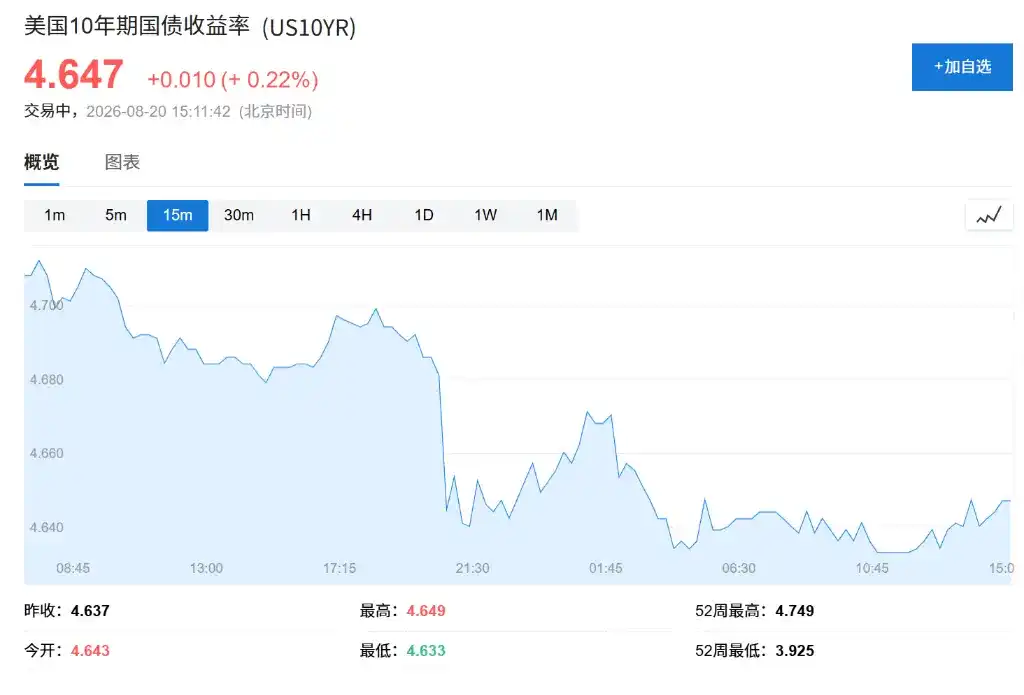
U.S. long-term bonds extended their decline, with the 30-year Treasury yield rising 6 basis points to 5.25%. The Bloomberg index tracking U.S. Treasuries with maturities of 20 years and above surged 1.7% on Wednesday, marking its biggest single-day gain since February 2025. Driven by this, Japanese, Australian, and New Zealand government bond prices also rose. Spot gold fell by 1.0% intraday to $4,477.33 per ounce.
Jack McIntyre, portfolio manager at Brandywine Global Investment Management, said: "This administration needs a win, perhaps by artificially suppressing long-term Treasury rates." "The sentiment in the global long-end market is as pessimistic as I've seen in a long time; they have to do something."
- Before the U.S. market opened, memory chip stocks rose broadly, with SK Hynix up about 5%, SanDisk up about 3%, Western Digital up about 2%, Micron Technology up about 2%, Seagate Technology up about 2%.
- U.S. long-term bonds extended their decline, with the 30-year Treasury yield rising 6 basis points to 5.25%.
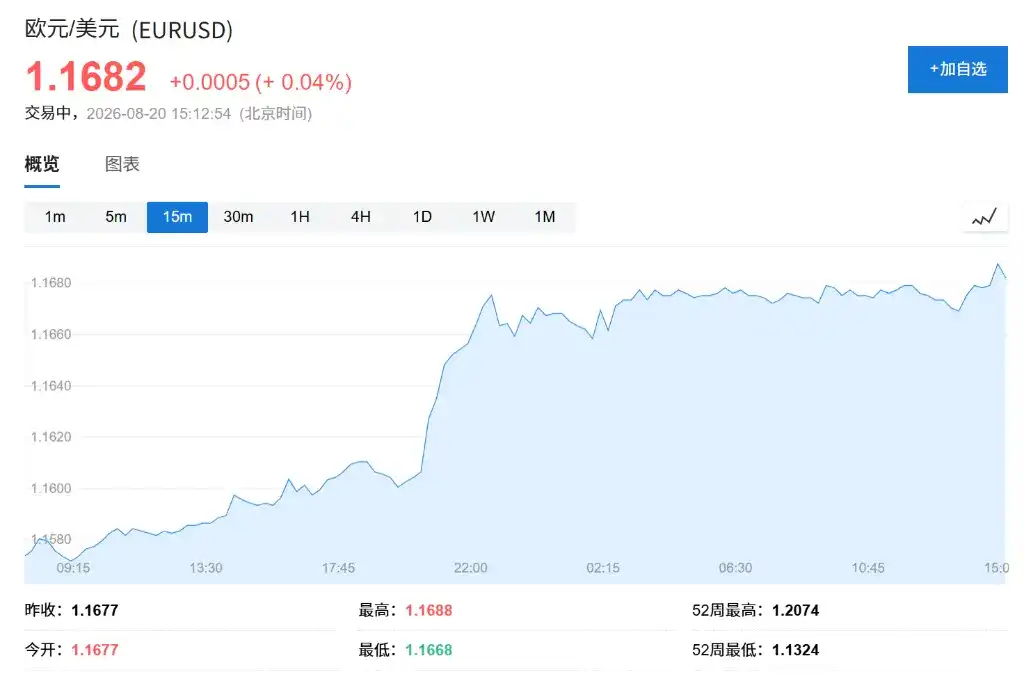
- The U.S. Dollar Index rose slightly by 0.1% during Asian trading hours, having fallen 0.8% the previous day, hitting its lowest level since May.
- Euro/USD rose 0.1% to 1.1687, its highest level since May 14th.
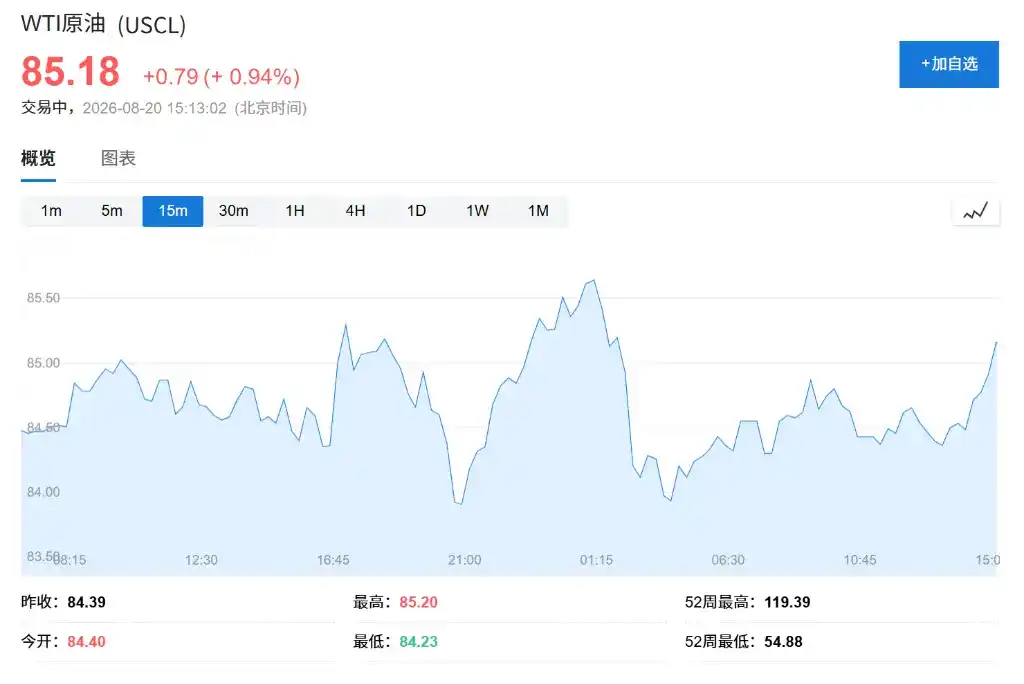
- WTI crude oil rose 3% intraday to $86.94 per barrel. Brent crude oil rose 2.6% intraday to $94.10 per barrel.
- Spot gold fell by 1.0% intraday to $4,477.33 per ounce.
- Spot silver fell by 1.0% intraday to $66.3 per ounce.
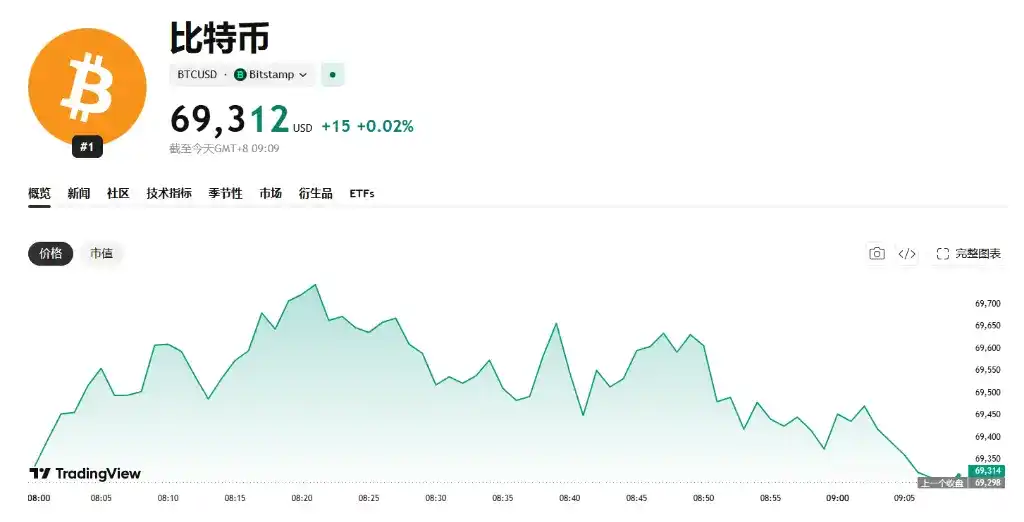
- Bitcoin rose above $69,300.
The U.S. Treasury announced that it will at least double the size of its long-term Treasury buyback program. This move aims to suppress long-term Treasury yields, which have recently climbed to multi-decade highs.
Earlier this week, long-term U.S. Treasury yields surged significantly. Among them, the 30-year yield touched its highest level since 2007; last week's 10-year Treasury auction was completed at the highest funding cost since 2007, and the yield on the 30-year auction even reached its highest level since 2001.
Market participants compared this buyback operation to the Federal Reserve's "Operation Twist." The Treasury has not specified the exact source of the buyback funds, but it typically relies on short-term Treasury bills to meet floating funding needs. If the authorities essentially replace long-term bonds with short-term bonds, this operation is mechanistically similar to "Operation Twist."
Jack McIntyre, portfolio manager at Brandywine Global Investment Management, said: "This administration needs a win, perhaps by artificially suppressing long-term Treasury rates." "The sentiment in the global long-end market is as pessimistic as I've seen in a long time; they have to do something."
Although short-term market sentiment improved noticeably, several analysts remain skeptical about the lasting effect of the buyback policy.
Gerald Gan, Chief Investment Officer at Reed Capital, stated: "The buyback plan convinces me that the U.S. Treasury is extremely concerned about long-term borrowing costs. But just like intervening in the yen exchange rate, this effect is temporary; the buybacks cannot last very long."
In the foreign exchange market, the Bloomberg Dollar Index rose slightly by 0.1% during Asian trading hours, having fallen 0.8% the previous day, hitting its lowest level since May. Euro/USD rose 0.1% to 1.1687, its highest level since May 14th.
Lloyd Chan, FX strategist at MUFG Bank in Singapore, wrote in a research note: "The buyback alone is unlikely to alter the longer-term fundamentals, but it does signal that policymakers are inclined to resist further yield increases. This suggests that the relative rate logic previously supporting the U.S. dollar is fading."
Bloomberg market strategist Mark Cranfield also pointed out: "For investors weighing Treasury buybacks against the ongoing expansion of the U.S. fiscal deficit, the dollar is becoming the weakest link, providing further room for Asian currencies to strengthen."
The underlying drivers of this bond market turmoil have not dissipated. Recent pressure on global bond markets stems from investors demanding higher compensation for inflation risks and rising government debt levels, with Middle East tensions further exacerbating price pressures; meanwhile, companies issuing debt in a concentrated manner to fund the AI boom have also intensified the severity of this sell-off.
In the commodity markets, Brent crude oil rose 0.4% to around $92 per barrel. Trump had previously stated he would launch an "unprecedented economic war" against Iran and accused Iran of missing the opportunity to make a deal with him, with geopolitical risk premiums supporting oil prices.
Gold, after rising to its highest level since early June, retreated slightly, falling 0.8% to around $4,480 per ounce. Bitcoin rose above $69,300, following Trump's meeting with cryptocurrency industry executives at the White House, where he urged Congress to push related legislation forward.