Hate Ticketmaster? Onchain RWA tickets may succeed where regulators haven’t

cointelegraphPublicado a 2025-12-12Actualizado a 2025-12-12

Resumen

TIX, a decentralized settlement layer for the live-events industry, has emerged from stealth to apply DeFi lending and onchain infrastructure to transform ticketing. It has facilitated over $8 million in ticket sales and $2 million in venue financing through KYD Labs, a consumer-facing platform backed by a16z. TIX tokenizes tickets as real-world assets (RWAs), enabling venues to access upfront capital from multiple sources, artists to sell directly, and fans to benefit from lower fees and transparent resales. Despite competition, Ticketmaster itself has adopted blockchain, issuing nearly 100 million NFT tickets since 2022. Proponents argue that onchain ticketing reduces fraud, increases transparency, and improves control in secondary markets.

TIX, a settlement layer for the live-events industry, has emerged from stealth to apply decentralized finance (DeFi) lending and onchain settlement to a sector that has long functioned like a private credit market.

To date, the TIX network has facilitated over $8 million in ticket sales and generated approximately $2 million in venue financing. The activity has been conducted through KYD Labs, with TIX expected to launch on the Solana mainnet by mid-2026, the company told Cointelegraph.

TIX, led by Ticketmaster and Buildspace veterans, serves as the underlying settlement and financing layer for KYD Labs, a consumer-facing ticketing platform that raised $7 million in a funding round led by venture firm a16z.

While KYD Labs provides the interface used by venues and artists to sell tickets and manage events, TIX handles the onchain infrastructure, tokenizing tickets and enabling financing, settlement and repayment flows.

TIX aims to address what it describes as the live events industry’s credit-and-debt model, in which venues and promoters rely on upfront financing before any tickets are sold. The company does so by turning tickets into onchain real-world assets (RWAs).

In practice, the model is designed to allow venues to access upfront capital from multiple sources, enable artists to sell tickets directly and offer fans lower fees alongside more transparent resale policies.

Related: Securitize hires former PayPal exec as US tokenization gains traction

Ticketmaster takes blockchain technology seriously

While blockchain-based settlement layers are seeking to disrupt Ticketmaster’s dominance in the ticketing industry, the company itself has been experimenting with the technology for several years.

Ticketmaster has been working with blockchain technology since at least 2019 and chose the Flow blockchain in 2022 to support its non-fungible token (NFT)-based ticketing initiatives.

Since then, Ticketmaster has issued nearly 100 million NFT tickets, according to a report from TheStreet, which cited the continued integration of NFT technology across several apps as evidence of sustained adoption despite the waning hype since 2022.

Meanwhile, proponents of RWA technology argue it offers clear benefits for ticketing, including the ability to mint tickets as unique digital assets that reduce fraud and counterfeiting. Tokenization can also introduce greater transparency and control into secondary resale markets.

While NFTs and RWAs can overlap, they describe distinct concepts. NFTs refer to a token’s technical format, while RWAs describe the underlying asset or rights being represented. In ticketing, an RWA can be implemented using NFTs to tokenize access.

Related: Licensing-to-earn protocol turns intellectual property rights into RWAs

Lecturas Relacionadas

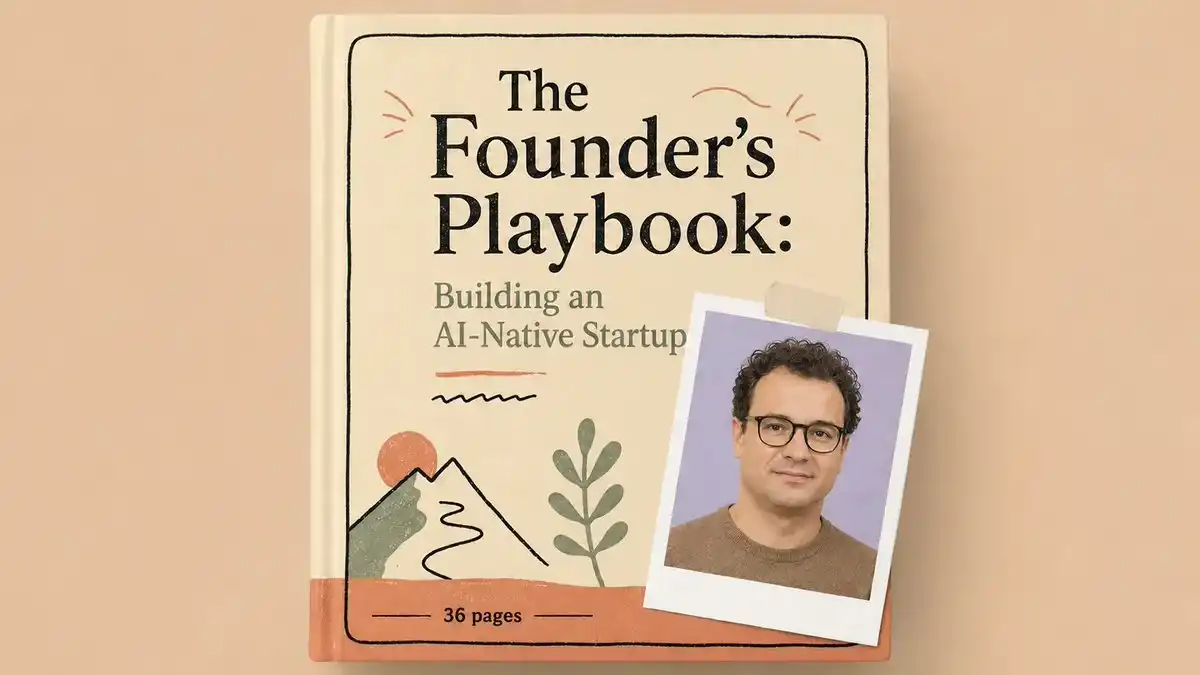
Anthropic Major Release: "The Founder's Playbook" - All 4 Stages of Entrepreneurship, Completely Reimagined with AI

**Anthropic Releases "The Founder's Playbook," Reimagining the Four Stages of Startups with AI** The logic of entrepreneurship is being fundamentally reshaped by AI. Anthropic's new handbook, "The Founder's Playbook: Building an AI-Native Startup," defines the AI-native startup as a new species: not a traditional company with AI tools, but a venture driven by AI from day one. The founder's role is transforming from a hands-on builder to a conductor or architect, orchestrating AI agents for execution while focusing on high-level judgment and strategy. Anthropic outlines a product matrix of Claude tools for different tasks: Claude Chat for interactive research, Claude Code for generating production-ready code, and Claude Cowork for automating knowledge-intensive workflows. The handbook structures the startup lifecycle into four stages, detailing core goals, pitfalls, and AI applications for each: 1. **Idea Stage**: Focuses on validating a real problem. The core challenge is avoiding confirmation bias. AI practices include using Claude as a "structured devil's advocate" to challenge assumptions and for automated market/competitor research. 2. **MVP Stage**: Aims to gather early signals of Product-Market Fit (PMF). Key risks are technical debt and scope creep due to rapid AI-assisted development. Recommended AI uses include maintaining project memory documents (e.g., CLAUDE.md), using Claude Code for structured coding, and automating user feedback analysis. 3. **Launch Stage**: Centers on establishing scalable growth, operations, and compliance. Challenges include accelerating technical debt and founders becoming bottlenecks. AI should be used to build an "operating system" for launch—automating routine tasks (scheduling, reporting, content) and code audits—freeing founders for critical decisions. 4. **Scale Stage**: Focuses on achieving sustainable business operations. The main challenge is delegating operational control. AI should be leveraged for differentiated marketing, operational optimization, and building competitive moats through data network effects. The handbook concludes that in the AI era, "Can we build it?" is no longer the primary constraint. The advantage shifts back to foundational strengths: **insight, judgment, and a deep understanding of a specific problem and audience.**

marsbitHace 2 hora(s)

Anthropic Major Release: "The Founder's Playbook" - All 4 Stages of Entrepreneurship, Completely Reimagined with AI

marsbitHace 2 hora(s)

Eight Departments Launch Severe Crackdown on Cross-Border Securities Firms, How to Interpret This?

China's top financial regulators, including the CSRC and seven other ministries, have launched a sweeping crackdown on unlicensed cross-border securities operations. The core action involves a joint enforcement plan and the issuance of administrative penalties against major offshore internet brokers like Futu and Tiger Brokers for conducting unauthorized securities business in mainland China without a domestic license. The primary legal basis is China's requirement for securities businesses to operate with proper, locally issued licenses. The crackdown aims to eliminate a major regulatory gray area, plugging channels that allowed massive, unmonitored capital outflows which posed risks to financial stability, currency controls, and foreign exchange reserves. It also seeks to protect mainland investors who previously lacked legal recourse when dealing with offshore platforms and to secure sensitive financial data. The immediate impact is severe for the targeted brokers, including a complete ban on new mainland business, forced liquidation of existing mainland client positions over two years, and the confiscation of illegal profits estimated in the billions. Their U.S.-listed shares plummeted in response. Market analysts warn that the forced sell-off of an estimated 250-280 billion RMB in assets, concentrated in U.S. tech stocks, Chinese ADRs, and Hong Kong equities, could create sustained selling pressure on these markets over the next two years, potentially lowering valuations. For mainland investors, legal cross-border investment channels will become extremely constrained. The high asset threshold for the Stock Connect program and the severe shortage of QDII fund quotas—leading to chronic high premiums on popular U.S.-focused ETFs—mean retail access to overseas markets like the U.S. will be sharply limited. Conversely, some of the returning capital may flow into domestic A-share sectors like AI, semiconductors, and advanced manufacturing. However, this could further inflate valuations in these already elevated sectors. In conclusion, regulators frame this move not as closing off cross-border investment, but as a necessary step to enforce compliance, manage systemic risk, and steer investors toward regulated, protected channels like QDII and Stock Connect for the long-term health of the financial system.

链捕手Hace 2 hora(s)

Eight Departments Launch Severe Crackdown on Cross-Border Securities Firms, How to Interpret This?

链捕手Hace 2 hora(s)

Trading

Spot
Futuros

Artículos destacados

Cómo comprar T

¡Bienvenido a HTX.com! Hemos hecho que comprar Threshold Network Token (T) sea simple y conveniente. Sigue nuestra guía paso a paso para iniciar tu viaje de criptos.Paso 1: crea tu cuenta HTXUtiliza tu correo electrónico o número de teléfono para registrarte y obtener una cuenta gratuita en HTX. Experimenta un proceso de registro sin complicaciones y desbloquea todas las funciones.Obtener mi cuentaPaso 2: ve a Comprar cripto y elige tu método de pagoTarjeta de crédito/débito: usa tu Visa o Mastercard para comprar Threshold Network Token (T) al instante.Saldo: utiliza fondos del saldo de tu cuenta HTX para tradear sin problemas.Terceros: hemos agregado métodos de pago populares como Google Pay y Apple Pay para mejorar la comodidad.P2P: tradear directamente con otros usuarios en HTX.Over-the-Counter (OTC): ofrecemos servicios personalizados y tipos de cambio competitivos para los traders.Paso 3: guarda tu Threshold Network Token (T)Después de comprar tu Threshold Network Token (T), guárdalo en tu cuenta HTX. Alternativamente, puedes enviarlo a otro lugar mediante transferencia blockchain o utilizarlo para tradear otras criptomonedas.Paso 4: tradear Threshold Network Token (T)Tradear fácilmente con Threshold Network Token (T) en HTX's mercado spot. Simplemente accede a tu cuenta, selecciona tu par de trading, ejecuta tus trades y monitorea en tiempo real. Ofrecemos una experiencia fácil de usar tanto para principiantes como para traders experimentados.

591 Vistas totalesPublicado en 2024.12.10Actualizado en 2025.03.21

Cómo comprar T

Discusiones

Bienvenido a la comunidad de HTX. Aquí puedes mantenerte informado sobre los últimos desarrollos de la plataforma y acceder a análisis profesionales del mercado. A continuación se presentan las opiniones de los usuarios sobre el precio de T (T).

活动图片