"RBC-Crypto" does not provide investment advice; the material is published for informational purposes only. Cryptocurrency is a volatile asset that can lead to financial losses.
Since the beginning of 2026, cryptocurrency protocols have received a total revenue of over $7.4 billion, according to a report by Castle Labs. However, the prices of most native tokens of these projects have not only failed to increase but have also plummeted by tens of percent.
Analysts at Castle Labs examined the financial flows of six major decentralized protocols: Aave, Aerodrome, Hyperliquid, Pump.fun, Sky (formerly MakerDAO), and Uniswap. Castle Labs determined that since the beginning of the year, their combined revenue amounted to $726 million, despite a deep bear market.
From the beginning of the year to August 3, the total capitalization of the entire crypto market fell by more than 25% to $2.15 trillion. Moreover, out of the 100 largest cryptocurrencies by market capitalization on Coinmarketcap, over 80% have declined in price. Against this backdrop, experts sought to find an answer to why there is a fundamental disconnect between a project's revenue and the price dynamics of the cryptoassets it issues.
Reasons for the Decline
A key indicator in the report is the "net token value flow." This metric is calculated as the amount of revenue actually distributed to token holders minus the volume of token issuance (inflation, unlocking of previously frozen tokens by teams and investors, marketing costs, and other token distribution mechanisms).
Calculations show that for Aerodrome, Sky, and Uniswap, this metric has turned negative. The protocols are issuing more tokens than they are distributing profits to holders, effectively devaluing user capital.
Explaining the reasons for the negative trend in token prices, experts also noted a tendency where "token holders become secondary market participants." This refers to the fact that the company's success is not transferred to the holders of the cryptoassets.
"If a protocol earns $100 million but issues $200 million, the net value for the holder becomes negative," explain Castle Labs analysts, clarifying that it is precisely this imbalance that negates the positive effect of revenue growth.
Against this backdrop, the success of the cryptocurrency exchange Hyperliquid is particularly noteworthy. The protocol directs 100% of its revenue to holders through a buyback mechanism. The total buyback volume exceeded $1.1 billion or over 47 million $HYPE tokens (approximately 4.72% of the total supply). This coincided with a 1400% increase in $HYPE since the launch of the buyback program.
The opposite example is Pump.fun. The platform for launching meme coins, despite revenue of about $450 million over the year, faced a 60% crash in the PUMP token price after its launch.
Castle Labs attributes this to three factors: a high token unlock rate (it is assumed that investors and the team are actively taking profits), unjustified expectations regarding community incentives, and poor communication from the team with market participants.
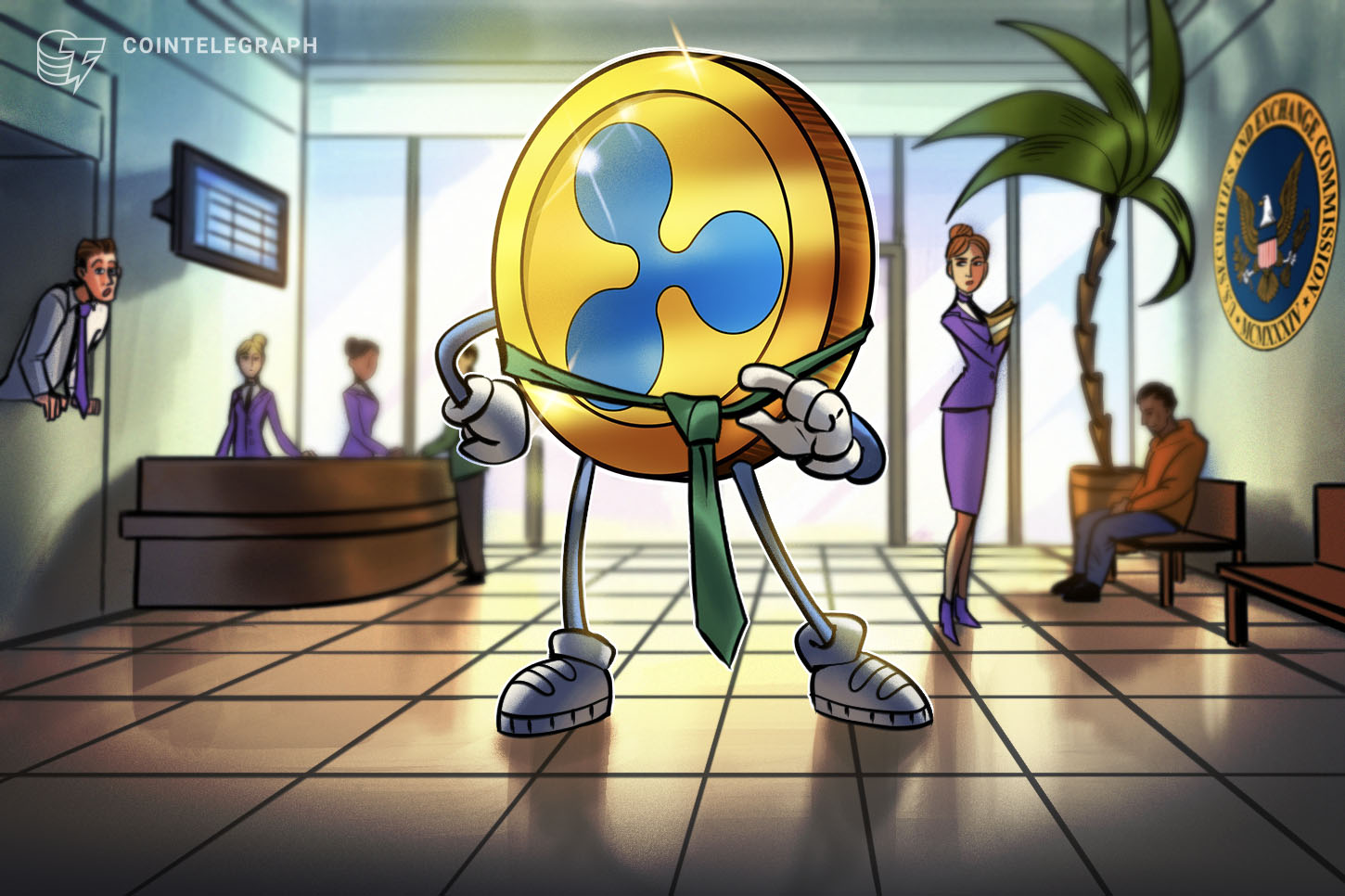
Separately, analysts highlighted the company Ripple Labs, behind the development of $XRP ($XRP). Its shares, which are not yet publicly traded, have more than doubled in price by 105% since 2025. Meanwhile, the $XRP token has lost about 45% over the same period.
The report pointed out that this is a classic example of the separation of equity and token, where holders of $XRP have no rights to the company's revenues. And the cryptoasset they issue is not backed by the issuer's operating profit: "While investors in Ripple shares benefit from business development, holders of the cryptoasset remain second-class players."
What Hinders Growth
In addition to the fundamental imbalance between crypto project revenues and the issuance of their cryptoassets, Castle Labs identifies three systemic reasons hindering token growth:
Excessive Supply (Fully Diluted Value). For many protocols, the percentage of tokens in real circulation is low. For example, for $HYPE, only 23.3% of the total issued volume is in circulation. Analysts noted that because of this, many investment metrics are inaccurate, which can mislead investors.
Inefficient Buybacks. The analysis of Aave, as noted by experts, showed that the protocol spent over $23 million on token buybacks at an average price of $182. However, against the backdrop of a market downturn, the price of AAVE fell to $90. This indicates that the token buyback resulted in direct losses for the protocol's treasury, calling into question the effectiveness of such a policy.
Lack of Commitment. Most buyback programs are conditional, where protocols can suspend or cancel buybacks at any time: "Without contractual obligations, protocols can pause, adjust, or cancel buybacks at any time."