Crypto market sees biggest miner selling pressure since January 2021

cryptoslatePublicado a 2022-11-13Actualizado a 2022-11-13

Resumen

The ongoing market slump caused by the FTX fallout hasn’t left Bitcoin miners unscathed.

The ongoing market slump caused by the FTX fallout hasn’t left Bitcoin miners unscathed. The market has seen the biggest one-day miner selling pressure since January 2021, and data analyzed by CryptoSlate shows that the selling pressure shows no signs of stopping.

”“

We could see extended selling pressure from miners until the average hash price begins decreasing. In November 2022, the average hash price reached $0.05. Bitcoin’s current $17,500 levels make mining borderline unprofitable not just for small miners, but for large operations as well.

”“

The addition of tens of thousands of new ASIC miners to the market in the past year put even the largest mining operations deep in the red, with few expecting such a sharp increase in hash price.

”“

At around $9,000 per machine, the newest Bitmain S19Pro ASIC miner has a payback period of 1,500 days at an average hash price of $0.06.
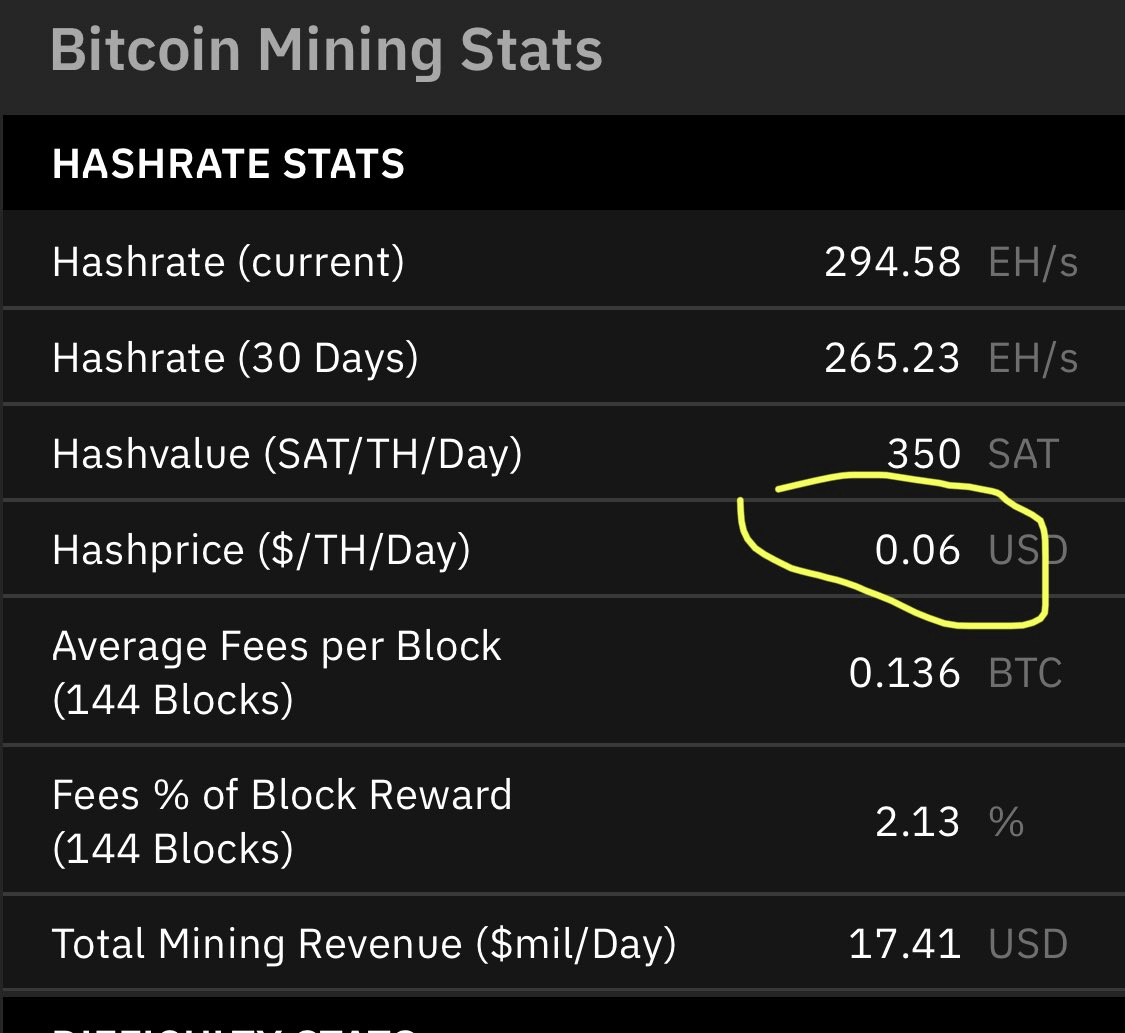
miner stats

Table showing Bitcoin mining stats in November 2022

”“

This increase in mining costs and drop in profitability pushed miners to sell their Bitcoin holdings. There has been a vertical drop in the balance in miner wallets since the beginning of November, reaching a low recorded in January 2021.
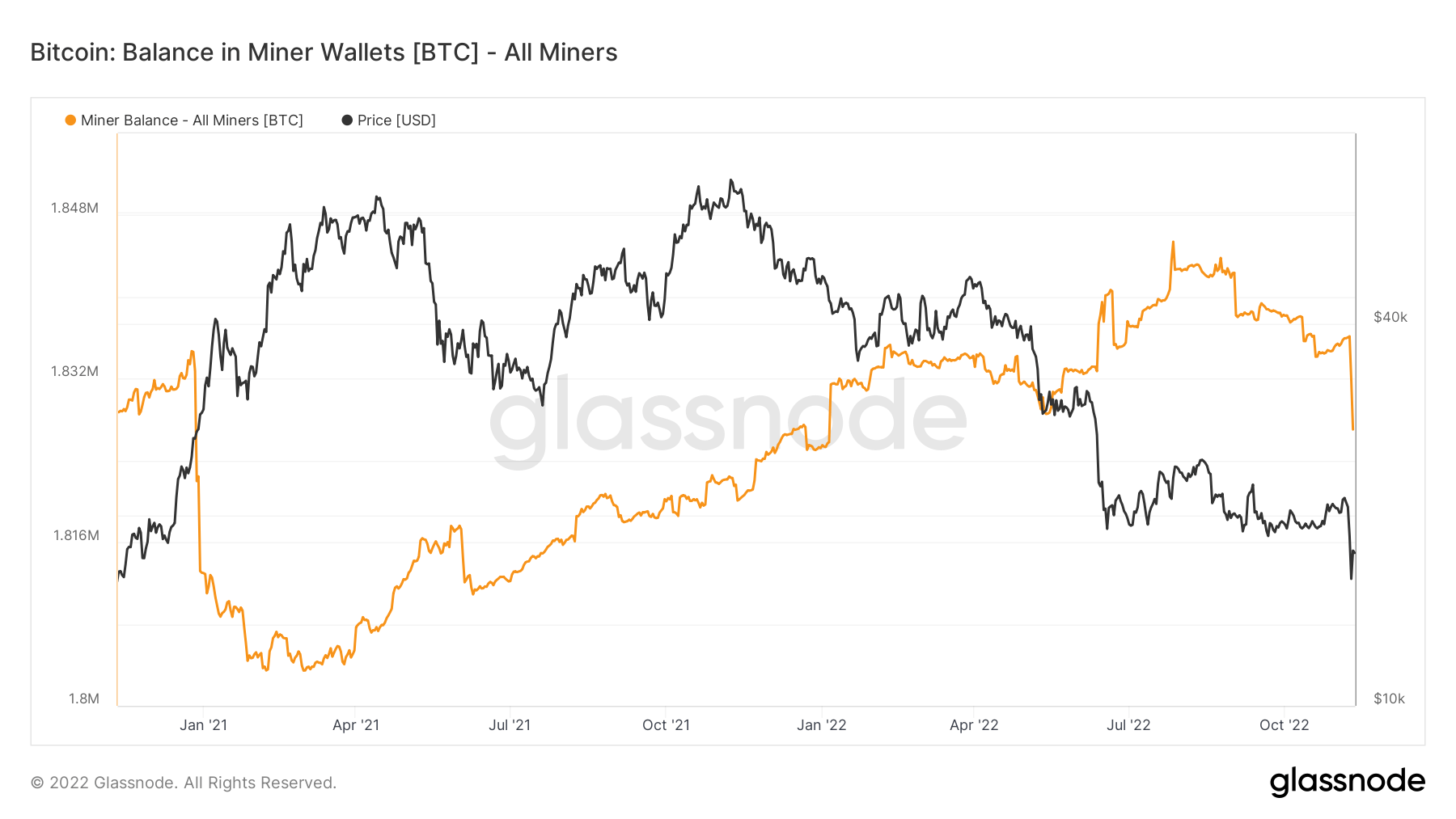
bitcoin miner balance

Graph showing the Bitcoin balance in miner wallets from January 2021 to November 2022 (Source: Glassnode)

”“

The net position change in miner holdings perfectly correlates with the vertical drop in Bitcoin’s price. With energy prices expected to increase throughout the winter and no end in sight to the ongoing bear market, we could see a wave of unprofitable miners shutting down their operations.
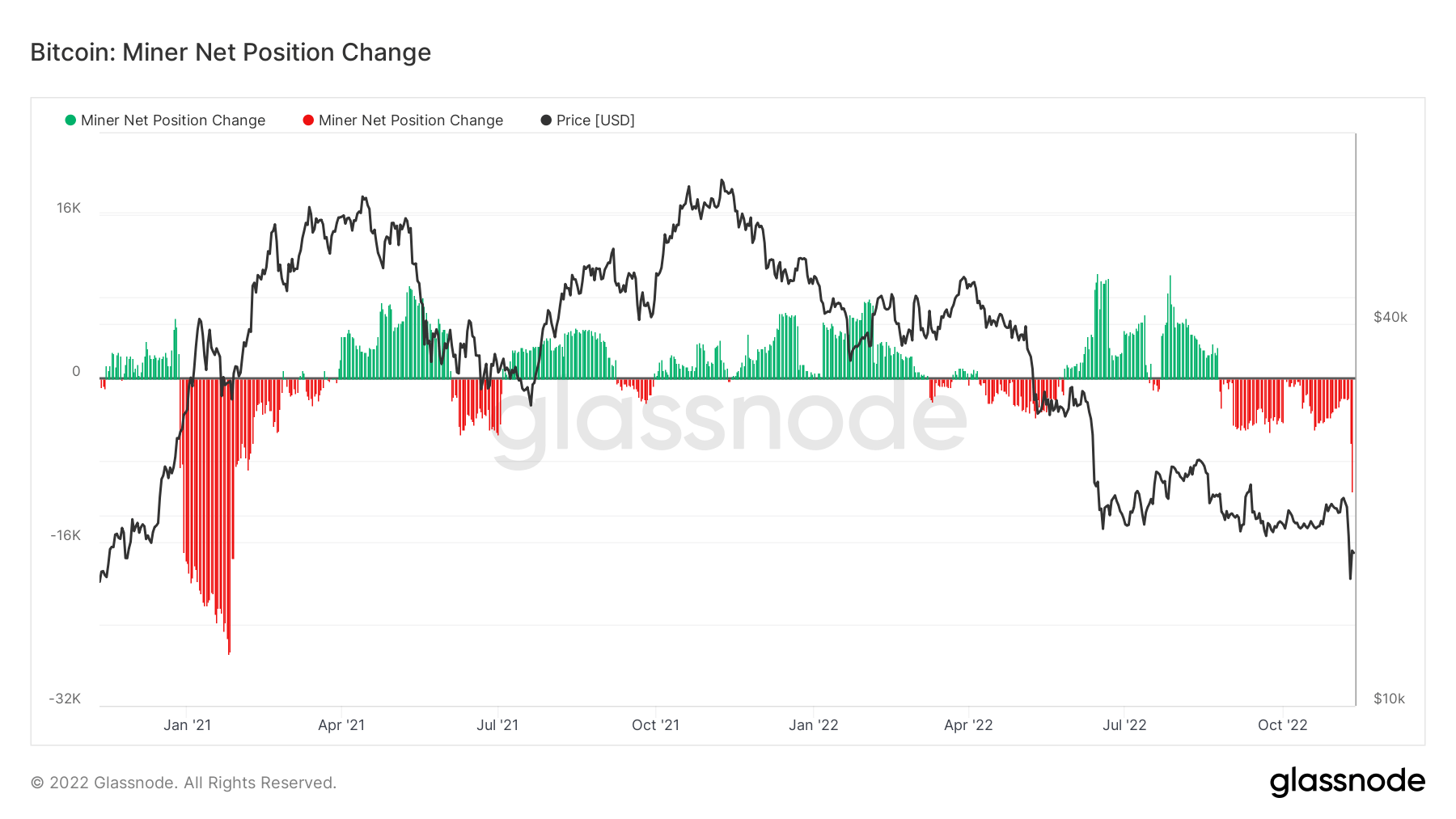
miner net position change

Graph showing the net position change for Bitcoin miners (Source: Glassnode)
Lecturas Relacionadas

Behind the 67,000 Semiconductor Talent Shortage: U.S. Industrial Policy Game and Implications for China

The U.S. push to reshore semiconductor manufacturing faces a core challenge: a significant talent shortage. While over $770 billion in investments are planned across 160 projects, a key hurdle is finding enough people to run the new fabs. According to industry projections, the U.S. could face a shortage of approximately 67,000 technicians, engineers, and computer scientists by 2030. This shortage is multi-faceted. It includes not only high-level chip design engineers requiring advanced degrees but also a substantial need for technicians to operate and maintain fab equipment. Technician roles, while often requiring less formal education, are hard to fill due to factors like shift work, factory locations, and local community infrastructure. Conversely, for high-end engineers, the issue is less about salary—which is already competitive—and more about intense competition for specialized skills from other tech sectors and the long lead time to develop such expertise. The geographic dispersion of new investments complicates recruitment, as fabs need large numbers of local, stable employees. In response, U.S. policy emphasizes building workforce development as critical infrastructure. Strategies include expanding community college programs for technician training, fostering industry-education partnerships, and pursuing immigration reforms for high-skilled talent, aiming to balance immediate needs with long-term domestic pipeline development. For China, the key takeaway is the need to integrate talent supply planning with factory construction from the outset. This involves requiring companies to submit workforce plans, strengthening vocational education aligned with industry needs, and building supportive local ecosystems to retain talent. Ultimately, a sustainable semiconductor industry depends not just on building fabs, but on cultivating a continuous, local talent pipeline capable of keeping them running and advancing.

marsbitHace 26 min(s)

Behind the 67,000 Semiconductor Talent Shortage: U.S. Industrial Policy Game and Implications for China

marsbitHace 26 min(s)

Trading

Spot
活动图片