周星驰入局Web3,元宇宙是电影产业的未来答案?

Metaverse元宇宙Publicado a 2022-10-22Actualizado a 2022-10-22

Resumen

作为一代人的影视回忆,无论是做演员还是做导演,周星驰都为影坛带来了一系列优质的电影作品,他在此时突然宣布入局元宇宙,不得不让人猜测他是要在元宇宙与电影产业的结合与发展上做一做文章。

10月18日,向来低调的周星驰开通了自己首个社交媒体账号,让人没想到的是,他的第一条动态居然是面向全网招聘Web3人才。

“”

周星驰在白板上写下了“请人”两个大字,并表示:“在漆黑中找寻鲜明出众的Web3人才”,他的要求是“熟悉Web3,有项目管理经验,有头脑又宅心仁厚”,工作内容是帮助他创造创意未来。消息一经发布,立刻引起了广大网友的好奇心,大家纷纷猜测周星驰究竟准备做什么,有的媒体在白板一侧的思维导图中发现了“community”、“content”、“IP”等单词,推测他准备进军元宇宙行业。

作为一代人的影视回忆,无论是做演员还是做导演,周星驰都为影坛带来了一系列优质的电影作品,他在此时突然宣布入局元宇宙,不得不让人猜测他是要在元宇宙与电影产业的结合与发展上做一做文章。

“”

诞生于19世纪末的电影行业,与现代科技发展有着密不可分的联系。科技的进步数次引领了电影从外在的技术到内在审美的演变,甚至带动了理论界对何为电影本体的持续追问,至今仍无定论。在互联网与科技发展进入新的转折阶段后,电影产业将发生怎样的革新?观众与电影本身的交互方式是否会发生转变?

“”

一、电影人的想象—电影中的元宇宙已是现实

“”

在电影诞生的前100年时间里,人们一直把电影视为“现实的渐近线”,通俗来说是基于对现实世界的记录,并加工而成的新“世界”,它来源于现实,却并不脱离现实。即使有了互联网和三维影像技术之后之后,电影在内容展现上,也始终没有跨过现实同步的门槛。

“”

与光学镜头相比,数字技术则呈现了更加逼真的视觉效果,也更具真实感,这或许能为电影产业带来超越视觉层面的新意义,那就是让影像进入人类的日常生活,成为未来世界的组成部分。抱着这个想象,许多电影人开始探索虚拟世界与电影的关系。

“”

在诸多电影中,元宇宙开始或隐或现地被展现和表述出来,这些内容的生成,意味着电影开始关注现实空间与虚拟空间的融合统一。电影《头号玩家》为我们提供了一幅未来元宇宙世界的典型场景。影片具有完整的沉浸式游戏场景,使虚拟世界俨然成为另一个现实。影片里,现实世界中的玩家与虚拟空间中的角色形成了对等关系,通过人物的主观性视觉引导,为观众塑造一个满足观赏诉求的新型主体。

科幻电影与元宇宙的关系向来密切,不仅是因为数字技术加持让科幻电影获得了视觉审美的张力,更在于科幻电影内容之中早就指向了元宇宙的技象想象和反面思考。

“”

1999年的电影《黑客帝国》中,人们如果想从虚拟世界中脱离出来,需要在红色和蓝色小药丸中二选一并承受一番脱胎换股般的“折磨”,这是当时的技术背景下,电影人对于虚拟与真实的探讨。20年后,《头号玩家》的男主角在游戏中复制出了与现实完全相同的场景,成功骗过反派,让他把游戏世界当成了现实。这一幕无疑具象化了元宇宙时代人们在面临现实和虚幻世界时的困惑,当元宇宙技术真的能够成为现实时,未来的虚拟世界与现实世界的关系该如何平衡?

“”

电影行业算是最早探讨人类虚实关系的领域之一,元宇宙的形态很早便出现在了镜头与电影人的想象中,从现实意义上来说,电影或许是元宇宙技术反思的一个良好窗口。

“”

二、技术加持—沉浸观影与资产沉淀

“”

一直以来,观众与银幕之间天然存在一定的物理距离,这在根本上是底层技术所带来的壁垒,影片制作者一方面希望观众尽可能地沉浸在由影像描绘的故事中,另一方面却不得不面对电影本身的局限。从无声、有声、2D、3D发展到如今的4D、120帧电影,新技术层出不穷地刷新着电影创造“幻觉”的能力,让观众能够更加沉浸于电影所创造的“乌托邦”中。

“”

人工智能、AI等底层技术的发展不仅为电影创作提供了新的技术支持,也为观众的沉浸式体验、传播平台的交互、影像修复等领域,带来了全新的突破。电影的沉浸式体验可以理解成在图像、声音等建构的“仿真”世界中,观众能够感知和操控虚拟世界的“分身”,实现自由地移动、分享、交流,以及由此产生了身临其境的感受。

“”

VR眼镜、触觉手套等可穿戴设备的普及,能够有效传达临场下的感官信息,最大限度地激发用户在虚拟世界中的视觉、听觉、触觉等五感体验,调动用户身体的积极参与,凝聚用户的注意力,从而产生“我是电影角色”的沉浸感。
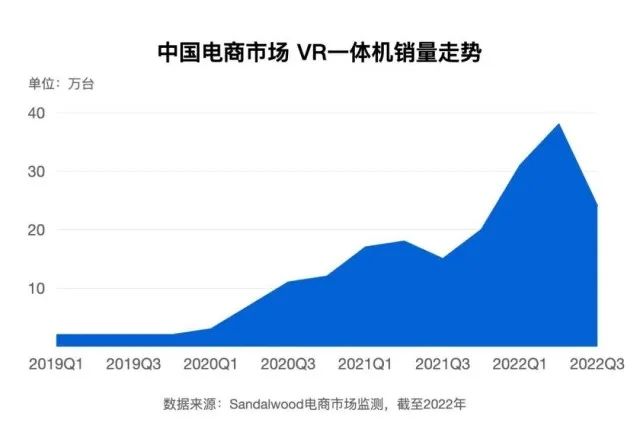
除了观影体验的革新外,元宇宙技术还未电影产业资产的保存带来了新的想象空间。

“”

从影像保护与修复的角度来看,元宇宙概念中的“数字孪生”是一把“利器”。所谓的“数字孪生”是指将现实世界中的物品复制到虚拟世界中,并在虚拟世界中具备唯一性与价值。对电影来讲,通过对老电影进行数字化的孪生拷贝,无疑能让湮没于影史中的经典作品重焕生机,并能够将其永久保存下去,成为行业发展的见证。不仅如此,区块链技术的加持下,电影或许会被赋予全新的版权价值,有效地规避电影在传播过程中的盗版放映、未授权剪辑等乱象,让电影行业健康有序发展。

“”

三、电影数藏—影视营销的新思考

“”

作为元宇宙领域重要的表现形式之一,数字藏品更多被应用在营销领域,成为了电影宣发与推广的新选择。

“”

当前,电影数字藏品主要包括两种形式:一是将未剪辑的场景或其他未公开内容制作成数字藏品进行发行。由于数字藏品的私密特性,令消费者得到满足感和象征价值。二是在数字藏品平台上宣发电影,制作发行数字化的电影衍生品,吸引电影粉丝购买电影周边,令电影公司获取收益,并助推了电影的宣传声量和影响力。

“”

王家卫首个电影数字藏品作品《一刹那》是其电影《花样年华》从未被披露的剧情片段,仅发行一版,时长1分钟31秒。该作品在苏富比“现代艺术晚拍”上以428.4万港元价格成交,创下王家卫个人电影作品以及亚洲电影数字藏品拍卖的价格新高。其叙事性、试听元素所带来的感官刺激和“未公开片段”所带来的神秘感,给用户带来了巨大的想象空间。

当下,电影数字藏品当前的价值开发正处于起步阶段,如何进一步开发电影数字藏品的价值是行业和理论界需要探讨的重要领域。电影作为一种大众艺术,群体观看方式方式可以在短时间内触发信息传播的“爆点”,引发社会热议。另一方面,电影也因其视听的丰富性和涵纳技术的宽容度,为其他文娱数字内容与技术搭建了沟通的桥梁。

“”

例如《哪吒之魔童降世》成功地点燃了动画电影与中国文化的结合热潮,带动了一系列动漫与中华文化相结合的数字藏品涌现。从数字电影票、签名海报,到电影片段、电影宣发,数字藏品将电影作为大众艺术数字化的对象之一,构建了包含制作、资金投入、资金回笼、流通等一系列相关的商业模式。

四、写在最后

“”

周星驰究竟是想要尝试全新的数字观影方式还是入局数字藏品尚不得而知,但是电影行业与元宇宙相结合带来的发展机遇已经呈现在我们面前。

“”

在电影行业的演进上,无论是通过技术使电影更接近现实,还是制造更完美的“幻境”,都是对电影本身的拓展和丰富,能够与观众建立认知与情感的共振,最终实现深度的沉浸式体验。然而,“凡事有度,过犹不及”,电影如何把握沉浸的尺度,呈现实现适度的沉浸效果,仍需行业进一步的探讨和规范。

“”

未来已来,你期待在元宇宙世界中化身电影男主角,来一场华丽的冒险吗?

Lecturas Relacionadas

Foundation Steps Back, Ethlabs Steps Forward: Ethereum Undergoes Its Largest Restructuring in History

On June 23rd, the Ethereum ecosystem witnessed two major shifts, signaling a significant governance realignment. First, former Ethereum Foundation researchers established Ethlabs, a new independent non-profit. Backed by major ETH holders like Bitmine and SharpLink, Ethlabs aims to address practical needs for institutional adoption, including faster settlement, native asset issuance, cross-chain transactions, and mainnet scaling. Secondly, the Ethereum Foundation announced a major restructuring, laying off 54 employees (20% of its staff) to become a leaner entity focused on protocol governance and maintenance rather than being the primary builder. This move represents a pivotal correction. Criticisms had mounted over the Foundation's perceived slowness, lack of clear strategy, and over-reliance on Vitalik Buterin's influence. Ethlabs emerges as a more execution-oriented, "industrialized" layer focused on market adoption—bridging the gap between research and real-world use. Notably, Vitalik Buterin is absent from its list of supporters, interpreted as an intentional step to avoid excessive personal endorsement and allow the organization to build independent credibility. The Ethereum Foundation's downsizing and redefinition mark a retreat from its former central coordinating role. It now aims to share the "privilege of stewarding Ethereum" with other emerging groups like Ethlabs, the Ethereum Applications Guild, and The Ethereum Economic Zone. Analysts frame this dual shift as the Foundation ensuring Ethereum remains "correct" (credibly neutral), while Ethlabs must prove it remains "effective" (competitive and attractive for capital and adoption). This addresses community "shareholder-like anxiety" about ETH's market performance. While risks exist—such as concerns over shifting from Foundation centrality to large-holder influence—the consensus is that the greater risk for Ethereum was inaction, caught between technical idealism and organizational inertia. These steps aim to create a more multi-stakeholder, execution-driven future for the network.

链捕手Hace 6 hora(s)

Foundation Steps Back, Ethlabs Steps Forward: Ethereum Undergoes Its Largest Restructuring in History

链捕手Hace 6 hora(s)

Second Half of U.S. Crypto Policy: The Clarity Act Aims for 60 Votes, CFTC's "One-Person Commission" Becomes Biggest Variable

In a pivotal year for US crypto policy, the "CLARITY Act" is advancing in the Senate but faces a high hurdle, needing 60 votes to pass. Key challenges include bridging partisan divides on ethics and swaying undecided Republican senators within a tight legislative calendar of only about 40 working days. The policy "second half" involves intense negotiations on a broader framework for Web3 and DeFi, including crypto tax reforms and the Blockchain Regulatory Certainty Act. A significant uncertainty is the understaffed CFTC, operating with four commissioner vacancies, which complicates regulatory clarity. Meanwhile, the departure of key "crypto champions"—SEC Commissioner Hester Peirce and Senator Cynthia Lummis—will impact ongoing policy efforts. Industry experts are cautiously optimistic but realistic. Sara K. Weed notes that while progress is being made, CLARITY is unlikely to pass this Congress, pushing agencies like the SEC and CFTC to provide more guidance. Sulolit Mukherjee suggests meaningful crypto tax legislation is more likely to be attached to larger must-pass bills. Rashan Colbert discusses the jurisdictional debate over prediction markets, emphasizing the need for a regulatory framework that fosters their development as financial tools rather than treating them broadly as gambling. The clock is ticking, but opportunities remain for substantive progress through continued bipartisan dialogue and pragmatic efforts.

marsbitHace 8 hora(s)

Second Half of U.S. Crypto Policy: The Clarity Act Aims for 60 Votes, CFTC's "One-Person Commission" Becomes Biggest Variable

marsbitHace 8 hora(s)

Dan Koe's New Essay: Escaping the Fate of the Wage Slave, How to Survive the AI Replacement Wave?

Dan Koe argues that the true threat in the AI era isn't technology itself, but a reliance on others for one's livelihood and happiness. The core problem is "wage slavery"—spending life on unfulfilling work. To survive and thrive, one must escape this by building their own enterprise. The key is developing five elements: Agency (initiative), Taste (discernment), Persuasion, Persistence, and Iteration. These boil down to problem-solving skills and experiential knowledge, which cannot be learned passively but only through doing your own projects. The solution is to become "unemployable" by shifting your identity. This requires: 1) Radically changing your environment to force growth, 2) Choosing a medium (like content creation) that provides real feedback through trial and error, and 3) Mastering either code or, preferably, media (content). Content creation is more valuable because its subjective nature and need for human perspective create a durable advantage over generic AI output. To start, define your life's work by answering foundational questions about your innate knowledge, unique abilities, and contrarian beliefs. Then, immediately act by publishing your first piece of content. The cycle of creating, receiving feedback, and iterating is the essential path to developing the skills needed for an independent, meaningful career and financial resilience.

marsbitHace 9 hora(s)

Dan Koe's New Essay: Escaping the Fate of the Wage Slave, How to Survive the AI Replacement Wave?

marsbitHace 9 hora(s)

Research Report Analysis: Morgan Stanley Details SanDisk SNDK, The Truth About Cloud Data Center Pricing Power and AI Inference Benefits

Morgan Stanley raised its price target for SanDisk (SNDK) from $1100 to $1750 on June 22, maintaining an Overweight rating. The upgrade is driven by AI inference demand reshaping the NAND market, particularly for KV Cache and context window storage in cloud data centers. These cloud clients exhibit price inelasticity and sign long-term contracts, granting SanDisk significant pricing power. SanDisk's New Business Model (NBM) agreements, covering over one-third of FY27 bit shipments with 3-5 year terms and fixed price/price collar structures, are crucial. They are projected to sustain gross margins around 80% even at floor prices, providing a buffer against cyclical downturns. Morgan Stanley forecasts gross margins to surge from 30.3% in FY25 to 86.7% in FY27e. With NAND supply expected to remain tight into 2026/2027 and cloud/data centers becoming the largest end-market, SanDisk holds supply-side pricing power. The company targets 15-19% bit growth via technology transitions, not capacity expansion. Revenue is projected to grow ~6.6x from FY25 to FY27, with EPS rising from $2.74 to $14.73, driven by high-margin cloud business. Key upside catalysts include faster enterprise SSD adoption and edge AI growth. Downside risks involve slower industry growth, competitor capex increases, market share loss, and competition from Chinese players like YMTC. The investment thesis rests on AI-driven structural demand, NBM's margin protection, and sustained supply tightness. The $1750 target implies ~28x FY27e P/E.

marsbitHace 9 hora(s)

Research Report Analysis: Morgan Stanley Details SanDisk SNDK, The Truth About Cloud Data Center Pricing Power and AI Inference Benefits

marsbitHace 9 hora(s)

Trading

Spot
Futuros
活动图片