【重磅解读】美联储加息高点在5%,BTC低点在何处?

火币资讯Publicado a 2022-10-17Actualizado a 2022-10-18

Resumen

BTC和ETH低波动率反弹,关注价格突破方向。

1、BTC仍然在绝对低点

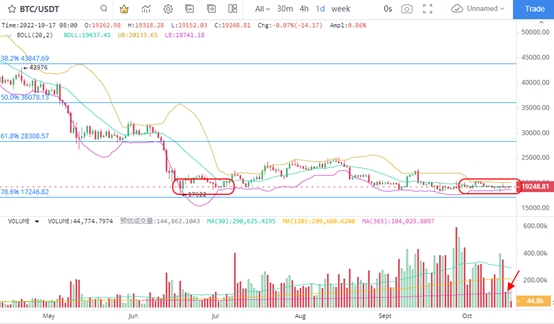
BTC 的日K线图中显示,从收盘价的角度来看,BTC已经处在了绝对低点。并且,近期虽然波动率持续下降,但是价格低点的破位始终没有出现。成交量方面,BTC近期交易量连续触及3个月内低点。目前已经是第二次触及低位,因此行情在这个时候变盘的可能性很高。
2、BTC大额交易回落

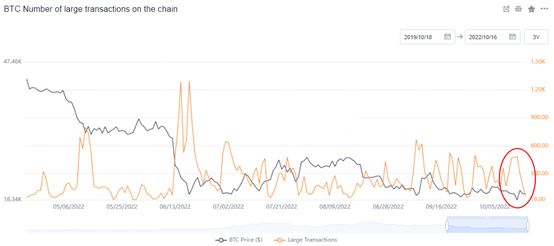
短期来看主力交易热度再次降温,每日的大额交易笔数从488笔下降到60笔。同时,每日大额交易的BTC数量也从244000枚BTC下降到了29280枚BTC,跌幅达到了87.7%。主力交易热度降温,意味着行情在短期内表现的更加低迷。本次大额交易笔数回落后,意味着近期从9月5日开始的交易热度回升已经出现结束迹象。

消息面,尽管美联储已连续多次大幅加息,但美国CPI数据依旧坚挺,通胀预期再次反弹,释放出“不友好”信号。美联储加息高点预期至接近5%(此前预测为4~4.5%),这可能是美联储为抗击通胀而做的“最后的努力”。这也意味着第四季度美联储加息的步伐或不会放缓。而短期来看,BTC更多或表现为技术反弹,而不是价格反转。在美联储进一步加息和美元指数进一步走强以前,BTC有较多的反弹机会。
3、ETH表现为向上突破

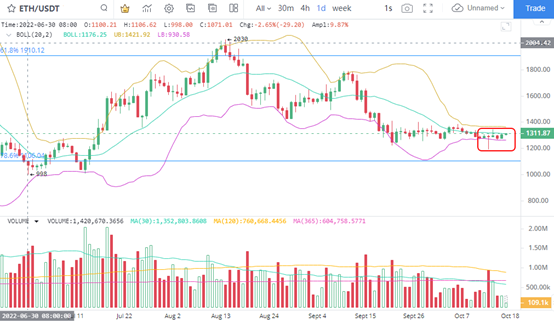
日K线方面,ETH价格波动强度维持低水平,但是收盘价已经出现回升迹象。特别是10月13日ETH探底最低1190美元以后,ETH在10月16日收盘上涨2.43%,这表明行情处在温和走强状态。尽管成交量不高,ETH近期短期走势却值得关注。因为价格波动率已经不能继续回撤,反弹阶段可注意低吸信号。
4、 ETH新增地址数维持高位

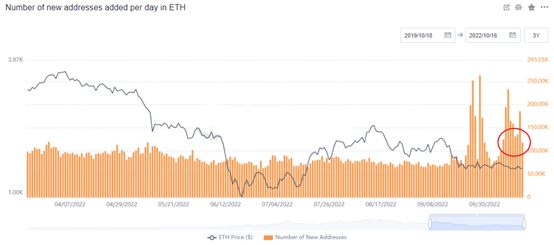
ETH的新增地址数维持在高位运行,数值上明显高于2022年以来的平均水平。新增地址数的增长从9月16日开始,目前为该指标的第二波放大表现。因此,ETH的价格强势将在短期内维持。价格上看,ETH近期波动空间较小,但是近期新增地址数维持活跃状态,表明接盘者乐于在当前点位入市交易,这也为反弹提供了喘息之机。压力位方面,关注1400美元的抛售可能。消息面方面,继续关注美联储加息对市场的负面影响。
5、QNT稳步拉升

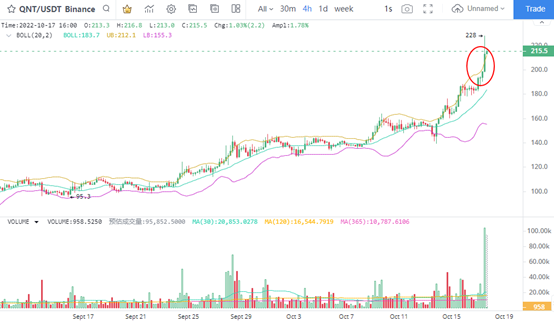
QNT近期维持价格上行节奏,目前价格虽然上涨出现加速迹象,但是波动强度和成交量表现都为显著超出预期。据此判断,QNT的价格回升或将延续下去。4小时K线图小时,短线拉升后振幅达到15%的情况下,QNT4小时的成交量放大至6倍以上。点位上,QNT短期处在220美元附近,距离历史高位430美元还有较大差距。由于QNT走势稳健,同时持币数量排名第一的主力7日增持QNT,意味着价格还可能在高位表现得更为强劲。

Lecturas Relacionadas

Interview with NDV Founder Jason Huang: Piercing the AI Bubble and the MicroStrategy Myth, Seeking the Ultimate Edge in the Crypto Market

In a podcast with WuBlockchain, NDV founder Jason Huang discusses recent market dynamics, expressing a bearish outlook on crypto in the near term. He attributes Bitcoin's recent decline to a combination of cyclical selling pressure, the start of a US stock market correction, and liquidity tightening. A key catalyst is the emerging financial strain on MicroStrategy (MSTR). Huang explains that MSTR's model of borrowing to buy Bitcoin created a positive "flywheel" in a bull market. However, with falling BTC prices turning its stock premium into a discount, the model is now under severe stress. While MSTR only sold 32 BTC recently, the market is "front-running" the fear of its massive 80,000+ BTC holdings potentially being liquidated to meet debt obligations. He believes a true market bottom requires a major, capitulation-level event similar to the FTX collapse. Regarding investments, Huang states his fund is up over 20% this year, outperforming Bitcoin by 50-60%. The strategy involves crypto assets and commodities like oil, gold, and silver, but avoids AI stocks due to a perceived lack of trading edge. He is cautious of crowded trades in semiconductors and sees bubbles in the broader market, citing the hype around a potential SpaceX IPO. Despite short-term pessimism, Huang remains long-term bullish on one crypto innovation: stablecoins. He views them as the clearest example of a "faster, better" financial tool with significant room for global adoption. For the future, he is very bearish on Ethereum. For Bitcoin, he anticipates potential for a significant drop below $48,000 before a eventual rebound, but stresses the need to wait for a true panic-driven bottom marked by widespread despair and disinterest in the market.

marsbitHace 35 min(s)

Interview with NDV Founder Jason Huang: Piercing the AI Bubble and the MicroStrategy Myth, Seeking the Ultimate Edge in the Crypto Market

marsbitHace 35 min(s)

Conversation with Jason Huang, Founder of NDV: Puncturing the AI Bubble and the MicroStrategy Myth, Searching for the Ultimate Trump Card in the Crypto Market

In a podcast interview, NDV founder Jason Huang discusses the recent crypto market downturn, attributing the initial phase to typical Bitcoin cycle selling pressure, now compounded by a US stock market correction, tightening liquidity, and MicroStrategy's financial strain. He argues the market hasn't bottomed yet, noting true bear market lows often require a major, despair-inducing event like FTX's collapse. Huang details MicroStrategy's precarious position: its debt-and-equity fueled Bitcoin buying model has reversed into a negative cycle as prices fell. He interprets its sale of just 32 BTC as a signal prioritizing creditors over shareholders, sparking market "front-running" of its larger potential sell-off. A true bottom may arrive only after MicroStrategy resolves its looming debt payments, possibly via a large, private Bitcoin sale. His fund is up ~20% this year, outperforming Bitcoin by 50-60%, by shorting crypto and trading commodities like oil and gold. He avoided AI stocks despite being a heavy user, citing a lack of trading edge in the crowded semiconductor hardware trade, which he views as ripe for a significant correction. Long-term, Huang remains bullish on stablecoins as crypto's clearest, most practical innovation with high growth potential. He is very bearish on Ethereum and skeptical that Bitcoin has found its floor, suggesting $48,000 may not hold. He expects a sharp decline followed by a strong recovery within a year, but only after a major panic event leads to widespread capitulation and despair—the true hallmark of a market bottom.

链捕手Hace 41 min(s)

Conversation with Jason Huang, Founder of NDV: Puncturing the AI Bubble and the MicroStrategy Myth, Searching for the Ultimate Trump Card in the Crypto Market

链捕手Hace 41 min(s)

U.S. Stocks Trend (June 24): Korean Stock Plunge Ripples Global Chip Sector, Micron Tumbles Over 10%, Long-Term Supply Certainty Faces a 'Hard Test'

US Stock Market Trend (June 24): South Korean Market Plunge Disrupts Global Chips, Micron Drops Over 10%, Long-Term Supply Certainty Faces Hard Test On Monday, the South Korean KOSPI index plunged 10%, with SK Hynix and Samsung dropping over 12%, triggered by rumors that SK Hynix might slow its HBM4 production expansion. This shock quickly spread to the U.S. semiconductor sector. Micron plummeted 13.18% to $1,051.77, SanDisk fell 13.64%, and Marvell declined 8%. The Philadelphia Semiconductor Index closed down 7.87%, while the Nasdaq fell 2.21% to 25,587.04 points. The sell-off particularly hit memory chip stocks. Defensive sectors showed relative resilience, with gains in stocks like IBM and Johnson & Johnson. Market volatility spiked, with the VIX index jumping 12.79%. Commodities weakened, with WTI crude oil hitting a near three-month low and gold falling below $4,100. The core issue is not a challenge to AI demand itself, but a market reassessment of overly optimistic capacity expectations for memory chips, especially HBM. The rumor about SK Hynix undermined perceived certainty in the AI infrastructure cycle. Key upcoming events include Thursday's PCE inflation data, which will influence Fed rate expectations, and Micron's earnings report. The market will focus on Micron's HBM gross margins and its long-term capacity guidance. The shift indicates the AI investment cycle is moving from euphoria to rational pricing. Large institutions are questioning the sustainability of AI-related capital expenditure growth. Micron's repricing from an "AI infrastructure staple" to a more cyclical stock highlights this change. Thursday's data and earnings represent a critical juncture for assessing long-term supply certainty, which has now significantly decreased.

marsbitHace 49 min(s)

U.S. Stocks Trend (June 24): Korean Stock Plunge Ripples Global Chip Sector, Micron Tumbles Over 10%, Long-Term Supply Certainty Faces a 'Hard Test'

marsbitHace 49 min(s)

Trading

Spot
Futuros
活动图片