BTC miners have this to look forward to amid mining difficulty reaching ATH

AmbcryptoPublicado a 2022-09-15Actualizado a 2022-09-15

Resumen

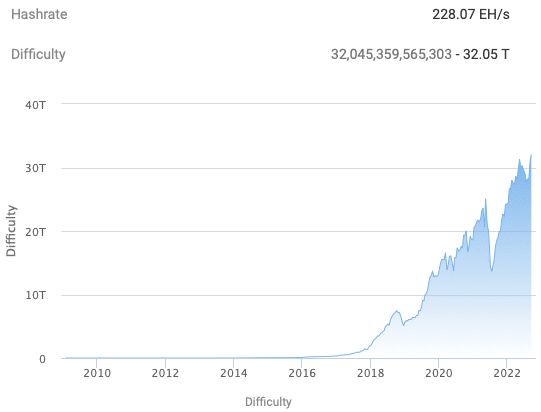
Bitcoin’s mining difficulty, on 14 September, recorded an all-time high. The difficulty level increased by 3.45% to reach an ATH for the second time in over two weeks.

Bitcoin’s [BTC] mining difficulty, on 14 September, recorded an all-time high. The difficulty level increased by 3.45% to reach an ATH for the second time in over two weeks.

""

In the latest fortnightly adjustment, mining difficulty was recorded at 32.05 trillion at the block height of 753,984 according to BTC.com.
Source: BTC.com

""

What else is new?

""

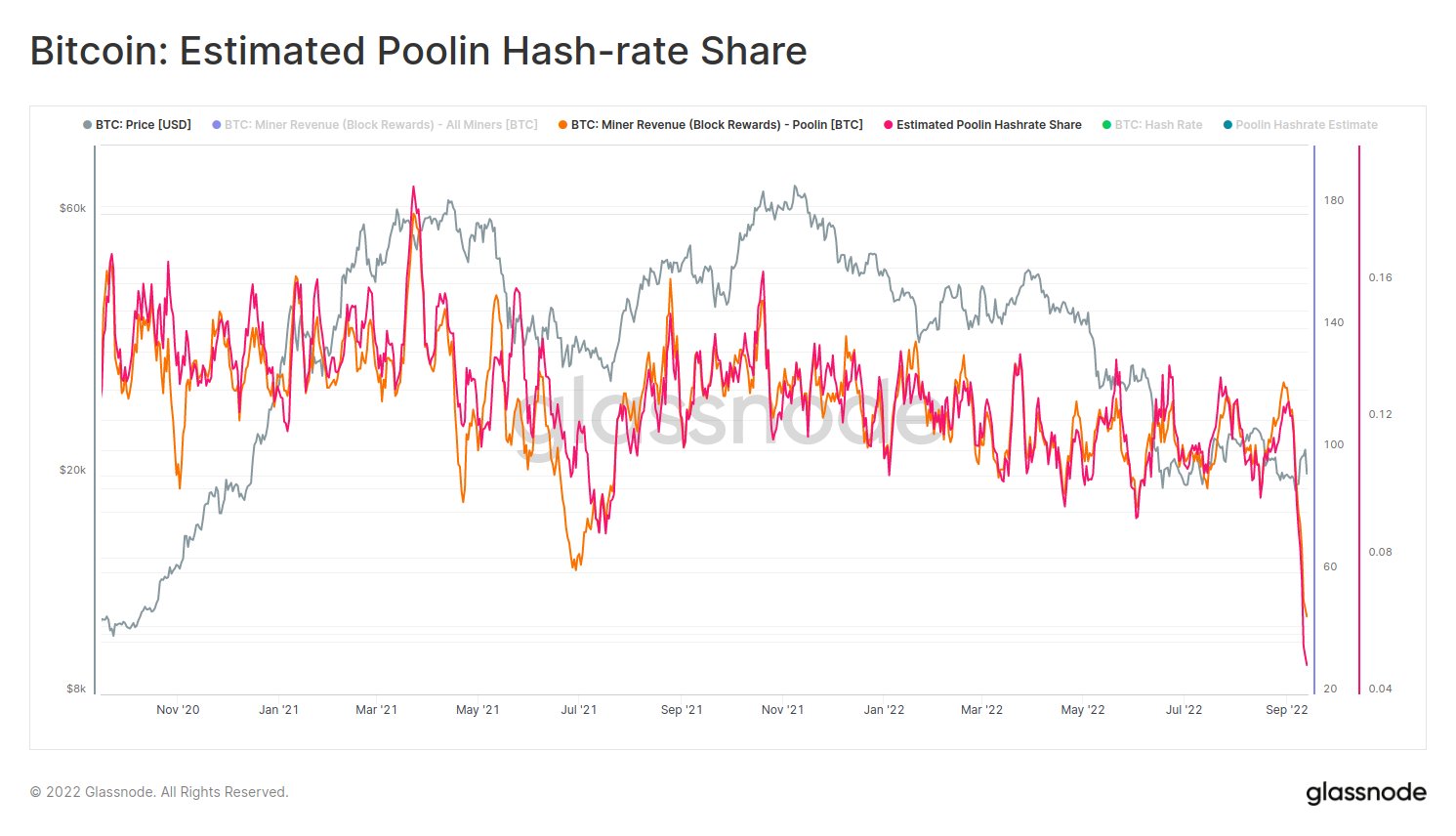
Data analytics platform Glassnode has also provided an update on Bitcoin Hashrate. The share of BTC hashrate of Poolin has declined by over 12.4% to just 4.8% of the total.

""

Analysts at Glassnode concur through this about the ability of miners to redirect hashrate in a “short timeframe”.
Source: Glassnode

""

Not done yet

""

That being said, Galaxy Digital published their latest report on Bitcoin mining titled “2022 Mid-Year Bitcoin Mining Update.” The report addresses the current mining challenges and why enthusiasts should remain optimistic about the mining industry.

""

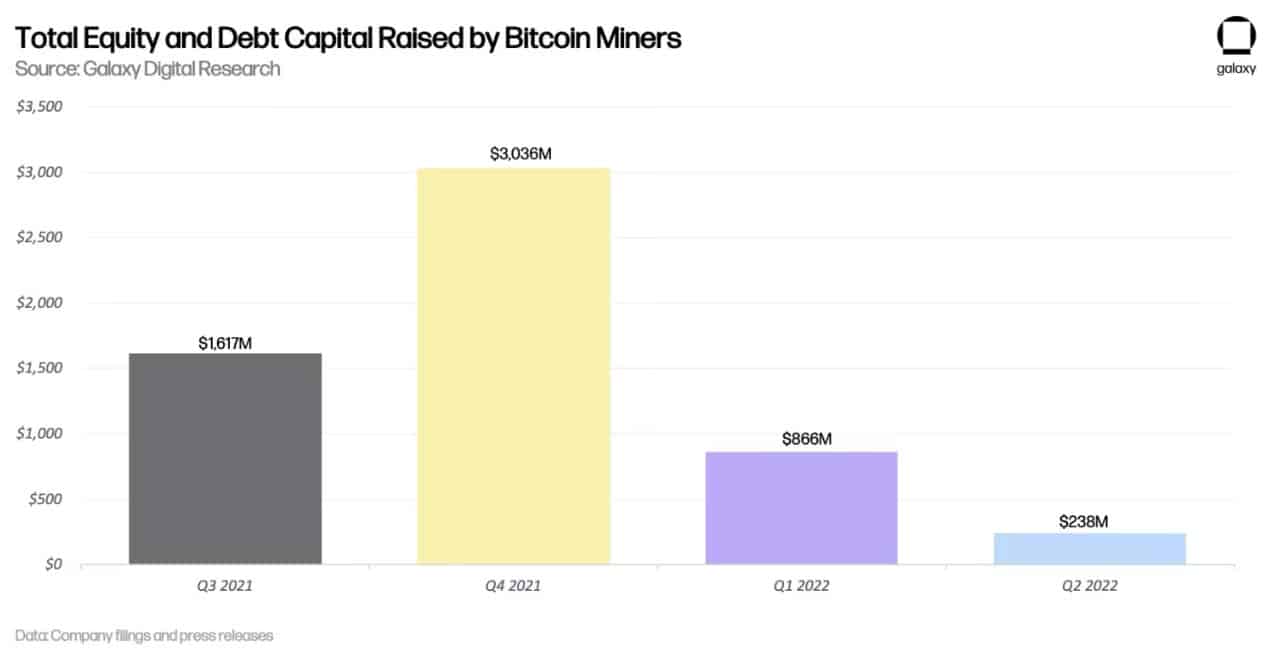
The report starts with an ominous note of reality about the limited availability of capital. This has made it enormously difficult for companies to raise debt capital.

""

For context, Bitcoin miners were able to raise more than $3 billion during Q4 of 2021. During Q2 of 2022, the number fell by more than 90% to just $238 million.
Source: Galaxy Digital

""

Equally, the depleted market conditions led to a lot of outflows from miners’ holdings. With uncertainties over future cash flows and falling prices, miners were forced to sell their holdings to cover costs. In H1 2022, publicly traded miners sold 24,501 BTC.
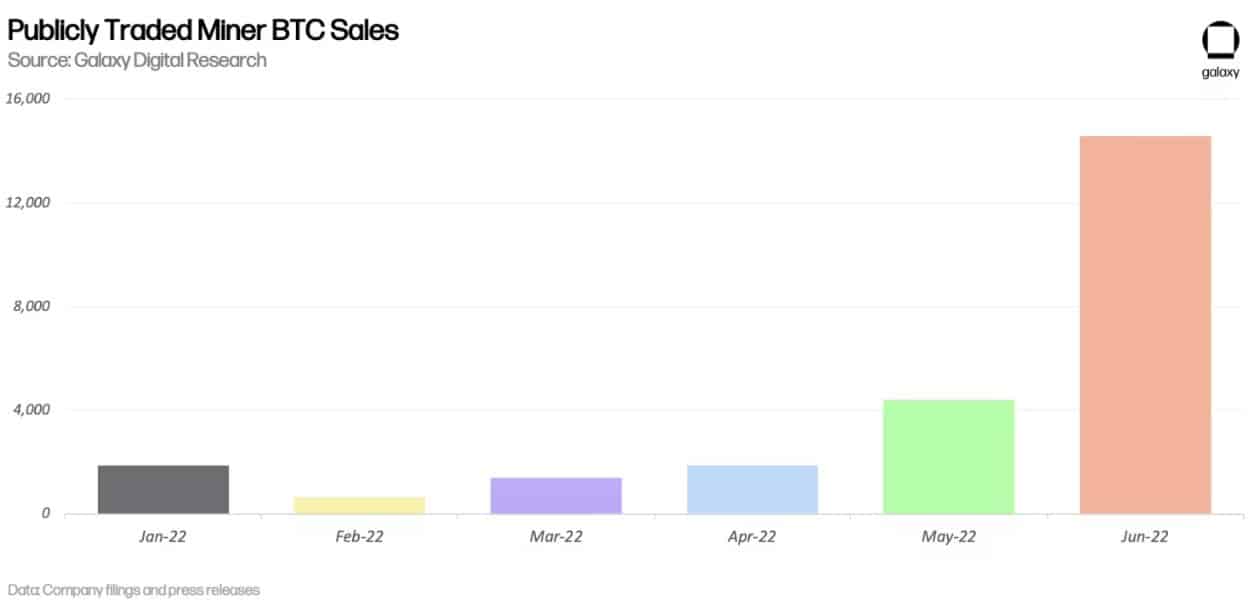
Source: Galaxy Digital

""

But the report includes a note on why investors can still be optimistic about the mining industry. Firstly, a group of miners from Texas, USA took it on themselves to elevate the mining operations.

""

They provided support to the stressed grid by curtailing operations as demand for energy skyrocketed. This may lead to a drop in network difficulty soon. Next, we have the problem of power efficiency.

""

Immersion cooling allows for efficiency improvements in terms of j/TH. Companies can expect a 20-40% higher efficiency as compared to regular air-cooled machines. Well, policymakers are also laying emphasis to reduce the reliance on Chinese manufacturers for chip development.


Lecturas Relacionadas

The Real Battlefield of AI Lies in the 'Dark Forest'

The article "AI's Real Battlefield is in the 'Dark Forest'" discusses the shifting dynamics in the global AI landscape, contrasting the strategic directions of Chinese and U.S. AI developers. Chinese companies like Alibaba (with its "HappyHorse" video model), ByteDance (Seedance 2.0), and Kuaishou (Kling 3.0) have taken the lead in text-to-video generation, surpassing OpenAI’s now-discontinued Sora. These models are deeply integrated into their parent companies’ content ecosystems (e.g., Douyin, Kuaishou), serving to reduce content creation costs and enhance user engagement rather than operating as standalone profit centers. In contrast, U.S. firms are pivoting toward high-stakes enterprise and security applications. Anthropic’s Claude Mythos model demonstrates advanced capabilities in autonomously discovering and exploiting software vulnerabilities, prompting concern at the highest levels of U.S. financial and governmental institutions. OpenAI responded with its own GPT-5.4-Cyber, signaling a strategic shift from consumer-facing products to enterprise-grade tools focused on cybersecurity and programming. The divergence is attributed to fundamental differences in resources and market structures. U.S. companies, backed by vast computational resources (e.g., Amazon and Google supply Anthropic with substantial funding and TPU access), can pursue deep, specialized R&D in high-value B2B sectors. Chinese firms, facing significant compute power constraints and a less mature enterprise SaaS market, have found success by leveraging their massive consumer platforms and optimizing for cost-efficiency. The article warns that the AI race is entering a "dark forest" phase—a reference to competitive dynamics where cybersecurity capabilities could determine digital sovereignty. While Chinese models like Zhipu AI’s GLM-5.1 show promise in narrowing the gap in coding proficiency, the author stresses that achieving parity in security-critical AI will require asymmetric strategies, including greater investment in coding models, adaptation to domestic hardware, and exploring international markets in the Global South.

marsbitHace 24 min(s)

The Real Battlefield of AI Lies in the 'Dark Forest'

marsbitHace 24 min(s)

Trading

Spot
Futuros
活动图片