The Ethereum 'merge' is almost here—how the historic upgrade will affect crypto investors

CNBCPublicado a 2022-09-15Actualizado a 2022-09-15

Resumen

The Ethereum blockchain, the largest behind bitcoin, is about to undergo the beginnings of a major upgrade. Here's a look at what the merge means and how it will affect crypto investors.

The Ethereum blockchain, the largest behind bitcoin, is about to undergo the beginnings of a major upgrade.
""

Dubbed the "merge," Ethereum is switching to a more energy-efficient method of validating transactions that take place on the platform, known as proof of stake.
""
The upgrade is similar to how the transition away from using dial-up modems to fiberoptics enabled the internet to be used for a wider variety of things, such as video, online storage and music streaming, Greg King, founder and CEO of Osprey Funds, tells CNBC Make It.
""

Here's a look at what the merge means and how it will affect crypto investors.
""

What is proof of stake?
""

The merge will transition the blockchain from a proof-of-work (PoW) model to a proof-of-stake (PoS) model. Both are algorithms used to allow users to add new cryptocurrency transactions and keep a record of them on a blockchain network.
""

The current proof-of-work model requires massive amounts of energy to power computers that race to solve complicated math equations in order to validate transactions.
Proof of stake, on the other hand, requires users to have a "stake" in the blockchain, as the name implies.
""
This means that Ethereum users will need to make a pretty hefty investment upfront in order to authenticate transactions. However, this model is expected to be much less energy intensive.
""

How will this affect investors and potential investors?
""

Although the Ethereum merge isn't expected to make the network faster or lower transaction costs immediately, investors may see benefits down the road.
""

"While no outcome is certain, the merge could be bullish for crypto investors in the long run due to the groundwork it lays for future upgrades to speed, fees and ecosystem development," says King.
""

Quicker transactions and lower fees could eventually lead to more users as well, which could affect the value of ether, Ethereum's native cryptocurrency, which investors use to make transactions of the platform.
""

If the number of investors increases, the supply of ether should go down, says Vladimir Gorbunov, CEO and founder of the MetaFi ecosystem Choise.com. And as the supply of ether decreases, the value of individual coins could increase, which would be welcome news for investors.

""
Ether is valued at about $1,600 per coin as of Sept. 14, 2022, according to Coin Metrics — down from an all-time high of about $4,892 in November of last year.
""

How will this impact the environment?
""

As previously mentioned, the merge is expected to make the blockchain more energy efficient.
Currently, Ethereum's carbon emissions are on par with Singapore and its total energy consumption is comparable to the Netherlands, according to its website.
""

The merge is expected to lower Ethereum's carbon footprint by over 99%, which could make the platform more attractive to environmentally conscious investors.
""

Will the merge make Ethereum less vulnerable to hackers?
""

"The merge will definitely make Ethereum more secure," says Gorbunov. After the merge, the required initial investment to validate transactions on the blockchain would cost around $55,000 or 33 ETH, he says.
""

That's a cost everyone, including hackers, would have to bear in order to get into the network in the first place. Due to that barrier, Gorbunov expects Ethereum to become a lot safer.
""

However, the blockchain will always be vulnerable to hackers, King warns.
""

"After the merge, Ethereum's susceptibilities may differ due to the underlying design change to the network, but the security risks will always remain the same," he says. "Cybersecurity risk is always paramount."
""

Remember, ether, like many cryptocurrencies, is a highly volatile asset that is subject to unpredictable fluctuations in value with no guarantee of earning a profit. Experts recommend not investing more into these types of assets than you're willing to potentially lose.  

Lecturas Relacionadas

Latin America's Payments Landscape Is Not What You Think It Is

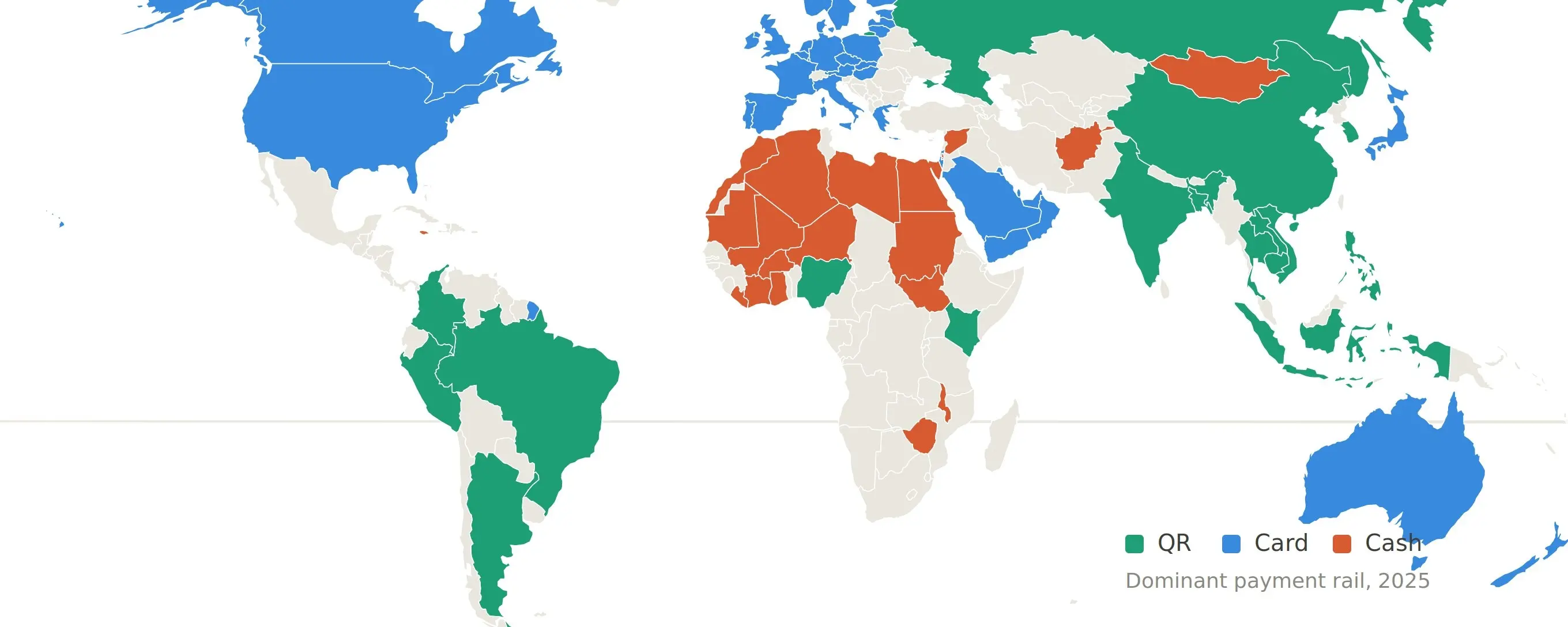
This report challenges common misconceptions about Latin America's payment landscape, based on over 500 hours of firsthand research. Key findings include: 1) Crypto card transaction volume primarily comes from high-net-worth individuals receiving USDT salaries, not retail spending. 2) QR code payments (e.g., Brazil's Pix, Argentina's Mercado Pago) are the dominant payment method across most emerging markets, not cards. 3) A major untapped opportunity lies in enabling cross-border interoperability between domestic instant payment systems. 4) Payment competition is shifting from customer acquisition to owning the settlement layer (e.g., acquiring banks). 5) Latin America is not a single market; Brazil, Mexico, Argentina, and smaller "forgotten five" countries (e.g., Guatemala, Honduras) have vastly different dynamics. 6) Stablecoin-to-fiat conversion margins are collapsing toward zero, pushing companies to build value-added services on top. 7) Future payment winners will be multi-country brands, not single-corridor specialists. 8) Marketing must target specific user segments (e.g., digital nomads, unbanked immigrants) with tailored messaging, not a generic "Brazilian" audience. 9) Contrary to perception, Latin American regulators are often ahead of the US in creating frameworks for digital assets and instant payments, with clear licensing deadlines. The core takeaway is that the region's payment rules are being rewritten, moving beyond cards and stablecoin arbitrage towards integrated, cross-border QR-based solutions.

链捕手Hace 10 min(s)

Latin America's Payments Landscape Is Not What You Think It Is

链捕手Hace 10 min(s)

Vitalik's Algorithmic Stablecoin Vision: Interpreting the Mechanism and Challenges from an Options Perspective

Vitalik Buterin's recent algorithmic stablecoin proposal envisions using an option-like mechanism to create a stablecoin without the liquidation risks inherent in traditional collateralized debt position (CDP) models. The design splits one unit of ETH into two components: a 'stable' leg (P) that maintains value up to a certain strike price, and an 'upside' leg (N) that captures any appreciation above that price. Together, they always sum to one ETH, eliminating the need for debt or liquidation mechanisms. From an options perspective, the stable leg essentially functions as a synthetic, covered call position. However, significant challenges exist. For the stable asset to maintain its peg, it must continuously roll deep in-the-money call options, leading to potential rollover slippage, predictable trading paths vulnerable to front-running, and liquidity issues. Crucially, the system's scalability depends on a constant demand for the upside leg—a form of leveraged ETH long position without funding rates or liquidation risk. It's unclear if such persistent, specific demand will materialize from speculators or market makers who have simpler alternatives like perpetual swaps. The author, drawing from experience with Rysk, argues that DeFi options have struggled as standalone trading products due to complexity and fragmented liquidity. Their potential lies instead as foundational infrastructure underpinning more complex financial primitives like stablecoins, structured yields, or index products—transforming from a direct product into a core pricing and risk distribution engine for the next generation of on-chain finance.

marsbitHace 1 hora(s)

Vitalik's Algorithmic Stablecoin Vision: Interpreting the Mechanism and Challenges from an Options Perspective

marsbitHace 1 hora(s)

Trading

Spot
Futuros
活动图片