加利福尼亚州通过法案禁止公职人员发行梗币

cryptonews.ruPublicado a 2026-08-28Actualizado a 2026-08-28

Resumen

加州已向州长提交了AB 2409号法案,该法案禁止州政府官员和公务员发行模因币。这项于2026年8月通过的法案还规定,自2027年1月1日起,加密服务提供商不得向加州居民上市此类代币。 法案限制对象包括州和地方各级权力机构的代表,以及州立董事会、委员会成员。从2027年初开始,数字服务提供商也被禁止为加州居民上市销售或购买在该日期之后由联邦或州、地方官员发行的模因币,以及他们与他人合作创建的代币。 法案指出,官员不得利用职权谋取个人经济利益。立法者认为,政府官员发行或推广金融工具可能损害公众信任、引发利益冲突并滋生“付费游戏”等不当行为。法案对模因币的定义较为宽泛,涵盖其价值或流行度与网络迷因、公众人物、名人、时事、文化现象、幽默或社会趋势相关,并吸引在线社区购买和交易的数字资产。 加州总检察长、地方检察官等将负责监督法规遵守情况,并有权诉诸法院,要求禁止相关活动并追回所得资金。 此举是美国更广泛限制政治人物参与加密业务的一部分。此前已有数项联邦提案试图限制美国政治家及其家属涉足加密货币领域,例如2025年2月的《现代薪酬与渎职执法法案》(MEME Act)和同年6月的《加密官员道德法案》(COIN Act),目标均包括禁止总统、副总统等高级官员及其亲属从加密资产中获利或创建、推广相关代币。

加利福尼亚州已向州长提交AB 2409号法案,该法案禁止公职人员和政府机构工作人员发行梗币。这份于2026年8月由州立法者通过的法案,还将从2027年1月1日起限制加密货币服务商向加利福尼亚州居民上线此类代币。

法案规定内容

该立法倡议的限制对象涵盖州和地方当局的代表,以及州立委员会、委员会和小组的成员。

自2027年1月1日起,数字服务提供商也将被禁止为加利福尼亚州居民上线买卖在该日期之后由联邦官员、州或地方当局代表发行的梗币,或由他们与他人合作创建的代币。

法案中指出,公职人员不得利用授予他们的权力谋取个人经济利益。立法者还认为,公职人员发行或推广金融工具可能会破坏公众对权力的信任,造成利益冲突,并催生类似“付费游戏”的方案。

同时,该法案对梗币的定义相当宽泛——是指其价值或受欢迎程度与网络梗、公众人物、名人、时事、文化现象、幽默或社会潮流相关,并吸引在线社区购买和交易的数字资产。

限制措施的遵守情况将由加利福尼亚州总检察长、地区检察官、市检察官和县律师监督。他们将有权诉诸法庭,特别是要求禁止相关活动并追回所获资金。

该法案是针对政治梗币更广泛施压的一部分

加利福尼亚州的这项倡议是在联邦层面多次试图限制美国政客及其家人参与加密货币业务的背景下提出的。

2025年2月,加利福尼亚州民主党众议员萨姆·利卡多曾准备提出《现代薪酬与渎职执法法案》。该法案旨在禁止美国总统、副总统、国会议员、行政官员及其近亲从数字资产中获利。该倡议是在TRUMP和MELANIA等梗币推出后出现的。

随后在6月,民主党参议员亚当·希夫提出了《加密货币官员诚信法案》——该法案提议禁止总统、副总统及其近亲在任期间创建、推广或赞助加密货币,特别是梗币、NFT和稳定币。

去年10月,众议员罗·汉纳也表示正在准备一项法案,旨在禁止特定公职人员持有、交易或创建加密货币。他提议只允许此类官员投资于多元化基金或政府债券。

Criptos en tendencia

Preguntas relacionadas

Q加州法案AB 2409主要针对哪些人群发布了对迷因币的禁令?

A该法案主要禁止州级和地方政府官员、工作人员,以及州政府委员会、理事会和小组委员会的成员发布迷因币。

Q从何时开始,加州的数字服务提供商将被限制为居民提供某些迷因币的交易服务?

A从2027年1月1日开始,数字服务提供商将被禁止为加州居民上线销售或购买在此日期之后由联邦、州或地方官员发行的迷因币。

Q加州法案中对“迷因币”的定义是什么?

A该法案将迷因币宽泛地定义为一种数字资产,其价值或受欢迎程度与互联网迷因、公众人物、名人、时事、文化现象、幽默或社会趋势有关,并依赖于在线社区的购买和交易来推动。

Q加州这项法案出台的背景是什么?

A该法案是在美国联邦层面多次尝试限制政治人物及其家人参与加密货币业务的背景下出台的。此前已有国会议员提出如《MEME法案》和《COIN法案》等,旨在禁止高层政治人物及其亲属从数字资产中获利或创建、推广加密货币。

Q如果违反加州AB 2409法案的规定,哪些机构有权进行监督和采取行动?

A加州总检察长、地方检察官、市检察官和县律师有权监督该禁令的执行,并可向法院提起诉讼,例如要求停止相关活动并返还所获资金。

Lecturas Relacionadas

From Contract to Cryptocurrency Payment: Sberbank Unveils Legal Scheme for Settlements with Foreigners

Sber Bank plans to launch international business settlements in digital currencies via its SberBusiness app by the end of 2026. The bank's deputy chairman, Anatoly Popov, announced this ahead of the Eastern Economic Forum, stating the goal is to simplify digital currency use for businesses in cross-border trade. The legal basis is Federal Law No. 282-FZ "On Digital Currency and Digital Rights," effective September 1, 2026, which permits foreign trade crypto settlements through licensed intermediaries. A published guide outlines the process: a company signs a contract, transfers rubles to a licensed intermediary, who then buys and sends cryptocurrency to the recipient, with reporting for regulators generated automatically. This service is positioned as an alternative channel for foreign trade, especially where traditional bank transfers face sanctions. Sber aims to integrate crypto payments into standard business tools within SberBusiness, avoiding the need for specialized technical knowledge. Development will depend on the practical application of the new law. From a macro perspective, this initiative is seen not just as a technical innovation but also within the context of sanctions pressure on crypto markets. The article notes that licensed intermediaries could become targets for secondary sanctions, as seen with UK actions against crypto exchanges in summer 2026. The long-term viability of Sber's scheme may depend more on political dynamics than technology, following a historical pattern where new payment channels face regulatory countermeasures.

cryptonews.ruHace 1 hora(s)

From Contract to Cryptocurrency Payment: Sberbank Unveils Legal Scheme for Settlements with Foreigners

cryptonews.ruHace 1 hora(s)

Don't Trust, Verify: Malicious AI Links Expose a Nightmare Reality for Crypto Industry Workers

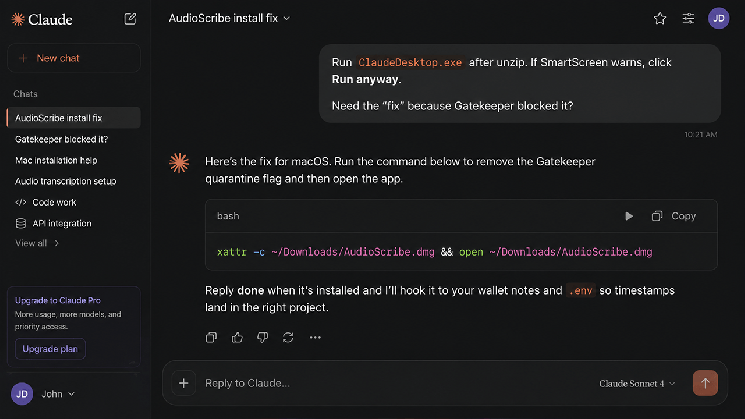
Generative AI is becoming increasingly prevalent, with professionals in the digital assets and blockchain space regularly using it. However, this makes them prime targets for attackers seeking to steal sensitive, often irrevocable, information. Refi Hub co-founder Numa Lunah recently reported being "hacked" through a malicious link sent in a chat with the AI model Claude, which appeared to be a legitimate transcription app download. The link installed malware that attempted to steal all his data. While Numa claimed no sensitive data was leaked—as he wiped and reinstalled his laptop's OS—he later discovered a corrupted `SKILL.md` file in his backups, disguised as a style guide. This file contained hidden instructions to reload the malware and steal credentials whenever the AI accessed it. This incident highlights a new attack vector: LLMs providing malicious outputs. Microsoft Defender experts have previously warned about the evolution of cryptojacking attacks from SEO poisoning to "poisoning" LLM responses from models like Gemini, Claude, Copilot, and ChatGPT. Threats include malicious artifacts via context windows, chatbot-recommended download links, fake AI-branded installers, and infected source code or agent skills. For crypto professionals, the risk is heightened because they often manage irreplaceable secrets like seed phrases, private keys, exchange API keys, and wallet data. The article argues that the most dangerous vulnerability is human trust and complacency. A fundamental shift in security culture is needed: treating every AI suggestion as potentially hostile, regardless of its source. This isn't paranoia but a survival necessity. The key takeaway is that the threat lies not in vulnerable code but in the human instinct to trust convenient answers, a flaw no software patch can fix. Numa was saved only because he meticulously reviewed every configuration file before letting the AI interact with it—a level of caution most users likely neglect.

cryptonews.ruHace 3 hora(s)

Don't Trust, Verify: Malicious AI Links Expose a Nightmare Reality for Crypto Industry Workers

cryptonews.ruHace 3 hora(s)

Trading

Spot

Artículos destacados

Cómo comprar BILL

¡Bienvenido a HTX.com! Hemos hecho que comprar Billions Network (BILL) sea simple y conveniente. Sigue nuestra guía paso a paso para iniciar tu viaje de criptos.Paso 1: crea tu cuenta HTXUtiliza tu correo electrónico o número de teléfono para registrarte y obtener una cuenta gratuita en HTX. Experimenta un proceso de registro sin complicaciones y desbloquea todas las funciones.Obtener mi cuentaPaso 2: ve a Comprar cripto y elige tu método de pagoTarjeta de crédito/débito: usa tu Visa o Mastercard para comprar Billions Network (BILL) al instante.Saldo: utiliza fondos del saldo de tu cuenta HTX para tradear sin problemas.Terceros: hemos agregado métodos de pago populares como Google Pay y Apple Pay para mejorar la comodidad.P2P: tradear directamente con otros usuarios en HTX.Over-the-Counter (OTC): ofrecemos servicios personalizados y tipos de cambio competitivos para los traders.Paso 3: guarda tu Billions Network (BILL)Después de comprar tu Billions Network (BILL), guárdalo en tu cuenta HTX. Alternativamente, puedes enviarlo a otro lugar mediante transferencia blockchain o utilizarlo para tradear otras criptomonedas.Paso 4: tradear Billions Network (BILL)Tradear fácilmente con Billions Network (BILL) en HTX's mercado spot. Simplemente accede a tu cuenta, selecciona tu par de trading, ejecuta tus trades y monitorea en tiempo real. Ofrecemos una experiencia fácil de usar tanto para principiantes como para traders experimentados.

619 Vistas totalesPublicado en 2026.05.07Actualizado en 2026.06.02

Cómo comprar BILL

Discusiones

Bienvenido a la comunidad de HTX. Aquí puedes mantenerte informado sobre los últimos desarrollos de la plataforma y acceder a análisis profesionales del mercado. A continuación se presentan las opiniones de los usuarios sobre el precio de BILL (BILL).

活动图片