Perubahan Harga XRP Mempengaruhi Saham Evernorth Sebelum Debutnya di Nasdaq

cryptonews.ruPublicado a 2026-08-14Actualizado a 2026-08-14

Resumen

Perubahan harga XRP memengaruhi saham Evernorth sebelum debutnya di Nasdaq. Harga penutupan XRP akan menentukan jumlah saham Evernorth yang didistribusikan ke investor sesuai perjanjian penempatan swasta yang direvisi. Formula baru menggunakan harga rata-rata tertimbang volume XRP, bukan acuan awal $2,36. Per 13 Agustus, harga XRP sekitar $1,006, sehingga diperkirakan akan mengurangi jumlah saham yang diterbitkan, meningkatkan porsi kepemilikan XRP per saham publik Armada II. Lebih dari 95% investor swasta, termasuk Arrington Capital, SBI Group, Ripple, dan Pantera Capital, mendukung perubahan ini. Penyesuaian juga berlaku secara proporsional bagi saham pendiri. Strategi inti Evernorth tetap fokus pada ekosistem XRP dan meningkatkan kepemilikan XRP per saham. Armada II telah menggunakan ticker XRPN di Nasdaq. Penggabungan perusahaan menunggu persetujuan SEC dan diharapkan selesai pada akhir kuartal ketiga atau awal kuartal keempat 2026.

Harga pasar $XRP pada saat penutupan akan menentukan berapa banyak saham Evernorth yang akan dialokasikan kepada investor sesuai dengan perjanjian penempatan pribadi yang direvisi, menurut siaran pers perusahaan pada 13 Agustus yang menguraikan amandemen. Berdasarkan harga $XRP pada 13 Agustus, rumus ini diperkirakan akan menyebabkan berkurangnya jumlah saham yang diterbitkan pada saat penutupan, sehingga setiap saham publik Armada II akan memiliki porsi yang lebih signifikan dalam perbendaharaan $XRP perusahaan Evernorth.

Pendiri dan CEO Evernorth Ashish Birla mengomentari syarat perjanjian yang direvisi:

"Kami menjaga keselarasan kepentingan investor, sekaligus mendukung strategi jangka panjang kami untuk memberikan akses kelembagaan ke ekosistem $XRP. Fakta bahwa seluruh grup pra-pendanaan kami mendukung strategi ini dalam kondisi saat ini menunjukkan keyakinan mereka yang terus-menerus terhadap strategi kami dan peluang yang terbuka di depan kami."

Menurut formulir S-4 Evernorth yang telah diperbaiki, harga $XRP yang berlaku dihitung berdasarkan harga rata-rata tertimbang volume, bukan acuan awal sebesar $2,36. Rumus ini berlaku untuk kedua arah, memungkinkan level token pada saat penyelesaian transaksi mempengaruhi jumlah saham biasa yang dialokasikan di antara investor yang berpartisipasi. Per 13 Agustus, kurs $XRP adalah sekitar $1,006.

Pemegang Saham Publik dan Saham Treasury

Menurut pernyataan pendaftaran awal Evernorth, investor yang berpartisipasi dalam penempatan pribadi berlangganan dengan harga $10 per saham, dengan sebagian besar menyetorkan dana di muka dan sisanya menyetujui pembayaran yang ditangguhkan. Dalam pernyataan ini, ekuitas dihitung berdasarkan harga acuan $XRP sebesar $2,36, sehingga struktur kepemilikan akhir tetap berisiko terhadap potensi ketidaksesuaian harga hingga transaksi selesai.

Jumlah saham yang baru diterbitkan yang lebih sedikit akan mengakibatkan alokasi nilai aset bersih perusahaan ke basis ekuitas pemegang saham yang lebih kecil, meningkatkan porsi saham treasury per saham Armada II yang beredar. Perusahaan yang memiliki saham treasury menggunakan metrik aset per saham dan nilai aset bersih untuk menunjukkan apakah penerbitan saham baru meningkatkan atau mengencerkan hak setiap pemilik atas aset dasar.

Investor Pribadi dan Keselarasan Sponsor

Menurut Evernorth, investor yang mewakili lebih dari 95% dari modal yang dijanjikan telah mendukung perubahan ini, dengan semua investor yang memberikan pendanaan di muka bergabung dalam persetujuan. Investor termasuk, antara lain, Arrington Capital, SBI Group, Ripple, Pantera Capital, Kraken, dan GSR. Dalam materi sebelumnya mengenai pengajuan Evernorth bulan April, disajikan patokan harga $XRP, komitmen tunai, dan perhitungan kepemilikan yang mendahului penilaian ulang terakhir.

Sponsor Armada II juga telah menyetujui penyesuaian proporsional terhadap saham pendiri, mendistribusikan dampaknya antara kepentingan sponsor dan investor. Dalam komposisi direksi yang direncanakan Evernorth, di antara direktur yang diharapkan setelah penyelesaian transaksi adalah Kepala Penasihat Hukum Ripple Stuart Alderoty, bersama dengan eksekutif yang memiliki pengalaman di bidang keuangan, manajemen risiko, dan aset digital.

Langkah-langkah yang Tersisa Sebelum Debut di Nasdaq

Aset dan strategi Evernorth tetap tidak berubah, dengan perusahaan berniat untuk meningkatkan porsi $XRP per saham melalui alokasi modal yang disiplin, keterlibatan ekosistem, operasi treasury, dan strategi peningkatan hasil. Ledger $XRP (XRPL) adalah inti dari strategi ekosistem Evernorth, berfungsi sebagai jaringan di mana $XRP bertindak sebagai aset native untuk transaksi dan penyediaan likuiditas.

Armada II sudah menggunakan XRPN sebagai ticker saham di Nasdaq setelah perubahan simbol pada Oktober 2025, yang menghubungkan SPAC dengan transaksi treasury yang diusulkan dengan $XRP. Penggabungan perusahaan menunggu tinjauan SEC dan pemenuhan kondisi penutupan standar; penyelesaian diperkirakan pada akhir kuartal ketiga atau awal kuartal keempat 2026.

end-content

Criptos en tendencia

Preguntas relacionadas

QBagaimana perubahan harga XRP memengaruhi jumlah saham yang didistribusikan kepada investor privat Evernorth?

AMenurut perjanjian privat yang direvisi, harga penutupan $XRP menentukan jumlah saham yang didistribusikan. Formula menggunakan rata-rata harga tertimbang volume $XRP, bukan patokan awal $2,36. Harga yang lebih rendah dari patokan (seperti ~$1,006 per 13 Agustus) akan mengurangi jumlah saham yang diterbitkan.

QMengapa jumlah saham yang lebih sedikit yang diterbitkan untuk investor privat akan meningkatkan nilai setiap saham publik Armada II?

AKarena aset dan nilai bersih perusahaan (yang mencakup perbendaharaan $XRP) akan dialokasikan ke basis ekuitas yang lebih kecil. Hal ini menghasilkan bagian aset yang lebih besar per saham untuk pemegang saham publik Armada II, meningkatkan nilai teoretis setiap saham mereka.

QSiapa saja investor privat utama yang mendukung perubahan perjanjian ini, menurut Evernorth?

AInvestor yang mewakili lebih dari 95% modal yang dijanjikan mendukung perubahan. Investor tersebut termasuk Arrington Capital, SBI Group, Ripple, Pantera Capital, Kraken, dan GSR. Semua investor yang memberikan pendanaan di muka juga setuju.

QApa peran XRP Ledger (XRPL) dalam strategi bisnis Evernorth?

AXRPL adalah inti dari strategi ekosistem Evernorth. Ini adalah jaringan di mana $XRP berfungsi sebagai aset asli untuk transaksi dan penyediaan likuiditas. Evernorth berencana untuk meningkatkan eksposur $XRP per saham melalui partisipasi dalam ekosistem ini.

QKapan dan di bursa mana Evernorth dijadwalkan akan debut setelah merger?

ASetelah merger dengan SPAC Armada II diselesaikan, perusahaan gabungan akan debut di Nasdaq dengan ticker XRPN. Penyelesaian merger diharapkan pada akhir kuartal ketiga atau awal kuartal keempat tahun 2026, menunggu persetujuan SEC dan pemenuhan kondisi penutupan biasa.

Lecturas Relacionadas

The Bear Market Has Ended, A New Bull Cycle Has Begun

**Title: Bear Market Over, New Bull Cycle Begins** Bitcoin surged over 20% in just three days, from a low of $64,100 on August 19th to a high of $79,500 by August 21st, marking a dramatic shift in market sentiment. This rapid rise triggered massive liquidations exceeding $4 billion, with short positions accounting for $3.7 billion—the largest short squeeze since 2021. The rally was fueled by several key factors. Macroeconomic conditions improved as the US Treasury doubled its long-term bond buyback size, easing pressure. Significant regulatory developments included a White House meeting where former President Trump urged Senate action on the CLARITY Act and hinted at potential US Bitcoin reserves, followed by the CFTC Chairman stating the agency would establish crypto market rules if the bill stalls. On-chain data revealed a fierce battle: large whales faced substantial liquidations on short positions, while others took profits or doubled down on longs. Major altcoins like ETH and XRP also saw impressive gains. Analysts are divided but increasingly bullish. Many, including CryptoQuant's founder, declare the bear market over and a new bull cycle begun. Price targets range from $100k by year-end to ambitious long-term projections of $200k. However, some caution against immediate chasing, noting overbought conditions and viewing the move as a potential "trap" ahead of the crucial September 15th Senate vote on the CLARITY Act. The market's next test is sustaining the momentum with real buying pressure, holding above key resistance near $78k-$80k, and watching ETF inflows and the upcoming regulatory vote.

marsbitHace 2 min(s)

The Bear Market Has Ended, A New Bull Cycle Has Begun

marsbitHace 2 min(s)

Xiaomi Defended Its Smartphone Gross Margin, Yet to Find a Profit Successor

Xiaomi's Q2 2026 financial report reveals a company navigating a complex transition. While smartphone gross margin held steady at 8.5% through strategic product mix and a record-high average selling price (ASP), this came at the cost of a 26.5% year-over-year decline in global shipments, pressuring its core user acquisition engine. This illustrates Xiaomi's central challenge: managing the "timing gap" between its established and emerging growth engines. Its smartphone business is pivoting from scale to premiumization, but it's unclear if high-end models can fully offset the volume loss from more price-sensitive segments, especially in markets like India and Africa. Meanwhile, the electric vehicle segment has become a significant revenue contributor, delivering 104,200 units and generating ¥23.9 billion. However, its profit contribution remains unclear as it, along with AI investments, is still in a scaling and investment phase. The AI and humanoid robot initiatives, though strategically prioritized and tested in Xiaomi's own factories, are in early-stage validation with no near-term commercialization timeline. Financially, the company remains stable, supported by a robust cash position and its high-margin internet services business, which hit a new high in monthly active users. Management emphasized continued heavy investment in AI, chips, and robotics to fuel the next growth cycle. The key question is whether these new engines—cars, AI, robotics—can achieve commercial scale and profitability before the smartphone engine's growth slows further.

marsbitHace 3 min(s)

Xiaomi Defended Its Smartphone Gross Margin, Yet to Find a Profit Successor

marsbitHace 3 min(s)

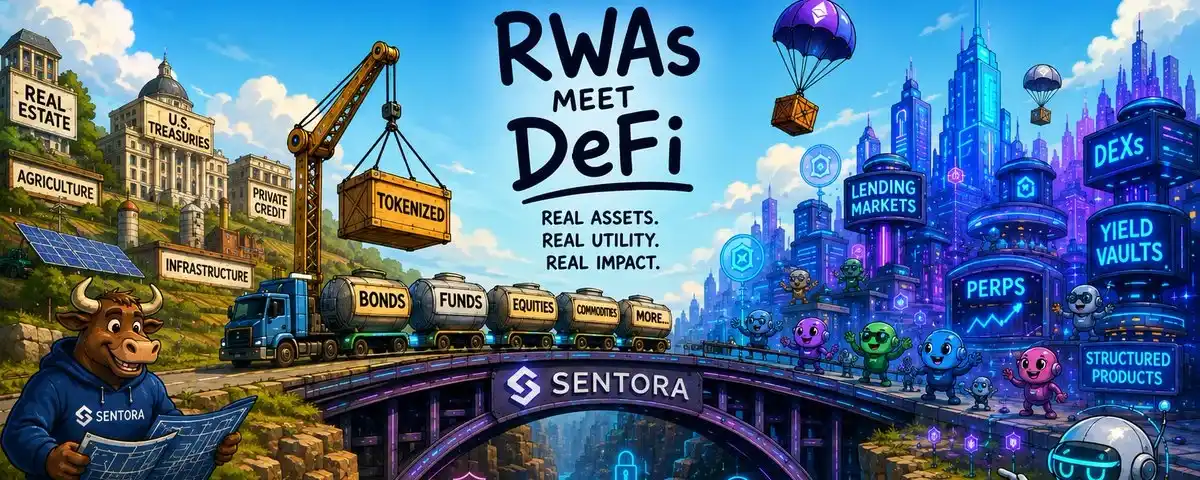
Is RWA Still Meaningful Without DeFi?

The article "Would RWA Still Matter Without DeFi?" argues that tokenizing real-world assets (RWA) alone, like putting a barcode on a container, is not transformative. True value emerges when these tokenized assets are integrated into decentralized finance (DeFi) ecosystems, enabling valuation, financing, hedging, trading, and loss management in a programmable, automated manner. Tokenization provides digital representation, but DeFi provides utility through leverage, liquidity, and composability. The core challenge lies in aligning the different "time clocks" of blockchain (fast, 24/7), traditional markets (limited hours), and asset redemption (slow processes), which creates liquidation risks and gaps. Effective RWA integration requires more than a token; it needs a full stack: legally enforceable rights, reliable data oracles, clear transfer rules, executable secondary liquidity, appropriate collateral parameters, and credible loss resolution paths. Liquidity is defined not by total value locked (TVL) but by the ability to exit a position under stress within a required timeframe. Risk management for RWAs must be modeled as a dependency graph, monitoring interconnected nodes like issuers, custodians, oracles, and liquidity pools for early warning signs beyond just price data. While tokenized government bonds serve as an initial "ping test," the future lies in more complex assets like computing power and energy, which require bespoke risk models. Tokenized stocks paired with perpetual futures present a major test, combining global equity ownership with crypto-native leverage, necessitating robust architectural safeguards like isolation and dynamic collateral rules. The conclusion is that without DeFi, RWA tokenization offers limited value—improving distribution and transparency. The significant opportunity arises when tokenized assets become functional components within open, programmable capital markets, where they can be used as collateral and facilitate complex financial strategies. The token is merely the barcode; the market operating system is the real machine.

marsbitHace 24 min(s)

Is RWA Still Meaningful Without DeFi?

marsbitHace 24 min(s)

Government Intervention in the Bond Market: What Does It Mean?

On August 19, 2026, the U.S. Treasury unexpectedly announced it would at least double the size of its long-term Treasury buyback operations, starting September 9. The move triggered an immediate market reaction, with the 30-year yield falling 9 basis points. This intervention came against a backdrop of the 30-year yield hitting a 19-year high of 5.34% the previous day, driven by persistent inflation, high oil prices, deteriorating U.S. fiscal health with public debt surpassing $40 trillion, and a global "buyers' strike" for long-dated bonds. Treasury buybacks involve the government repurchasing older, less liquid bonds from the market via reverse auctions to improve market functioning, not to reduce overall debt. While the action provided tactical relief and signaled the Treasury's willingness to intervene, analysts caution it does not address core structural issues: massive fiscal deficits, high borrowing needs, and fading demand from traditional buyers like foreign central banks. For investors, the announcement offered short-term support for long-duration bond ETFs and boosted assets like gold, which rose 2.7%. However, it's unlikely to significantly lower mortgage rates or alter the challenging environment for long-term bonds. The key takeaway is the distinction between a tactical market operation and the unresolved structural pressures that continue to push yields higher, requiring close monitoring of upcoming economic data, Treasury auctions, and potential signals of more aggressive policy measures.

marsbitHace 28 min(s)

Government Intervention in the Bond Market: What Does It Mean?

marsbitHace 28 min(s)

After 'Bessent Put', How Far Is the U.S. from Restarting QE?

Following an unscheduled announcement from the U.S. Treasury Department on August 19th, investor discussions have intensified regarding the potential for future policy interventions in long-term bond markets. The Treasury increased the maximum size of its regular buyback operations for 10-to-30 year bonds from $2 billion to $4 billion, citing a desire to improve liquidity. This move came shortly after a surge in long-term yields, with the 30-year Treasury yield briefly touching 5.34%. Market analysts, rather than focusing on the modest operational size, have interpreted the timing—outside the normal quarterly communication window—as a significant signal. The move has been dubbed the "Bessent Put," implying the market's growing expectation that Treasury officials, led by Deputy Secretary Josh Bessent, may act to prevent a disorderly rise in long-term borrowing costs. This perception represents a potential shift in the market's view of the government's "policy reaction function." The underlying pressures on long-term bonds are multifaceted, including large fiscal deficits, increased Treasury supply, a rise in corporate debt issuance for AI infrastructure (creating a "crowding out" effect), and uncertainty around foreign holdings, particularly from Japan. Geopolitical risks in the Middle East further complicate the policy landscape, potentially creating conflicting pressures between fighting inflation and managing financing costs. However, the article clarifies that this Treasury buyback program is distinct from Quantitative Easing (QE). It is a debt management operation, not a Federal Reserve balance sheet expansion. While the announcement opens the door for market speculation about more forceful tools like Yield Curve Control (YCC) or a return to QE, analysts note that conditions would need to deteriorate significantly for such measures to be implemented. For now, the "Bessent Put" reflects a change in market expectations about possible policy boundaries, not an imminent launch of new monetary stimulus.

marsbitHace 28 min(s)

After 'Bessent Put', How Far Is the U.S. from Restarting QE?

marsbitHace 28 min(s)

Trading

Spot

Artículos destacados

Qué es XRP 2.0

XRP 2.0: Una Nueva Frontera en el Panorama de las Criptomonedas Introducción a XRP 2.0 En el siempre cambiante ámbito de las criptomonedas, nuevos proyectos surgen continuamente, compitiendo por atención y adopción. Una de estas iniciativas prometedoras es XRP 2.0, un nuevo proyecto de criptomoneda diseñado para aprovechar la tecnología blockchain avanzada y metodologías de encriptación robustas. Aunque el nombre establece paralelismos con el XRP de Ripple, es crucial señalar que XRP 2.0 opera de manera independiente, enfocándose en mejorar la seguridad de las transacciones, la privacidad y la escalabilidad. A medida que el panorama financiero digital abraza cada vez más soluciones descentralizadas, XRP 2.0 busca contribuir de manera significativa a web3 y a la expansión general de los proyectos de criptomonedas. ¿Qué es XRP 2.0? En esencia, XRP 2.0 es un proyecto de criptomoneda que busca crear un ecosistema de moneda digital seguro y descentralizado. Su tecnología fundamental integra principios avanzados de blockchain con técnicas de encriptación de vanguardia. El objetivo principal de XRP 2.0 es establecerse como una plataforma confiable y eficiente que permita la ejecución rápida de transacciones mientras prioriza la protección de la privacidad de sus usuarios. El proyecto se promociona como una solución a muchas limitaciones enfrentadas por las criptomonedas existentes, proponiendo un sistema que puede manejar un mayor volumen de transacciones con mejor velocidad y privacidad. Esta versatilidad posiciona a XRP 2.0 como un competidor significativo en un mercado plagado de diversas monedas digitales. ¿Quién es el Creador de XRP 2.0? La identidad del creador detrás de XRP 2.0 ha sido señalada como 'Wilbur.' Sin embargo, los detalles completos sobre Wilbur o su entidad asociada siguen siendo elusivos. La anonimidad de muchos creadores de criptomonedas no es un fenómeno poco común en la industria, a menudo diseñado para mantener un grado de privacidad y seguridad. ¿Quiénes son los Inversores de XRP 2.0? Hasta ahora, la información específica relacionada con las fundaciones o organizaciones de inversión que apoyan a XRP 2.0 no está disponible públicamente. En el sector de las criptomonedas, el respaldo de inversores respetables puede influir significativamente en la credibilidad y el éxito de un proyecto, sin embargo, la transparencia sobre los patrocinadores financieros de XRP 2.0 no se ha establecido. ¿Cómo Funciona XRP 2.0? XRP 2.0 se destaca al emplear una combinación de tecnología blockchain y algoritmos de encriptación avanzados que aseguran transacciones seguras y descentralizadas. Su estructura innovadora incluye características únicas diseñadas para fomentar el compromiso del usuario y ampliar las funcionalidades más allá de las transacciones convencionales de criptomonedas. Entre estas características, XRP 2.0 incorpora capacidades impulsadas por IA, como funcionalidades de texto a imagen y de texto a voz. Estas adiciones están diseñadas para mejorar la experiencia interactiva de los usuarios, promoviendo una mayor aplicabilidad en diversos sectores. Al unir avances tecnológicos con un diseño centrado en el usuario, XRP 2.0 busca captar la atención de una amplia gama de individuos y empresas que buscan integrar soluciones de criptomonedas en sus marcos operativos. Cronología de XRP 2.0 Entender XRP 2.0 requiere examinar los hitos que han definido su viaje hasta ahora: 23 de julio de 2023: Se presenta XRP 2.0 como un nuevo proyecto de criptomonedas, con el objetivo de revolucionar las capacidades de transacciones seguras y descentralizadas en el ámbito de blockchain. 8 de septiembre de 2023: Se lanza otro proyecto, XRP20, marcando la aparición de un token ERC-20 en la blockchain de Ethereum que no guarda relación con XRP 2.0. 13 de noviembre de 2023: El Libro Mayor de XRP experimenta una actualización significativa con el lanzamiento de la versión 2.0.0 del software del servidor rippled. Es esencial señalar que este desarrollo está desconectado del proyecto de criptomonedas XRP 2.0. Puntos Clave sobre XRP 2.0 Para destilar la esencia de XRP 2.0, surgen varios factores críticos: Características Únicas: La inclusión de características como texto a imagen y texto a voz impulsadas por IA diversifica aún más las aplicaciones potenciales de XRP 2.0. Tecnología Blockchain: El marco utiliza mecanismos avanzados de blockchain y protocolos de encriptación, asegurando un entorno seguro y descentralizado para las transacciones. Escalabilidad y Privacidad: XRP 2.0 prioriza la protección mejorada de la privacidad en los procesos de transacción y la escalabilidad necesaria para acomodar una base de usuarios creciente. No Afiliación con Ripple: Es importante destacar que, a pesar de su nombre, XRP 2.0 no tiene ninguna lealtad ni colaboración con el XRP de Ripple, diferenciando su marco operativo y objetivos dentro del ecosistema de criptomonedas. Conclusión XRP 2.0 representa una ambiciosa aventura en la esfera de las criptomonedas, buscando ofrecer una combinación de seguridad, privacidad y eficiencia en las transacciones digitales. Al integrar tecnologías sofisticadas y características amigables para el usuario, el proyecto se propone ampliar los horizontes de lo que la criptomoneda puede lograr en la economía digital de hoy. Si bien la anonimidad de su creador y la falta de inversores revelados pueden generar cuestionamientos para algunos, el enfoque de XRP 2.0 en funcionalidades avanzadas y descentralización realza su atractivo en un mercado de criptomonedas cada vez más abarrotado. A medida que el paisaje de las criptomonedas sigue evolucionando, XRP 2.0 podría emerger como un jugador crucial en la expansión de soluciones blockchain seguras y escalables.

333 Vistas totalesPublicado en 2024.04.05Actualizado en 2024.12.03

Qué es XRP 2.0

Cómo comprar XRP

¡Bienvenido a HTX.com! Hemos hecho que comprar XRP (XRP) sea simple y conveniente. Sigue nuestra guía paso a paso para iniciar tu viaje de criptos.Paso 1: crea tu cuenta HTXUtiliza tu correo electrónico o número de teléfono para registrarte y obtener una cuenta gratuita en HTX. Experimenta un proceso de registro sin complicaciones y desbloquea todas las funciones.Obtener mi cuentaPaso 2: ve a Comprar cripto y elige tu método de pagoTarjeta de crédito/débito: usa tu Visa o Mastercard para comprar XRP (XRP) al instante.Saldo: utiliza fondos del saldo de tu cuenta HTX para tradear sin problemas.Terceros: hemos agregado métodos de pago populares como Google Pay y Apple Pay para mejorar la comodidad.P2P: tradear directamente con otros usuarios en HTX.Over-the-Counter (OTC): ofrecemos servicios personalizados y tipos de cambio competitivos para los traders.Paso 3: guarda tu XRP (XRP)Después de comprar tu XRP (XRP), guárdalo en tu cuenta HTX. Alternativamente, puedes enviarlo a otro lugar mediante transferencia blockchain o utilizarlo para tradear otras criptomonedas.Paso 4: tradear XRP (XRP)Tradear fácilmente con XRP (XRP) en HTX's mercado spot. Simplemente accede a tu cuenta, selecciona tu par de trading, ejecuta tus trades y monitorea en tiempo real. Ofrecemos una experiencia fácil de usar tanto para principiantes como para traders experimentados.

1.7k Vistas totalesPublicado en 2024.12.10Actualizado en 2026.06.02

Cómo comprar XRP

Discusiones

Bienvenido a la comunidad de HTX. Aquí puedes mantenerte informado sobre los últimos desarrollos de la plataforma y acceder a análisis profesionales del mercado. A continuación se presentan las opiniones de los usuarios sobre el precio de XRP (XRP).

活动图片