Biến động giá XRP tác động đến cổ phiếu Evernorth trước khi lên sàn Nasdaq

cryptonews.ruPublicado a 2026-08-14Actualizado a 2026-08-14

Resumen

Giá của XRP vào thời điểm chốt sẽ quyết định số cổ phiếu Evernorth phân bổ cho các nhà đầu tư theo thỏa thuận phát hành riêng đã sửa đổi, công ty thông báo vào ngày 13/8. Dựa trên giá XRP ngày 13/8, công thức này dự kiến sẽ làm giảm số cổ phiếu phát hành, khiến mỗi cổ phiếu đại chúng của Armada II sở hữu phần lớn hơn trong kho bạc XRP của Evernorth. Giá trị XRP áp dụng được tính dựa trên giá trung bình gia quyền theo khối lượng, không phải mức tham chiếu ban đầu là 2,36 USD. Tính đến ngày 13/8, giá XRP vào khoảng 1,006 USD. Số cổ phiếu phát hành ít hơn sẽ làm tăng tỷ lệ sở hữu trên mỗi cổ phiếu đang lưu hành. Các nhà đầu tư đại diện hơn 95% vốn cam kết đã ủng hộ thay đổi này, bao gồm Arrington Capital, SBI Group, Ripple, Pantera Capital, Kraken và GSR. Cổ đông sáng lập cũng điều chỉnh tỷ lệ sở hữu cho phù hợp. Tài sản và chiến lược của Evernorth không đổi, tập trung vào việc tăng tỷ lệ nắm giữ XRP trên mỗi cổ phiếu. Sổ cái XRP (XRPL) là nền tảng cho chiến lược hệ sinh thái của họ. Armada II sẽ giao dịch trên Nasdaq với mã XRPN sau khi hoàn thành việc sáp nhập, hiện đang chờ phê duyệt của SEC và dự kiến kết thúc vào cuối quý III hoặc đầu quý IV năm 2026.

Giá thị trường của $XRP tại thời điểm chốt sẽ xác định số lượng cổ phiếu Evernorth phân phối cho các nhà đầu tư theo các thỏa thuận phát hành riêng lẻ đã được sửa đổi, công ty thông báo trong thông cáo báo chí ngày 13/8 trình bày về các sửa đổi này. Dựa trên giá $XRP vào ngày 13/8, công thức dự kiến sẽ dẫn đến việc giảm số cổ phiếu được phát hành khi chốt thỏa thuận, qua đó mỗi cổ phiếu đại chúng của Armada II sẽ có phần sở hữu đáng kể hơn trong kho bạc $XRP của Evernorth.

Người sáng lập kiêm Giám đốc điều hành Evernorth, Ashish Birla, nhận xét về các điều khoản thỏa thuận đã sửa đổi:

"Chúng tôi duy trì sự nhất quán về lợi ích của nhà đầu tư, đồng thời tiếp tục hỗ trợ chiến lược dài hạn của mình trong việc cung cấp cho các tổ chức quyền truy cập vào hệ sinh thái $XRP. Việc toàn bộ nhóm tài trợ trước của chúng tôi ủng hộ chiến lược này trong điều kiện hiện tại phản ánh sự tin tưởng vững chắc của họ vào chiến lược của chúng tôi và những cơ hội phía trước."

Theo đơn S-4 sửa đổi của Evernorth, giá trị áp dụng của $XRP được tính dựa trên giá trung bình gia quyền theo khối lượng, thay vì mức tham chiếu ban đầu là 2,36 USD. Công thức hoạt động theo cả hai hướng, cho phép mức giá của token tại thời điểm hoàn tất thỏa thuận ảnh hưởng đến số lượng cổ phiếu phổ thông được phân phối cho các nhà đầu tư tham gia. Tính đến ngày 13/8, tỷ giá $XRP là khoảng 1,006 USD.

Cổ đông đại chúng và cổ phiếu quỹ

Theo hồ sơ đăng ký ban đầu của Evernorth, các nhà đầu tư tham gia đợt phát hành riêng lẻ đã đăng ký mua với giá 10 USD/cổ phiếu, trong đó hầu hết đã thanh toán trước và số còn lại thỏa thuận thanh toán trả chậm. Trong hồ sơ này, vốn chủ sở hữu được tính dựa trên giá tham chiếu $XRP là 2,36 USD, khiến cơ cấu sở hữu cuối cùng phụ thuộc vào rủi ro chênh lệch giá tiềm năng cho đến khi thỏa thuận hoàn tất.

Số lượng cổ phiếu mới phát hành ít hơn sẽ dẫn đến việc phân bổ giá trị tài sản ròng của công ty trên một cơ sở vốn chủ sở hữu nhỏ hơn, làm tăng tỷ lệ cổ phiếu quỹ trên mỗi cổ phiếu Armada II đang lưu hành. Các công ty sở hữu cổ phiếu quỹ sử dụng các chỉ số tài sản trên mỗi cổ phiếu và giá trị tài sản ròng để cho thấy liệu việc phát hành cổ phiếu mới có tăng cường hay làm loãng quyền sở hữu của mỗi cổ đông đối với tài sản cơ bản hay không.

Nhà đầu tư tư nhân và sự đồng nhất của nhà tài trợ

Theo Evernorth, các nhà đầu tư đại diện cho hơn 95% vốn cam kết đã ủng hộ thay đổi này, trong đó tất cả nhà đầu tư cung cấp tài chính trước đều tham gia phê duyệt. Các nhà đầu tư bao gồm Arrington Capital, SBI Group, Ripple, Pantera Capital, Kraken và GSR. Trong một tài liệu trước đó về hồ sơ tháng 4 của Evernorth, đã trình bày các mốc định giá $XRP, cam kết tiền mặt và tính toán tỷ lệ sở hữu, diễn ra trước lần điều chỉnh định giá gần đây nhất.

Nhà tài trợ Armada II cũng đã đồng ý điều chỉnh tỷ lệ cổ phần của người sáng lập một cách tương ứng, chia sẻ tác động giữa lợi ích của nhà tài trợ và các nhà đầu tư. Trong cơ cấu quản trị dự kiến của Evernorth, Giám đốc Pháp lý Ripple Stuart Alderoty được chờ đợi sẽ là một trong những giám đốc sau khi thỏa thuận hoàn tất, cùng với các lãnh đạo có kinh nghiệm trong lĩnh vực tài chính, quản lý rủi ro và tài sản số.

Các bước còn lại trước khi lên sàn Nasdaq

Tài sản và chiến lược của Evernorth vẫn không thay đổi, với mục tiêu tăng tỷ trọng $XRP trên mỗi cổ phiếu thông qua phân bổ vốn có kỷ luật, tham gia hệ sinh thái, hoạt động mua lại cổ phiếu và các chiến lược tăng thu nhập. Sổ cái $XRP (XRPL) là trung tâm chiến lược hệ sinh thái của Evernorth, đóng vai trò là mạng lưới nền tảng nơi $XRP hoạt động như một tài sản gốc cho giao dịch và cung cấp thanh khoản.

Armada II đã sử dụng XRPN làm mã cổ phiếu trên Nasdaq sau khi đổi ký hiệu vào tháng 10/2025, gắn kết SPAC với thỏa thuận kho bạc đề xuất liên quan đến $XRP. Việc sáp nhập công ty đang chờ xem xét của Ủy ban Chứng khoán và Sàn giao dịch Hoa Kỳ (SEC) và hoàn thành các điều kiện chốt thỏa thuận tiêu chuẩn; việc hoàn tất dự kiến vào cuối quý 3 hoặc đầu quý 4 năm 2026.

end-content

Criptos en tendencia

Preguntas relacionadas

QBiến động giá XRP có tác động như thế nào đến số lượng cổ phiếu phát hành cho nhà đầu tư trong thỏa thuận riêng tư của Evernorth?

ATheo thông cáo ngày 13/8, giá thị trường của $XRP tại thời điểm đóng cửa sẽ xác định số lượng cổ phiếu Evernorth phân phối cho các nhà đầu tư. Với giá $XRP vào ngày 13/8 (~$1.006), công thức mới dự kiến dẫn đến việc giảm số cổ phiếu được phát hành khi kết thúc thỏa thuận.

QNhà đầu tư đã phản ứng thế nào với những điều chỉnh mới trong thỏa thuận riêng tư của Evernorth?

AEvernorth cho biết các nhà đầu tư đại diện cho hơn 95% số vốn cam kết đã ủng hộ thay đổi này. Tất cả các nhà đầu tư đã cung cấp tài trợ trước đều tham gia phê duyệt, bao gồm Arrington Capital, SBI Group, Ripple, Pantera Capital, Kraken và GSR.

QKế hoạch chiến lược lâu dài của Evernorth đối với hệ sinh thái XRP là gì?

AEvernorth có ý định tăng tỷ trọng $XRP trên mỗi cổ phiếu thông qua việc phân bổ vốn có kỷ luật, tham gia vào hệ sinh thái, giao dịch cổ phiếu quỹ và các chiến lược nâng cao năng suất. Sổ cái $XRP (XRPL) là nền tảng cho chiến lược hệ sinh thái của họ.

QSự điều chỉnh cổ phần trong thỏa thuận này ảnh hưởng thế nào đến cổ phiếu phổ thông của Armada II?

AViệc phát hành ít cổ phiếu mới hơn sẽ dẫn đến việc phân phối giá trị tài sản ròng của công ty trên một cơ sở vốn cổ phần nhỏ hơn, từ đó làm tăng tỷ lệ sở hữu cổ phiếu quỹ trên mỗi cổ phiếu đang lưu hành của Armada II.

QLịch trình và các bước còn lại để Evernorth chính thức lên sàn Nasdaq là gì?

AViệc sáp nhập đang chờ xem xét từ SEC và đáp ứng các điều kiện đóng cửa tiêu chuẩn. Thời điểm hoàn thành dự kiến là cuối quý 3 hoặc đầu quý 4 năm 2026. Armada II đã sử dụng XRPN làm mã chứng khoán trên Nasdaq sau khi đổi ký hiệu vào tháng 10/2025.

Lecturas Relacionadas

The Bear Market Has Ended, A New Bull Cycle Has Begun

**Title: Bear Market Over, New Bull Cycle Begins** Bitcoin surged over 20% in just three days, from a low of $64,100 on August 19th to a high of $79,500 by August 21st, marking a dramatic shift in market sentiment. This rapid rise triggered massive liquidations exceeding $4 billion, with short positions accounting for $3.7 billion—the largest short squeeze since 2021. The rally was fueled by several key factors. Macroeconomic conditions improved as the US Treasury doubled its long-term bond buyback size, easing pressure. Significant regulatory developments included a White House meeting where former President Trump urged Senate action on the CLARITY Act and hinted at potential US Bitcoin reserves, followed by the CFTC Chairman stating the agency would establish crypto market rules if the bill stalls. On-chain data revealed a fierce battle: large whales faced substantial liquidations on short positions, while others took profits or doubled down on longs. Major altcoins like ETH and XRP also saw impressive gains. Analysts are divided but increasingly bullish. Many, including CryptoQuant's founder, declare the bear market over and a new bull cycle begun. Price targets range from $100k by year-end to ambitious long-term projections of $200k. However, some caution against immediate chasing, noting overbought conditions and viewing the move as a potential "trap" ahead of the crucial September 15th Senate vote on the CLARITY Act. The market's next test is sustaining the momentum with real buying pressure, holding above key resistance near $78k-$80k, and watching ETF inflows and the upcoming regulatory vote.

marsbitHace 2 min(s)

The Bear Market Has Ended, A New Bull Cycle Has Begun

marsbitHace 2 min(s)

Xiaomi Defended Its Smartphone Gross Margin, Yet to Find a Profit Successor

Xiaomi's Q2 2026 financial report reveals a company navigating a complex transition. While smartphone gross margin held steady at 8.5% through strategic product mix and a record-high average selling price (ASP), this came at the cost of a 26.5% year-over-year decline in global shipments, pressuring its core user acquisition engine. This illustrates Xiaomi's central challenge: managing the "timing gap" between its established and emerging growth engines. Its smartphone business is pivoting from scale to premiumization, but it's unclear if high-end models can fully offset the volume loss from more price-sensitive segments, especially in markets like India and Africa. Meanwhile, the electric vehicle segment has become a significant revenue contributor, delivering 104,200 units and generating ¥23.9 billion. However, its profit contribution remains unclear as it, along with AI investments, is still in a scaling and investment phase. The AI and humanoid robot initiatives, though strategically prioritized and tested in Xiaomi's own factories, are in early-stage validation with no near-term commercialization timeline. Financially, the company remains stable, supported by a robust cash position and its high-margin internet services business, which hit a new high in monthly active users. Management emphasized continued heavy investment in AI, chips, and robotics to fuel the next growth cycle. The key question is whether these new engines—cars, AI, robotics—can achieve commercial scale and profitability before the smartphone engine's growth slows further.

marsbitHace 3 min(s)

Xiaomi Defended Its Smartphone Gross Margin, Yet to Find a Profit Successor

marsbitHace 3 min(s)

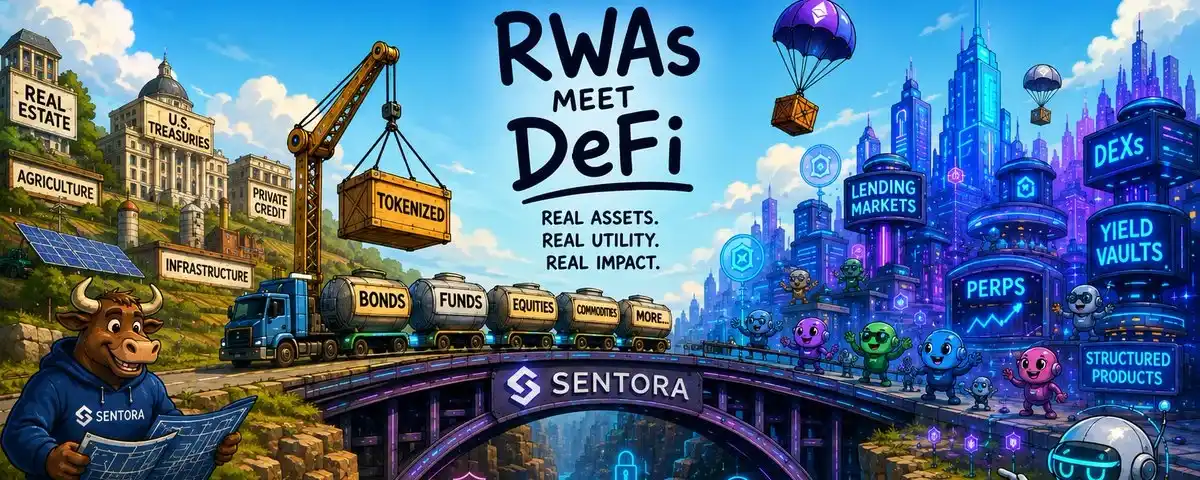
Is RWA Still Meaningful Without DeFi?

The article "Would RWA Still Matter Without DeFi?" argues that tokenizing real-world assets (RWA) alone, like putting a barcode on a container, is not transformative. True value emerges when these tokenized assets are integrated into decentralized finance (DeFi) ecosystems, enabling valuation, financing, hedging, trading, and loss management in a programmable, automated manner. Tokenization provides digital representation, but DeFi provides utility through leverage, liquidity, and composability. The core challenge lies in aligning the different "time clocks" of blockchain (fast, 24/7), traditional markets (limited hours), and asset redemption (slow processes), which creates liquidation risks and gaps. Effective RWA integration requires more than a token; it needs a full stack: legally enforceable rights, reliable data oracles, clear transfer rules, executable secondary liquidity, appropriate collateral parameters, and credible loss resolution paths. Liquidity is defined not by total value locked (TVL) but by the ability to exit a position under stress within a required timeframe. Risk management for RWAs must be modeled as a dependency graph, monitoring interconnected nodes like issuers, custodians, oracles, and liquidity pools for early warning signs beyond just price data. While tokenized government bonds serve as an initial "ping test," the future lies in more complex assets like computing power and energy, which require bespoke risk models. Tokenized stocks paired with perpetual futures present a major test, combining global equity ownership with crypto-native leverage, necessitating robust architectural safeguards like isolation and dynamic collateral rules. The conclusion is that without DeFi, RWA tokenization offers limited value—improving distribution and transparency. The significant opportunity arises when tokenized assets become functional components within open, programmable capital markets, where they can be used as collateral and facilitate complex financial strategies. The token is merely the barcode; the market operating system is the real machine.

marsbitHace 24 min(s)

Is RWA Still Meaningful Without DeFi?

marsbitHace 24 min(s)

Government Intervention in the Bond Market: What Does It Mean?

On August 19, 2026, the U.S. Treasury unexpectedly announced it would at least double the size of its long-term Treasury buyback operations, starting September 9. The move triggered an immediate market reaction, with the 30-year yield falling 9 basis points. This intervention came against a backdrop of the 30-year yield hitting a 19-year high of 5.34% the previous day, driven by persistent inflation, high oil prices, deteriorating U.S. fiscal health with public debt surpassing $40 trillion, and a global "buyers' strike" for long-dated bonds. Treasury buybacks involve the government repurchasing older, less liquid bonds from the market via reverse auctions to improve market functioning, not to reduce overall debt. While the action provided tactical relief and signaled the Treasury's willingness to intervene, analysts caution it does not address core structural issues: massive fiscal deficits, high borrowing needs, and fading demand from traditional buyers like foreign central banks. For investors, the announcement offered short-term support for long-duration bond ETFs and boosted assets like gold, which rose 2.7%. However, it's unlikely to significantly lower mortgage rates or alter the challenging environment for long-term bonds. The key takeaway is the distinction between a tactical market operation and the unresolved structural pressures that continue to push yields higher, requiring close monitoring of upcoming economic data, Treasury auctions, and potential signals of more aggressive policy measures.

marsbitHace 28 min(s)

Government Intervention in the Bond Market: What Does It Mean?

marsbitHace 28 min(s)

After 'Bessent Put', How Far Is the U.S. from Restarting QE?

Following an unscheduled announcement from the U.S. Treasury Department on August 19th, investor discussions have intensified regarding the potential for future policy interventions in long-term bond markets. The Treasury increased the maximum size of its regular buyback operations for 10-to-30 year bonds from $2 billion to $4 billion, citing a desire to improve liquidity. This move came shortly after a surge in long-term yields, with the 30-year Treasury yield briefly touching 5.34%. Market analysts, rather than focusing on the modest operational size, have interpreted the timing—outside the normal quarterly communication window—as a significant signal. The move has been dubbed the "Bessent Put," implying the market's growing expectation that Treasury officials, led by Deputy Secretary Josh Bessent, may act to prevent a disorderly rise in long-term borrowing costs. This perception represents a potential shift in the market's view of the government's "policy reaction function." The underlying pressures on long-term bonds are multifaceted, including large fiscal deficits, increased Treasury supply, a rise in corporate debt issuance for AI infrastructure (creating a "crowding out" effect), and uncertainty around foreign holdings, particularly from Japan. Geopolitical risks in the Middle East further complicate the policy landscape, potentially creating conflicting pressures between fighting inflation and managing financing costs. However, the article clarifies that this Treasury buyback program is distinct from Quantitative Easing (QE). It is a debt management operation, not a Federal Reserve balance sheet expansion. While the announcement opens the door for market speculation about more forceful tools like Yield Curve Control (YCC) or a return to QE, analysts note that conditions would need to deteriorate significantly for such measures to be implemented. For now, the "Bessent Put" reflects a change in market expectations about possible policy boundaries, not an imminent launch of new monetary stimulus.

marsbitHace 28 min(s)

After 'Bessent Put', How Far Is the U.S. from Restarting QE?

marsbitHace 28 min(s)

Trading

Spot

Artículos destacados

Qué es XRP 2.0

XRP 2.0: Una Nueva Frontera en el Panorama de las Criptomonedas Introducción a XRP 2.0 En el siempre cambiante ámbito de las criptomonedas, nuevos proyectos surgen continuamente, compitiendo por atención y adopción. Una de estas iniciativas prometedoras es XRP 2.0, un nuevo proyecto de criptomoneda diseñado para aprovechar la tecnología blockchain avanzada y metodologías de encriptación robustas. Aunque el nombre establece paralelismos con el XRP de Ripple, es crucial señalar que XRP 2.0 opera de manera independiente, enfocándose en mejorar la seguridad de las transacciones, la privacidad y la escalabilidad. A medida que el panorama financiero digital abraza cada vez más soluciones descentralizadas, XRP 2.0 busca contribuir de manera significativa a web3 y a la expansión general de los proyectos de criptomonedas. ¿Qué es XRP 2.0? En esencia, XRP 2.0 es un proyecto de criptomoneda que busca crear un ecosistema de moneda digital seguro y descentralizado. Su tecnología fundamental integra principios avanzados de blockchain con técnicas de encriptación de vanguardia. El objetivo principal de XRP 2.0 es establecerse como una plataforma confiable y eficiente que permita la ejecución rápida de transacciones mientras prioriza la protección de la privacidad de sus usuarios. El proyecto se promociona como una solución a muchas limitaciones enfrentadas por las criptomonedas existentes, proponiendo un sistema que puede manejar un mayor volumen de transacciones con mejor velocidad y privacidad. Esta versatilidad posiciona a XRP 2.0 como un competidor significativo en un mercado plagado de diversas monedas digitales. ¿Quién es el Creador de XRP 2.0? La identidad del creador detrás de XRP 2.0 ha sido señalada como 'Wilbur.' Sin embargo, los detalles completos sobre Wilbur o su entidad asociada siguen siendo elusivos. La anonimidad de muchos creadores de criptomonedas no es un fenómeno poco común en la industria, a menudo diseñado para mantener un grado de privacidad y seguridad. ¿Quiénes son los Inversores de XRP 2.0? Hasta ahora, la información específica relacionada con las fundaciones o organizaciones de inversión que apoyan a XRP 2.0 no está disponible públicamente. En el sector de las criptomonedas, el respaldo de inversores respetables puede influir significativamente en la credibilidad y el éxito de un proyecto, sin embargo, la transparencia sobre los patrocinadores financieros de XRP 2.0 no se ha establecido. ¿Cómo Funciona XRP 2.0? XRP 2.0 se destaca al emplear una combinación de tecnología blockchain y algoritmos de encriptación avanzados que aseguran transacciones seguras y descentralizadas. Su estructura innovadora incluye características únicas diseñadas para fomentar el compromiso del usuario y ampliar las funcionalidades más allá de las transacciones convencionales de criptomonedas. Entre estas características, XRP 2.0 incorpora capacidades impulsadas por IA, como funcionalidades de texto a imagen y de texto a voz. Estas adiciones están diseñadas para mejorar la experiencia interactiva de los usuarios, promoviendo una mayor aplicabilidad en diversos sectores. Al unir avances tecnológicos con un diseño centrado en el usuario, XRP 2.0 busca captar la atención de una amplia gama de individuos y empresas que buscan integrar soluciones de criptomonedas en sus marcos operativos. Cronología de XRP 2.0 Entender XRP 2.0 requiere examinar los hitos que han definido su viaje hasta ahora: 23 de julio de 2023: Se presenta XRP 2.0 como un nuevo proyecto de criptomonedas, con el objetivo de revolucionar las capacidades de transacciones seguras y descentralizadas en el ámbito de blockchain. 8 de septiembre de 2023: Se lanza otro proyecto, XRP20, marcando la aparición de un token ERC-20 en la blockchain de Ethereum que no guarda relación con XRP 2.0. 13 de noviembre de 2023: El Libro Mayor de XRP experimenta una actualización significativa con el lanzamiento de la versión 2.0.0 del software del servidor rippled. Es esencial señalar que este desarrollo está desconectado del proyecto de criptomonedas XRP 2.0. Puntos Clave sobre XRP 2.0 Para destilar la esencia de XRP 2.0, surgen varios factores críticos: Características Únicas: La inclusión de características como texto a imagen y texto a voz impulsadas por IA diversifica aún más las aplicaciones potenciales de XRP 2.0. Tecnología Blockchain: El marco utiliza mecanismos avanzados de blockchain y protocolos de encriptación, asegurando un entorno seguro y descentralizado para las transacciones. Escalabilidad y Privacidad: XRP 2.0 prioriza la protección mejorada de la privacidad en los procesos de transacción y la escalabilidad necesaria para acomodar una base de usuarios creciente. No Afiliación con Ripple: Es importante destacar que, a pesar de su nombre, XRP 2.0 no tiene ninguna lealtad ni colaboración con el XRP de Ripple, diferenciando su marco operativo y objetivos dentro del ecosistema de criptomonedas. Conclusión XRP 2.0 representa una ambiciosa aventura en la esfera de las criptomonedas, buscando ofrecer una combinación de seguridad, privacidad y eficiencia en las transacciones digitales. Al integrar tecnologías sofisticadas y características amigables para el usuario, el proyecto se propone ampliar los horizontes de lo que la criptomoneda puede lograr en la economía digital de hoy. Si bien la anonimidad de su creador y la falta de inversores revelados pueden generar cuestionamientos para algunos, el enfoque de XRP 2.0 en funcionalidades avanzadas y descentralización realza su atractivo en un mercado de criptomonedas cada vez más abarrotado. A medida que el paisaje de las criptomonedas sigue evolucionando, XRP 2.0 podría emerger como un jugador crucial en la expansión de soluciones blockchain seguras y escalables.

333 Vistas totalesPublicado en 2024.04.05Actualizado en 2024.12.03

Qué es XRP 2.0

Cómo comprar XRP

¡Bienvenido a HTX.com! Hemos hecho que comprar XRP (XRP) sea simple y conveniente. Sigue nuestra guía paso a paso para iniciar tu viaje de criptos.Paso 1: crea tu cuenta HTXUtiliza tu correo electrónico o número de teléfono para registrarte y obtener una cuenta gratuita en HTX. Experimenta un proceso de registro sin complicaciones y desbloquea todas las funciones.Obtener mi cuentaPaso 2: ve a Comprar cripto y elige tu método de pagoTarjeta de crédito/débito: usa tu Visa o Mastercard para comprar XRP (XRP) al instante.Saldo: utiliza fondos del saldo de tu cuenta HTX para tradear sin problemas.Terceros: hemos agregado métodos de pago populares como Google Pay y Apple Pay para mejorar la comodidad.P2P: tradear directamente con otros usuarios en HTX.Over-the-Counter (OTC): ofrecemos servicios personalizados y tipos de cambio competitivos para los traders.Paso 3: guarda tu XRP (XRP)Después de comprar tu XRP (XRP), guárdalo en tu cuenta HTX. Alternativamente, puedes enviarlo a otro lugar mediante transferencia blockchain o utilizarlo para tradear otras criptomonedas.Paso 4: tradear XRP (XRP)Tradear fácilmente con XRP (XRP) en HTX's mercado spot. Simplemente accede a tu cuenta, selecciona tu par de trading, ejecuta tus trades y monitorea en tiempo real. Ofrecemos una experiencia fácil de usar tanto para principiantes como para traders experimentados.

1.7k Vistas totalesPublicado en 2024.12.10Actualizado en 2026.06.02

Cómo comprar XRP

Discusiones

Bienvenido a la comunidad de HTX. Aquí puedes mantenerte informado sobre los últimos desarrollos de la plataforma y acceder a análisis profesionales del mercado. A continuación se presentan las opiniones de los usuarios sobre el precio de XRP (XRP).

活动图片