Cryptolink ATMs in Australia to be Disabled by AUSTRAC Order

cryptonews.ruPublicado a 2026-08-10Actualizado a 2026-08-10

Resumen

Cryptocurrency ATM operator Cryptolink has had its 96 terminals temporarily disabled across Australia. The Australian Transaction Reports and Analysis Centre (AUSTRAC) suspended the company's registration for three months due to repeated failures to comply with anti-money laundering and counter-terrorism financing (AML/CTF) rules. Despite a previous fine and an agreement to hire independent auditors, Cryptolink allegedly stopped reporting large transactions (over ~USD 7,000) and failed to respond to regulatory requests. The company's terminals, primarily located in Sydney, Melbourne, and Brisbane, allowed users to buy and (where enabled) sell cryptocurrency for cash, with transaction limits up to ~USD 3,530. This action is part of AUSTRAC's heightened scrutiny of the crypto sector, which it considers high-risk for financial crime. The regulator has signaled it will enforce strict compliance on all crypto service providers, including physical terminal operators.

Cryptolink ATMs are being temporarily taken offline in Australia: AUSTRAC has suspended the registration of operator Cryptolink Pty for three months and demanded the deactivation of 96 cryptocurrency terminals across the country.
Why the Regulator Halted the Cryptolink Network

The Australian Transaction Reports and Analysis Centre explained its decision by citing repeated violations of anti-money laundering and counter-terrorism financing rules. Prior to the suspension, Cryptolink Pty was an AUSTRAC-registered operator of cryptocurrency terminals in Australia. These requirements in Australia also apply to companies dealing with digital assets, including services for cryptocurrency and Bitcoin ATMs.

Back in October 2025, Cryptolink was fined 56,340 Australian dollars, or approximately 39,500 US dollars. The reasons were delays in submitting transaction reports and weak risk controls. At that time, the operator agreed with AUSTRAC to engage independent auditors, review its operations, and prepare a final report by March 2026 on how the violations would be rectified.

However, after submitting initial materials, the company stopped sending reports on transactions exceeding 10,000 Australian dollars, roughly equivalent to 7,000 US dollars. According to officials, Cryptolink also failed to respond to the regulator's requests for additional information.

How Cryptolink Terminals Operated

The Cryptolink network consists of 96 crypto ATMs. The majority of the terminals are located in Sydney, Melbourne, and Brisbane. While registration is suspended, these devices must remain switched off.

Through such terminals, users could:

  • buy cryptocurrency with cash;
  • exchange cryptocurrency for cash, if that function was enabled on a specific device;
  • conduct transactions without visiting a bank or a traditional crypto exchange.

The primary payment method was cash. Support for bank cards or other payment instruments depended on the settings of the specific service.

Key parameters of Cryptolink terminals:

  • Transaction limit: up to 5,000 Australian dollars, or about 3,530 US dollars.
  • Additional limits: daily, weekly, and monthly restrictions could depend on the operator's rules and the customer's verification level.
  • Available assets: ten cryptocurrencies.

Among the available assets were:

  • Bitcoin;
  • Ethereum;
  • Dogecoin;
  • seven other supported cryptocurrencies.

In industry terminology, such devices are called ATMs, Cryptocurrency ATMs, or Bitcoin ATMs. Their operation relies on Blockchain and Public-key cryptography mechanisms, and access to transactions may be linked to a Mobile app, a crypto wallet, and other payment instruments, including a Debit card, if such a function is provided by the specific service.

What to Consider When Searching For and Using a Crypto ATM

Since the Cryptolink network is temporarily offline, it's better to check the nearest working crypto ATM before your trip: via the operator's website, a terminal map, or a mobile app, if available.

Before a transaction, check the exchange rate, fees, and any possible currency conversion charges. Terms differ among operators and may change depending on the amount and direction of the exchange.

A purchase typically involves several steps:

  • select the cryptocurrency and amount;
  • specify the wallet address or scan a QR code;
  • deposit cash or choose another available payment method;
  • check the rate and fees, and confirm the transaction.

A sale is only possible in terminals that support cash withdrawal:

  • select the option to sell cryptocurrency;
  • send the coins to the address displayed by the terminal;
  • wait for transaction confirmation;
  • receive cash within applicable limits.

For identity verification, the operator may request a phone number and a document, such as a passport or driver's license. Higher amounts more frequently trigger additional checks and limits.

The main risks for users are an incorrect wallet address, non-transparent fees, fraudulent instructions from third parties, and operating in an unsafe location. It is safer to check the terminal's address in advance, not accept prompts from strangers, verify the amount and fees before confirmation, and use only your own wallet.

AUSTRAC Increases Pressure on the Crypto Sector

Earlier, AUSTRAC assessed risks in the Australian crypto industry and stated that over 400 crypto exchanges registered in the country, as well as more than 5,000 money transfer services, are in a high-risk zone. The regulator links these risks to the potential use of digital assets for money laundering, fraud, and terrorism financing.

The situation with Cryptolink shows that Australian authorities are prepared to apply strict measures not only to large exchanges but also to operators of physical cryptocurrency terminals if they fail to comply with reporting and transaction control requirements.

end-content

Criptos en tendencia

Preguntas relacionadas

QWhy did AUSTRAC order the temporary shutdown of Cryptolink's ATM network in Australia?

AAUSTRAC suspended the registration of the operator, Cryptolink Pty, for three months due to repeated violations of Anti-Money Laundering and Counter-Terrorism Financing (AML/CTF) rules. This included failing to submit reports on transactions above AUD 10,000 and not responding to the regulator's requests for additional information.

QWhat were the key services and operational limits of Cryptolink's cryptocurrency ATMs?

ACryptolink's ATMs allowed users to buy cryptocurrency with cash and, on some devices, exchange cryptocurrency for cash. Key operational limits included a single transaction limit of AUD 5,000 (approx. USD 3,530), with additional daily, weekly, and monthly limits depending on customer verification. The terminals supported ten cryptocurrencies, including Bitcoin and Ethereum.

QWhat specific actions and failures by Cryptolink led to the regulatory action by AUSTRAC?

AIn October 2025, Cryptolink was fined AUD 56,340 for delays in submitting transaction reports and weak risk controls. It agreed to an independent audit. However, after submitting initial materials, it subsequently stopped sending reports for transactions above AUD 10,000 and failed to respond to AUSTRAC's requests for further information, leading to the suspension.

QAccording to the article, what are the main risks for users when utilizing cryptocurrency ATMs, and how can they be mitigated?

AMain risks include sending crypto to the wrong wallet address, non-transparent fees, fraudulent instructions from third parties, and operating in unsafe locations. To mitigate these, users should verify the ATM's location in advance, never accept help from strangers, double-check the amount and fee before confirming, and only use their own wallet.

QWhat does the action against Cryptolink indicate about AUSTRAC's current stance towards the cryptocurrency sector in Australia?

AThe action indicates that AUSTRAC is intensifying pressure on the cryptocurrency sector and is willing to apply strict measures not only to large exchanges but also to operators of physical crypto ATMs. This is part of a broader effort to combat money laundering and terrorism financing risks it associates with over 400 registered crypto exchanges and 5,000 money transfer services in the country.

Lecturas Relacionadas

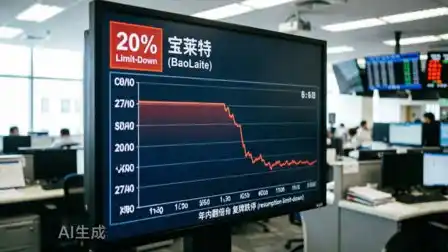
Stock Price Doubles Within the Year, Plummets 20% After Resumption, Baolai Medical's 'Chip Backdoor Listing' Script Ends

On August 10, 2026, BPL (300246.SZ) resumed trading after a nearly week-long suspension and immediately fell by a 20% limit-down. This plunge was triggered by the termination of a planned controlling stake transfer, dashing earlier market speculation. In January 2026, Zhejiang Quwei Zhihe Partnership entered as a significant shareholder, sparking hopes. Investors speculated that its backer, Weigu Information—a specialized "little giant" company in high-reliability solid-state storage chips—might be seeking a backdoor listing through BPL. This "cross-industry restructuring" expectation fueled a strong rally, with BPL's stock price more than doubling in 2026 prior to the halt. However, the deal was called off on August 7, directly causing the sharp sell-off. Underlying BPL's vulnerability is its fundamentally weak business. The company, a medical device firm, is mired in losses, having reported three consecutive years of net losses totaling over 200 million yuan. Its core hemodialysis business is squeezed by government procurement price cuts, while growth in its patient monitor segment has stalled. Furthermore, BPL faces imminent debt pressure with convertible bonds worth approximately 218 million yuan due in September 2026, and its current stock price is far below the conversion price. The failed control transfer may represent a delayed release of negative news, but BPL's core challenges remain: reversing operational losses and addressing its urgent liquidity crisis.

marsbitHace 1 hora(s)

Stock Price Doubles Within the Year, Plummets 20% After Resumption, Baolai Medical's 'Chip Backdoor Listing' Script Ends

marsbitHace 1 hora(s)

Trading

Spot

Artículos destacados

Cómo comprar ORDER

¡Bienvenido a HTX.com! Hemos hecho que comprar Orderly (ORDER) sea simple y conveniente. Sigue nuestra guía paso a paso para iniciar tu viaje de criptos.Paso 1: crea tu cuenta HTXUtiliza tu correo electrónico o número de teléfono para registrarte y obtener una cuenta gratuita en HTX. Experimenta un proceso de registro sin complicaciones y desbloquea todas las funciones.Obtener mi cuentaPaso 2: ve a Comprar cripto y elige tu método de pagoTarjeta de crédito/débito: usa tu Visa o Mastercard para comprar Orderly (ORDER) al instante.Saldo: utiliza fondos del saldo de tu cuenta HTX para tradear sin problemas.Terceros: hemos agregado métodos de pago populares como Google Pay y Apple Pay para mejorar la comodidad.P2P: tradear directamente con otros usuarios en HTX.Over-the-Counter (OTC): ofrecemos servicios personalizados y tipos de cambio competitivos para los traders.Paso 3: guarda tu Orderly (ORDER)Después de comprar tu Orderly (ORDER), guárdalo en tu cuenta HTX. Alternativamente, puedes enviarlo a otro lugar mediante transferencia blockchain o utilizarlo para tradear otras criptomonedas.Paso 4: tradear Orderly (ORDER)Tradear fácilmente con Orderly (ORDER) en HTX's mercado spot. Simplemente accede a tu cuenta, selecciona tu par de trading, ejecuta tus trades y monitorea en tiempo real. Ofrecemos una experiencia fácil de usar tanto para principiantes como para traders experimentados.

291 Vistas totalesPublicado en 2024.12.10Actualizado en 2026.06.02

Cómo comprar ORDER

Discusiones

Bienvenido a la comunidad de HTX. Aquí puedes mantenerte informado sobre los últimos desarrollos de la plataforma y acceder a análisis profesionales del mercado. A continuación se presentan las opiniones de los usuarios sobre el precio de ORDER (ORDER).

活动图片