Frequent Trading Halts in the Korean Stock Market: Is a Global Financial Crisis Really Coming?

marsbitPublicado a 2026-07-29Actualizado a 2026-07-29

Resumen

**Title: Frequent Circuit Breakers in South Korean Stock Market: Is a Global Financial Crisis Imminent?** This article examines the recent spate of trading halts in South Korea's stock market as a potential early warning sign for broader global financial instability. The author argues that due to its highly open and liquid capital markets with significant foreign ownership, South Korea often acts as the world's "spare cash pool." International institutions tend to sell their highly liquid Korean holdings first during global liquidity crunches to raise capital for domestic needs, irrespective of Korea's own economic fundamentals. Historically, Korean market stress preceded major crises like the 1997 Asian Financial Crisis, the 2000 Dot-com crash, the 2008 Global Financial Crisis, and the 2020 pandemic crash. The current trigger involves a semiconductor bubble and high domestic leverage, but the core issue is global capital withdrawal signaling tightening liquidity. Whether this evolves into a full-blown crisis hinges on the US Federal Reserve. If the Fed can and will intervene with supportive policies (like rate cuts), a crisis might be averted as in 2020. If not, contagion could spread. For individual investors, the key takeaway is not predicting the crisis but preparing for volatility. Recommendations include: avoiding high leverage, maintaining a significant cash reserve (e.g., 40%) for buying opportunities during market declines, and holding core long-term positions (e...

Author: SOL, The Perplexed

Is a Global Financial Crisis on the Horizon? It Sure Looks Like It!

1/ The storage market continues to crash, and the Korean stock market keeps hitting circuit breakers. Many see it as a joke, attributing it to excessive local leverage. But if you review the history of global financial crises over the past thirty years, you'll notice a pattern: in every major crisis, South Korea is always the first to fall.

2/ During the 2020 pandemic-induced market crash, the South Korean KOSPI had already dropped 35% three weeks before the four circuit breakers in the US stock market.

Two months before the Lehman Brothers collapse in 2008, South Korea was already experiencing a dollar shortage.

Before the Nasdaq crash in 2000, Samsung and SK Hynix revised their forecasts downward, signaling the peak of the Korean semiconductor industry. In the 1997 Asian financial crisis, South Korea was the first core economy to be breached.

3/ This is no coincidence. South Korea's capital market is almost completely open, with foreign ownership consistently exceeding 30%. Companies like Samsung and SK Hynix are among the world's most liquid assets. Funds flow freely, with ample buying support, allowing for quick execution of large sell orders.

4/ Therefore, South Korea has become a "backup cash pool" for global capital. European and American institutions usually seek returns in Korea. Once domestic liquidity tightens, margin calls loom, or debts come due, their first instinct is to sell overseas holdings and repatriate funds to fight fires at home.

5/ The priority is clear: protect the home market first, then abandon the periphery; sell liquid assets first, then tackle hard-to-sell ones. This has little to do with whether the Korean economy is strong or if its stock market is in a bubble; it's purely a capital preservation instinct.

6/ This time, the trigger in Korea is the semiconductor bubble combined with leverage. On average, every Korean has two stock trading accounts, and one out of every three trades is on margin. When foreign capital withdraws, domestic leveraged positions trigger a chain reaction of forced liquidations, leading to relentless circuit breakers. There have been 35 programmatic halts and 5 market-wide halts since the beginning of the year, already breaking the 2008 record.

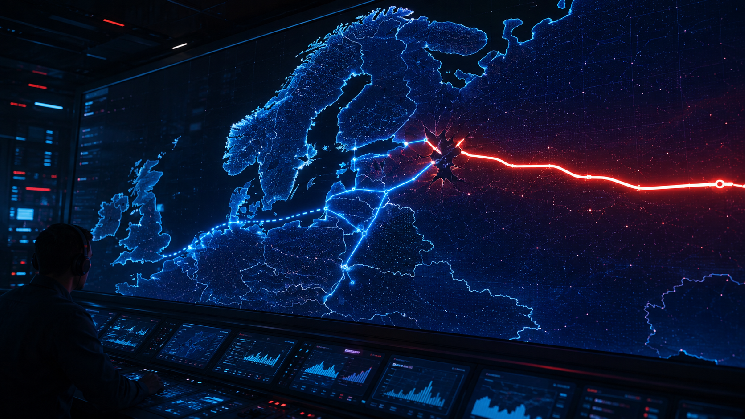
7/ But Korea's problem is not Korea's alone. It's an early warning signal of global liquidity tightening. When global capital starts withdrawing from overseas markets, Korea is the first point of bleeding, and the shockwave then spreads outward along the chain of capital and industry.

8/ In the four historical crises, the triggers were different, but the underlying logic was the same: a liquidity gap first appears in Europe and the US, capital is pulled from Korea, Korea collapses first, then the contagion spreads to the Asia-Pacific, commodities, emerging markets, and finally back to Europe and the US.

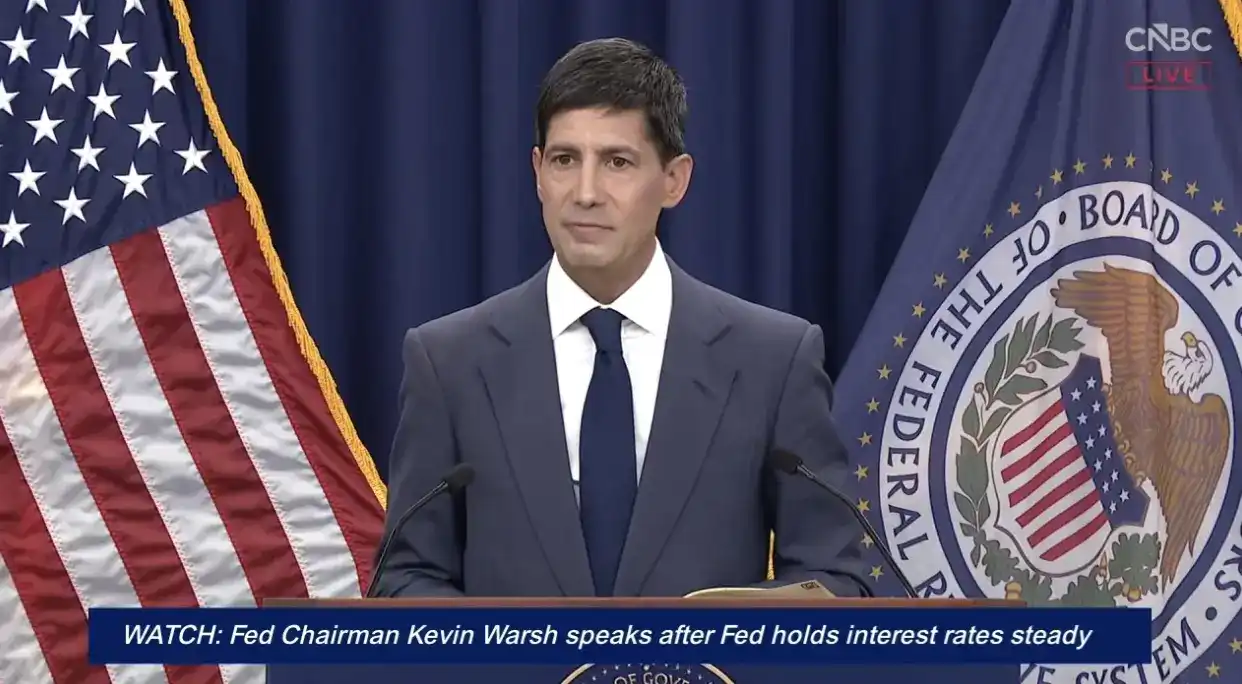
9/ Will this escalate into a global financial crisis? The key variable is not Korea, but the United States. In 2020, the Federal Reserve forcefully suppressed the crisis with unlimited easing and zero interest rates. What about this time? If the Fed can still cut rates and provide liquidity, the market might be propped up as it was in 2020. If the Fed continues raising rates or is slow to act, then the real crisis might just be beginning.

10/ So my judgment: Korea's circuit breakers are a warning, not a conclusion. Whether a financial crisis arrives depends on whether the Fed still has ammunition and is willing to use it. Both are uncertain right now.

11/ For ordinary people, the most important thing in times like these is not to predict the crisis, but to control your position. Never be fully invested, and certainly don't use leverage. Always keep a portion of your portfolio in cash, because true wealth-building opportunities often emerge during the most panicked moments.

12/ My approach: A core position of 60% is in the S&P 500 and Nasdaq 100, held long-term without trading. The remaining 40% is cash or short-term bonds, specifically for adding to positions when the indices drop 15%, 30%, or 40%. It's not about timing the bottom; it's about executing a plan.

13/ Historical data is clear: After every major crisis, the Nasdaq 100 and S&P 500 have reached new all-time highs. 1987, 2000, 2008, 2020, 2022—no exceptions. Crises are not the enemy of long-term investors; they are opportunities.

14/ So I'm not afraid of crises. What I fear is having no cash to add to positions when a crisis hits. I fear even more panicking during a crisis and selling at a loss, handing over bloodied chips to others.

15/ Korea's circuit breakers are an alarm bell, not a signal to sell everything. They remind you to check your positions, control leverage, and preserve cash. The real winners are not those who predict crises, but those who can hold their chips during a crisis and have ammunition to buy more.

So the question arises: Can you invest in the S&P 500 and Nasdaq now?

1/ Conclusion first: Yes, but not all-in. You can buy now, but not with the blind confidence of three years ago. High valuations are a fact, but high valuations don't mean the end is nigh; they only mean future returns will be compressed.

2/ The Buffett Indicator for the S&P 500 is at 236%, the Shiller CAPE is at 41x, Buffett has been a net seller for 13 consecutive quarters, and cash reserves are at an all-time high.

All these data points say the same thing: it's not cheap right now.

3/ But cheap and good investment are two different things. In 2000, the CAPE was at 44x, and the S&P 500's annualized return for the next decade was indeed negative. But in 1996, when the CAPE was 25x, people also called it expensive, and the S&P 500 proceeded to rise 80% over the next three years. Those waiting for a crash often end up missing the rally, not finding an opportunity.

4/ What do high valuations mean? They mean the likely 10-year annualized return will probably drop from 10% to 2%-5%, or even lower. But it doesn't necessarily mean a crash is imminent. The market can churn at high levels for many years, digesting valuations over time rather than through a collapse.

5/ So the question "Can I buy?" depends on your time horizon. If you plan to hold for three years, the risk-reward ratio is indeed poor now. If you plan to hold for twenty years, today's valuation is just noise at the start of your journey.

6/ Historical data is clear: Buying the S&P 500 at any point and holding for 20 years yields a median annualized return of over 7%. Even buying at the absolute peak in 2000 would have doubled your money by 2020. What you should fear is not buying at a high point, but not having any position at all.

7/ But we can't ignore risk. CPI exceeding expectations again, the Fed resuming rate hikes, disappointing AI commercialization, a consumer recession, escalating geopolitics—any of these could cause the S&P 500 to drop 20%, 30%, or 40%.

The question is, which of these can you predict? If you can't predict them, then your strategy cannot be built on "waiting for a big crash."

8/ The biggest problem with waiting for a crash is not missing it, but being too scared to buy when it finally arrives. How many people shouted about waiting for the crash in March 2020, only to sell in panic when it actually happened? Human nature is like that; don't overestimate yourself.

9/ So what to do? If you have a position, keep holding it, but don't aggressively add more. Especially if your Nasdaq exposure is too heavy, consider shifting some to the S&P 500, dividend ETFs, or short-term bonds to reduce portfolio volatility. This isn't bearishness; it's rebalancing.

10/ If you have no position, don't go all-in, but don't stay completely in cash either. Dollar-cost averaging is the least exciting but most correct strategy. Spread your purchases over 10 to 15 months, investing a fixed amount into the S&P 500 and Nasdaq 100 each month. Buy more if it falls, buy less if it rises. After all, you're investing for twenty years, not twenty days.

11/ As for the Nasdaq, be a bit more cautious. The tech industry is winner-takes-all, but the winners keep changing. A decade ago, the top ten in the Nasdaq included Intel, Cisco, and Qualcomm; they're not there now. Today you're betting on Nvidia, Microsoft, Tesla; in twenty years, it might be a different batch. The advantage of the Nasdaq 100 is its automatic reconstitution; the downside is much higher volatility than the S&P 500.

12/ So my personal allocation strategy: Core position of 60% S&P 500, 20% Nasdaq 100, and 20% cash or short-term bonds. The cash isn't for waiting for a crash; it's for waiting for opportunities. When real opportunities appear, you need money to pick up the chips.

13/ One final point: Price determines the rate of return, but time determines whether you can achieve that return. Buying great companies when they're expensive leads to mediocre short-term returns; buying great companies when they're cheap—you might never get the chance. Ordinary investors shouldn't obsess over buying at the absolute bottom; first, ensure you're always in the game.

14/ Holding cash isn't painful, but being completely out of the market is even more painful. Because you never know when to get back in. The best strategy isn't market timing; it's this: Always be in the game, always have ammunition, and never panic.

Stay strong, brothers!

Criptos en tendencia

Preguntas relacionadas

QWhy does the author consider the South Korean market a warning signal for global financial crises?

AThe author identifies South Korea as a global "spare cash pool" due to its fully open capital markets and high foreign ownership (over 30%). Its highly liquid stocks like Samsung are often the first to be sold by global institutions when they face domestic liquidity pressure, making Korea a leading indicator of capital flight and global stress.

QAccording to the article, what determines whether the current situation could evolve into a full-blown global financial crisis?

AThe key determinant is the actions of the US Federal Reserve. The author states that if the Fed still has the ability and willingness to cut interest rates and provide liquidity, the crisis could be contained like in 2020. If the Fed continues tightening or hesitates to act, the real crisis could begin.

QWhat investment strategy does the author personally recommend in light of the current market warning signs?

AThe author recommends a core portfolio of 60% in broad US indices like the S&P 500 and Nasdaq 100, held long-term without panic selling. The remaining 40% should be kept as cash or short-term bonds, ready to buy during planned market dips (e.g., drops of 15%, 30%, 40%) rather than attempting to predict the bottom.

QWhat is the author's main advice for someone who currently has no investment in US indices like the S&P 500?

AThe advice is to neither go all-in nor stay completely out of the market. Instead, implement a dollar-cost averaging strategy: invest a fixed amount over 10-15 months into indices like the S&P 500 and Nasdaq 100, buying more when prices fall and less when they rise, with a long-term horizon of 20 years.

QWhat is the fundamental problem with a strategy of waiting for a major market crash before investing, according to the article?

AThe biggest problem is not necessarily missing the crash, but the human tendency to panic and sell or be too fearful to buy when the crash actually happens. The author points to March 2020 as an example where many who claimed to be waiting for a crash ended up selling instead, making a strategy based on perfect market timing ineffective.

Lecturas Relacionadas

After R&D Investment Catches Up with the U.S., Is the Sino-U.S. Chip Competition Still Just About Money?

The article examines the significance of recent data showing China's total R&D expenditure, measured by purchasing power parity (PPP), catching up to or slightly surpassing that of the United States in 2024. It argues that while this milestone reflects China's immense capacity to mobilize research resources, the competition in semiconductors now extends far beyond sheer financial input. The analysis highlights key differences: China's R&D is heavily skewed towards experimental development (over 80%), focusing on product engineering and industrialization, whereas the U.S. allocates a proportionally larger share (about 15%) to basic research. Furthermore, leading U.S. semiconductor firms reinvest a significant portion of their substantial global sales revenue into R&D, creating a sustainable commercial innovation cycle that is difficult to replicate. The article emphasizes that semiconductor progress depends on converting R&D into commercially viable products that pass rigorous customer validation and achieve repeat orders, not just on spending levels. It concludes that as China enters the top tier of R&D spenders, the critical challenges shift to improving resource allocation efficiency, fostering long-term basic research, and building effective mechanisms to bridge the gap between laboratory discoveries and reliable, market-ready industrial capabilities.

marsbitHace 39 min(s)

After R&D Investment Catches Up with the U.S., Is the Sino-U.S. Chip Competition Still Just About Money?

marsbitHace 39 min(s)

Top 10% of American Households Capture 88% of Wealth, How Is the AI Era Cake Divided?

AI Worsens Wealth Inequality as Top 10% of US Families Garner 88% of Stock Gains (2019-2026) A report from the China Finance 40 Forum highlights that the AI boom is significantly widening wealth inequality in the United States. From 2019 to Q1 2026, wealth from directly held stocks by US households nearly doubled from $29 trillion to approximately $55 trillion, with rapid growth concentrated post-2023, coinciding with the AI-driven stock market surge. The distribution of these gains has been starkly uneven. Between 2022 and Q1 2026, the wealth increase of about $21 trillion was captured almost entirely by the wealthiest families: the top 10% secured roughly 88% ($18.5 trillion), while the bottom 50% received only about 1% ($0.2 trillion). This has contributed to a growing disparity in disposable income shares. The report, referencing economic historian Robert Allen, draws parallels to historical technological shifts like the "Engels' Pause" during the First Industrial Revolution, where worker wages stagnated despite productivity gains. It suggests AI could induce a similar period where capital收益 outpace labor income, exacerbating inequality. Huang Yiping of Peking University identifies four mechanisms through which AI impacts income distribution: capital-bias (reducing labor's income share), task polarization (hollowing out middle-skill jobs), skill-based digital divides, and wealth amplification through assets. He warns that if this trend continues, strong supply growth driven by AI could be undermined by persistently weak consumer demand, threatening sustainable economic growth. To address these challenges, the report proposes a three-pronged strategy: 1) Defensive measures like strengthening social safety nets and antitrust enforcement; 2) Empowering workers through education reform and lifelong learning to collaborate with AI; and 3) Rebalancing via policies such as potential taxes on AI超额收益 and mechanisms for broader sharing of technology's benefits, ensuring AI's红利 are more equitably distributed.

marsbitHace 45 min(s)

Top 10% of American Households Capture 88% of Wealth, How Is the AI Era Cake Divided?

marsbitHace 45 min(s)

Trading

Spot

Artículos destacados

Qué es SOLANA

HarryPotterWifHatMyroWynn10Inu,$solana: Un Análisis del Trendy Meme Coin Project Introducción En el paisaje en constante evolución de las criptomonedas, proyectos innovadores emergen continuamente, capturando la imaginación de inversores y entusiastas por igual. Uno de estos proyectos es HarryPotterWifHatMyroWynn10Inu,$solana, una meme coin que ha comenzado a tallar su nicho dentro de la comunidad cripto. Este artículo tiene como objetivo proporcionarte una visión completa del proyecto, elucidando su propósito, arquitectura, creador, inversores y hitos notables a lo largo del viaje. ¿Qué es HarryPotterWifHatMyroWynn10Inu,$solana? Resumen HarryPotterWifHatMyroWynn10Inu,$solana es un proyecto de meme coin estructurado en la blockchain de Solana, una plataforma reconocida por su escalabilidad y velocidad. Con el objetivo de traer alegría y creatividad al espacio cripto, este proyecto no solo sirve como un token de intercambio, sino también como un catalizador para la generación y el intercambio de contenido de memes. La comunidad en su núcleo es alentada a participar activamente, proporcionando un ecosistema dinámico donde la creatividad y la colaboración prosperan. Metas y Objetivos En su esencia, el proyecto tiene como objetivo fomentar un ambiente donde los entusiastas de los memes puedan congregarse, compartir y crear contenido de memes novedoso. Este enfoque impulsado por narrativas infunde emoción dentro de la comunidad, impulsando el compromiso mientras simultáneamente arroja luz sobre las robustas funcionalidades inherentes a la blockchain de Solana. Al construir un proyecto centrado en la comunidad, HarryPotterWifHatMyroWynn10Inu,$solana también desea explorar el impacto social de las monedas digitales como un medio de expresión. ¿Quién es el Creador de HarryPotterWifHatMyroWynn10Inu,$solana? La identidad del creador detrás de HarryPotterWifHatMyroWynn10Inu,$solana permanece rodeada de misterio. El proyecto ha sido estructurado de tal manera que se ha renunciado a la propiedad; por lo tanto, prospera como una iniciativa liderada por la comunidad. Esta descentralización promueve la transparencia y la participación democrática entre todos los interesados involucrados. Tal enfoque es cada vez más popular en el mundo de las meme coins, donde el compromiso de la comunidad reina supremo. ¿Quiénes son los Inversores de HarryPotterWifHatMyroWynn10Inu,$solana? Hasta ahora, no hay información públicamente disponible acerca de los inversores específicos o fundaciones que respaldan HarryPotterWifHatMyroWynn10Inu,$solana. La ausencia de inversores conocidos enfatiza aún más la ética orientada a la comunidad del proyecto, ya que se mantiene independiente de los marcos financieros tradicionales. Esta independencia permite que el proyecto desarrolle su identidad libre de presiones externas, confiando en cambio en el interés colectivo de su base de usuarios. ¿Cómo Funciona HarryPotterWifHatMyroWynn10Inu,$solana? Modelo Económico El proyecto emplea un modelo económico único que fundamenta su funcionalidad y engagement de usuarios. Las transacciones dentro de HarryPotterWifHatMyroWynn10Inu,$solana están diseñadas para ser beneficiosas para todas las partes involucradas. Cada operación incurre en una tarifa, que se redistribuye entre los actuales poseedores, al mismo tiempo que se impulsa el fondo de liquidez. Los componentes clave de este modelo incluyen: Mecanismo de Reflexión: Una porción de las tarifas de transacción se devuelve a los poseedores, promoviendo la inversión a largo plazo en el token. Adquisición de Fondo de Liquidez: Los fondos se asignan para mejorar la liquidez, asegurando que las operaciones de compra y venta se puedan ejecutar sin problemas. Mecanismos de Quema: Una porción de los tokens puede ser quemada para crear escasez, potencialmente aumentando su valor a medida que la demanda aumenta. Este diseño fomenta un ecosistema autosostenible que prospera a partir de interacciones comunitarias e inversión. Compromiso de la Comunidad En el corazón de HarryPotterWifHatMyroWynn10Inu,$solana está el valor atribuido al compromiso de la comunidad. Al permitir que los usuarios participen en el desarrollo del proyecto a través de diversas actividades, como la creación de memes y promociones, el proyecto fomenta un ecosistema vibrante donde la creatividad puede florecer. Línea de Tiempo de HarryPotterWifHatMyroWynn10Inu,$solana La trayectoria de HarryPotterWifHatMyroWynn10Inu,$solana presenta varios eventos notables que han moldeado su posición actual en la comunidad cripto: Creación: La fecha específica de creación permanece no divulgada, pero la aparición del proyecto está arraigada en la cultura meme que permea la era digital. Toma de Control de la Comunidad: Tras la renuncia de propiedad por parte de su creador, el proyecto transicionó a un modelo liderado por la comunidad, permitiendo que todos los participantes tuvieran un interés en su éxito. Auditoría y Colección de NFT: En un intento por fortalecer su credibilidad, el proyecto completó una auditoría exhaustiva, lanzando simultáneamente una colección de NFT que sirve para encarnar su ética centrada en los memes. Asociaciones y Desarrollo: El proyecto está actualmente en proceso de buscar asociaciones potenciales con otros tokens y organizando el desarrollo de un sitio web único y opciones de merchandising basadas en sus memes legendarios. Puntos Clave En resumen, HarryPotterWifHatMyroWynn10Inu,$solana se erige como un jugador notable dentro del sector de meme coins de las criptomonedas. Aquí hay algunos de los puntos clave: Iniciativa Liderada por la Comunidad: El proyecto prospera como un esfuerzo colaborativo, fomentando contribuciones activas de los miembros de su comunidad mientras se desacopla de reclamos de propiedad. Modelo Económico Innovador: Utilizando mecanismos de reflexión, adquisición de liquidez y quema, crea un entorno financiero robusto y atractivo para los usuarios. Compromiso con NFT y Mercancía: Con el lanzamiento de una colección de NFT, el proyecto busca profundizar el compromiso en su comunidad, reforzando el vínculo entre la cultura meme y la moneda digital. Exploración de Asociaciones: La iniciativa no es estática; el desarrollo continuo y posibles asociaciones indican un enfoque proactivo orientado al crecimiento sostenido. Conclusión A medida que HarryPotterWifHatMyroWynn10Inu,$solana continúa ganando tracción dentro del paisaje de las criptomonedas, su combinación única de compromiso comunitario, estructuras económicas innovadoras e integración de la cultura meme destaca su potencial camino hacia adelante. Incluso con el misterio que rodea sus orígenes y afiliaciones de inversionistas, el proyecto captura una historia intrigante que habla de la esencia de la innovación descentralizada. En un mundo donde las criptomonedas a menudo se ven a través de una lente puramente financiera, HarryPotterWifHatMyroWynn10Inu,$solana demuestra que el movimiento cripto incorpora creatividad, comunidad y colaboración. Ya seas un inversionista experimentado o un recién llegado, el viaje en desarrollo de este proyecto de meme coin ciertamente sirve como un estudio de caso atractivo digno de atención.

933 Vistas totalesPublicado en 2024.04.04Actualizado en 2024.12.03

Qué es SOLANA

Qué es SOLANA 2.0

BarbieCrashBandicootRFK777Inu, $SOLANA 2.0: Un Nuevo Jugador en el Paisaje Cripto Introducción a BarbieCrashBandicootRFK777Inu, $SOLANA 2.0 En el paisaje en constante evolución de las criptomonedas, nuevos entrantes están captando continuamente la atención de inversores y entusiastas por igual. Entre estos proyectos emergentes se encuentra BarbieCrashBandicootRFK777Inu, representado por el símbolo de criptomoneda $SOLANA 2.0. Esta iniciativa única combina elementos de glamour, aventura y cultura meme, proponiéndose desafiar expectativas en una arena altamente competitiva. Con aspiraciones de crecimiento e innovación, este proyecto captura el espíritu de un desvalido luchando contra gigantes establecidos. ¿Qué es BarbieCrashBandicootRFK777Inu, $SOLANA 2.0? En su esencia, BarbieCrashBandicootRFK777Inu es un proyecto de criptomonedas que se inspira en diversas referencias culturales icónicas. Incluyendo la elegancia y el encanto asociados a Barbie, la energía dinámica de Crash Bandicoot y la implacable determinación representada por RFK, el proyecto tiene como objetivo ofrecer una experiencia multifacética en el mundo de las criptomonedas. El objetivo principal del proyecto BarbieCrashBandicootRFK777Inu es fusionar estos elementos dispares en un ecosistema cohesivo que atraiga a una amplia audiencia. Al abrazar la fantasía de la cultura meme mientras se mantiene fundamentado en los principios de descentralización y empoderamiento financiero, el proyecto se ha posicionado como una opción atractiva tanto para inversores experimentados como para novatos en el mundo cripto. ¿Quién es el Creador de BarbieCrashBandicootRFK777Inu, $SOLANA 2.0? A pesar del creciente interés en BarbieCrashBandicootRFK777Inu, la información sobre su creador sigue siendo en gran parte desconocida. El anonimato de su fundador o equipo de desarrollo plantea preguntas sobre la estructura y gobernanza del proyecto. En el mundo de las criptomonedas, no es inusual que los proyectos operen sin creadores que se presenten públicamente. Esta falta de información podría disuadir a algunos inversores potenciales, mientras que otros podrían verlo como una oportunidad para abrazar el espíritu de descentralización que subyace en muchas iniciativas de criptomonedas. ¿Quiénes son los Inversores de BarbieCrashBandicootRFK777Inu, $SOLANA 2.0? Hasta ahora, hay escasa información disponible sobre las fundaciones o organizaciones de inversión que apoyan a BarbieCrashBandicootRFK777Inu. La falta de respaldo de inversión detallada del proyecto resalta la naturaleza independiente de numerosas criptomonedas. En este caso, queda por ver si el financiamiento del proyecto provendrá del apoyo comunitario de base o del respaldo de entidades financieras más grandes. ¿Cómo Funciona BarbieCrashBandicootRFK777Inu, $SOLANA 2.0? BarbieCrashBandicootRFK777Inu está diseñado con una serie de características que contribuyen a su singularidad dentro del abarrotado espacio cripto. Aunque los detalles técnicos específicos siguen siendo confidenciales, se espera que el proyecto incorpore funciones destinadas a mejorar la participación del usuario y fomentar el crecimiento de la comunidad. La combinación de influencias variadas—desde la moda y la aventura hasta los videojuegos—fomenta una atmósfera inclusiva que satisface diversos intereses. Además, los lazos del proyecto con el ecosistema $SOLANA 2.0 sugieren posibles ventajas tecnológicas. Esto podría incluir velocidades de transacción innovadoras, escalabilidad y rentabilidad, alineándose con las capacidades técnicas de la cadena de bloques Solana. Los fundadores del proyecto parecen estar aprovechando esta base tecnológica para crear una experiencia comunitaria duradera y una oferta de productos sustancial. Línea de Tiempo de BarbieCrashBandicootRFK777Inu, $SOLANA 2.0 El viaje de BarbieCrashBandicootRFK777Inu contiene varios hitos clave, proporcionando información sobre el desarrollo del proyecto hasta ahora: Conceptualización del Proyecto: Surgieron ideas iniciales en torno a la fusión de glamour, aventura y cultura meme, proporcionando el marco para el concepto único del proyecto. Creación del Token: Se estableció el token simbólico $SOLANA 2.0, diseñado para encarnar las aspiraciones del proyecto y atraer el interés de potenciales inversores. Desarrollo del Proyecto: Actualmente, el proyecto está en proceso de desarrollo adicional, con énfasis en desafiar a los jugadores establecidos en el espacio cripto y ofrecer propuestas innovadoras. Estos hitos reflejan la trayectoria de crecimiento del proyecto mientras resaltan su compromiso con el desarrollo de una experiencia de criptomonedas pionera. Puntos Clave sobre BarbieCrashBandicootRFK777Inu, $SOLANA 2.0 Concepto Único: BarbieCrashBandicootRFK777Inu se destaca por fusionar elementos de glamour, aventura y cultura meme en un solo proyecto de criptomoneda. Espíritu de Desvalido: El proyecto adopta una personalidad de desvalido, con el objetivo de desafiar a proyectos de criptomonedas establecidos y buscar un nicho en la industria. Fase de Desarrollo: Se están llevando a cabo esfuerzos activos de desarrollo, con la intención de proporcionar ofertas frescas e innovadoras en alineación con las expectativas de la comunidad y los inversores por igual. Conclusión BarbieCrashBandicootRFK777Inu, representado por el símbolo $SOLANA 2.0, es un nuevo participante intrigante en el mercado de criptomonedas. Su combinación única de referencias culturales y visión ambiciosa puede resonar con aquellos que buscan valores alternativos en el paisaje cripto. Si bien el estatus desconocido de su creador e inversores puede levantar cejas, el énfasis del proyecto en el encanto y la aventura presenta una narrativa cautivadora que expande los límites de lo que las criptomonedas pueden encarnar. A medida que el proyecto continúa desarrollándose, será interesante observar su evolución dentro del amplio paisaje cripto y cómo se posiciona entre sus competidores. Para aquellos involucrados, BarbieCrashBandicootRFK777Inu puede desbloquear experiencias sorprendentes que redefinen la interacción con los activos digitales. Por ahora, mientras el proyecto avanza, su viaje se mantiene como un recordatorio de que la innovación en el espacio cripto no conoce límites, ofreciendo todo, desde emoción y entretenimiento hasta el potencial para el empoderamiento financiero.

207 Vistas totalesPublicado en 2024.04.06Actualizado en 2024.12.03

Qué es SOLANA 2.0

Cómo comprar SOL

¡Bienvenido a HTX.com! Hemos hecho que comprar Solana (SOL) sea simple y conveniente. Sigue nuestra guía paso a paso para iniciar tu viaje de criptos.Paso 1: crea tu cuenta HTXUtiliza tu correo electrónico o número de teléfono para registrarte y obtener una cuenta gratuita en HTX. Experimenta un proceso de registro sin complicaciones y desbloquea todas las funciones.Obtener mi cuentaPaso 2: ve a Comprar cripto y elige tu método de pagoTarjeta de crédito/débito: usa tu Visa o Mastercard para comprar Solana (SOL) al instante.Saldo: utiliza fondos del saldo de tu cuenta HTX para tradear sin problemas.Terceros: hemos agregado métodos de pago populares como Google Pay y Apple Pay para mejorar la comodidad.P2P: tradear directamente con otros usuarios en HTX.Over-the-Counter (OTC): ofrecemos servicios personalizados y tipos de cambio competitivos para los traders.Paso 3: guarda tu Solana (SOL)Después de comprar tu Solana (SOL), guárdalo en tu cuenta HTX. Alternativamente, puedes enviarlo a otro lugar mediante transferencia blockchain o utilizarlo para tradear otras criptomonedas.Paso 4: tradear Solana (SOL)Tradear fácilmente con Solana (SOL) en HTX's mercado spot. Simplemente accede a tu cuenta, selecciona tu par de trading, ejecuta tus trades y monitorea en tiempo real. Ofrecemos una experiencia fácil de usar tanto para principiantes como para traders experimentados.

2.0k Vistas totalesPublicado en 2024.12.12Actualizado en 2026.06.02

Cómo comprar SOL

Discusiones

Bienvenido a la comunidad de HTX. Aquí puedes mantenerte informado sobre los últimos desarrollos de la plataforma y acceder a análisis profesionales del mercado. A continuación se presentan las opiniones de los usuarios sobre el precio de SOL (SOL).

活动图片