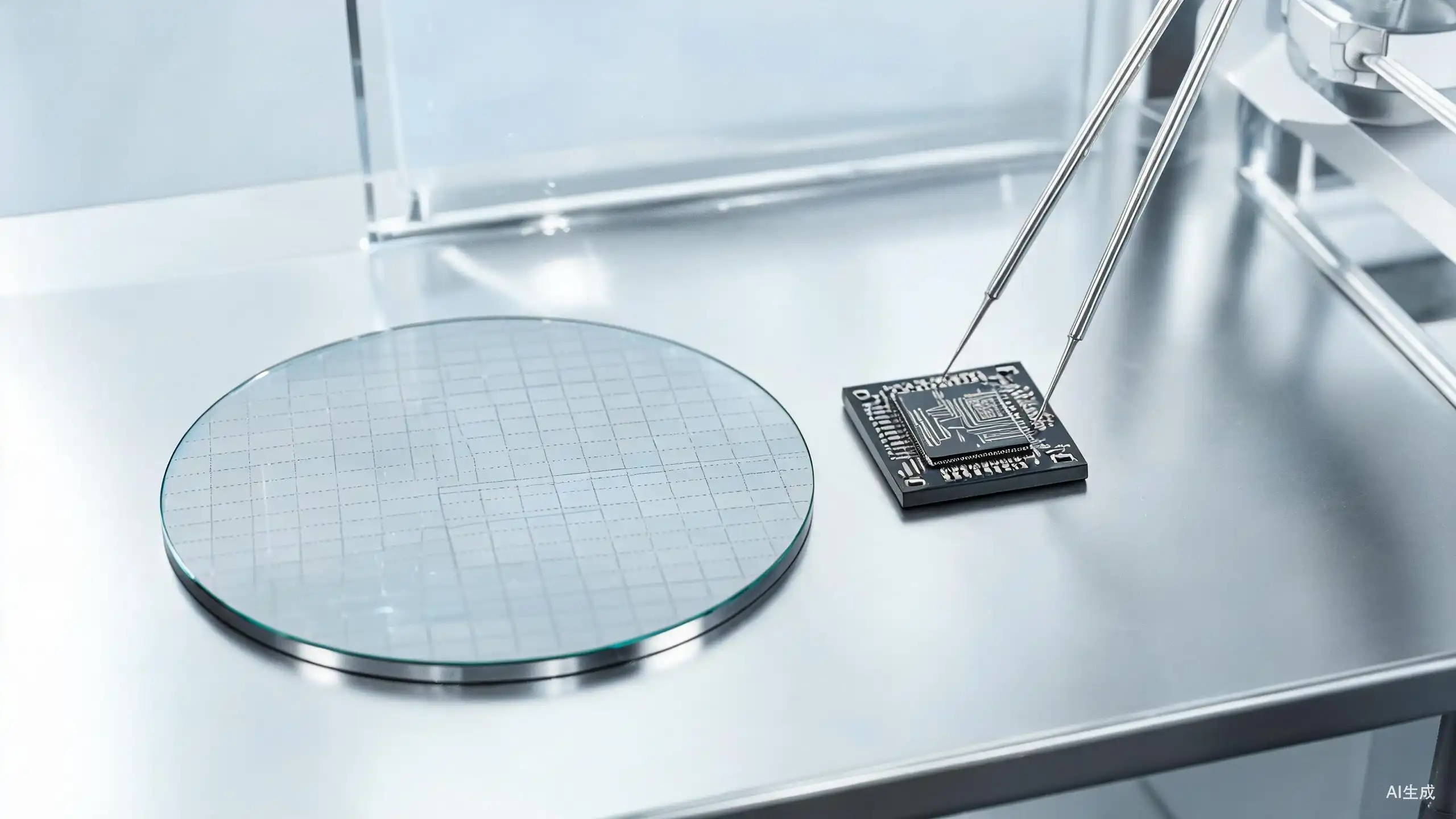
Automotive Chips Initiate a New Round of Game
After two years of deep inventory correction, the global automotive semiconductor industry is signaling a turning point in the second half of 2026, entering a structural upcycle. Unlike the broad-based shortages of 2022, this recovery is characterized by significant divergence across different chip segments, driven by 800V high-voltage platforms, high-level autonomous driving, and ongoing localization of supply chains in China.
The industry-wide destocking cycle has concluded, with inventory levels at automakers and Tier 1 suppliers returning to healthy ranges. Key indicators, including rising OEM orders, lengthening component lead times, improving vendor revenues, and the initiation of price hikes by major suppliers like Infineon and Texas Instruments, confirm the start of a replenishment cycle.
Segments are diverging into three tiers based on demand and supply dynamics. The first and strongest tier includes Silicon Carbide (SiC), high-voltage IGBTs, and automotive power management chips, fueled by the rapid adoption of 800V platforms. The second tier, experiencing a moderate recovery, comprises high-end 32-bit MCUs and automotive NOR Flash/DRAM, benefiting from advanced compute domains and AI-driven capacity constraints on mature nodes. The third tier, consisting of low-voltage MOSFETs and basic body electronics, remains stable with ample supply.
The core growth logic has shifted from pure vehicle sales volume to increasing semiconductor content per vehicle. This is propelled by the transition to domain/centralized E/E architectures, software-defined vehicles, and new applications like commercial vehicle electrification and V2X communications. While the domestic Chinese supply chain is seizing this window for localization, risks remain, including potential softness in end-demand, future SiC oversupply, and possible easing of 8-inch wafer capacity constraints. In the near term, key segments are expected to see simultaneous volume and price increases, with the industry's cyclicality gradually giving way to more prominent long-term growth characteristics.
marsbitHace 15 min(s)