埃里克·特朗普设定一个“超越灾难”的标准来出售比特币——我们离那有多远?

bitcoinistPublicado a 2026-05-25Actualizado a 2026-05-25

Resumen

埃里克·特朗普(Eric Trump)作为美国比特币公司(American Bitcoin Corp.)的联合创始人兼首席战略官,近日在接受采访时明确了他的比特币出售条件——门槛被设定为“超越灾难性”的事件。这意味着,在几乎所有可预见的市场情景下,他都不会出售比特币,这更像是一个长期持有的哲学承诺,而非风险管理政策。 特朗普指出,比特币储备领域存在两场竞赛:一是争夺最大比特币持有量,二是追求最低获取成本。出售比特币会立即在第一场竞赛中失利,并破坏第二场竞赛的逻辑。该公司的核心指标是提升“每股聪数”,即每流通股所代表的比特币数量,而出售会稀释这一指标。只有持续挖矿并保留比特币,才能使积累模型发挥作用。 特朗普赞扬了迈克尔·塞勒(Michael Saylor)在比特币储备领域的开拓作用,但也指出了关键区别:塞勒近期暗示微策略(MicroStrategy)可能出售部分比特币用于支付股息,显示出积累模型的一定灵活性;而美国比特币公司则通过挖矿以声称低于现货约53%的成本获取比特币,并严格执行“永不卖出”的策略。对于一家矿业一体化的储备公司而言,这种不卖出的立场在运营上更具可信度,因为其新增比特币的边际成本更低,资产负债表变现压力也更小。 目前比特币价格约为82,000美元,美国比特币公司持有超过7,000枚比特币,并继续执行其创始人公开描述的、近乎无条件的积累战略。他的“超越灾难性”出售门槛,为本周期内上市公司高管最明确的长期积累承诺树立了标杆。市场最终会奖励这种信念还是惩罚其僵化,将取决于未来几年比特币的价格走势。

美国比特币公司联合创始人兼首席战略官埃里克·特朗普透露了他将出售比特币的条件——他设定的门槛是如此极端,这相当于宣告,在任何可预见的市场情况下,他都不会出售。

根据5月12日发布的邦妮区块链频道采访,在被直接问及什么情况可能迫使美国比特币公司清算其持有的比特币时,特朗普的回答是明确的。

据采访称,出售将需要“超越灾难性”的事情——这一说法将出售门槛置于正常的市场波动、监管压力甚至长期的熊市之外,以至于它与其说是一种风险管理政策,不如说是一种对永久积累的哲学承诺。

两种竞赛——以及为何出售比特币会同时输掉两者

特朗普这种永不出售立场背后的更广泛背景,是他在同一采访中阐述的双重竞争框架。据特朗普称,比特币国库领域由两场同时进行的竞赛定义:一场是关于比特币总持有量最大的竞赛,另一场是关于尽可能低的获取成本的竞赛。他认为,美国比特币公司在这两场竞赛中都在竞争——而出售比特币会立即在第一场竞赛中失去优势,同时破坏了第二场竞赛的全部逻辑。

根据特朗普的采访,该公司的核心北极星指标是增长“每股聪数”——即衡量ABTC每股流通股代表多少比特币。每出售一个比特币,这个数字就会被稀释。每挖出一个比特币并保留下来,这个数字就会复利增长。积累模型只有在比特币被保留的情况下才有效,这使得“超越灾难”的出售门槛不是一种修辞手法,而是策略本身的结构性要求。

提及赛勒——以及分歧

特朗普在采访中承认了迈克尔·赛勒在构建比特币国库类别方面的作用,称他为有远见的人,并赞扬了微策略公司的方法。但他明确划出了一个关键区别。赛勒最近暗示,微策略可能会出售一些比特币来帮助支付股息——这是积累模型中灵活性的一个暗示,而特朗普似乎不愿效仿。

他强调,美国比特币公司遵循一个更严格的持有框架。微策略主要通过资本市场积累,并暗示了某种退出的灵活性,而ABTC则是通过挖矿积累——据称其成本比现货价格低约53%——并且无一例外地持有。

这一区别对于投资者如何看待这两家公司至关重要。来自一家集挖矿与国库于一体的公司的“永不出售”立场,比来自纯粹积累者的同样立场在运营上更具可信度,因为每个新币的边际成本在结构上更低,资产负债表上货币化的压力也相应减少。

对于这个新兴行业中不断增长的比特币国库公司群体而言,特朗普的“超越灾难”说法标志着一个关键基准——这是本周期任何上市公司高管所记录的最明确的长期积累承诺。市场是奖励这种信念还是惩罚其僵化,将取决于未来几年比特币的交易价格。
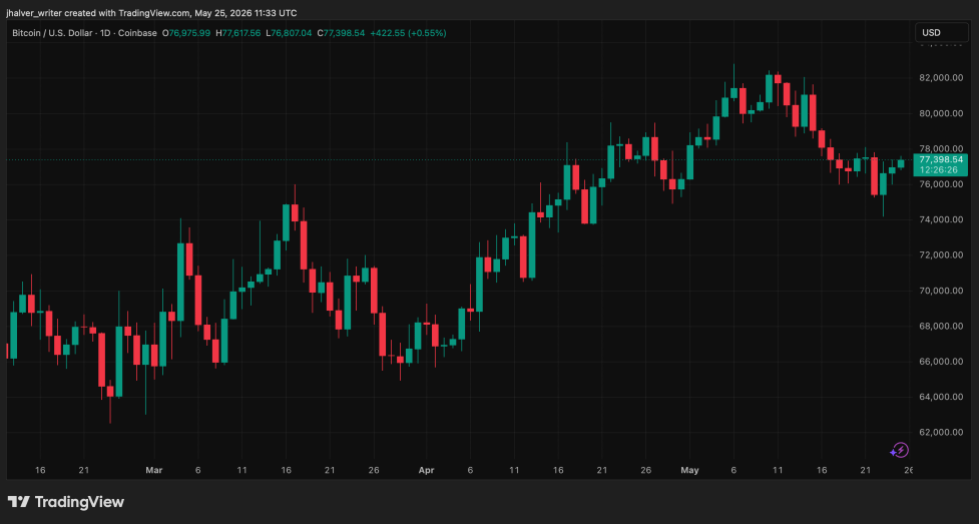
BTC价格呈上涨趋势,日线图可见。来源: Tradingview上的BTCUSD

截至发稿时,比特币交易价格约为82,000美元,美国比特币公司的国库持有超过7,000枚BTC,该公司继续执行其联合创始人现已公开描述为无条件积累策略的计划。

封面图片来自Grok,BTCUSD图表来自Tradingview

Preguntas relacionadas

QEric Trump 为出售比特币设定了怎样的门槛?

A他设定了“超越灾难性”的门槛,这实际上意味着在任何可预见的市场情境下,他都不会出售比特币。这更像是一种哲学上的永久积累承诺,而非风险管理策略。

Q根据Eric Trump的说法,比特币国债领域存在哪两种竞赛?

A他认为存在两种同时进行的竞赛:一是争夺最大的比特币总持有量,二是争取尽可能低的比特币获取成本。

QEric Trump提到他们公司的核心北极星指标是什么?它如何受到出售比特币的影响?

A核心指标是增加“每股聪数”,即每个已发行ABTC股票代表的比特币数量。出售任何一个比特币都会稀释这个指标,而开采并保留比特币则会使其增长。

QEric Trump如何区分其公司American Bitcoin Corp.与Michael Saylor的MicroStrategy在比特币持有策略上的不同?

A他赞扬Saylor的远见,但指出关键区别在于:Saylor暗示可能出售部分比特币以支付股息,而American Bitcoin则遵循更严格的保留框架,即通过挖矿积累并坚持绝不出售的策略。

Q为什么Eric Trump认为一家矿业整合型国债公司的“永不售出”立场比纯积累型公司更具可信度?

A因为矿业公司每个新币的边际成本在结构上更低,因此其资产负债表变现的压力也相应更小,这使得“永不售出”的立场在运营上更可信。

Lecturas Relacionadas

6 Questions to Understand the Business Trends of AI

The AI industry has entered its "summer" phase, according to a six-dimensional scoring framework assessing its development cycle. Each dimension—narrative vs. delivery, system connectivity, delivery capability, ROI rationalization, common industry trends, and capital environment—scores 1 point, totaling 6 points. This places the industry firmly in summer (5-7 points), characterized by a coexistence of grand promises and tangible deliverables, with increasing pressure to demonstrate value and profitability. Key signals mark this shift. ByteDance's Doubao launched paid subscriptions, while OpenAI introduced an advertising platform. These moves are driven by dual forces: immense cost pressures from scaling user bases and massive compute requirements, and the maturation of commercial opportunities. Major players like Anthropic report explosive growth, highlighting AI's transition into core productivity infrastructure. For businesses, the path forward involves three strategic steps. First, identify a small, high-impact use case to quickly demonstrate a closed-loop value proposition, such as automating customer service or content generation. Second, systematically replicate successful pilots across the organization by standardizing processes, building shared AI capabilities, and aligning talent, incentives, and leadership. Finally, move beyond simply adding AI to existing workflows and undertake systemic reconstruction—redesigning processes for parallel AI-human collaboration, implementing real-time dashboards, and establishing automated trigger chains. The era where storytelling alone secured funding is over. The focus has shifted to delivering measurable efficiency gains, cost savings, and new revenue streams, as evidenced by real-world implementations in companies like Semir, Anta, and Midea. Success now depends on starting with a focused proof point, scaling it organization-wide, and ultimately allowing AI to redefine operational paradigms.

marsbitHace 3 hora(s)

6 Questions to Understand the Business Trends of AI

marsbitHace 3 hora(s)

US Government Lifts Ban on Crypto Perpetual Contracts for the First Time: What Does It Mean for the Market?

The U.S. Commodity Futures Trading Commission (CFTC) has issued guidance permitting 24/7 trading and clearing for crypto asset derivatives, effectively opening the U.S. market to crypto perpetual contracts for the first time. This move ends the previous ban and allows American individuals and institutions to trade these instruments around the clock. Direct beneficiaries include Kalshi, which received approval to list a Bitcoin perpetual contract; Coinbase, now the first CFTC-regulated futures commission merchant for U.S. clients to access global crypto derivatives; and CME, which will transition its Bitcoin futures and options to 24/7 trading. The CFTC emphasized this is a specific allowance for crypto assets, noting that traditional commodities like agriculture may not be suitable for non-stop trading. It also requires platforms to undergo case-by-case reviews for compliance and risk management. Industry leaders like Michael Saylor and Brian Armstrong praised the decision for integrating Bitcoin into capital markets and granting U.S. users access to a major global market segment. However, consumer advocacy group Better Markets criticized the CFTC for allegedly neglecting investor protection and favoring the industry it regulates. Other platforms like Kraken have announced plans to launch regulated perpetual futures for the U.S. market. The policy shift is expected to redirect significant liquidity and institutional participation to the newly accessible U.S. crypto derivatives landscape.

Odaily星球日报Hace 14 hora(s)

US Government Lifts Ban on Crypto Perpetual Contracts for the First Time: What Does It Mean for the Market?

Odaily星球日报Hace 14 hora(s)

Trading

Spot
Futuros
活动图片