当 Hyperliquid 抢走 Solana 的“互联网资本市场”剧本

链捕手Publicado a 2026-05-19Actualizado a 2026-05-19

Resumen

在加密货币市场,Solana曾以“以太坊杀手”叙事和卓越性能重回巅峰,但其“互联网资本市场”的宏大愿景正面临内外挑战。SOL价格在过去一年中跌幅显著,近期涨势也弱于其他主流货币。 Solana的目标是成为链上全球交易网络,但Hyperliquid的崛起对其构成了直接冲击。Hyperliquid专注于链上永续合约交易,凭借其垂直型Layer1网络在性能、流动性和交易体验上展现出优势,吸引了大量资金和交易者,证明了金融交易网络可能不需要通用型公链生态。 Solana生态内部也遭遇打击。其重要永续合约协议Drift在4月初遭受攻击,造成巨大损失。为此,Solana创始人Anatoly Yakovenko大力扶持新的永续合约协议Phoenix,但该平台交易量仍远未达到主流水平。 面对竞争,Solana支持者转而批评Hyperliquid在验证节点数量、代码开源和桥接器中心化等方面的去中心化问题。然而,批评者指出Solana自身的验证者数量和中心化程度也在恶化。此外,Solana基金会高层对特定协议的偏爱引发了生态内其他开发者的不满。 文章指出,用户更关注深度、流动性和安全,而非宏大叙事。Hyperliquid的成功是对通用型公链叙事的一次挑战。目前,Solana陷入与对手比拼去中心化指标的困境,其力推的Phoenix交易量差距巨大。若无法在衍生品领域重获统治力,Solana可能离其“承载全球资产”的梦想越来越远。

作者:胡韬

在加密货币市场的周期轮回中,Solana 曾凭借“以太坊杀手”的叙事和极致的性能重回巅峰。然而,进入 2026 年 ,这台曾经开足马力的“高性能计算机”正面临前所未有的减速压力,这首先体现在价格方面。

在最近一年,SOL 价格自高点下跌的最大跌幅达到 73.5%,在所有主流加密货币中跌幅最大。而在近一个月的市场回调中,SOL 的涨势亦非常疲软,明显弱于 BTC、ETH 等其他主流加密货币。

此外,Solana 核心的“互联网资本市场”愿景也在内忧外患中遭遇重击,这迫使 Solana 基金会高层团队近期频频发声,在舆论层面为自家生态造势。

Solana 核心叙事受挫

过去几年,Solana 一直试图讲述一个远比“高性能公链”更宏大的故事。

在 Solana 基金会的定义中,Solana 的终局已经转变为“互联网资本市场(Internet Capital Markets)”——一个把股票、商品、期货、永续合约乃至所有现实世界资产搬上链的全球交易网络。

如今打开 Solana 官方网站首页,立马映入眼帘的最醒目标语仍然是:“为地球上每一种资产打造的资本市场。”
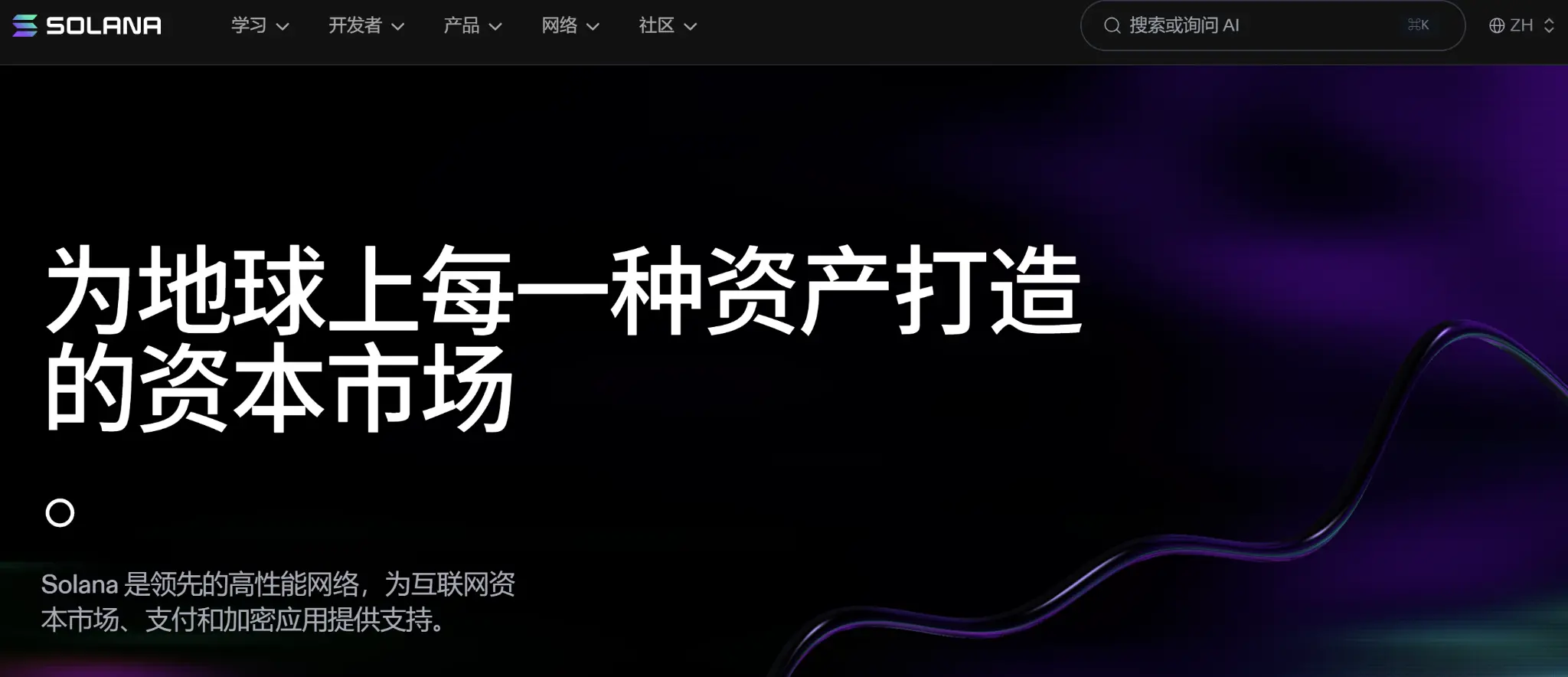
它意味着 Solana 不仅仅要挑战 Ethereum,更试图取代传统交易所、券商与清算体系,成为链上版纳斯达克。高速、低手续费、高吞吐量以及相对成熟的用户体验,以及华尔街资本的力捧,让 Solana 一度被视为最接近这一目标的公链。

但问题在于,当“互联网资本市场”真正开始形成雏形时,市场发现,占据核心位置的却未必是 Solana。

Hyperliquid 意料之外的冲击

过去一年里,加密行业最大的结构性变化之一,是永续合约市场开始脱离传统 CEX,向链上迁移。

而这个趋势最大的受益者,并不是 Solana,也是不是以太坊、Sui 等其他网络,而是 Hyperliquid。

最初,Hyperliquid 只是一个链上永续合约交易平台,但随着其 Layer1 战略推进,它已经逐渐演变成一个完整的金融基础设施网络。相比 Solana 广泛而抽象的“资本市场”愿景,Hyperliquid 选择了一条更聚焦、更具交易驱动的路径。

长期以来,Solana 生态虽然拥有大量 DeFi 项目,但其核心流动性始终更偏向现货、Meme Coin 与链上投机。真正能够承载机构级交易深度、风险管理以及高频交易需求的基础设施,始终并不成熟。

更关键的是,Hyperliquid 逐渐证明了一件此前很多人忽略的事情:“互联网资本市场”未必需要一个通用型生态。

对于高频金融交易而言,性能、撮合、流动性与交易体验的重要性,远高于“链上应用丰富度”。这意味着,一个专门为金融交易设计的垂直型 Layer1,可能比 Solana 这种通用公链更适合成为链上资本市场核心。

这也是为什么,越来越多资金、交易员以及注意力开始向 Hyperliquid 聚集。

Drift 事件后,Solana 被迫调整永续合约市场战略

如果说HyperLiquid是从外部挤压了Solana的“资本市场”战略空间,那么Drift Protocol的攻击事件则是从内部撕开了一个巨大的口子。

今年4月初,Solana DeFi 协议 Drift 遭受治理与预言机攻击,造成超 2 亿美元损失。

作为 Solana 上最重要的永续合约协议之一,Drift 一直承担着 Solana DeFi 的核心流动性角色。黑客攻击发生后,协议功能直接陷入瘫痪,Solana 生态内大量资产、Vault 与关联协议受到波及,市场信心迅速恶化。

永续合约是 DeFi 领域兵家必争之地,面对 Drift 留下的市场真空和 Solana 在链上衍生品领域的战略缺口,Solana 官方必须力捧新的替代产品,为 Solana 在“互联网资本市场”战略的一线战场抢占用户与市场。

此时,摆在 Solana 官方面前的选择有 Pacifica、Phoenix、Jupiter、GMTrade、Bullet、Blink 等一系列产品。不过,Solana 创始人 Anatoly Yakovenko 坚定选择了 Phoenix。

在过去五天,Toly 至少发布了二十条与 Phoenix 相关的推文或者转推,或为转发其他行业人士对 Phoenix 测试体验,或直接推荐使用 Phoenix,或谈论对 Phoenix 的看法。

对于此般“偏爱”,Toly 也多次解释称,Pacifica 并没有在 Solana 链上执行交易,它与 Solana 的兼容性与 HyperLiquid 一样好,而 Jup 已经发展成熟,他更加专注于从0到1的早期团队。与此同时,Phoenix 是去中心化的,并且可以与 Solana 上的所有其他应用原子性地组合。

在 Toly 的带动下,Phoenix 的热度连续多日位列 RootData 热门项目排行榜前三,并且创造其热度指数历史峰值。

但在交易量层面,Phoenix 相比其他老牌永续合约平台仍然相差甚远。根据 DeFillama 数据,Phoenix 此前长期日交易量不到 400 万美元,近日借着市场热度日交易量首度突破 8000 万美元,但仍然在所有永续合约平台中排名 20 开外,距离前 5 平台(最低 16 亿美元)仍然存在 20 倍以上的差距。

Solana 的舆论攻势与内部裂痕

面对Hyperliquid的强势崛起和自身生态的创伤,Solana支持者们选择了一条看似“以子之矛攻子之盾”的路径——以去中心化为武器,向Hyperliquid发起舆论攻击。

Solana 基金会成员 @harkl_ 发推称,Hyperliquid 的宣传语是去中心化交易平台,但现实情况是 24 个验证节点,闭源节点代码,一个承载数十亿美元资金的单一桥接器,以及在市场波动时强制结算的记录。

“你能用自己的资源参与协议栈的任何部分,而无需受信任第三方机构的批准吗?如果不能,那它就不是无许可的。无论你做什么,你都无法运行 Hyperliquid 排序器。”Toly 进一步表示。

这番论述在加密社区引发了激烈讨论。支持者认为Toly戳中了Hyperliquid的核心软肋——如果验证节点不足30个、节点代码不公开、桥接器高度中心化,那么所谓的“链上资本市场”与CEX的托管模式又有何本质区别?

反对者则指出,Solana自身的验证者数量已从2560个锐减至约756个,中本聪系数从31下滑至20,前二十名验证者控制超过三分之一的质押份额——在这种背景下谈论“去中心化”,多少有些“五十步笑百步”的意味。

更棘手的问题来自Solana生态内部。众多Solana基金会高层的一致“偏爱”引起了许多其他协议开发者的不满。

“他们会推广他们认为对自己最有利的东西,仅仅因为一个团队符合某个标准就把其他人推开,是在把朋友变成敌人。”Bulk 的联合创始人 kdotcrypto 说。

Pacifica创始人Constance的评论则更为克制却也更具杀伤力:“我们2025年选择Solana,没有拿过基金会的任何资助,也没有向投资人融资,只想先做好产品,让市场决定。”这句“让市场决定”背后,是对Solana基金会“裁判兼球员”角色的隐晦抗议。

加密市场最残酷的真相在于:用户并不在乎宏大的叙事,他们只在乎深度、流动性与安全。Hyperliquid 的崛起不仅是技术上的胜利,更是对“通用型公链”叙事的一次降维打击——它证明了,建设资本市场的核心未必是一个庞杂的生态,而是一个极致的撮合引擎。

如今,Solana 陷入了与竞争对手比拼“去中心化指标”的泥潭,而其力捧的 Phoenix 距离主流衍生品平台仍有 20 倍的交易量鸿沟。

在这场关于“互联网资本市场”终局的争夺中,Solana 若无法在 2026 年下半年找回其在衍生品领域的统治力,它或许仍是一个优秀的 Meme 乐园,但离那个“承载全球资产”的梦想,只会越来越远。


Preguntas relacionadas

Q根据文章,为什么说Hyperliquid对Solana的'互联网资本市场'战略构成了冲击?

AHyperliquid作为一个专为金融交易设计的垂直型Layer1链上永续合约交易平台,证明了一个专注性能、撮合、流动性和交易体验的垂直网络可能比Solana这种通用公链更适合成为链上资本市场的核心。这吸引了大量资金和交易员,从而挤压了Solana在该战略叙事中的核心地位。

QDrift Protocol攻击事件对Solana生态造成了哪些具体影响?

A作为Solana上重要的永续合约协议,Drift Protocol在2026年4月初遭受治理与预言机攻击,造成超2亿美元损失。这导致协议功能瘫痪,生态内大量资产、Vault与关联协议受到波及,市场信心迅速恶化,并在链上衍生品领域留下了一个巨大的市场真空和战略缺口。

QSolana创始人Anatoly Yakovenko为何选择力推Phoenix,而非其他永续合约协议?

AAnatoly Yakovenko(Toly)解释称,他更专注于从0到1的早期团队。他选择Phoenix是因为Pacifica并没有在Solana链上执行交易(与Solana的兼容性和Hyperliquid类似),而Jupiter已经发展成熟。此外,Phoenix是去中心化的,并且可以与Solana上的所有其他应用原子性地组合。

Q文章中提到Solana支持者对Hyperliquid发起舆论攻击的主要论点是什么?双方是如何辩论的?

A主要论点是攻击Hyperliquid的去中心化程度不足。Solana方面指出Hyperliquid只有24个验证节点、闭源节点代码、一个单一桥接器以及在市场波动时强制结算。而反对者则反驳Solana自身的验证者数量和中本聪系数也在下滑,且前二十名验证者控制超三分之一的质押份额,认为其指责有'五十步笑百步'之嫌。

Q文章最后对Solana在'互联网资本市场'愿景中的前景做出了怎样的判断?

A文章判断,如果Solana无法在2026年下半年找回其在衍生品领域的统治力,那么它或许仍是一个优秀的Meme Coin乐园,但离那个'承载全球资产'的'互联网资本市场'梦想只会越来越远。这表明其核心叙事正面临严峻挑战。

Lecturas Relacionadas

Sharplink CEO: One Million Ethereum Developers, Who Can Compete?

Etherean Ecosystem: One Million Developers and a Formidable Moat The Ethereum network has surpassed a significant milestone: over one million unique lifetime developers, with approximately 232,000 active in the past year. This vast and growing talent pool is Ethereum's core advantage, far more critical than transient metrics like speed or transaction fees. The central question is not which blockchain is fastest, but where the best builders choose to build long-term. Ethereum's answer lies in a decade-long accumulation of infrastructure, standards, tools, liquidity, and collaborative culture that is exceptionally difficult to replicate. It has become the default operating system for programmable finance. This massive developer base is actively working on complex, high-risk challenges that deepen Ethereum's strategic moat: * **Glamsterdam Upgrade (2026):** Focused on core protocol scalability (ePBS, parallel execution) while preserving core values like credible neutrality. * **Synchronous Composability:** Aims to make numerous Rollups interoperate like a single chain, directly addressing fragmentation concerns. * **Quantum Resistance:** Ethereum leads mainstream ecosystems in coordinated preparation for post-quantum cryptography, with a targeted migration plan around 2029. This developer advantage is self-reinforcing, fueled by: * **Deep Composability:** Applications interact like interoperable financial Lego bricks via shared standards (e.g., EVM, Solidity). * **Credible Neutrality:** Secured by over 900,000 validators, making it trusted by major institutions. * **Modularity:** Rollups (Base, Arbitrium, etc.) expand, rather than fracture, the ecosystem into a tightly connected modular internet economy. * **Culture:** Attracts top-tier researchers and standard-setters who guide the entire industry. In essence, while other chains generate activity, Ethereum is consolidating as the trusted, long-term coordination layer for internet-native finance. Its future is being built now by the architects of the next-generation financial infrastructure.

Odaily星球日报Hace 17 min(s)

Sharplink CEO: One Million Ethereum Developers, Who Can Compete?

Odaily星球日报Hace 17 min(s)

Ethereum Reaches the Milestone of One Million Developers, Sharplink CEO Delves Deep into Ethereum's Future Possibilities

Ethereum Surpasses One Million Developers Milestone: A Look at Its Unshakeable Dominance and Future Joseph Chalom, CEO of Sharplink, reflects on his recent Asia trip where he engaged deeply with Ethereum developers and ecosystem leaders. The most striking takeaway was not just the industry's vibrancy, but the rigorous, long-term vision of local builders. This context brings to life a pivotal statistic: Ethereum has now surpassed one million cumulative developers (1,012,824), with approximately 232,000 remaining active in the past year—a talent pool unmatched by any other crypto ecosystem. The critical question isn't which blockchain is fastest, but where top developers choose to build long-term. Ethereum's answer is unequivocal. Its decade-long lead stems from a unique convergence of technology, institutional culture, economic systems, and composability, cementing its role as the foundational operating system for programmable finance. This massive developer base is tackling the industry's hardest problems, continuously strengthening Ethereum's moat. Key initiatives include: * **The Glamsterdam Upgrade (planned 2026):** Introducing ePBS and Block-level Access Lists for parallel execution and higher throughput while preserving core values like credible neutrality and fair MEV distribution. * **Synchronous Composability:** Projects are working to enable atomic transactions across dozens of Rollups, making them function as one unified chain and eliminating ecosystem fragmentation. * **Post-Quantum Security:** Ethereum is far ahead in preparing for quantum computing threats, with a dedicated foundation working group and testnets targeting a full migration by ~2029—a crucial factor for institutional adoption. Beyond developers, Ethereum's core network effects are its unparalleled composability and unified standards (like EVM and Solidity), which create a powerful flywheel: more developers → better tools → greater liquidity → more institutional participation. Its other decisive advantages include credible neutrality (over 900k validators), a secure modular architecture with interconnected Rollups, and a deeply entrenched culture shaped by top-tier researchers. Ultimately, there's a vast difference between generating short-term activity and becoming the trusted, long-term coordination layer for global native finance. Major institutions prioritize security, trust, and liquidity—areas where Ethereum holds dominant mindshare. The industry's trajectory shows resources consolidating around unified standards, deep liquidity, and developer consensus. After meeting the builders in Seoul and Hong Kong, Chalom is more convinced than ever: Ethereum's unshakeable future is being built right now.

Foresight NewsHace 29 min(s)

Ethereum Reaches the Milestone of One Million Developers, Sharplink CEO Delves Deep into Ethereum's Future Possibilities

Foresight NewsHace 29 min(s)

Saylor's Latest Long Read: Bitcoin is Not Money, It's Digital Capital, and Money is Built Upon It

Michael Saylor presents his "Digital Asset Stack" theory, positioning Bitcoin as the foundational layer of digital capital. He argues Bitcoin itself should remain unchanged—no staking, inflation, or protocol alterations. Instead, a five-layer financial architecture should be built atop it: Digital Capital (BTC), Digital Credit (e.g., yield instruments like STRC), Digital Currency (stable, yield-bearing instruments pegged to fiat), Digital Yield (leveraged/structured products), and Digital Equity (e.g., MSTR stock, absorbing residual volatility). Saylor asserts this stack transforms Bitcoin's high-volatility, high-energy capital into tailored products: stable currencies for payments/savings, yield instruments for income seekers, and equity for growth investors. This approach meets diverse needs—corporate treasuries, banks, retirees, emerging market users—without compromising Bitcoin's core properties (scarcity, decentralization). The "killer use case" is rebuilding global money, credit, and capital markets on Bitcoin, bridging the fiat world with a superior digital asset foundation. The system leverages traditional finance principles (risk layering, structured products) while using Bitcoin as the ultimate collateral. This expands Bitcoin's utility, drives adoption, and offers a better monetary experience: digital, yield-bearing, stable-value tools for everyday use.

marsbitHace 41 min(s)

Saylor's Latest Long Read: Bitcoin is Not Money, It's Digital Capital, and Money is Built Upon It

marsbitHace 41 min(s)

Can SK Hynix's Stock Double Again in This Rally?

The article discusses the highly optimistic price target of approximately $3,500 for SK Hynix stock, set by Aletheia Capital. This target is significantly above the consensus range of $2,000-$2,520 from major brokerages. The core debate is whether SK Hynix deserves a fundamental re-rating beyond its traditional cyclical discount, based on the long-term impact of AI-driven demand. The $3,500 target hinges on three key assumptions holding simultaneously until at least 2027: 1) Continued shortage and high pricing for HBM (High Bandwidth Memory), a critical component for AI chips; 2) Sustained high prices for standard DRAM, as HBM production consumes capacity and constrains general supply; and 3) Strong AI server demand generating substantial, above-expectation free cash flow. SK Hynix's leading ~58% market share in HBM and its early certification with key clients like Nvidia provide a competitive advantage, allowing it to capture significant supply chain premiums. The HBM shortage is seen not just as a niche growth driver but as a catalyst that amplifies profitability across the entire memory business by tightening overall DRAM supply. However, the article cautions that this target represents an optimistic "tail scenario." Key risks include potential supply increases from competitors (Samsung, Micron) by 2027, a possible slowdown in HBM price growth, and high capital expenditures that could erode the projected free cash flow. The divergence in analyst targets reflects the market's uncertainty over whether the current AI-driven boom will temporarily elevate earnings or permanently raise the memory industry's profit baseline.

marsbitHace 44 min(s)

Can SK Hynix's Stock Double Again in This Rally?

marsbitHace 44 min(s)

Trading

Spot
Futuros

Artículos destacados

Cómo comprar WAVES

¡Bienvenido a HTX.com! Hemos hecho que comprar Waves (WAVES) sea simple y conveniente. Sigue nuestra guía paso a paso para iniciar tu viaje de criptos.Paso 1: crea tu cuenta HTXUtiliza tu correo electrónico o número de teléfono para registrarte y obtener una cuenta gratuita en HTX. Experimenta un proceso de registro sin complicaciones y desbloquea todas las funciones.Obtener mi cuentaPaso 2: ve a Comprar cripto y elige tu método de pagoTarjeta de crédito/débito: usa tu Visa o Mastercard para comprar Waves (WAVES) al instante.Saldo: utiliza fondos del saldo de tu cuenta HTX para tradear sin problemas.Terceros: hemos agregado métodos de pago populares como Google Pay y Apple Pay para mejorar la comodidad.P2P: tradear directamente con otros usuarios en HTX.Over-the-Counter (OTC): ofrecemos servicios personalizados y tipos de cambio competitivos para los traders.Paso 3: guarda tu Waves (WAVES)Después de comprar tu Waves (WAVES), guárdalo en tu cuenta HTX. Alternativamente, puedes enviarlo a otro lugar mediante transferencia blockchain o utilizarlo para tradear otras criptomonedas.Paso 4: tradear Waves (WAVES)Tradear fácilmente con Waves (WAVES) en HTX's mercado spot. Simplemente accede a tu cuenta, selecciona tu par de trading, ejecuta tus trades y monitorea en tiempo real. Ofrecemos una experiencia fácil de usar tanto para principiantes como para traders experimentados.

258 Vistas totalesPublicado en 2024.12.11Actualizado en 2026.06.02

Cómo comprar WAVES

Discusiones

Bienvenido a la comunidad de HTX. Aquí puedes mantenerte informado sobre los últimos desarrollos de la plataforma y acceder a análisis profesionales del mercado. A continuación se presentan las opiniones de los usuarios sobre el precio de WAVES (WAVES).

活动图片