回购与Telegram推动LIT暴涨40%,但涨势能否延续?

ambcryptoPublicado a 2026-04-09Actualizado a 2026-04-09

Resumen

LIT代币在4月份实现了40%的大幅上涨,主要得益于Lighter交易所加速回购及其与Telegram的合作。该项目于4月8日宣布已回购并锁仓1000万枚LIT,占流通量2.5亿的4%。按当前速度,每月约回购1%的流通量,预计10个月可完全回购当前流通供应。 Telegram集成进一步推动了LIT的上涨,该隐私通讯应用将使用Lighter支持其内置交易功能,提供高达50倍杠杆。合作一周内,Lighter新增约4万注册用户,但未平仓合约仅从6.75亿美元小幅增至7.17亿美元。日收入则从3.5万美元跃升至超过10万美元。 尽管市场反应积极,但有交易员指出LIT已触及200日指数移动平均线这一关键阻力位。若多头能将其转化为支撑位,涨势或可持续。LIT总供应量为10亿,首次解锁将于2026年12月开始。

彼得·蒂尔支持的永续去中心化交易所Lighter加速了其原生代币LIT的回购。4月8日,该项目宣布已购买并锁仓1000万枚LIT。按去年12月上线后2.5亿枚的流通量计算,此次回购占当前流通量的4%。

一个月前,回购计划仅覆盖流通供应量的3%。按当前速度,该项目每月回购约1%的供应量,即平均240万枚LIT。若趋势持续,该DEX需约10个月时间锁仓全部当前流通量。

值得指出的是,LIT总供应量上限为10亿枚,首次发行仅释放2.5亿枚。第一波解锁将于2026年12月开始。

与此同时,市场对LIT的激进回购作何反应?

Telegram助推Lighter用户增长

市场反应非常积极且看涨。自3月底以来,该代币从0.74美元的历史低点反弹超40%,涨至1.13美元以上。

近期与Telegram的整合进一步增强了LIT的上涨势头。这款注重隐私的通讯软件将利用Lighter支持其原生交易功能,为加密及非加密资产提供高达50倍杠杆。

Telegram整合已进行约一周。AMBCrypto深入探究了该合作是否真正为DEX带来显著用户增长。

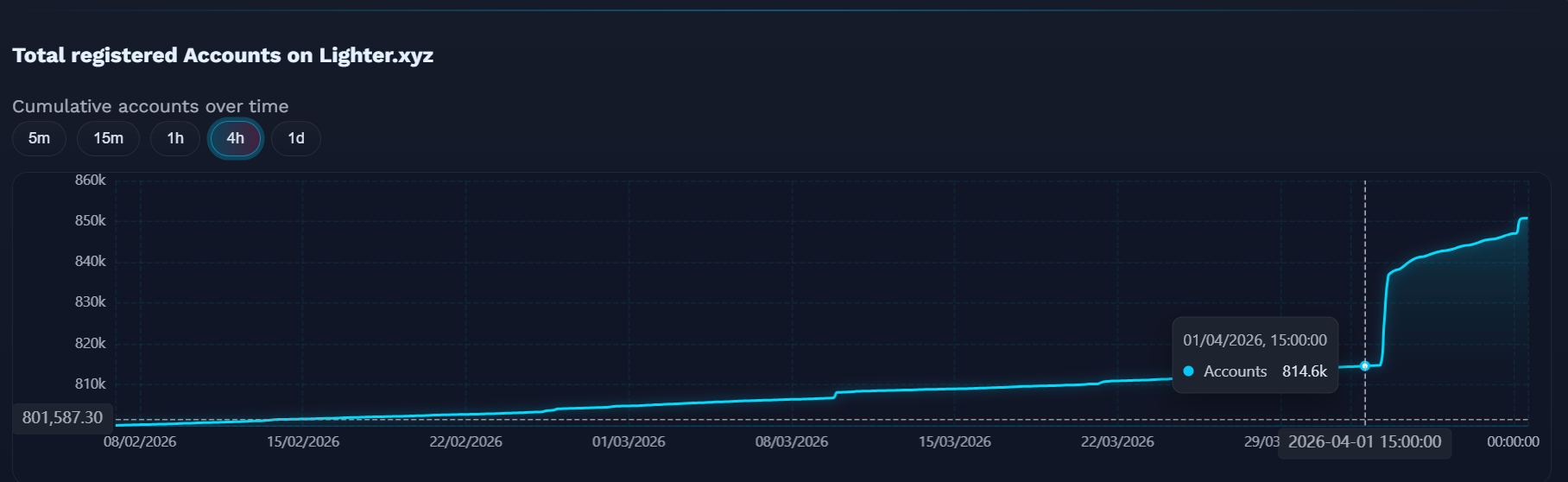
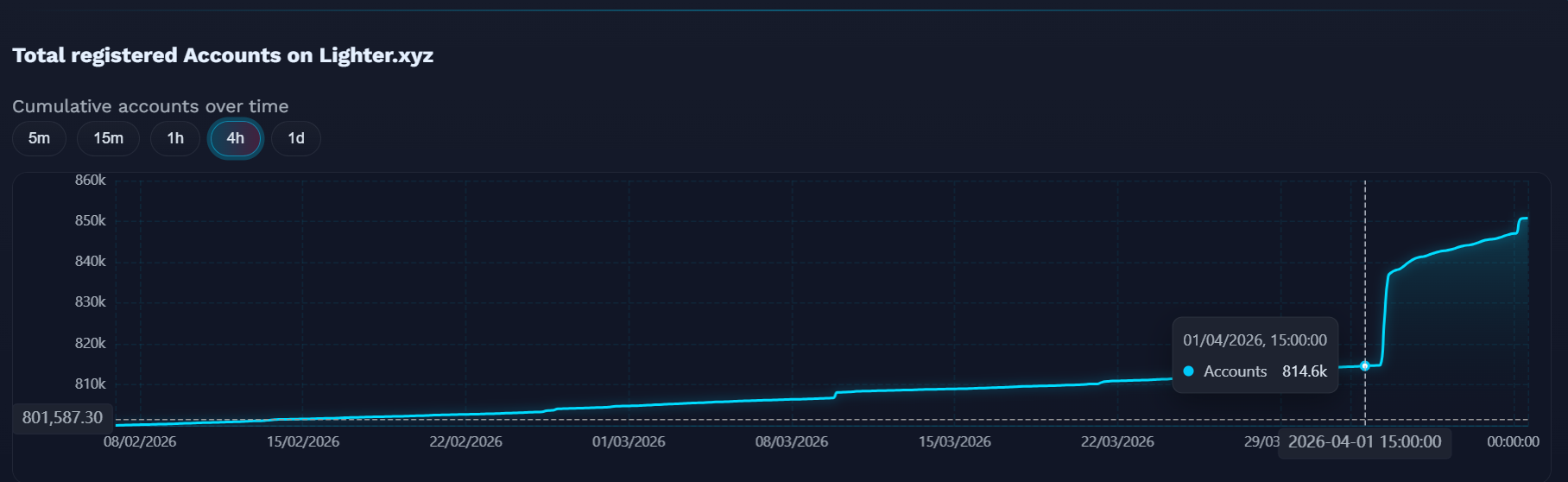
Lightalytics数据显示,Telegram更新后Lighter新增约4万名注册用户。

来源:Lightalytics

LIT能否延续40%涨势?

然而,追踪用户未平仓头寸的未平仓合约量(OI)仅略有改善。

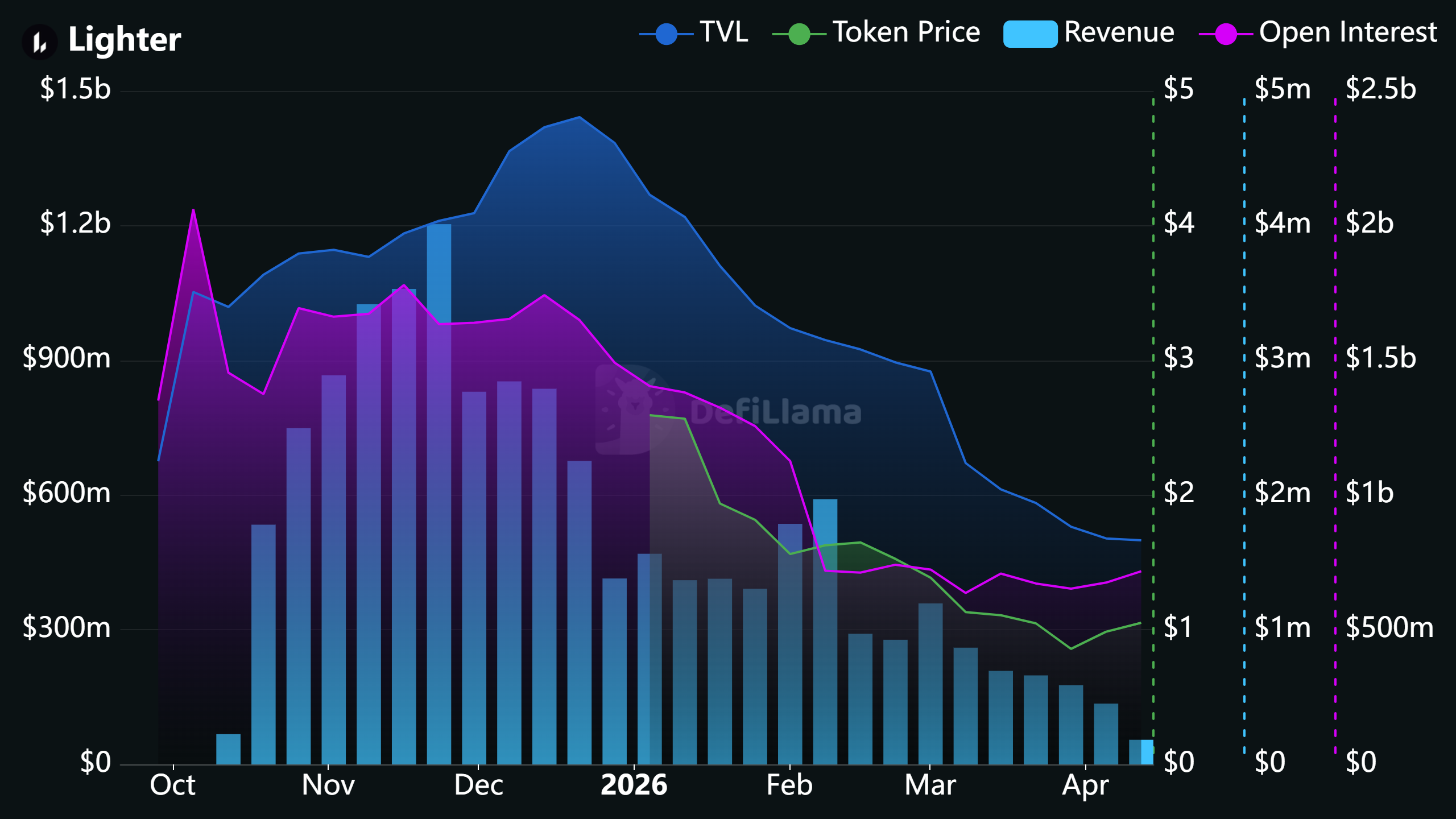
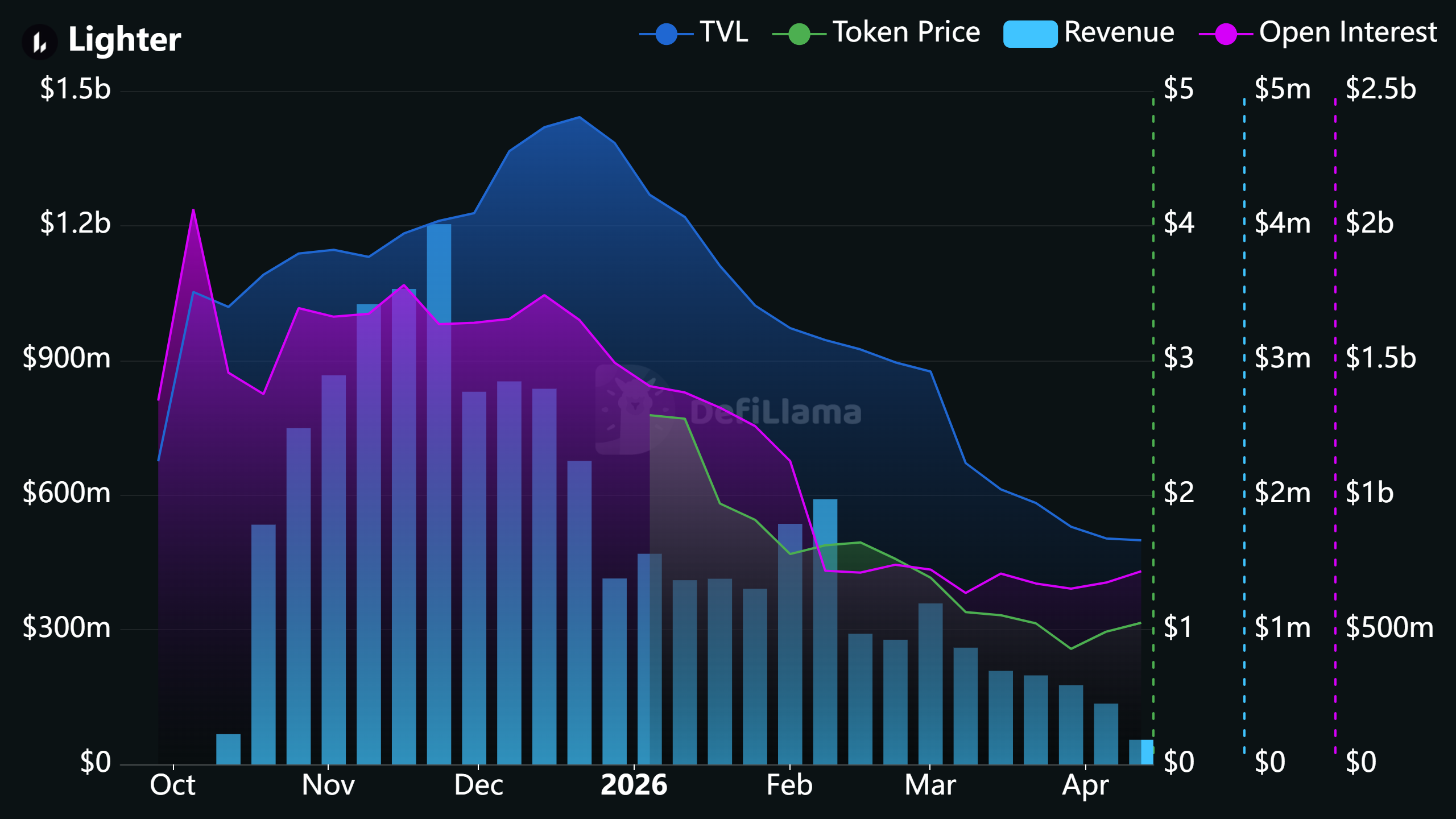
OI从6.75亿美元增至7.17亿美元,涨幅约4000万美元。有趣的是,尽管增长有限,过去七日每日收入从3.5万美元升至逾10万美元。

来源:DeFiLlama

由于大部分收入被用于回购,任何进一步的增长都可能助力LIT复苏。

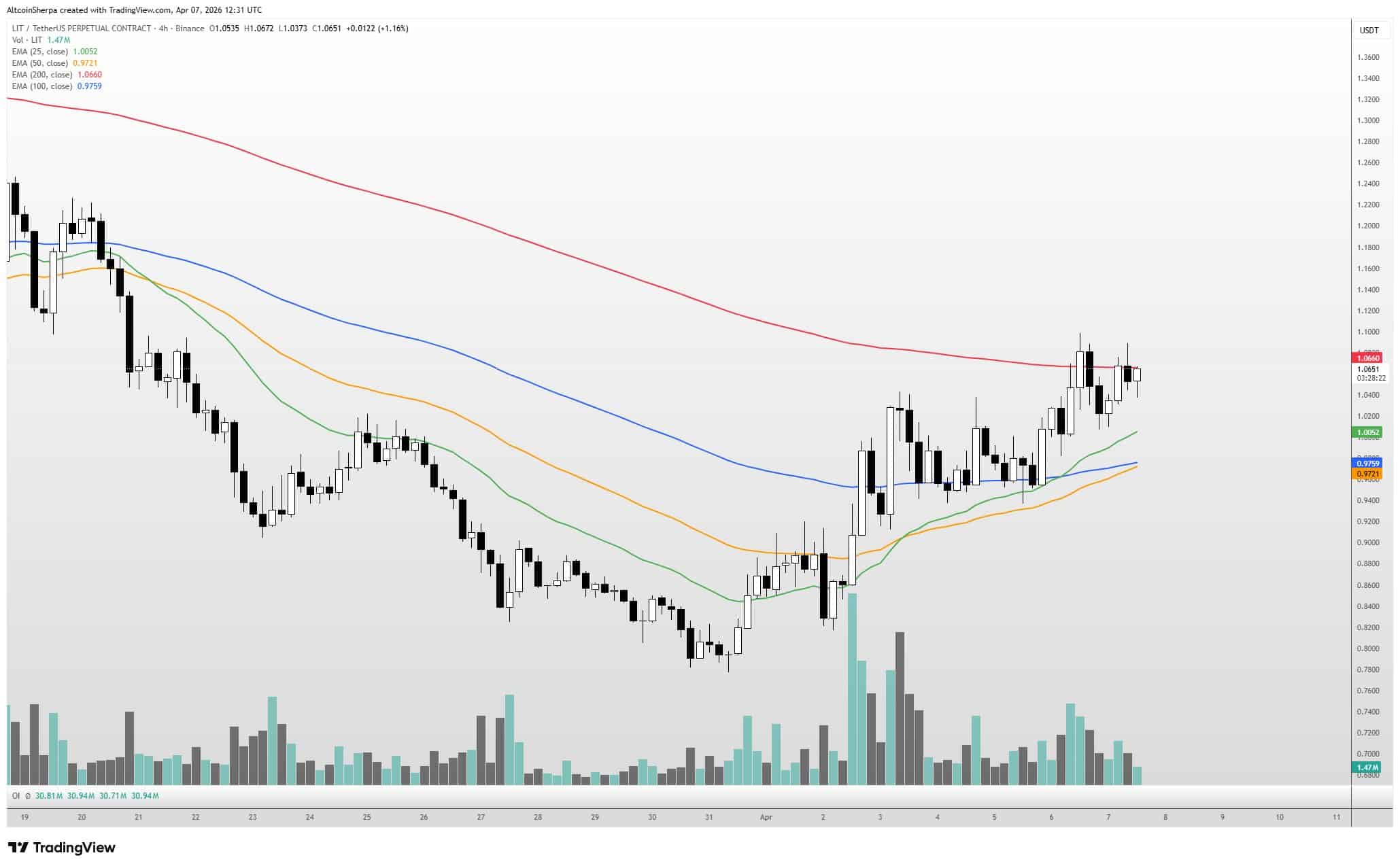
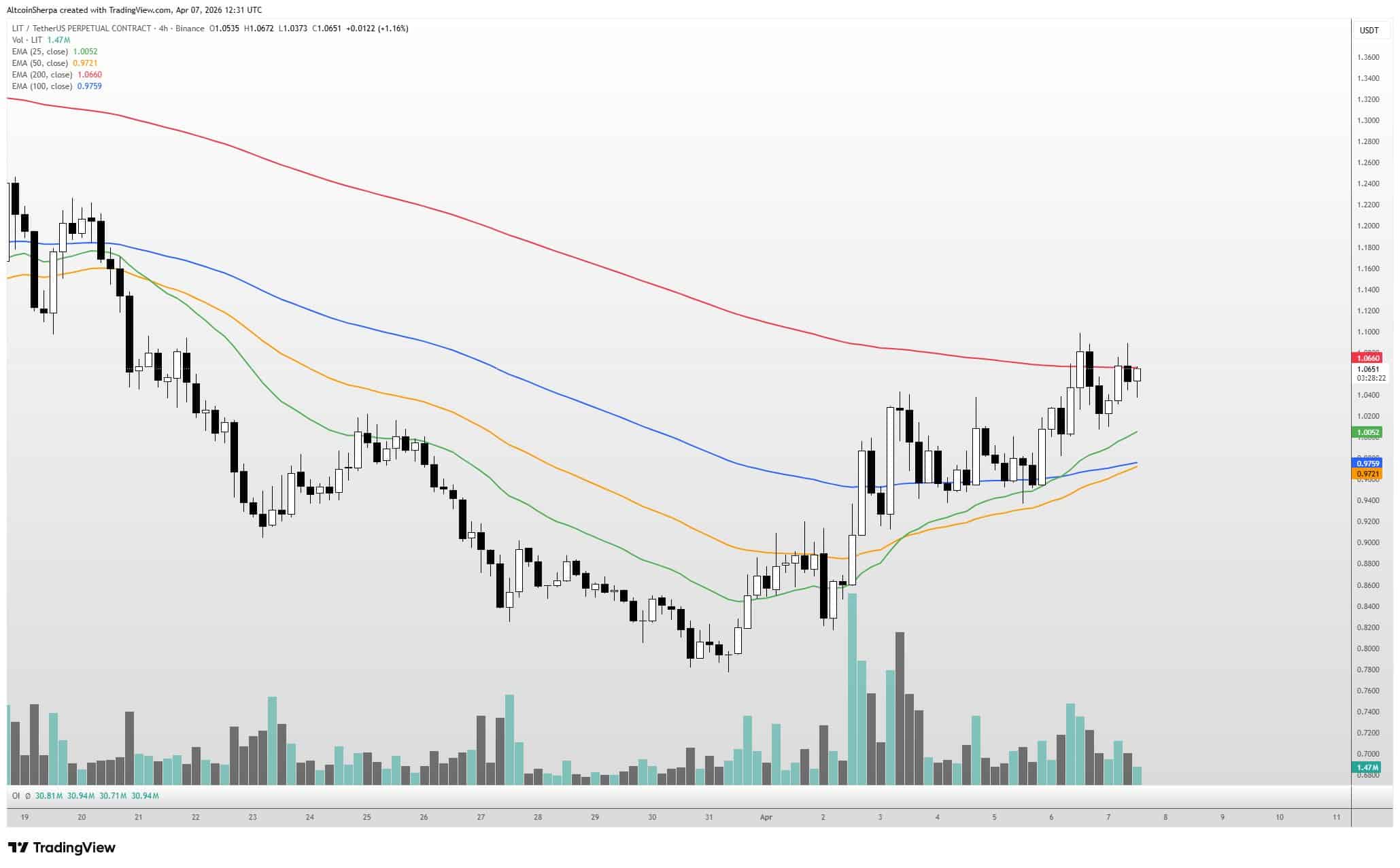
尽管如此,近日有交易员警告称涨势已触及200日指数移动平均线(EMA)——这是一个关键动态阻力位,可能短期内阻碍多头攻势。只有多头将200日EMA转化为支撑位,才能确认涨势延续。

来源:X

核心摘要

  • Lighter回购计划已达1000万枚LIT,占2.5亿流通量的4%
  • 激进回购计划与Telegram整合推动LIT在4月实现40%涨幅

Preguntas relacionadas

QLIT代币的回购计划目前进展如何?

ALighter的回购计划已累计回购1000万枚LIT代币,占当前流通量2.5亿枚的4%。项目正以每月约240万枚(1%流通量)的速度进行回购,按此速度预计需10个月可锁定全部当前流通量。

Q哪些因素推动了LIT代币40%的价格上涨?

A主要推动因素包括:1)项目加速回购LIT代币并锁仓;2)与Telegram集成合作,支持其内置交易功能,为DEX带来约4万新注册用户。

QLIT代币的总供应量和解锁计划是怎样的?

ALIT总供应量上限为10亿枚,目前仅释放2.5亿枚。第一波解锁将于2026年12月开始。

QTelegram合作为Lighter带来了哪些具体数据变化?

A合作一周后,Lighter新增约4万注册用户,未平仓合约量从6.75亿美元小幅增长至7.17亿美元,日收入从3.5万美元提升至超过10万美元。

QLIT未来能否延续上涨趋势的关键技术指标是什么?

A关键看能否突破200日指数移动平均线(200-EMA)的动态阻力位。若多头能将该阻力位转化为支撑位,则上涨趋势有望延续。

Lecturas Relacionadas

Uncovering the Truth About Agent Commerce, Payments, and Infrastructure

Decoding Agent Commerce, Payments, and Infrastructure: The Reality Over the past year, I've been building infrastructure for the Agent economy, engaging with major players like Stripe, Visa, Coinbase, Google, and dozens of startups. A clear conclusion emerges: true, large-scale demand does not yet exist. Startups face structural challenges. Data points illustrate this gap. Stripe's Agent commerce platform has over 1,000 merchants but only single-digit transacting agents. Visa's Agent payment token requires 9-month KYC and a $250M revenue threshold, accessible only to giants like Amazon. On-chain analysis reveals actual daily Agent transaction volume is around $17k, half of which are test transactions. The article analyzes four potential markets: **1. Agent-to-Merchant (A2M):** Current AI shopping UX is often inferior to traditional e-commerce for visual, comparison-heavy purchases (clothing, electronics). Chat interfaces are a step back. Real merchant interest is defensive "Agent Engine Optimization," fearing future obsolescence, not current demand. Potential exists in high-frequency, low-decision purchases (e.g., food delivery) or simplifying terrible UX (complex checkouts, non-native shoppers), but these require massive consumer distribution channels dominated by giants like DoorDash and Amazon. **2. Agent-to-API (A2A):** Developers already have subscriptions and billing for core APIs (compute, data). The argument for micro-payments via crypto for sub-dollar API calls is addressed by pre-paid balances today. The deeper issue is supplier resistance; major SaaS firms rely on enterprise contracts, not fractional cent pricing. Opportunity lies in the long tail of niche services, but this is a smaller market catering to developers, a historically low-paying group. **3. Agent-to-Agent (A2A):** This remains a theoretical long-term vision with near-zero current transaction volume. It involves unique challenges: discovery, trust, negotiation, dispute resolution. When it materializes, it will require a fundamentally new settlement infrastructure for high-speed, variable-value, multi-party transactions. It's a real long-term bet, but not the current market. **4. Agent-to-Finance (A2F):** This is the only category with existing, paying demand. Integrating AI into financial workflows (trading, portfolio management) is a natural evolution and enables new capabilities like autonomous rebalancing. However, competition favors incumbents with regulatory licenses, compliance infrastructure, and existing client relationships. **The Real Issue:** Why is infrastructure still being built? Incumbents can afford long-term bets, and payment companies see every problem as a nail for their payment hammer. However, payment is just one piece. The core challenge is *coordination*—orchestrating work between Agents and humans, verifying outcomes, and settling results. Payment is part of settlement, which is part of coordination. Companies that solve the coordination problem will subsume payments, not the other way around. Startups lack the infinite runway of giants and must find today's real market, which, after a year of exploration, lies outside these four categories—in an area with real, growing, and underserved activity.

marsbitHace 1 hora(s)

Uncovering the Truth About Agent Commerce, Payments, and Infrastructure

marsbitHace 1 hora(s)

Kalshi, MTS, and a16z's Ambition

The article "Kalshi, MTS, and a16z's Ambition" explores prediction markets as a focal point of excitement in 2025 for investors, crypto enthusiasts, and media. It traces their intellectual lineage from Friedrich Hayek's ideas on dispersed knowledge and market coordination to Robin Hanson's Logarithmic Market Scoring Rule (LMSR), which incentivizes truthful information sharing. The piece argues that a16z's significant investment in prediction market platform Kalshi (valued at $220B) transcends mere financial speculation. a16z frames prediction markets as a new form of "media" that provides "presence"—a way for individuals to actively engage with and influence world events through financial stakes, countering postmodern detachment. By wagering on outcomes, users become "super observers," and the market's aggregated probabilities gain authoritative power to define event truth and importance. The article uses media company MTS ("Monitoring The Situation") as a case study of a16z's "new media" strategy: rapidly producing high-intensity, multi-format content to "take over the timeline." However, prediction markets like Kalshi are presented as the ultimate piece in this media empire. Their real-money, crowd-sourced probabilities possess a unique "reality distortion field" and perceived objectivity, potentially swaying public opinion and granting a private company unprecedented interpretive power over reality. Ultimately, Kalshi's immense valuation is attributed not just to its exchange model, but to its role as a foundational component in a16z's envisioned new media landscape, where prediction markets define narrative and truth.

链捕手Hace 1 hora(s)

Kalshi, MTS, and a16z's Ambition

链捕手Hace 1 hora(s)

Trading

Spot
Futuros

Artículos destacados

Cómo comprar TON

¡Bienvenido a HTX.com! Hemos hecho que comprar The Open Network (TON) sea simple y conveniente. Sigue nuestra guía paso a paso para iniciar tu viaje de criptos.Paso 1: crea tu cuenta HTXUtiliza tu correo electrónico o número de teléfono para registrarte y obtener una cuenta gratuita en HTX. Experimenta un proceso de registro sin complicaciones y desbloquea todas las funciones.Obtener mi cuentaPaso 2: ve a Comprar cripto y elige tu método de pagoTarjeta de crédito/débito: usa tu Visa o Mastercard para comprar The Open Network (TON) al instante.Saldo: utiliza fondos del saldo de tu cuenta HTX para tradear sin problemas.Terceros: hemos agregado métodos de pago populares como Google Pay y Apple Pay para mejorar la comodidad.P2P: tradear directamente con otros usuarios en HTX.Over-the-Counter (OTC): ofrecemos servicios personalizados y tipos de cambio competitivos para los traders.Paso 3: guarda tu The Open Network (TON)Después de comprar tu The Open Network (TON), guárdalo en tu cuenta HTX. Alternativamente, puedes enviarlo a otro lugar mediante transferencia blockchain o utilizarlo para tradear otras criptomonedas.Paso 4: tradear The Open Network (TON)Tradear fácilmente con The Open Network (TON) en HTX's mercado spot. Simplemente accede a tu cuenta, selecciona tu par de trading, ejecuta tus trades y monitorea en tiempo real. Ofrecemos una experiencia fácil de usar tanto para principiantes como para traders experimentados.

520 Vistas totalesPublicado en 2024.12.10Actualizado en 2026.06.02

Cómo comprar TON

Discusiones

Bienvenido a la comunidad de HTX. Aquí puedes mantenerte informado sobre los últimos desarrollos de la plataforma y acceder a análisis profesionales del mercado. A continuación se presentan las opiniones de los usuarios sobre el precio de TON (TON).

活动图片