Monad瞄准历史新高:积累激增,多头测试关键阻力位

ambcryptoPublicado a 2026-04-09Actualizado a 2026-04-09

Resumen

Monad(MON)过去24小时上涨13%,成为加密货币市场领涨者之一,但价格仍面临关键阻力位压制。若突破该阻力,将有望挑战历史新高。 近期积累量激增支撑上涨势头,积累/分布指标持续走高显示投资者逢高买入,日交易量超26.9亿。资金流量指数(MFI)突破80并呈上升趋势,表明资金持续流入。 但布林带指标显示MON已进入超买区域,上轨阻力与图表阻力位重合,可能引发价格回落。若持续积累,更可能形成区间震荡而非大幅回调。 冲击历史新高需上涨56%,市值需增加8.51亿美元至23.7亿美元。实现此目标需满足三大条件:现货市场积累保持强劲、永续合约维持多头头寸、整体加密市场情绪转暖。 当前永续合约10日净流入1288万美元,现货市场5日流入731万美元,短期数据表明多头仍占主导。能否突破关键阻力位将决定本轮上涨能否延续。

若看涨势头持续,Monad(MON)有望跻身市场涨幅前列。该资产过去24小时上涨13%,成为加密货币市场同期表现最佳资产之一。

但当前涨势仍面临重大阻碍,价格正交易于可能压制进一步上涨的阻力区间。关键问题在于Monad能否突破该水平,为冲击历史新高打开通道。

积累活动推动Monad上涨

近期积累激增支撑了MON的上涨动能,当前指标显示这一趋势可能不会很快放缓。

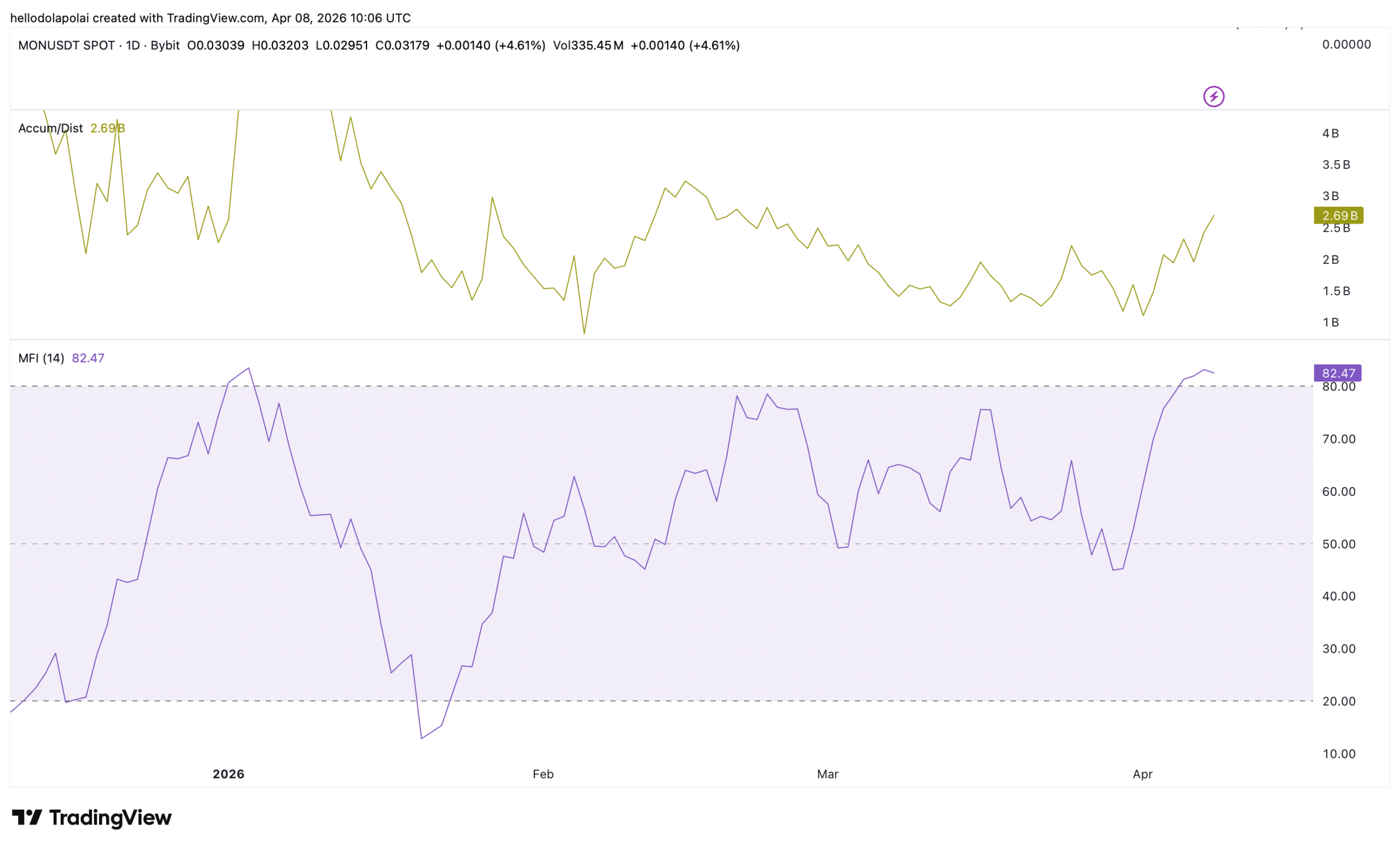
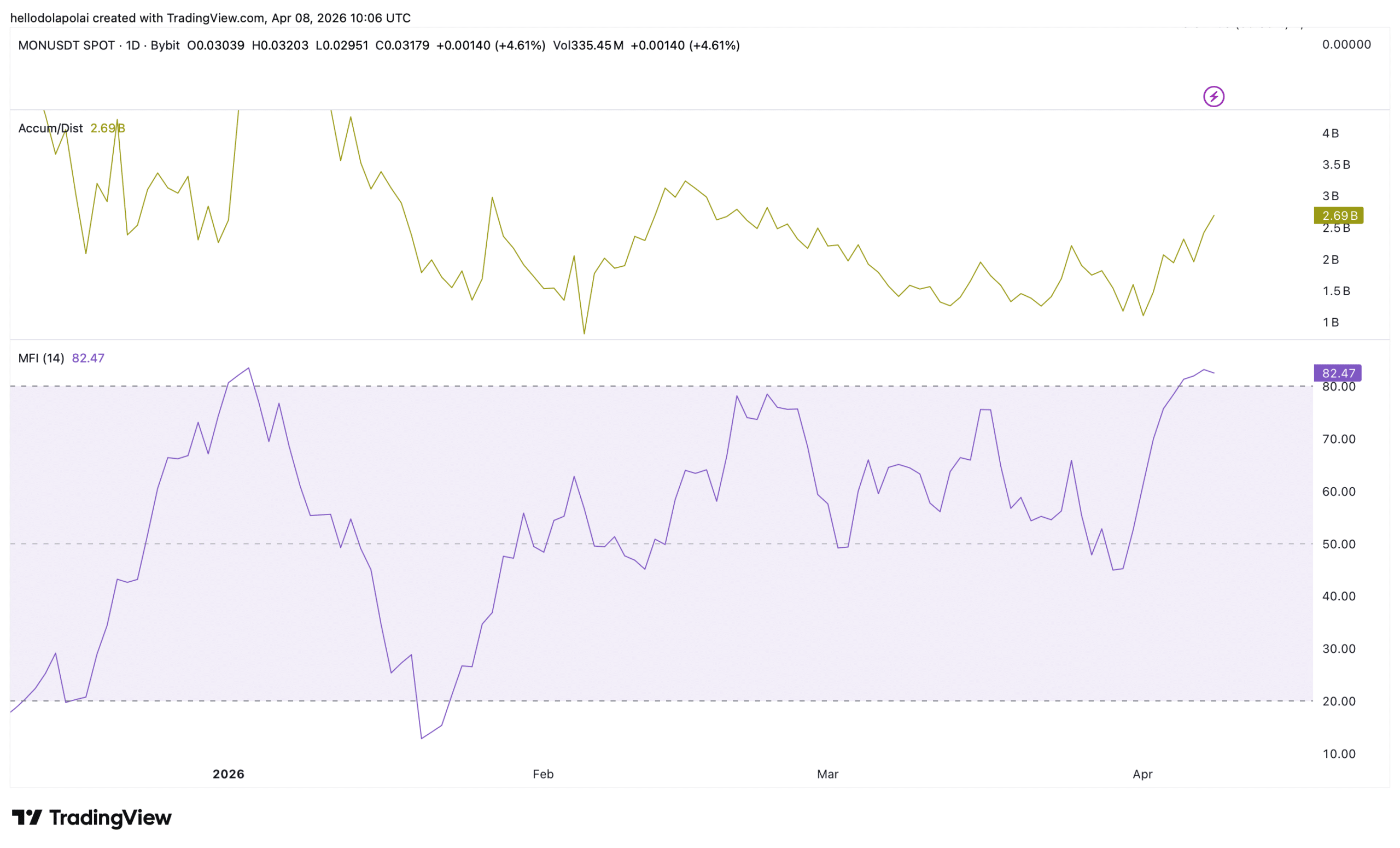
积累/分布指标持续走高,表明随着价格上涨,投资者仍在买入。交易量也同步增强,过去24小时突破26.9亿。

积累仅反映了部分情况。追踪资金流入流出的资金流量指数(MFI)同期同样显示资金流入增强。
来源:TradingView

MFI维持在80水平上方并呈上升趋势,表明投资者正布局以获取更多上涨收益。

尽管前景看涨,但需密切关注市场波动,尤其在整体市场仍处熊市阶段时,情绪可能快速转变。

预警信号显现

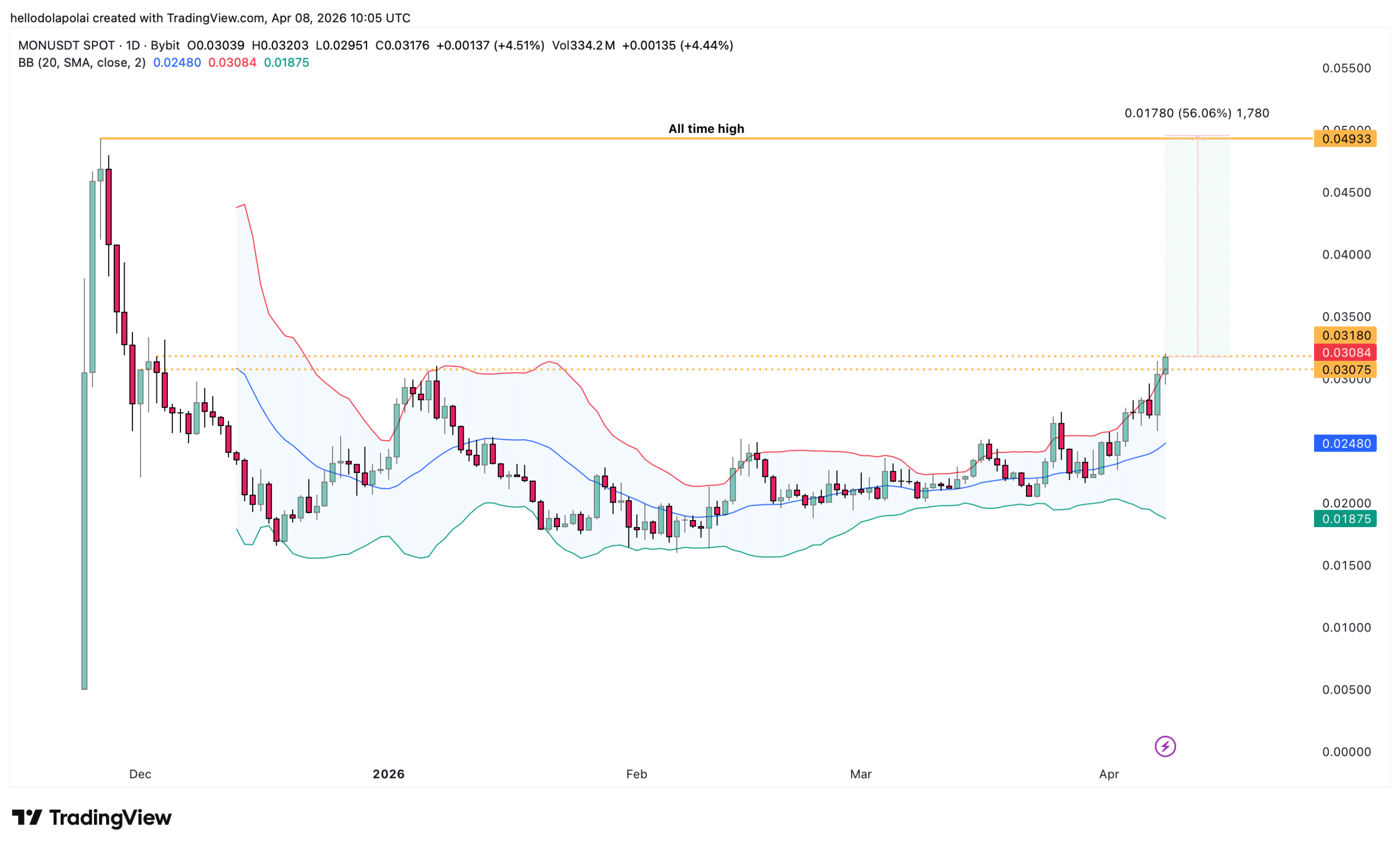
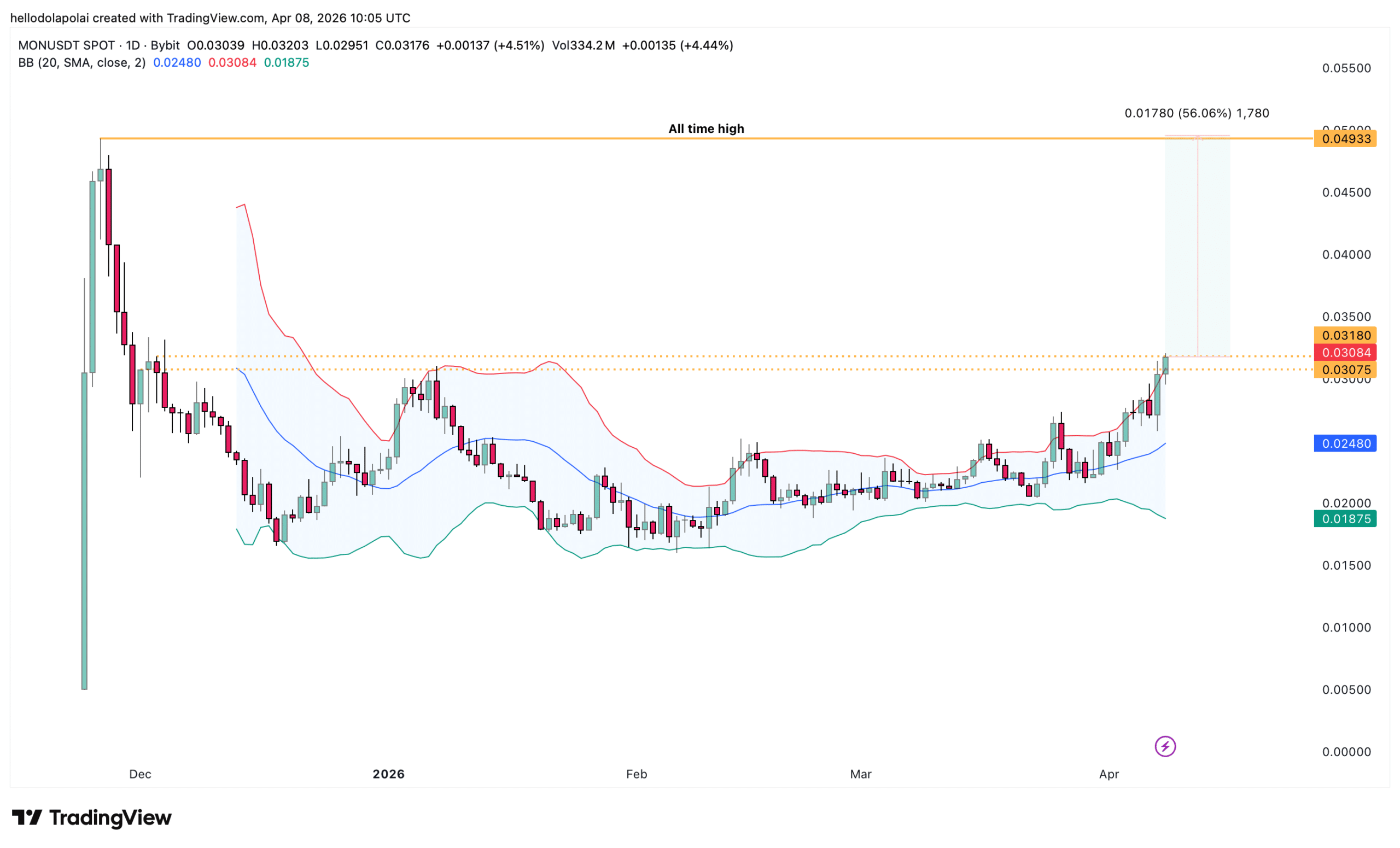
看涨布局需保持谨慎。衡量资产超买超卖的布林带指标显示,MON已进入超买区域。

该区域由上轨标记,表明买压可能减弱,或导致价格回撤至较低水平,但不一定立即反转。
来源:TradingView

这与图表中的阻力区形成共振,可能构成强劲屏障并压制价格。若出现这种情况,MON可能形成更低低点或持续震荡——若积累活动持续,后者可能性更大。

另一方面,若实现突破将显著强化MON的结构。由于上方供应区减少,价格上行将面临更小阻力。

能否冲击历史新高?

能否创历史新高取决于多重因素,其中资金流入最为关键。

从当前水平升至历史高点需上涨约56%。以15.2亿美元市值计算,需额外增加8.51亿美元资金,将总估值推至23.7亿美元。

要实现该目标,需多方看涨情绪协同:现货市场积累需保持强劲,永续合约应继续支持多头头寸,整体加密市场情绪需转涨或趋于稳定。

目前永续和现货市场的短期数据显示多头仍占主导。据CoinGlass数据,过去10天MON永续资金流达1288万美元,而现货市场过去5日资金流入维持在731万美元。


最终总结

  • MON延续涨势,积累活动再度激增,市场资金流入持续上升
  • 关键阻力位仍是决定MON能否维持大幅上涨的核心观察水平

Preguntas relacionadas

QMonad (MON) 在过去24小时内的价格表现如何?

AMonad (MON) 在过去24小时内上涨了13%,成为加密货币市场中表现领先的资产之一。

Q当前阻碍 MON 价格上涨的主要障碍是什么?

A价格目前交易在一个阻力区间内,该阻力预计会限制进一步的上涨,是当前上涨面临的主要障碍。

Q哪些指标显示投资者正在积累 MON?

A积累/分布指标持续上升,显示随着价格上涨投资者仍在买入;资金流量指数(MFI)也保持在80以上并呈上升趋势,表明资金流入强劲。

Q为什么说 MON 目前处于超买状态?

A布林带指标显示 MON 已进入上轨区域,这表明该资产处于超买状态,购买压力可能减弱,可能导致价格回调。

QMON 要达到历史新高需要满足哪些条件?

A需要资本流入保持强劲,现货市场积累持续,永续期货市场继续支持多头头寸,并且整个加密货币市场情绪转为看涨或趋于稳定。

Lecturas Relacionadas

RWA Tokenization Enters the Next Phase: What is the Truly Time-Consuming Advantage to Build?

The article argues that as tokenization frameworks for Real-World Assets (RWA) mature, the ability to issue assets is becoming less of a competitive advantage. The focus is shifting to what happens *after* issuance: which RWA operations can build enduring trust, maintain stable operations, and remain integrated into the financial ecosystem over the long term. The piece introduces the concept of a **Reserve Layer**—infrastructure that connects tokenized assets to the necessary verification, liquidity, and operational systems for on-chain finance. For an asset to serve as a reliable reserve (e.g., short-term U.S. Treasuries, gold), it needs predictable value, standardized features, deep markets, and observable pricing. However, the true, hard-to-replicate advantage lies not just in the underlying asset but in the **operational track record** built over time. This includes consistent reserve management, independent audits, successful redemptions, maintained liquidity, and protocol integrations. Each successful operation adds evidence, creating a reinforcing cycle: more evidence builds stronger institutional confidence, leading to wider distribution, deeper liquidity, and more use cases as collateral. The article presents a framework combining two dimensions: an asset's suitability as a reserve and the issuer's operational capability. The most sustainable model combines **high-quality reserve assets with strong, long-term operational discipline**. A critical blind spot is an asset with high reserve suitability (like gold) issued by an entity with a limited operational track record; the quality of the infrastructure is separate from the quality of the asset itself. In conclusion, the next phase of RWA will be defined by participants who can pair appropriate reserve assets with the operational rigor to support them through market cycles, thereby transforming tokenized RWAs into durable financial infrastructure.

marsbitHace 18 min(s)

RWA Tokenization Enters the Next Phase: What is the Truly Time-Consuming Advantage to Build?

marsbitHace 18 min(s)

Trading

Spot
活动图片