Elon Musk: Inflation Has Now Peaked, and Recession Will be Mild

beincryptoPublicado a 2022-08-10Actualizado a 2022-08-10

Resumen

Elon Musk thinks things are looking up. In a new meeting with Tesla shareholders, the billionaire was optimistic about the future of the US economy.

In a new meeting with Tesla shareholders, the billionaire was more optimistic about the future of the US economy

Musk said he and his team have "a good view of where the prices of things are going over time."

Recession should last 18 months but will likely be "mild."

During Tesla’s latest shareholder meeting, the billionaire spoke out about the difficulties facing the world’s largest economy.

To deal with the highest inflation in 40 years, the Federal Reserve (FED) raised its interest rates. This has influenced many industries, including the crypto sphere. Added to this are the uncertainties caused by the conflict between Russia and Ukraine and the increase in tensions with China. This has led many economists to believe that the United States will enter a major period of economic recession.

Elon Musk Confident About the Future

Musk himself has already given a warning about what lies ahead. He stated that a period of strong crisis could cause several bankruptcies and extend until the end of 2023. However, the richest man in the world seems confident that the scenario will not be as bad as many project.

Despite noting that “making macroeconomic forecasts is a recipe for disaster,” he predicts that the coming crisis will be “relatively mild.”

One reason for this would be the low debt of most companies. “The debt that companies have now is relatively low, so I would probably say, a mild to moderate recession, maybe 18 months or so.”
Inflation tends to fall

On inflation, the Tesla CEO commented that he and his team have “a good view of where the prices of things are going over time.” This is due to the fact that the automotive company needs to deal with various products and inputs from different parts of the world to carry out its activities.

“We get a lot of information about where the prices of things are going over time because when you make millions of cars, you have to buy goods many months ahead of when they are needed … Because it’s a long supply chain with a huge amount of inertia, so we have some sort of idea of where prices are heading over time. The interesting thing we’re seeing now is that most of our commodities, most of the things that go into a Tesla – not all, but more than half – prices are falling in six months, six months from now.”

Because the price of commodities used by the company are already falling, this is a trend that should continue for the next six months. Because of this, he projects that inflation will “fall rapidly.”

For many analysts, an improvement in the world economic scenario is crucial for the cryptocurrency market to re-enter a bullish cycle and reach new highs and records.

Lecturas Relacionadas

After semiconductors lead the gains, are funds buying into AI orders or a macroeconomic rebound?

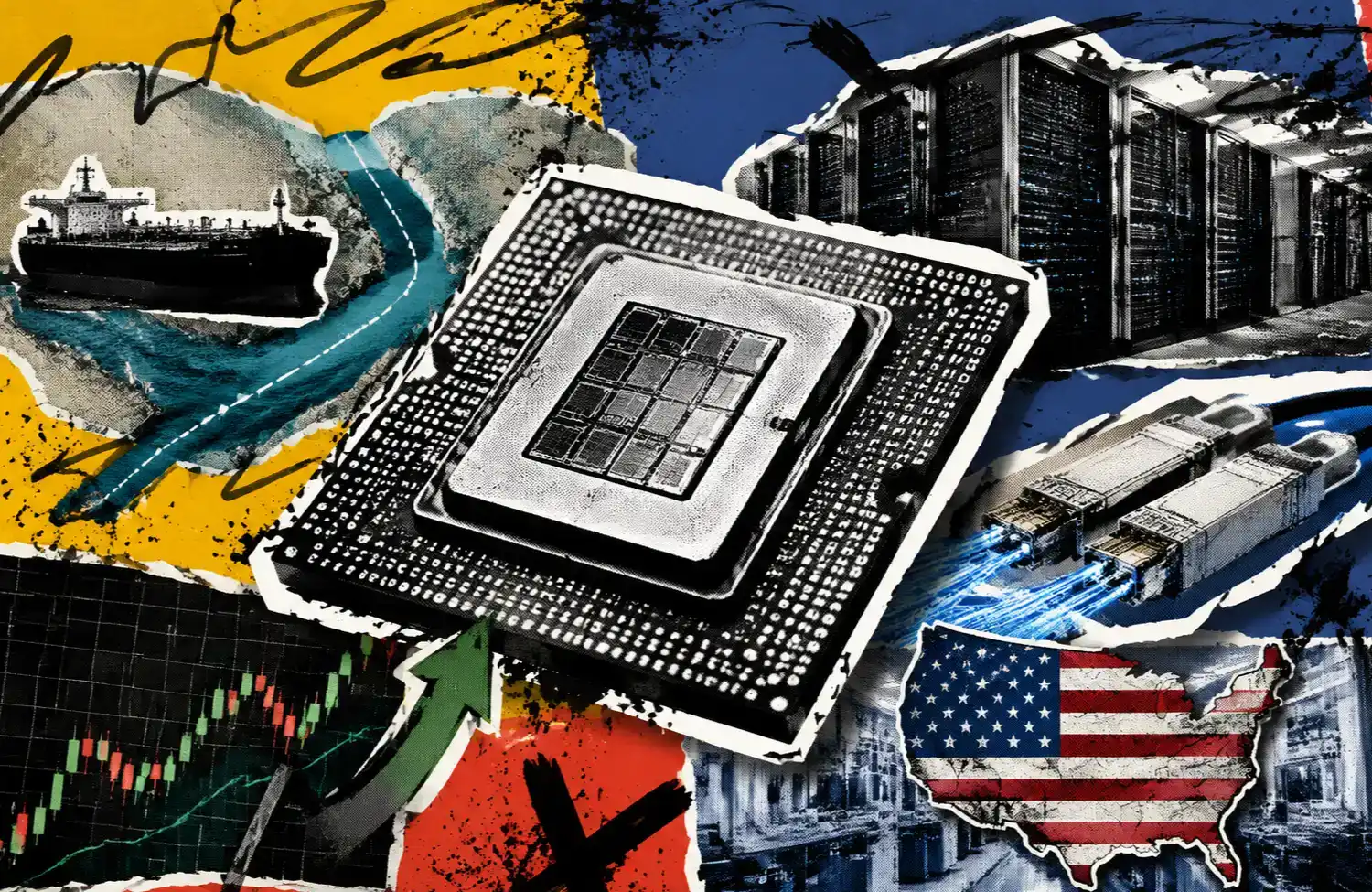
After US-Iran talks led to a temporary ceasefire and framework for reopening the strategic Strait of Hormuz, U.S. stocks rose on June 18, with the Nasdaq gaining 1.9%. The semiconductor and AI hardware sectors outperformed. This rally stemmed primarily from reduced geopolitical risk, which lowered oil prices and inflation expectations, easing discount rate pressure on high-valuation growth stocks like tech. The key question is not whether tech rebounded, but the nature of the rebound. The market appears to be selectively repricing AI infrastructure plays rather than broadly chasing AI narratives. Gains were concentrated in chips, optical interconnects, memory, and domestic manufacturing—segments tied to tangible data center build-outs and capital expenditure. Intel's ~10% surge, fueled by a Trump statement about potential Apple collaboration, exemplifies this mixed dynamic. It reflects policy catalysts and domestic manufacturing sentiment more than confirmed fundamentals. Meanwhile, strong earnings from companies like Astera Labs (revenue up 93% YoY) provided concrete evidence of AI-driven demand in hardware. In essence, the rally represents a risk-premium recalibration. Lower Middle East tensions opened a valuation repair window, and capital flowed first into AI infrastructure segments with visible near-term revenue streams. The sustainability of this move hinges on upcoming Q2 earnings, specifically continued strength in cloud provider capex, AI server orders, and hardware company guidance. Policy hopes alone are insufficient; the cycle needs validation from orders and financials.

marsbitHace 3 min(s)

After semiconductors lead the gains, are funds buying into AI orders or a macroeconomic rebound?

marsbitHace 3 min(s)

The Entire Internet Hails Noam's Joining, But OpenAI's Loss Bill Just Got Thicker

While the AI community celebrates Noam Shazeer, co-author of the "Attention Is All You Need" paper, joining OpenAI as Head of Architectural Research, the company's audited financials reveal a starkly different reality. In 2025, OpenAI reported $13.07 billion in revenue but a massive $20.92 billion operating loss. Even excluding a one-time accounting charge, the cash burn is severe, with $3.7 billion consumed in Q1 2026 alone. This high-profile hiring occurs against a backdrop of significant internal research talent drain, with key founders and researchers departing as the company's focus shifts from exploratory research to product iteration. Meanwhile, OpenAI's fundamental business model faces a deep crisis. It paid Microsoft $10.59 billion for compute in 2025, while its vast user base of 9 billion weekly actives includes only 50 million paying customers, making growth a direct driver of escalating costs. The article argues Shazeer's recruitment is less about technical necessity and more about crafting a compelling narrative for OpenAI's upcoming IPO, aiming to justify a rumored $1 trillion valuation to future public market investors. It contrasts OpenAI's strategy with Anthropic's reported path to profitability, which relies on a strong enterprise customer base and cost control, rather than star-powered narratives. Ultimately, the piece concludes that while Shazeer's architectural work may take 1-2 years to materialize, OpenAI's financial clock is ticking much faster, with its massive losses undercutting the celebratory headlines.

marsbitHace 1 hora(s)

The Entire Internet Hails Noam's Joining, But OpenAI's Loss Bill Just Got Thicker

marsbitHace 1 hora(s)

Trading

Spot
Futuros
活动图片