Wi-Fi Công cộng và Một Cuộc Gọi: Làm Thế Nào Chúng Trở Thành Cái Bẫy Hoàn Hảo Đánh Cắp 5000 Đô La Tài Sản Mã Hóa?

比推Publicado a 2026-01-09Actualizado a 2026-01-09

Resumen

Tác giả mất 5.000 USD từ ví tiền mã hóa sau khi kết nối Wi-Fi công cộng tại khách sạn trong kỳ nghỉ. Kẻ tấn công nghe lén cuộc điện thoại của nạn nhân về chủ đề tiền mã hóa, từ đó xác định mục tiêu sử dụng ví Phantom. Thông qua mạng Wi-Fi không an toàn, hacker đã tiêm mã độc vào trang web, thay thế yêu cầu giao dịch hợp lệ trên Jupiter Exchange bằng một yêu cầu ủy quyền độc hại. Nạn nhân vô tình ký phê duyệt, cho phép địa chỉ lạ truy cập ví. Sau khi rời khách sạn, hacker chuyển toàn bộ SOL, token và NFT sang ví khác. Bài học rút ra: tránh dùng Wi-Fi công cộng, không thảo luận tài sản mã hóa nơi đông người, luôn kiểm tra kỹ yêu cầu ví và sử dụng hotspot cá nhân khi cần.

Tác giả: The Smart Ape

Biên dịch: Deep Tide TechFlow

Tiêu đề gốc: Kết nối Wi-Fi khách sạn ba ngày, ví tiền mã hóa bị đánh cắp 5000 USD


Vài ngày trước, tôi và gia đình đã đến một khách sạn khá tốt để nghỉ lễ cuối năm. Một ngày sau khi rời khách sạn, ví của tôi đã bị rút sạch. Tôi không thể hiểu nổi, vì tôi không nhấp vào bất kỳ liên kết lừa đảo nào, cũng không ký bất kỳ giao dịch độc hại nào.

Sau nhiều giờ điều tra và nhờ sự giúp đỡ của các chuyên gia, cuối cùng tôi đã hiểu ra sự thật. Tất cả là do mạng Wi-Fi của khách sạn, một cuộc điện thoại ngắn và một chuỗi sai lầm ngu ngốc.
Giống như hầu hết những người đam mê tiền mã hóa, tôi mang theo máy tính xách tay, nghĩ rằng có thể tranh thủ làm việc trong khi đi nghỉ cùng gia đình. Vợ tôi đã nhiều lần khuyên tôi trong ba ngày này không nên làm việc, lẽ ra tôi nên nghe lời cô ấy.

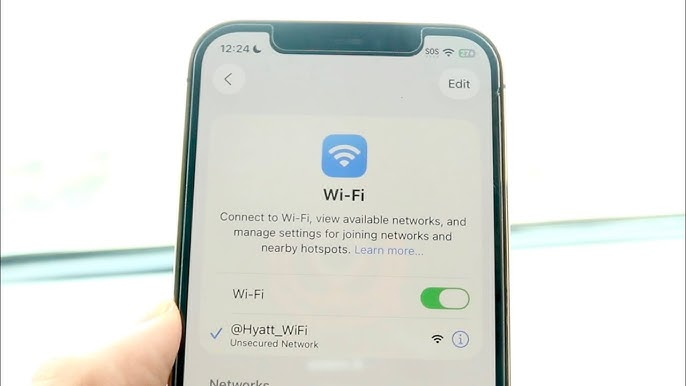
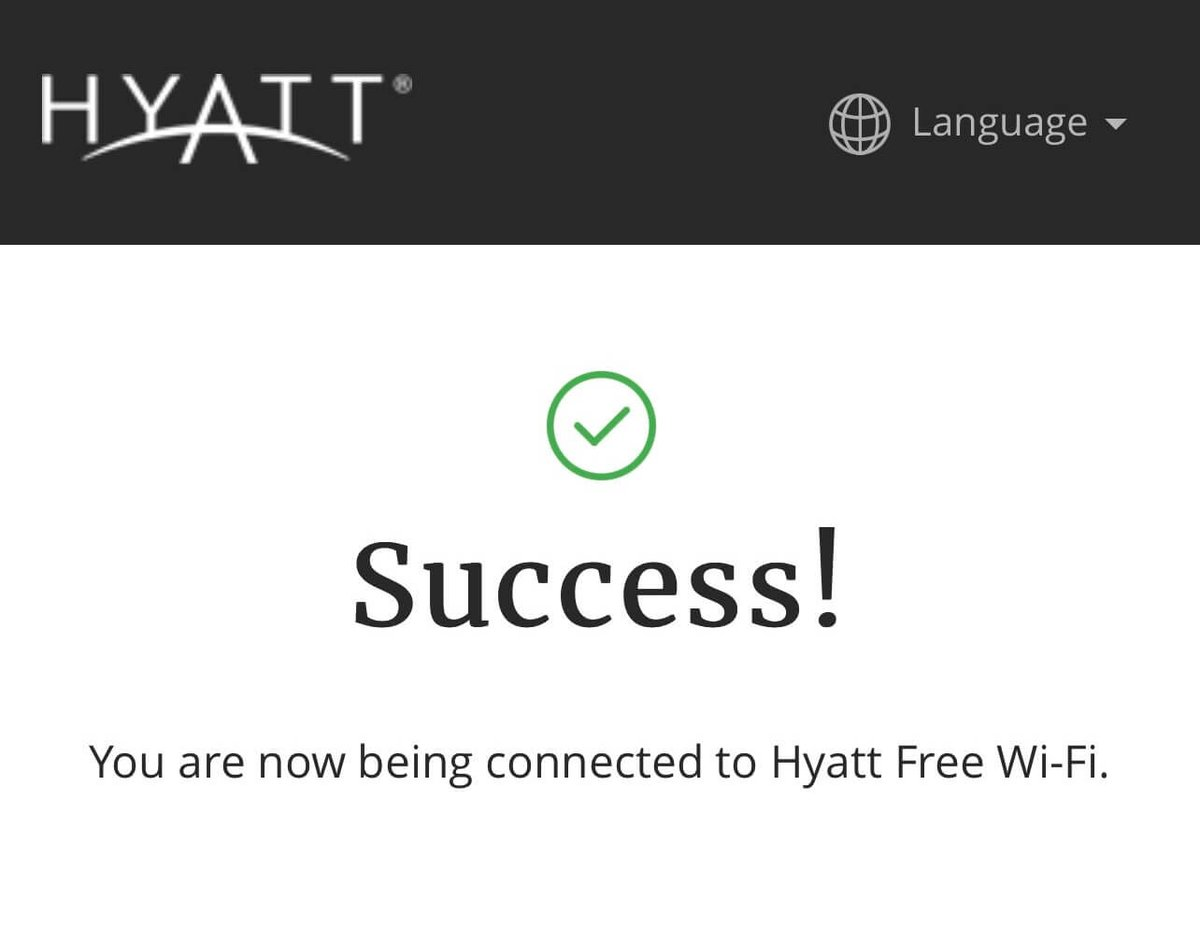
Giống như những vị khách khác, tôi đã kết nối với mạng Wi-Fi của khách sạn. Mạng này không cần mật khẩu, chỉ cần đăng nhập thông qua một trang xác thực (captive portal).
Tôi làm việc trong khách sạn như bình thường, không thực hiện bất kỳ thao tác mạo hiểm nào: không tạo ví mới, không nhấp vào các liên kết lạ, cũng không truy cập các ứng dụng phi tập trung (dApps) đáng ngờ. Tôi chỉ kiểm tra X (Twitter), số dư, Discord và Telegram, v.v.

Vào một lúc nào đó, tôi nhận được cuộc gọi từ một người bạn trong giới tiền mã hóa, chúng tôi nói chuyện về tình hình thị trường, Bitcoin và các chủ đề liên quan đến tiền mã hóa. Nhưng tôi không biết rằng, có người ở gần đó đang nghe lén cuộc trò chuyện của chúng tôi và nhận ra tôi đang làm những việc liên quan đến tiền mã hóa. Đây là sai lầm đầu tiên của tôi. Đối phương thông qua cuộc trò chuyện biết được tôi đang sử dụng ví Phantom và tôi là một người dùng nắm giữ lượng tiền không nhỏ.

Điều này khiến hắn nhắm mục tiêu vào tôi.

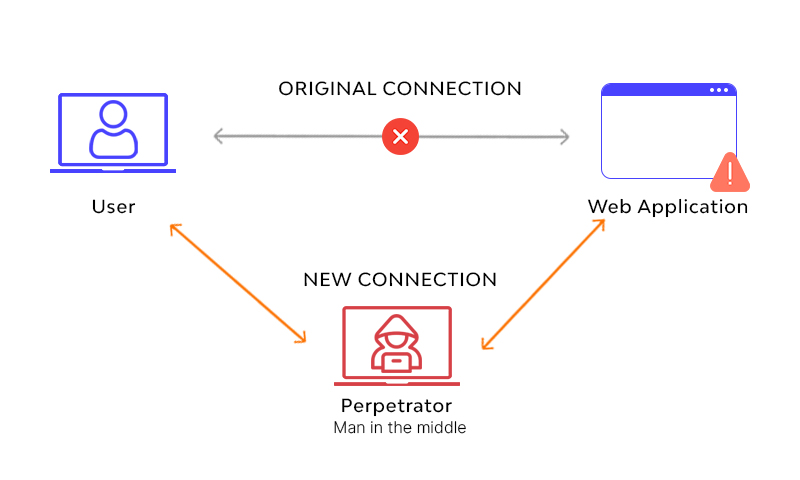
Trong mạng Wi-Fi công cộng, tất cả các thiết bị đều chia sẻ cùng một mạng, trên thực tế, khả năng hiển thị giữa các thiết bị còn cao hơn bạn tưởng. Hầu như không có biện pháp bảo vệ thực sự nào giữa người dùng, điều này tạo cơ hội cho "Tấn công trung gian" (Man-in-the-Middle Attack). Kẻ tấn công giống như một người trung gian, lặng lẽ chèn vào giữa bạn và Internet, giống như ai đó lén đọc và làm giả nội dung thư của bạn trước khi nó được gửi đến.
Khi tôi duyệt web trên Wi-Fi của khách sạn, có một trang web trông có vẻ tải bình thường, nhưng thực tế, đằng sau trang đã bị tiêm nhiễm mã độc bổ sung. Lúc đó tôi không để ý thấy bất kỳ điều gì bất thường. Nếu tôi đã cài đặt một số công cụ bảo mật, vốn có thể phát hiện ra những vấn đề này, nhưng thật tiếc, tôi đã không làm vậy.

Thông thường, trang web có thể yêu cầu ví của bạn ký một số thao tác. Ví Phantom sẽ bật lên một cửa sổ, bạn có thể chọn phê duyệt hoặc từ chối. Nói chung, bạn sẽ yên tâm ký vì tin tưởng trang web và trình duyệt này. Tuy nhiên, hôm đó tôi không nên làm vậy.

Ngay khi tôi đang thực hiện thao tác hoán đổi token trên nền tảng @JupiterExchange, mã độc đã kích hoạt một yêu cầu ví, thay thế cho thao tác hoán đổi bình thường của tôi. Vốn dĩ tôi có thể phát hiện ra đây là một yêu cầu độc hại bằng cách kiểm tra kỹ chi tiết giao dịch, nhưng vì tôi đã đang thực hiện thao tác hoán đổi trên nền tảng Jupiter rồi, nên hoàn toàn không nghi ngờ gì.
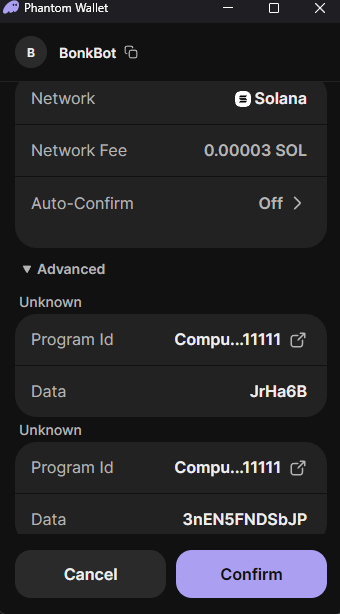
Hôm đó tôi đã không ký bất kỳ giao dịch chuyển tiền nào, mà là ký một sự cho phép ủy quyền. Đây chính là lý do vài ngày sau tài sản bị đánh cắp.

Mã độc không trực tiếp yêu cầu tôi gửi SOL (Solana), vì như vậy sẽ quá lộ liễu. Thay vào đó, nó yêu cầu tôi "ủy quyền truy cập", "phê duyệt tài khoản" hoặc "xác nhận phiên". Nói một cách đơn giản, tôi thực sự đã cho một địa chỉ khác quyền hoạt động thay mặt tôi.

Lý do tôi phê duyệt là vì tôi nhầm tưởng rằng nó liên quan đến thao tác của tôi trên Jupiter. Thông tin hiện lên trên ví Phantom lúc đó trông có vẻ kỹ thuật, không hiển thị bất kỳ số tiền nào và cũng không nhắc chuyển tiền ngay lập tức.

Và đó là tất cả những gì kẻ tấn công cần. Hắn kiên nhẫn chờ đợi, cho đến khi tôi rời khách sạn, mới bắt đầu hành động. Hắn chuyển số SOL của tôi đi, rút các token của tôi và chuyển NFT của tôi sang một địa chỉ khác.
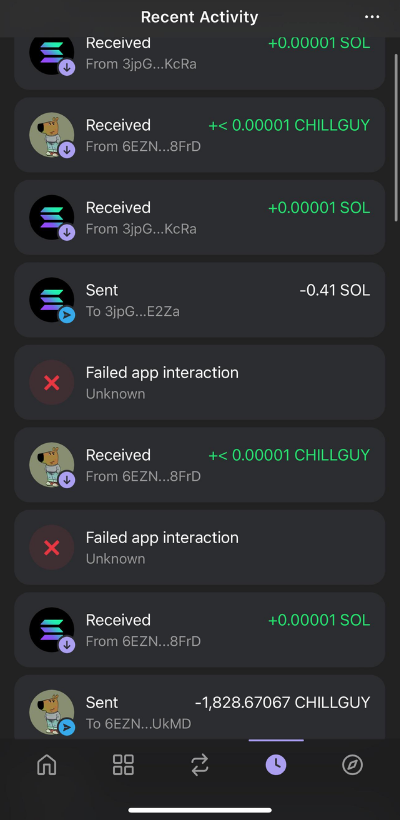
Tôi chưa bao giờ nghĩ điều như vậy có thể xảy ra với mình. May mắn thay, đây không phải là ví chính của tôi, mà là một ví nóng dùng cho các thao tác cụ thể, không phải để nắm giữ tài sản lâu dài. Nhưng ngay cả như vậy, tôi đã mắc rất nhiều sai lầm và tôi nghĩ mình phải chịu trách nhiệm chính.

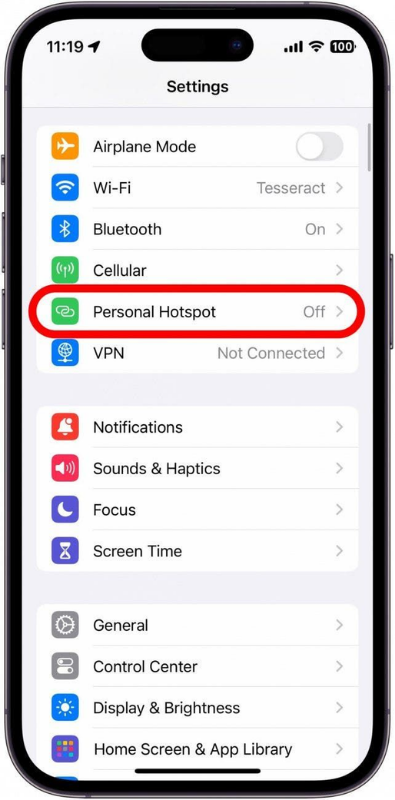
Trước hết, tôi không bao giờ nên kết nối với Wi-Fi công cộng của khách sạn. Lẽ ra tôi nên dùng điểm phát sóng (hotspot) trên điện thoại để lên mạng.
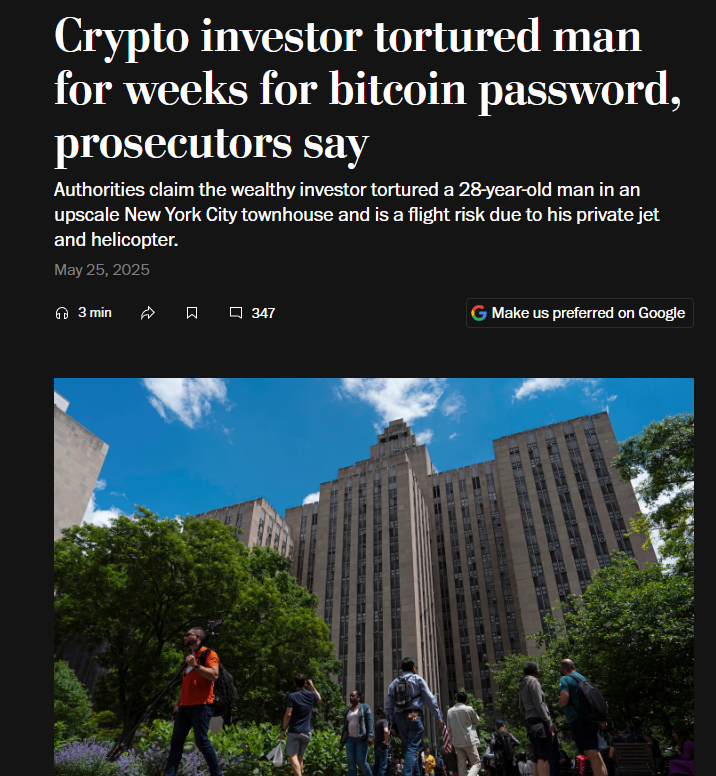
Sai lầm thứ hai của tôi là, nói chuyện về tiền mã hóa ở khu vực công cộng của khách sạn, khiến nhiều người có thể đã nghe thấy cuộc trò chuyện của chúng tôi. Cha tôi từng khuyên tôi, đừng bao giờ để người khác biết bạn làm những việc liên quan đến tiền mã hóa. Lần này vẫn còn may mắn, có những người vì tài sản mã hóa thậm chí còn bị bắt cóc hoặc những chuyện tồi tệ hơn.
Một sai lầm khác là, tôi đã phê duyệt yêu cầu ví mà không hoàn toàn chú ý. Bởi vì tôi chắc chắn yêu cầu này đến từ Jupiter, tôi đã không phân tích kỹ nó. Trên thực tế, mỗi yêu cầu từ ví đều nên được xem xét cẩn thận, ngay cả trên ứng dụng bạn tin tưởng. Yêu cầu có thể bị chặn và thực tế không đến từ ứng dụng bạn tưởng.

Cuối cùng, tôi đã mất khoảng 5000 đô la từ một chiếc ví phụ. Mặc dù đây không phải là trường hợp nghiêm trọng nhất, nhưng nó vẫn khiến người ta cảm thấy vô cùng bực bội.


Twitter:https://twitter.com/BitpushNewsCN

Nhóm trao đổi Telegram của Bitpush:https://t.me/BitPushCommunity

Kênh Telegram của Bitpush: https://t.me/bitpush

Liên kết bài gốc:https://www.bitpush.news/articles/7601380

Criptos en tendencia

Preguntas relacionadas

QMạng Wi-Fi công cộng và một cuộc điện thoại đã trở thành cái bẫy hoàn hảo như thế nào để đánh cắp tài sản mã hóa trị giá 5000 USD?

AKẻ tấn công nghe lén cuộc trò chuyện về tiền mã hóa của nạn nhân qua điện thoại, xác định ví Phantom và mục tiêu tiềm năng. Sau đó, họ sử dụng mạng Wi-Fi công cộng không an toàn của khách sạn để thực hiện tấn công trung gian (Man-in-the-Middle), chèn mã độc vào trang web nạn nhân truy cập. Mã độc này tạo ra yêu cầu ủy quyền gian lận thay vì giao dịch trao đổi thông thường trên JupiterExchange, khiến nạn nhân ký mà không nhận ra. Kẻ tấn công sau đó sử dụng quyền ủy quyền này để chuyển toàn bộ tài sản sau khi nạn nhân rời khách sạn.

QNạn nhân đã mắc phải những sai lầm nào dẫn đến việc bị mất tiền?

ANạn nhân mắc ba sai lầm chính: 1) Kết nối và sử dụng mạng Wi-Fi công cộng không an toàn của khách sạn thay vì dùng điểm phát sóng (hotspot) từ điện thoại cá nhân. 2) Nói chuyện về tiền mã hóa ở nơi công cộng, để lộ thông tin rằng mình sở hữu ví và có khối tài sản đáng kể. 3) Phê duyệt yêu cầu từ ví Phantom mà không kiểm tra kỹ lưỡng, nhầm tưởng đó là yêu cầu hợp lệ từ ứng dụng JupiterExchange.

QTấn công trung gian (Man-in-the-Middle) trong sự kiện này hoạt động như thế nào?

ATrong mạng Wi-Fi công cộng, các thiết bị kết nối có thể nhìn thấy lẫn nhau và không được bảo vệ đầy đủ. Kẻ tấn công đã chèn mình vào giữa kết nối của nạn nhân và internet. Họ chặn và thay đổi lưu lượng truy cập web, cụ thể là tiêm mã độc vào trang web mà nạn nhân đang truy cập. Mã độc này sau đó tạo ra một yêu cầu ủy quyền gian lận thay vì hành động trao đổi dự định, đánh lừa nạn nhân ký phê duyệt.

QTại sao kẻ tấn công không yêu cầu chuyển tiền ngay lập tức mà lại yêu cầu 'ủy quyền'?

AKẻ tấn công yêu cầu 'ủy quyền' hoặc 'phê duyệt quyền truy cập' thay vì chuyển tiền ngay lập tức vì điều này ít gây chú ý hơn. Một yêu cầu chuyển tiền trực tiếp với số lượng cụ thể sẽ dễ dàng bị nghi ngờ và từ chối. Trong khi đó, một yêu cầu ủy quyền trông có vẻ kỹ thuật và thường được người dùng chấp thuận, đặc biệt khi họ nghĩ rằng nó đến từ một ứng dụng đáng tin cậy. Quyền ủy quyền này cho phép kẻ tấn công toàn quyền kiểm soát tài sản trong ví sau này, và họ đã chờ đợi cho đến khi nạn nhân rời khỏi mạng Wi-Fi của khách sạn mới thực hiện hành vi trộm cắp.

QNgười dùng có thể làm gì để bảo vệ mình khỏi những kiểu tấn công như thế này?

AĐể bảo vệ bản thân, người dùng nên: 1) Luôn sử dụng Mạng Riêng Ảo (VPN) hoặc điểm phát sóng di động cá nhân (mobile hotspot) thay vì kết nối vào mạng Wi-Fi công cộng không an toàn. 2) Tránh thảo luận về các khoản nắm giữ tiền mã hóa hoặc hoạt động giao dịch ở nơi công cộng. 3) Luôn luôn kiểm tra kỹ lưỡng từng yêu cầu ký phê duyệt từ ví, ngay cả trên các ứng dụng/dApp đáng tin cậy, để đảm bảo đó không phải là yêu cầu độc hại. 4) Sử dụng ví phần cứng cho việc lưu trữ lâu dài và chỉ giữ một số tiền nhỏ trong ví nóng (hot wallet) để giao dịch thường xuyên.

Lecturas Relacionadas

Research Report Analysis: MRVL's Optical AI Booming, Why High Valuation Keeps Morgan Stanley's Star Analyst Sidelined?

Report Recap: MRVL Optical AI Boom - Why High Valuation Led Morgan Stanley's Star Analyst to Stay Neutral? Morgan Stanley analyst Joseph Moore maintained an "Equal-weight" (Neutral) rating on Marvell Technology (MRVL) on May 28, raising the price target from $172 to $195, below the trading price. This stance comes despite Marvell reporting a record quarter and significantly raising its full-year outlook (FY27 revenue ~$11.5B, up ~40%). Moore's neutral view is based on valuation. The $195 target implies ~40x CY2027 P/E. He contrasts MRVL with NVDA: both trade near ~$200, but Nvidia's forward EPS is more than double Marvell's. For MRVL's valuation to hold, it needs consistent earnings upgrades, proof of networking market share gains, or certainty on large-scale custom AI chip shipments—none of which are confirmed yet. Growth is driven by two pillars: **1) Optical Interconnect** (the faster runner): Moore raised FY27 growth expectations to >70%, with the optical module product line nearing a $1B annualized run rate. **2) Custom AI Chips** (the climber): Confidence in FY28 is growing, but a major new customer project only ramps in FY28, with no current revenue visibility. Key risks are the underperforming Storage, Enterprise, and legacy Networking segments. Moore acknowledges the real AI opportunity but believes the current price already reflects it. For the stock to work from here, investors need to see the optical business hit its targets, custom chips ramp as planned, and a recovery in the weaker business units.

marsbitHace 42 min(s)

Research Report Analysis: MRVL's Optical AI Booming, Why High Valuation Keeps Morgan Stanley's Star Analyst Sidelined?

marsbitHace 42 min(s)

qinbaFrank: Review and Outlook of the AI Computing Power Wave — From the Three Debates on NVIDIA to Optical Interconnect and SpaceX IPO, How is Capital Rotating?

**Summary: Retrospective and Outlook on the AI Computing Wave - A Framework for Capital Rotation** Based on a presentation by investor qinbaFrank, this analysis reviews the AI computing market trajectory since 2023 and outlines a forward-looking framework. **Key Phases and Market Debates:** The AI bull market progressed through three major debates: 1) The necessity of massive capital expenditure (late 2023). 2) The sustainability of tech giants' spending (early 2024-early 2025). 3) Potential overestimation of compute needs (early 2025). Consensus solidified in late 2025 as model capabilities and utility demonstrably improved. **Core Thesis: Penetration Rate Drives Commercialization.** Unlike the 2000 dot-com bubble, the current AI wave benefits from mature digital infrastructure, enabling faster adoption. The critical threshold is 10% penetration; surpassing it (with recent enterprise intent surveys showing ~18%) indicates entry into a rapid growth "golden period" where user scale and willingness to pay increase simultaneously. **AI vs. Internet: A Fundamental Difference.** While the internet enhanced connection efficiency, AI directly substitutes human cognition and labor. Once AI performance exceeds the "societal average" human level, its commercial value scales exponentially as payment shifts from human labor costs to AI service fees. **Investment Logic Evolution in the Compute Chain.** The focus has expanded from GPUs to a systemic re-rating of the entire hardware stack: storage/HBM, CPUs, interconnects, power, and advanced packaging. The framework is: **short-term "scarcity pricing," mid-term "upgrade pricing" (e.g., optical interconnects, power networks), and long-term "Physical AI" pricing** (edge computing, robotics). **Market Focus Shift and Adjustment Framework.** The market is transitioning from "hardware scarcity" to "commercialization validation." The ultimate anchor for the narrative is sustained high growth in model providers' Annual Recurring Revenue (ARR) and cloud business revenue, which justifies continued capital expenditure. Adjustments are categorized into three levels: * **L1 (Minor):** Driven by valuation compression or macro noise (e.g., single CPI print). Fundamentals intact. * **L2 (Moderate):** Triggered by significant macro events requiring risk repricing. Requires new data for confidence restoration. * **L3 (Major):** Involves a reset of the core industrial narrative or macro regime (e.g., AI commercialization growth stalling). The **crucial dividing line** is whether AI commercialization growth slows. Without a slowdown, pullbacks are likely L1/L2 "repricing" events. A genuine growth deceleration would signal an L2/L3 narrative reset. **Conclusion: A Foundational Civilizational Leap.** AI represents a foundational upgrade to "intelligence" itself—akin to humanity mastering fire—rather than a single-point industrial revolution. This底层能力跃迁 (underlying capability leap) will spawn successive waves of innovation (Agent, robotics, industry workflow重构). The journey will be波浪式的 (wavelike), driven by cycles of scarcity, technological upgrades, and远期兑现 (long-term realization).

marsbitHace 53 min(s)

qinbaFrank: Review and Outlook of the AI Computing Power Wave — From the Three Debates on NVIDIA to Optical Interconnect and SpaceX IPO, How is Capital Rotating?

marsbitHace 53 min(s)

A Country That Mined Bitcoin for 8 Years Has Built Its Own Dedicated Crypto Bank

A country that has been mining Bitcoin for eight years has established its own dedicated crypto bank. DK Bank, located in Bhutan's newly developed GMC special administrative zone, aims to fill the significant banking service gap for the cryptocurrency industry. Its CEO, Zheng YD, explained that most banks avoid crypto businesses due to a lack of risk management frameworks for decentralized and anonymous protocols. Operating under a unique "one country, two systems" governance model separate from mainland Bhutan, GMC aspires to become a financial hub for South Asia. DK Bank differentiates itself by offering integrated multi-currency accounts where users can manage both fiat currencies and stablecoins like USDT and USDC in one place, alongside services like Bitcoin-backed loans. The bank faces technical challenges in merging traditional banking systems with 24/7 crypto markets and implements rigorous on-chain and off-chain transaction monitoring for risk control. GMC's regulatory framework draws from Singaporean common law and Abu Dhabi's ADGM rules, offering a fast-track licensing process for already licensed firms while maintaining high standards. The initiative is part of Bhutan's longer-term crypto strategy, which includes Bitcoin mining since 2018. The focus, however, is on building a diversified institutional-grade crypto ecosystem—including custody and asset management—rather than retail speculative tokens. Proponents argue such sovereign crypto infrastructure is necessary, and Bhutan's early, measured approach exemplifies the thoughtful integration needed in global finance.

Foresight NewsHace 1 hora(s)

A Country That Mined Bitcoin for 8 Years Has Built Its Own Dedicated Crypto Bank

Foresight NewsHace 1 hora(s)

Trading

Spot
Futuros

Artículos destacados

Qué es APECOIN

Entendiendo Asia Pacific Electronic Coin ($APECoin) En una era donde la intersección de la tecnología y el ambientalismo se vuelve cada vez más crítica, las criptomonedas están dejando su huella como posibles catalizadores de cambio. Entre estas innovaciones, Asia Pacific Electronic Coin ($APECoin) se destaca como un proyecto distintivo diseñado para apoyar iniciativas ambientales en toda la región de Asia Pacífico. Este artículo profundiza en la fundación, características únicas e impacto de $APECoin dentro del panorama más amplio de blockchain. ¿Qué es Asia Pacific Electronic Coin ($APECoin)? Asia Pacific Electronic Coin ($APECoin) es un token ERC20 y TRC20, realizado en abril de 2020 después de su conceptualización en diciembre de 2019. Esta innovación nació del deseo de fomentar prácticas ecológicas y apoyar un conjunto de proyectos ambientales orientados a la sostenibilidad y las iniciativas verdes. Objetivos y Metas $APECoin no es simplemente una moneda digital; se concibe como un medio de intercambio que permite a los usuarios participar en transacciones que benefician directamente causas ambientales. Su ecosistema está diseñado para facilitar diversas actividades financieras mientras promueve la adopción de prácticas ecológicas. La moneda tiene como objetivo principal: Apoyar Iniciativas Ambientales: A través de cada transacción, se destina una parte a financiar proyectos sostenibles enfocados en la conservación y la energía renovable. Promover Innovaciones Ecológicas: Fomentando startups y proyectos que se alinean con la sostenibilidad ambiental mediante el uso de su token como medio de valor. Crear un Mercado Sostenible: La plataforma incluye un e-mercado donde pueden realizarse transacciones financieras dentro de un marco dedicado a promover prácticas verdes. Creador de Asia Pacific Electronic Coin ($APECoin) Si bien los detalles sobre el creador individual de $APECoin no se han divulgado públicamente, el proyecto cuenta con el respaldo significativo del Grupo APEC, un consorcio enfocado en abogar por iniciativas ambientales. Este respaldo agrega credibilidad y relevancia al proyecto, conectándolo a una red más amplia comprometida con la sostenibilidad y las prácticas ecológicas. Inversores de Asia Pacific Electronic Coin ($APECoin) El panorama de inversión en torno a $APECoin permanece en gran medida no revelado. Los nombres específicos de fundaciones u organizaciones de inversión que apoyan esta criptomoneda aún no se han hecho públicos. Sin embargo, lo que es evidente es un interés creciente entre los inversores interesados en apoyar proyectos sostenibles que demuestren potencial de impacto en el ámbito cripto. ¿Cómo funciona Asia Pacific Electronic Coin ($APECoin)? $APECoin se destaca por su innovador modelo operativo, que aprovecha la tecnología blockchain y los contratos inteligentes. Esta combinación no solo garantiza eficiencia en las transacciones, sino que también refuerza el cumplimiento de los marcos regulatorios, mejorando la seguridad y transparencia de las transacciones. Características Únicas de $APECoin Operaciones Basadas en Blockchain: Al establecer sus operaciones en una plataforma de blockchain, $APECoin asegura que todas las transacciones sean inmutables y estén protegidas mediante técnicas criptográficas avanzadas. Esta descentralización subraya la integridad del token dentro de su ecosistema. Contratos Inteligentes: $APECoin emplea contratos inteligentes que facilitan transacciones sin problemas mientras garantizan el cumplimiento de las regulaciones aplicables. Estos acuerdos automatizados minimizan la posibilidad de disputas, agilizan los procesos y contribuyen a un marco de transacciones confiable. E-Mercado: Una de las características distintivas de $APECoin es su e-mercado dedicado. Este entorno digital sirve como un centro para servicios que apoyan prácticas ecológicas, proporcionando una plataforma para intercambios que promueven la visión verde del proyecto. A través de estos atributos, $APECoin se establece en un nicho dentro de la vasta extensión del mercado de criptomonedas, casando efectivamente los principios de blockchain con la responsabilidad ambiental. Cronología de Asia Pacific Electronic Coin ($APECoin) Entender la trayectoria de $APECoin proporciona una visión sobre sus hitos de desarrollo y aspiraciones futuras. Aquí hay una cronología que resalta eventos significativos en la historia del proyecto: Diciembre 2019: Conceptualización de Asia Pacific Electronic Coin, iniciada con la ambición de impulsar la sostenibilidad a través de la criptomoneda. Abril 2020: Lanzamiento oficial de $APECoin, marcando su entrada en el mercado como un token dedicado a proyectos ambientales. 2020-2021: Realización de la Oferta Inicial de Intercambio (IEO), permitiendo a los usuarios comprar $APECoin, junto con el registro en varias plataformas de intercambio electrónico para mejorar la accesibilidad. En su relativamente corta trayectoria, $APECoin ha avanzado significativamente en sentar las bases para una criptomoneda segura y con impacto impulsada por objetivos ambientales. Conclusión Asia Pacific Electronic Coin ($APECoin) encarna la unión de la tecnología y la responsabilidad ambiental, fomentando el crecimiento en el ecosistema cripto mientras defiende la sostenibilidad. Con su estructura única, el respaldo de entidades reputadas y una visión hacia un futuro más verde, $APECoin es más que una criptomoneda; es un proyecto pionero destinado a nutrir la innovación responsable en la región de Asia Pacífico. A través de su compromiso con la inclusión financiera y su apoyo a iniciativas ambientales, se erige como un formidable ejemplo de cómo las monedas digitales pueden aprovecharse para generar un impacto social positivo. A medida que el proyecto sigue evolucionando, los interesados dentro de la comunidad cripto y más allá estarán atentos a cómo $APECoin da forma a la conversación en torno a las prácticas sostenibles en el creciente mundo de las criptomonedas.

42 Vistas totalesPublicado en 2024.12.03Actualizado en 2024.12.03

Qué es APECOIN

Cómo comprar APE

¡Bienvenido a HTX.com! Hemos hecho que comprar ApeCoin (APE) sea simple y conveniente. Sigue nuestra guía paso a paso para iniciar tu viaje de criptos.Paso 1: crea tu cuenta HTXUtiliza tu correo electrónico o número de teléfono para registrarte y obtener una cuenta gratuita en HTX. Experimenta un proceso de registro sin complicaciones y desbloquea todas las funciones.Obtener mi cuentaPaso 2: ve a Comprar cripto y elige tu método de pagoTarjeta de crédito/débito: usa tu Visa o Mastercard para comprar ApeCoin (APE) al instante.Saldo: utiliza fondos del saldo de tu cuenta HTX para tradear sin problemas.Terceros: hemos agregado métodos de pago populares como Google Pay y Apple Pay para mejorar la comodidad.P2P: tradear directamente con otros usuarios en HTX.Over-the-Counter (OTC): ofrecemos servicios personalizados y tipos de cambio competitivos para los traders.Paso 3: guarda tu ApeCoin (APE)Después de comprar tu ApeCoin (APE), guárdalo en tu cuenta HTX. Alternativamente, puedes enviarlo a otro lugar mediante transferencia blockchain o utilizarlo para tradear otras criptomonedas.Paso 4: tradear ApeCoin (APE)Tradear fácilmente con ApeCoin (APE) en HTX's mercado spot. Simplemente accede a tu cuenta, selecciona tu par de trading, ejecuta tus trades y monitorea en tiempo real. Ofrecemos una experiencia fácil de usar tanto para principiantes como para traders experimentados.

78 Vistas totalesPublicado en 2025.02.24Actualizado en 2026.06.02

Cómo comprar APE

Discusiones

Bienvenido a la comunidad de HTX. Aquí puedes mantenerte informado sobre los últimos desarrollos de la plataforma y acceder a análisis profesionales del mercado. A continuación se presentan las opiniones de los usuarios sobre el precio de APE (APE).

活动图片














