The Block Research Dự đoán: IPO Sẽ Vượt Qua Phát Hành Token, Thị Trường Dự Đoán Sẽ Tự Phát Triển Blockchain

marsbitPublicado a 2026-01-05Actualizado a 2026-01-05

Resumen

The Block Research, một cơ quan nghiên cứu tiền mã hóa nổi tiếng, đã đưa ra hàng loạt dự báo cho năm 2026. Các nhà phân tích của họ dự đoán Bitcoin có thể chạm mốc 140.000 USD, vốn hóa stablecoin vượt 500 tỷ USD, và các công ty hàng đầu như Kraken, BitGo, Consensys có thể sẽ IPO, thu hút sự chú ý của dòng vốn truyền thống. Đáng chú ý, nhiều dự án có thể trì hoãn phát hành token để chuyển hướng sang IPO. Các thị trường dự đoán (prediction markets) như Polymarket và Kalshi được kỳ vọng tăng trưởng mạnh, khối lượng giao dịch tăng ít nhất gấp ba lần, và ít nhất một trong số họ sẽ ra mắt blockchain riêng. Các sàn giao dịch phái sinh phi tập trung (DEX) cũng sẽ phát triển, chiếm 25% khối lượng giao dịch so với các sàn tập trung (CEX). Tuy nhiên, thị trường có thể phân hóa mạnh. Các dự án chất lượng thấp sẽ mất dần sự chú ý, trong khi tiền và sự chú ý sẽ đổ vào các dự án chất lượng có người dùng thực sự. NFT và memecoin được dự báo sẽ không phục hồi. Quan trọng hơn, stablecoin được kỳ vọng sẽ trở thành tài sản trung lập chính để kết nối các mạng lưới ngân hàng, với vốn hóa dự kiến vượt 500 tỷ USD.

Bài gốc | Odaily Planet Daily (@OdailyChina)

Tác giả | jk
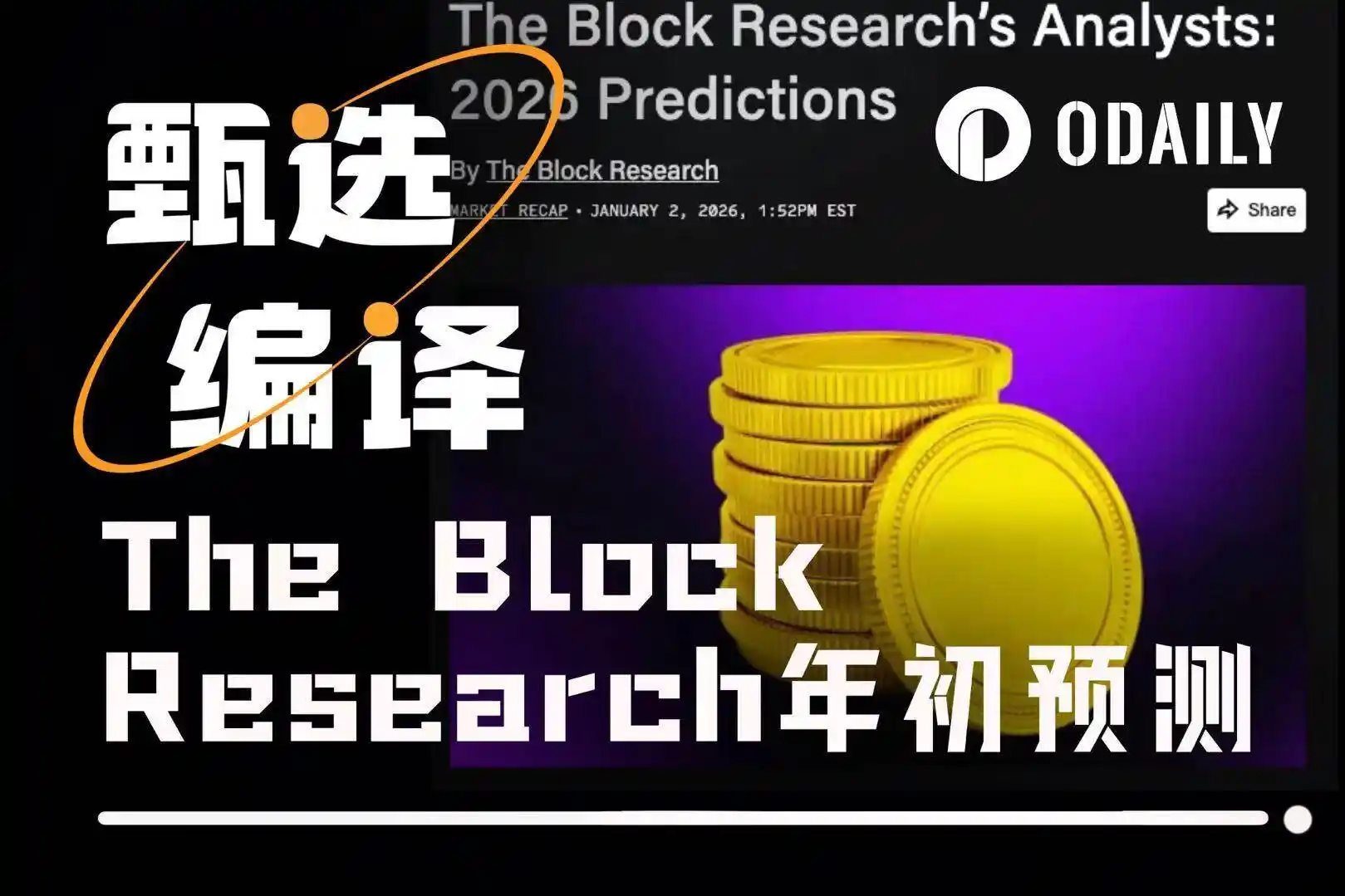
Tổ chức nghiên cứu tiền mã hóa nổi tiếng The Block Research đã công bố báo cáo dự đoán hàng năm vào đầu năm mới. Là một trong những nhóm nghiên cứu chuyên nghiệp đầu tiên được thành lập trong ngành, The Block Research có ảnh hưởng lớn trong giới nhờ phân tích dữ liệu sâu sắc và những hiểu biết thị trường đáng tin cậy. Năm nay, nhóm các nhà phân tích của họ lại đưa ra nhiều dự báo: Bitcoin sẽ chạm mốc 140.000 USD, vốn hóa thị trường stablecoin vượt 500 tỷ USD, Polymarket và Base sẽ phát hành token và lọt vào top 10, nhiều công ty tiền mã hóa sẽ IPO, v.v.. Điều thú vị là quan điểm của các nhà phân tích không hoàn toàn thống nhất, một số lạc quan rằng năm 2026 sẽ có một thị trường tăng giá nhỏ, trong khi một số khác cho rằng thị trường sẽ tiếp tục phân hóa.

Báo cáo dự đoán này là sự kết hợp các quan điểm độc lập của mỗi người. Hãy cùng xem các nhà nghiên cứu hàng đầu trong ngành đã nói gì; nhớ cuối năm quay lại kiểm tra xem ai đã bị 'tát' nhé!

Dự đoán của Steven

Bitmine của Tom Lee sẽ bán tháo ETH lần đầu tiên trước khi kết thúc quý I năm 2026. Đợt bán tháo này sẽ trở thành ngòi nổ, thúc đẩy nhiều Quỹ tín thác tài sản kỹ thuật số (DAT) khác bán theo, làm giảm thêm tâm lý thị trường.

Vị thế thống trị thị trường của Bitcoin sẽ duy trì trên 50% trong cả năm.

Polymarket và Base sắp phát hành token, giá trị vốn hóa hoàn toàn pha loãng (FDV) dự kiến sẽ lọt vào top 10.

Hệ sinh thái Base sẽ xuất hiện hàng loạt ứng dụng tiền mã hóa ưu tiên di động. Thị trường sẽ xuất hiện một số làn sóng luân chuyển điểm nóng nhỏ tương tự năm 2025, bao gồm: phân khúc RWA (Tài sản thế giới thực), phân khúc thị trường dự đoán và các dự án trên thiết bị di động.

Tether cùng các tổ chức khác sẽ ra mắt sàn giao dịch tiền mã hóa tại Mỹ.

Robinhood sẽ ra mắt hợp đồng vĩnh cửu (perpetual contract) tiền mã hóa.

Dự đoán của Eden

Tốc độ lưu thông của stablecoin sẽ bùng nổ, động lực chính là việc các tổ chức thanh toán được quản lý bắt đầu sử dụng stablecoin để thanh toán bù trừ. Tổng vốn hóa thị trường stablecoin sẽ vượt 400 tỷ USD, nhưng thị phần của USDT sẽ giảm. Sẽ có 20 stablecoin đạt vốn hóa trên 1 tỷ USD. Tổng giá trị RWA không phải stablecoin sẽ vượt 30 tỷ USD. Ngoài vàng, các hàng hóa đại chúng khác cũng sẽ được mã hóa và đạt được sự chấp nhận nhất định của thị trường.

Các sàn giao dịch hợp đồng vĩnh cửu phi tập trung sẽ ra mắt hợp đồng vĩnh cửu cổ phiếu và hàng hóa, và tạo ra khối lượng giao dịch đáng kể. Tỷ lệ khối lượng giao dịch giữa DEX và CEX, cả giao ngay và vĩnh cửu, sẽ ổn định ở mức khoảng 20%. Các DEX dựa trên mô hình báo giá (RFQ) sẽ nổi lên.

Khối lượng giao dịch hàng năm của Polymarket và Kalshi sẽ tăng ít nhất gấp ba lần, hai bên sẽ cạnh tranh khốc liệt trong việc giành các đối tác độc quyền. Ít nhất một trong số họ sẽ ra mắt blockchain riêng.

Plasma sẽ trở thành blockchain có TVL (Tổng giá trị bị khóa) đứng thứ tư nhờ các hoạt động on-chain thực sự, là một trong số ít blockchain doanh nghiệp có mức tăng trưởng hữu cơ thực sự. Base và MetaMask sẽ phát hành token gốc. Nhiều doanh nghiệp tiền mã hóa hàng đầu như Kraken, BitGo và Consensys sẽ tiến hành IPO, thu hút lại sự chú ý của vốn chủ sở hữu truyền thống. Strategy và BitMine sẽ không bán số BTC và ETH mà họ nắm giữ.

Bitcoin sẽ vượt qua 140.000 USD. Mặc dù thị phần của Bitcoin sẽ giảm, nhưng sẽ không giảm mạnh dưới 50%.

Bitcoin sẽ lập đỉnh mới vào quý II.

Các nền tảng phát hành NFT và memecoin sẽ không trở lại.

Khái niệm về quyền riêng tư sẽ dần mờ nhạt khỏi thị trường.

Lý thuyết chu kỳ 4 năm sẽ bị bác bỏ trước cuối năm.

Dự đoán của Gabriel

Giá giao dịch của DAT sẽ tiếp tục thấp hơn giá trị tài sản ròng đã điều chỉnh (mNAV), buộc nhiều quỹ phải bán tài sản. Khi các ETF tiền mã hóa giao dịch ngày càng thuận tiện và có tỷ lệ rủi ro/lợi nhuận tốt hơn, câu chuyện về DAT sẽ dần mất đi sức hút.

Việc mở khóa token quy mô lớn kết hợp với tâm lý thị trường yếu sẽ tạo ra áp lực bán liên tục đối với các token được phát hành trong chu kỳ này. Các chiến lược mua lại và đốt token thiển cận sẽ trở thành gánh nặng cho các dự án khi tâm lý thị trường xấu đi và dự trữ tiền mặt giảm.

Định giá gọi vốn sẽ thấp hơn đáng kể so với mức năm nay. Nhiều nhà đầu tư mạo hiểm sẽ rút ra bài học từ các khoản đầu tư định giá cao - mặc dù có vẻ rẻ hơn so với chu kỳ trước, nhưng khi ngành trưởng thành và làn sóng truyền thông giảm dần, định giá sẽ tiếp tục được điều chỉnh giảm.

Token gốc của mạng sẽ khó thu hút lực mua, vì stablecoin đang trở thành loại tài sản hấp dẫn và được sử dụng rộng rãi nhất trong DeFi, hoạt động on-chain đang chuyển nhanh từ định giá bằng ETH và SOL sang định giá bằng USDC.

Dự đoán của Ivan

Năm 2026 sẽ có sự phục hồi theo hình chữ K: các dự án chất lượng thấp sẽ mất sự chú ý của thị trường, vốn và sự chú ý sẽ tập trung vào các dự án chất lượng cao có người dùng thực sự trả phí.

Các lĩnh vực nổi bật bao gồm sàn giao dịch hợp đồng vĩnh cửu phi tập trung và thị trường dự đoán.

Các dự án tiền mã hóa nói chung bắt đầu trì hoãn việc phát hành token, thay vào đó chọn con đường IPO. Tương tự, các DAT chất lượng sẽ tiếp tục khám phá các trường hợp sử dụng on-chain, trong khi các quỹ khác buộc phải bán token dưới áp lực giá trị tài sản ròng tiếp tục thu hẹp.

Do các altcoin khó duy trì vị thế thị trường, thị phần của Bitcoin sẽ tăng vào năm 2026, vốn sẽ chảy vào các doanh nghiệp tiền mã hóa niêm yết. Cổ phiếu tiền mã hóa sẽ tiếp tục thể hiện mạnh mẽ, nhờ vào sự đa dạng hóa hoạt động kinh doanh (các công ty khai thác chuyển đổi sang điện toán AI, các sàn giao dịch ra mắt giao dịch cổ phiếu, v.v.). Mặc dù có biến động, hiệu suất của Bitcoin trong năm 2026 sẽ vượt trội so với Nasdaq. Ngoài lĩnh vực tiền mã hóa, việc Mỹ bán vàng sẽ đánh dấu mức đáy của chỉ số USD.

Dự đoán của Brandon

Việc các ngân hàng phát hành token tiền gửi vào năm 2026 sẽ dẫn đến tính phân mảnh của thanh khoản thể chế giữa các sổ cái độc quyền của các ngân hàng (ví dụ: đồng JPMorgan của JPMorgan Chase và đồng Citi của Citigroup cạnh tranh nhau). Vì các ngân hàng toàn cầu về mặt cấu trúc không thể nắm giữ một lượng lớn nợ của đối thủ cạnh tranh, USDC sẽ trở thành tài sầu cầu nối trung lập chủ đạo, và sự tăng trưởng của nó trong năm 2026 phần lớn đến từ giá trị như một công cụ thanh toán bù trừ giữa các mạng lưới ngân hàng biệt lập.

Giao dịch giữa các đại lý (Agent-to-Agent) sẽ được chuẩn hóa trên giao thức x402 và chiếm một phần quan trọng trong hoạt động on-chain toàn cầu.

Các sản phẩm phái sinh tiền mã hóa "chữ cái Hy Lạp", như sản phẩm biến động ngụ ý (ví dụ: BTCVOL-PERP) hoặc hoán đổi tỷ lệ tài trợ, sẽ được thị trường ưa chuộng vào năm 2026.

Dự đoán của Alessandro

Năm 2026 sẽ khởi đầu chậm chạp, nửa đầu năm sẽ vận hành trong biên độ giao động. Mức bù rủi ro cao và sự kén chọn của vốn khiến các đồng tiền chủ đạo thể hiện tốt nhất, những người chiến thắng liên tục là những sản phẩm có người dùng thực và được sử dụng liên tục, đặc biệt là ví và nền tảng giao dịch, ngay cả khi token thể hiện yếu vẫn tiếp tục thu hút khách hàng. Nửa cuối năm thiên về tăng giá, một số ít hệ sinh thái và dự án sẽ thu hút phần lớn dòng vốn tăng thêm, lực mua mạnh mẽ nhất đến từ những sản phẩm tiêu dùng mới kết hợp rủi ro với nền tảng cơ bản vững chắc.

Tính tương tác liên chuỗi trở thành chủ đề chính của năm, những cải tiến về định tuyến liên chuỗi và trừu tượng hóa chuỗi (chain abstraction) giúp các "siêu ứng dụng" giành được thị phần. RWA đạt được tiến bộ thông qua cổ phiếu được mã hóa, hợp đồng vĩnh cửu vốn chủ sở hữu và sản phẩm tín dụng, trong khi tài chính truyền thống tiếp tục thúc đẩy công nghệ sổ cái phân tán nội bộ hoặc được cấp phép. Điều này làm trầm trọng thêm sự phân hóa giữa "tiền mã hóa thực sự" (như một thử nghiệm rủi ro cao cho các cơ chế và thị trường mới) và hệ thống sổ cái phân tán cấp doanh nghiệp.

Việc thực thi, công cụ và tự động hóa tốt hơn khiến hoạt động arbitrage tiếp tục tập trung vào các tổ chức chuyên nghiệp. Nguồn cung stablecoin tăng trưởng nhanh hơn, USD vẫn chiếm ưu thế, nhưng đồng franc Thụy Sĩ và đô la Singapore tăng trưởng mạnh nhất từ cơ sở nhỏ. Thị trường dự đoán tăng trưởng kép trong thời gian bầu cử giữa kỳ ở Mỹ, đồng thời rủi ro điều tra giao dịch nội gián hỗn loạn cũng đang gia tăng.

Dự đoán của Simon

Thị phần của Bitcoin duy trì trên 50%. Tổng vốn hóa thị trường tiền mã hóa sẽ không vượt qua 4 nghìn tỷ USD. Dòng tiền vào ETF của tất cả các đồng tiền sẽ duy trì dòng vốn ròng trong cả năm. Khối lượng giao dịch ETF không phải BTC và ETH sẽ đạt 20 tỷ USD. Tỷ lệ áp dụng stablecoin tiếp tục tăng, các doanh nghiệp truyền thống sẽ ra mắt stablecoin mới, các stablecoin hiện có cũng sẽ tiếp tục mở rộng.

Thị trường dự đoán là ứng dụng tiền mã hóa phát triển nhanh nhất năm 2026, hợp đồng mở (open interest) đạt 500 triệu USD, khối lượng giao dịch sẽ chiếm 3% tổng khối lượng CEX. Các nền tảng này sẽ phát hành token để tích cực thu hút người dùng. Nhờ tiến bộ công nghệ, khối lượng giao dịch phái sinh phi tập trung tiếp tục tăng, sẽ đạt 25% khối lượng giao dịch phái sinh tập trung.

NFT sẽ không phục hưng vào năm 2026, khối lượng giao dịch thị trường NFT sẽ tiếp tục thu hẹp.

Dự đoán của Tiago

Thị trường dự đoán sẽ tiếp tục là một trong những câu chuyện mạnh mẽ nhất trong lĩnh vực tiền mã hóa, trong khi các khái niệm thống trị thị trường trong hai năm qua sẽ mất đà, chẳng hạn như memecoin và các nền tảng phát hành khác nhau.

Ngay cả khi ETF và các công cụ tài chính khác tiếp tục thu hút sự chú ý của các tổ chức và nhà đầu tư nhỏ lẻ, nhưng trong bối cảnh căng thẳng địa chính trị gia tăng, Bitcoin và các đồng tiền chủ đạo khác sẽ khó tiếp tục tạo ra mức cao lịch sử mới.

Stablecoin vẫn sẽ là câu chuyện mạnh mẽ nhất để thu hút người dùng mới vào lĩnh vực tiền mã hóa, các nhà chơi chính hoặc sẽ tự phát hành stablecoin riêng, hoặc thiết lập quan hệ đối tác với các tổ chức thành lập lâu năm như Circle, Tether.

Dự đoán của Ian

Hầu hết các DAT sẽ sụp đổ vào năm 2026, do giá cổ phiếu của họ giảm xuống dưới giá trị tài sản ròng, phá vỡ mô hình phát hành thêm cổ phiếu đã hỗ trợ tăng trưởng của họ vào năm 2025. Các ETF tiền mã hóa cung cấp tính thanh khoản tốt hơn và phí thấp hơn, tiếp tục thu hẹp không gian sống của DAT. Strategy và một số ít tổ chức lớn sống sót nhờ quy mô và lợi thế thương hiệu, nhưng các DAT nhỏ phải đối mặt với số phận thanh lý, bị mua lại hoặc buộc phải chuyển đổi.

Nguồn cung stablecoin sẽ vượt qua mốc 500 tỷ USD, khối lượng giao dịch vượt hệ thống ACH của Mỹ trong quý III. Tăng trưởng tăng tốc đồng thời trên hai tuyến: tiếp tục mở rộng ở các thị trường mới nổi và hòa nhập vào quy trình thanh toán doanh nghiệp ở các thị trường phát triển. Các doanh nghiệp chuyển từ nắm giữ thụ động sang ứng dụng thực tế, chuyển một phần thanh toán nhà cung cấp xuyên biên giới, lương cho nhà thầu quốc tế và thanh toán nội bộ tập đoàn sang quỹ đạo stablecoin. Ít nhất một tổ chức thẻ chính sẽ hoàn thành 5-10% thanh toán thương nhân xuyên biên giới thông qua stablecoin trước cuối năm. Các nền tảng thanh toán B2B ngày càng tích hợp tùy chọn stablecoin cho hóa đơn quốc tế.

Thị trường dự đoán tăng trưởng bùng nổ trong thời gian bầu cử giữa kỳ ở Mỹ, khối lượng giao dịch của Polymarket tăng gấp bốn lần so với năm 2024. Ngành xuất hiện sự phân hóa: Polymarket và Kalsi thống trị thị trường văn hóa và chính trị, trong khi các nền tảng DeFi chuyên biệt tập trung vào các sản phẩm tài chính có đòn bẩy. 85% các nền tảng chạy theo xu hướng sẽ đóng cửa vì không thể thu hút người dùng. Khuôn khổ pháp lý cho cá cược thể thao và thị trường dự đoán vẫn chưa được làm rõ cho đến cuối năm, nhưng tốc độ tăng trưởng người dùng vẫn tăng nhanh do quy mô thị trường khổng lồ và cực kỳ hấp dẫn.

Criptos en tendencia

Preguntas relacionadas

QThe Block Research dự đoán giá Bitcoin sẽ đạt mức nào vào năm 2026?

AThe Block Research dự đoán Bitcoin sẽ vượt ngưỡng 140.000 USD.

QHai nền tảng nào được dự báo sẽ phát hành token riêng và có thể lọt vào top 10 vốn hóa thị trường?

APolymarket và Base là hai nền tảng được dự báo sẽ phát hành token và có thể lọt vào top 10 vốn hóa thị trường.

QXu hướng nào được cho là sẽ thay thế việc phát hành token (phát hành tiền mã hóa) cho các dự án crypto?

AXu hướng các dự án crypto lựa chọn IPO (phát hành lần đầu ra công chúng) thay vì phát hành token đang được dự báo sẽ phổ biến.

QLĩnh vực ứng dụng crypto nào được kỳ vọng có tốc độ tăng trưởng nhanh nhất trong năm 2026 theo báo cáo?

AThị trường dự đoán (prediction markets) được kỳ vọng là lĩnh vực ứng dụng crypto có tốc độ tăng trưởng nhanh nhất trong năm 2026.

QCó ít nhất một nền tảng thị trường dự đoán lớn được cho là sẽ làm gì để phát triển?

AÍt nhất một trong các nền tảng thị trường dự đoán lớn như Polymarket hoặc Kalshi được dự đoán sẽ ra mắt blockchain riêng của mình.

Lecturas Relacionadas

Private Credit in US Dollar

Stablecoins are evolving into a new type of money market fund, channeling crypto deposits into the $2 trillion private credit market. This mirrors the 1970s innovation where money market funds pooled small deposits to buy high-yield government securities, bypassing bank restrictions. Today, platforms like Apollo's ACRED tokenized fund and Figure's on-chain lending system allow stablecoin holders to access institutional private credit strategies with no minimum investment, offering yields of 8-12%. On-chain tokenization enables greater liquidity and DeFi composability (e.g., using tokens as collateral for leveraged positions) compared to traditional, locked-up private credit funds. Consequently, on-chain private credit has grown 15x in a year to $5.87 billion, though it remains a tiny fraction (0.3%) of the global market. However, this model carries significant risks, as illustrated by the failure of Goldfinch. Launched in 2021, it directed crypto deposits to motorcycle loans in Kenya and Nigeria. Critical issues included a lack of local oversight, leading to unauthorized fund transfers and borrower defaults. With $56 million now trapped in non-performing loans, its collapse highlights that while blockchain streamlines capital transfer, the essential 90% of lending—underwriting, monitoring, and recovery—remains a costly, localized challenge. Success requires robust, traditional credit infrastructure, not just on-chain execution.

marsbitHace 7 min(s)

Private Credit in US Dollar

marsbitHace 7 min(s)

Goldman Sachs: How to Invest in Tech Stocks in the Second Half of the Year?

Goldman Sachs remains bullish on tech stocks in the second half of the year, advising a shift from "buying the sector" to "picking individual companies." The firm's latest report indicates the AI-driven tech cycle shows no signs of peaking, with supply exceeding demand or technological progress slowing yet to materialize. Recent pullbacks are viewed as healthy corrections following rapid gains, not a trend reversal. Three core investment themes are highlighted: 1) Maintain overweight positions in AI server and data center-related hardware stocks. 2) Conduct more nuanced risk-reward assessments in sub-sectors where supply and demand are tightening. 3) During periods of declining risk appetite, consider software and IT services companies leveraging AI to create new business opportunities as a defensive play. The report emphasizes that future outperformance will depend more on individual company competitiveness (alpha) rather than broad sector momentum (beta). Companies likely to excel are those benefiting from price increases, possessing strong capacity expansion capabilities, having undervalued AI growth potential, or holding unique catalysts. For defense, Goldman suggests focusing on AI-enabling software and service firms—such as those in AI consulting, data infrastructure, and cybersecurity—which may see efficiency gains and new demand, rather than retreating to traditional defensive sectors. Overall, the strategy balances offensive exposure to AI infrastructure with defensive positioning in AI-applicable software and services.

链捕手Hace 12 min(s)

Goldman Sachs: How to Invest in Tech Stocks in the Second Half of the Year?

链捕手Hace 12 min(s)

Wall Street's Take on the June Fed Meeting Minutes: Focus on Core Inflation, No Short-Term Urgency to Hike Rates

Wall Street's View on Fed June Minutes: Inflation is the Key, No Urgency for Near-Term Hike The minutes of the Federal Reserve's June FOMC meeting revealed a unified Wall Street interpretation: inflation remains the true determinant for future policy moves. Major institutions including Goldman Sachs, Morgan Stanley, and Citigroup concluded that the Fed remains data-dependent, with its path hinging on upcoming inflation data. Key takeaways from the minutes: * **No Immediate Tightening**: Despite "a few" participants seeing reasons to hike, none actively advocated for it at the June meeting. The consensus was to hold the federal funds rate steady at 3.5%-3.75%. * **Inflation as the Decisive Factor**: The Fed outlined two primary scenarios. If inflation declines "soon" toward the 2% target, "almost all" officials would support maintaining or eventually cutting rates. If inflation persists high due to factors like AI demand or supply shocks, "almost all" would see some policy tightening as necessary. * **Patience is Warranted**: Officials noted inflation remains above target but cited anchored inflation expectations and a labor market not currently driving price pressures as reasons for patience. The Fed is focused on the *direction* of inflation over the next few months. * **No Policy Framework Shift**: The minutes reaffirmed a data-dependent approach rather than a fundamental shift toward pre-emptive tightening. Institutional Forecasts: * **Morgan Stanley**: Expects rates on hold in 2026, with potential cuts in 2027 if inflation cools. * **Goldman Sachs**: Baseline scenario sees rates unchanged through 2026, with inflation moderating gradually. * **Citigroup**: Takes a more dovish view, suggesting market pricing for a July hike is too aggressive and forecasting potential rate cuts starting in late 2026. Overall, the minutes were perceived as marginally dovish, emphasizing a watchful stance on inflation data with no near-term urgency to hike.

marsbitHace 19 min(s)

Wall Street's Take on the June Fed Meeting Minutes: Focus on Core Inflation, No Short-Term Urgency to Hike Rates

marsbitHace 19 min(s)

Trump Earns $2.2 Billion Annually, Two-Thirds from Cryptocurrency, with 87 Stock Trades Daily

Former U.S. President Donald Trump reported a personal income exceeding $2.2 billion in 2025, the highest annual income for a sitting president, according to U.S. government financial disclosures. This income primarily stemmed from cryptocurrency ventures and investments, starkly contrasting the standard presidential salary of $400,000. More than two-thirds ($1.4 billion) of his income originated from cryptocurrency-related activities. This includes over $1 billion in Bitcoin and Ethereum holdings, approximately $800 million from World Liberty Financial (a crypto project co-founded with his son), and about $635 million from sales of the TRUMP meme coin. Overall, Trump family crypto operations reportedly generated over $2.3 billion in profit after his 2025 inauguration. Trump's stock portfolio showed heavy trading activity, with over 22,000 trades executed in 2025—averaging 87 trades per day. Major holdings included tech giants like Google, Apple, Nvidia, and Microsoft. Notably, some large-scale stock purchases coincided with major policy announcements, such as tariffs, raising questions about potential insider trading. His traditional business empire, centered on real estate and branding, contributed $575 million. Additionally, he earned nearly $60 million through numerous "DT Marks" licensing companies, which leverage the Trump brand globally in locations like Dubai and Abu Dhabi. The report highlights significant conflicts of interest, as countries like the UAE and Saudi Arabia, whose entities invested in Trump's businesses, later received favorable U.S. policy treatment. Trump has stated he delegates financial management and is not directly involved in day-to-day investment decisions.

Odaily星球日报Hace 19 min(s)

Trump Earns $2.2 Billion Annually, Two-Thirds from Cryptocurrency, with 87 Stock Trades Daily

Odaily星球日报Hace 19 min(s)

Trading

Spot

Artículos destacados

Qué es $WELL

WELL3, $$WELL: Revolucionando la Salud y el Bienestar con DePIN y AI Introducción En el paisaje de la tecnología digital que evoluciona rápidamente, el sector de la salud y el bienestar se encuentra a la vanguardia de la innovación, esforzándose por mejorar la atención al paciente y promover estilos de vida más saludables. Un jugador groundbreaking en este dominio es WELL3, un proyecto pionero de Web3 que busca revolucionar cómo las personas se relacionan con su salud. Aprovechando tecnologías como la Red de Infraestructura Física Descentralizada (DePIN), la Identidad Descentralizada (DID) y la Inteligencia Artificial (AI), WELL3 tiene como objetivo fomentar trayectorias de salud seguras y potenciadas por datos. Este artículo completo profundiza en los aspectos centrales de WELL3, $$WELL, explorando sus funcionalidades, creadores, inversores y características únicas. ¿Qué es WELL3, $$WELL? WELL3 sirve como una plataforma innovadora destinada a redefinir el enfoque hacia la salud y el bienestar. Enfocado en integrar DePIN y DID junto con sistemas de IA, el proyecto está diseñado para crear experiencias personalizadas para los usuarios, al tiempo que asegura la seguridad y privacidad de los datos de salud de los individuos. Con una cifra impresionante de más de un millón de usuarios pre-registrados, la misión principal de WELL3 gira en torno a mejorar el bienestar a través de trayectorias de salud seguras y basadas en datos. En su esencia, WELL3 emplea tecnologías avanzadas de blockchain para garantizar que los usuarios tengan control total sobre su información personal. Este proyecto no solo aborda los desafíos de la seguridad y accesibilidad de los datos, sino que también aspira a crear una comunidad vibrante conectada por un compromiso compartido con una mejor salud. Características Clave de WELL3: DePIN y DID: Estas tecnologías permiten la propiedad y autenticación segura de los datos, dando a los usuarios control total sobre su información. Integración de IA: Utilizando análisis de IA, WELL3 ofrece ideas y soluciones personalizadas adaptadas a las necesidades de salud individuales. Compromiso Comunitario: Facilita un entorno de apoyo donde los usuarios pueden conectarse, compartir experiencias y motivarse mutuamente hacia una vida más saludable. Creadores de WELL3, $$WELL La identidad del creador de WELL3 permanece no especificada en la información disponible. A medida que el proyecto avanza, pueden surgir más detalles que arrojen luz sobre las mentes visionarias detrás de esta iniciativa transformadora. Inversores de WELL3, $$WELL WELL3 ha recibido apoyo de una miríada de entidades de inversión influyentes, destacando su credibilidad y potencial en el espacio de la salud y el bienestar. Los inversores notables incluyen: Animoca Brands AWS Samsung The Spartan Group Blocore Fenbushi Capital Newman Group Soul Capital XY Finance Lumoz El respaldo de estas organizaciones establecidas demuestra una fuerte creencia en la misión de WELL3, proporcionándole los recursos necesarios para innovar y expandir sus ofertas. ¿Cómo Funciona WELL3, $$WELL? WELL3 opera fusionando tecnologías avanzadas en un marco multichain, asegurando una experiencia de usuario fluida e innovadora. A continuación, se presentan algunos factores que posicionan de manera única a WELL3 en el mercado del bienestar: 1. Propiedad Segura de Datos Con la integración de DePIN y DID, los usuarios pueden mantener el control total sobre su información personal de salud. Este nivel de seguridad es primordial en la era digital actual, donde las filtraciones de datos y el acceso no autorizado son rampantes. A través de WELL3, la propiedad de datos es descentralizada, permitiendo a los usuarios gestionar proactivamente su información. 2. Personalización a través de IA WELL3 implementa análisis impulsados por IA para proporcionar a los usuarios información de salud personalizada. Al aprovechar el poder de la IA, la plataforma puede ofrecer recomendaciones y soluciones individualizadas, alentando a los usuarios a alcanzar sus objetivos de salud de manera más efectiva. 3. Marco Multichain El proyecto WELL3 está diseñado para funcionar a través de múltiples plataformas de blockchain, incluyendo Bitcoin, Ethereum, Polygon, Solana, Blast y TON. Esta capacidad multichain asegura que los usuarios puedan interactuar con la plataforma sin problemas en diferentes redes, mejorando la accesibilidad y la usabilidad. 4. Token WELL Central en el ecosistema de WELL3 es el Token WELL, que cumple múltiples funciones incluyendo utilidad, gobernanza y recompensas. El token permite la participación en el ecosistema, apoya el intercambio de datos de salud y incentiva a los usuarios en función de su compromiso con la plataforma. Cronología de WELL3, $$WELL La trayectoria de WELL3 muestra hitos significativos en su desarrollo, cada uno contribuyendo al éxito general del proyecto. Aquí hay una breve cronología de eventos críticos en la historia de WELL3: 10 de febrero de 2024: WELL3 lanzó su proyecto NFT, ascendiendo rápidamente a la prominencia como la colección de NFT más grande en la cadena opBNB con más de 324,000 propietarios y alcanzando 8 millones de NFT creados para el 27 de abril de 2024. Venta Pública: El proyecto logró un notable valor total bloqueado (TVL) de aproximadamente 15,237.2 ETH en solo siete días, indicando un robusto interés y respaldo del mercado. Lanzamiento de WELL ID: La plataforma vio más de 900,000 usuarios registrarse para el WELL ID y su correspondiente lista blanca de NFT Ring, marcando una fase significativa de adopción dentro del ecosistema. Desarrollo de Alianzas: WELL3 estableció alianzas con entidades líderes incluyendo Animoca Brands, AWS, Samsung y otras para mejorar su ecosistema y expandir su alcance. Volumen de Transacciones: WELL3 ha facilitado más de $17 millones en transacciones, reflejando su creciente utilidad y compromiso dentro de la comunidad de salud y bienestar. Puntos Clave sobre WELL3, $$WELL Como una iniciativa progresiva que se desplaza hacia el mercado del bienestar, WELL3 ha identificado varios elementos vitales que contribuirán a su éxito continuo. Aquí hay algunos puntos clave a tener en cuenta: Tokenomics El token $$WELL tiene un suministro máximo de 42 mil millones, con un significativo 71% destinado a iniciativas comunitarias. Esta estrategia de distribución enfatiza el compromiso del proyecto con su base de usuarios y la sostenibilidad a largo plazo. Período de Bloqueo Para asegurar estabilidad dentro del ecosistema, los tokens se liberan en lotes durante un período de bloqueo de 24 meses, promoviendo la confianza y seguridad entre los usuarios. Desarrollo del Ecosistema La visión de WELL3 se extiende hacia la creación de un ecosistema integral y sostenible para fomentar un compromiso comunitario próspero, comportamientos que mejoren la salud y soluciones digitales que aborden las necesidades urgentes del dominio del bienestar. Ajuste de Mercado La industria del bienestar, valorada en $5.6 billones, presenta una oportunidad lucrativa que WELL3 busca aprovechar. Con una tasa de crecimiento anual anticipada de 5-10%, el proyecto está idealmente posicionado en medio de una creciente tendencia hacia estilos de vida conscientes de la salud. Dispositivos Portátiles La introducción del Anillo WELL3, un dispositivo portátil incentivado por criptomonedas, se alinea con la creciente demanda de datos de salud personalizados. Este dispositivo no solo mejora la experiencia del usuario, sino que también redefine lo que significa estar comprometido con la salud de uno en el contexto de Web3. Conclusión WELL3 representa un avance significativo en la integración de la tecnología blockchain dentro del sector de la salud y el bienestar. Al abordar cuestiones cruciales sobre la propiedad de datos, personalización y compromiso comunitario, esta plataforma innovadora ofrece una solución de vanguardia para mejorar el bienestar individual. Con un sólido respaldo de inversores notables y un compromiso con tecnologías pioneras, WELL3 está preparado para tener un impacto duradero en el paisaje del bienestar. Para aquellos que buscan navegar las complejidades de la salud en la era digital, WELL3 es, sin duda, uno a seguir mientras continúa evolucionando y creciendo.

66 Vistas totalesPublicado en 2024.07.14Actualizado en 2024.12.03

Qué es $WELL

Cómo comprar WELL

¡Bienvenido a HTX.com! Hemos hecho que comprar Moonwell Artemis (WELL) sea simple y conveniente. Sigue nuestra guía paso a paso para iniciar tu viaje de criptos.Paso 1: crea tu cuenta HTXUtiliza tu correo electrónico o número de teléfono para registrarte y obtener una cuenta gratuita en HTX. Experimenta un proceso de registro sin complicaciones y desbloquea todas las funciones.Obtener mi cuentaPaso 2: ve a Comprar cripto y elige tu método de pagoTarjeta de crédito/débito: usa tu Visa o Mastercard para comprar Moonwell Artemis (WELL) al instante.Saldo: utiliza fondos del saldo de tu cuenta HTX para tradear sin problemas.Terceros: hemos agregado métodos de pago populares como Google Pay y Apple Pay para mejorar la comodidad.P2P: tradear directamente con otros usuarios en HTX.Over-the-Counter (OTC): ofrecemos servicios personalizados y tipos de cambio competitivos para los traders.Paso 3: guarda tu Moonwell Artemis (WELL)Después de comprar tu Moonwell Artemis (WELL), guárdalo en tu cuenta HTX. Alternativamente, puedes enviarlo a otro lugar mediante transferencia blockchain o utilizarlo para tradear otras criptomonedas.Paso 4: tradear Moonwell Artemis (WELL)Tradear fácilmente con Moonwell Artemis (WELL) en HTX's mercado spot. Simplemente accede a tu cuenta, selecciona tu par de trading, ejecuta tus trades y monitorea en tiempo real. Ofrecemos una experiencia fácil de usar tanto para principiantes como para traders experimentados.

106 Vistas totalesPublicado en 2024.12.10Actualizado en 2026.06.02

Cómo comprar WELL

Discusiones

Bienvenido a la comunidad de HTX. Aquí puedes mantenerte informado sobre los últimos desarrollos de la plataforma y acceder a análisis profesionales del mercado. A continuación se presentan las opiniones de los usuarios sobre el precio de WELL (WELL).

活动图片