RootData 迪拜「融合、增长与新加密周期」主题论坛精彩回顾:行业领袖共话加密新周期

marsbitPublicado a 2025-12-02Actualizado a 2025-12-03

迪拜时间122日,由 RootData 联合 ChainCatcher Klickl 共同举办,UXLINKUSDD0GOlaxbtOops PandaTronSunpumpTencent Cloud 等联合赞助的「融合、增长与新加密周期」主题论坛圆满落幕。

活动现场, Cypher Capital 联合创始人 Bill Qian Babylon Labs 联合创始人 Fisher Yu Klickl Group创始人 Michael Zhao Klickl International CEO Dermot Mayes Solayer 首席执行官 Jeff0G 亚太地区负责人 JT SongOlaxbt 创始人 Jason ChanUSDD 传播总监 Yvonne ChiaOops Panda 首席运营官 Emma RootData 首席产品经理 Ye Wang等全球顶尖行业建设者、投资机构及意见领袖,共同探讨新加密周期的未来图景。

此外,RootData 现场正式发布业内首个多维度交易所实时排行榜,将信息透明度作为核心评估维度,构建涵盖代币解锁、项目事件、团队信息等七大维度的披露标准。该体系旨在将透明度转化为可量化竞争力指标,推动交易所在合规框架下完善信息披露。RootData 表示,将与交易所共同健全项目信息披露机制,帮助投资者做出理性决策,有效延长加密散户投资者的投资生命周期。
IMG_256

一、精彩回顾

开场洞察:下一代货币操作系统

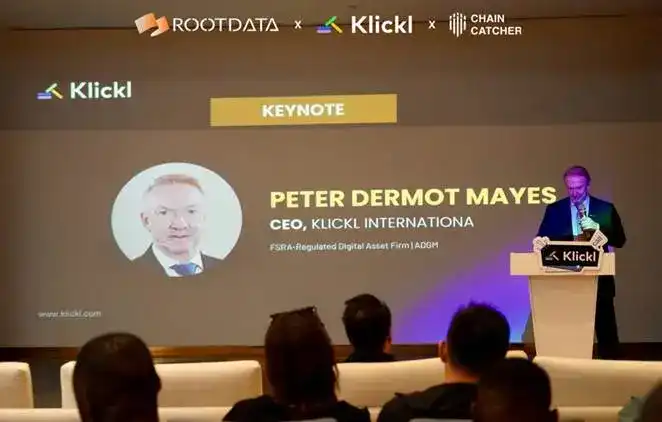
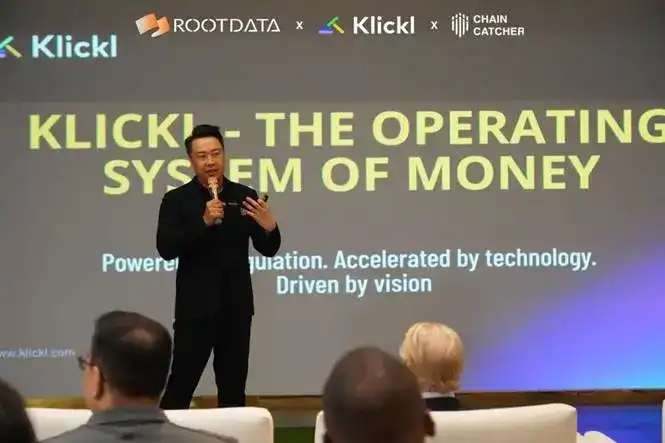
论坛由Klickl的分享拉开序幕。Klickl Group 创始人 Michael Zhao Klickl International CEO Dermot Mayes 发表了主题演讲,系统阐述了 Klickl 对未来全球金融体系演进方向的深度判断,并提出其货币操作系统(Operating System for Future Money的整体愿景,为数字金融基础设施的下一阶段发展提供框架性思考。

Michael Zhao 指出,当今全球金融体系的核心矛盾已从局部效率问题演变为结构性失衡。他强调:未来的金融升级不再是局部优化或单点创新,而是向统一、可监管、可编程的一体化基础设施迈进。唯有如此,传统金融与 Web3 才能真正实现融合。

Klickl International CEO Dermot Mayes 进一步从中东业务实践出发指出,数字金融的核心竞争力正在从技术优势转向监管体系的成熟度。监管原生化(Regulation-Native将成为未来金融基础设施的基本标准——架构需要天然适配不同司法辖区的监管逻辑,而非事后补充。
IMG_256

IMG_256

穿越周期:三大核心投资原则

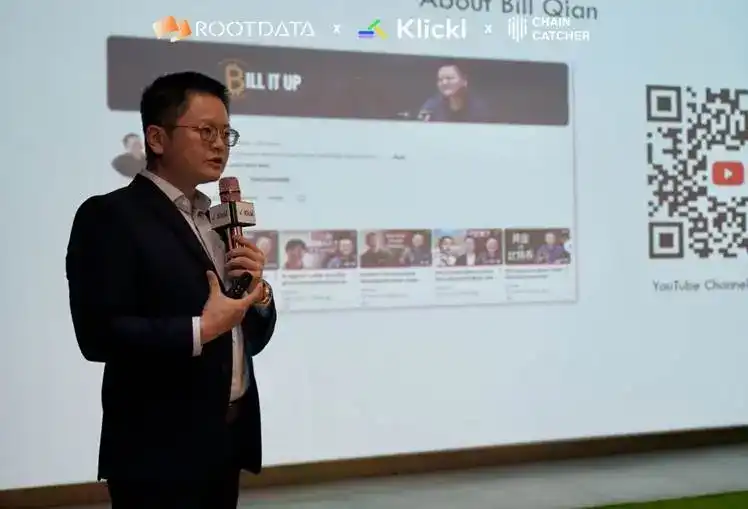
随后,Cypher Capital联合创始人兼管理合伙人Bill Qian发表了题为《无论周期如何,永远重要的事》的主题演讲。他系统阐述了其认为在各类市场环境中均适用的三大核心投资原则:

聚焦头部:投资回报遵循幂律分布而非正态分布。他援引数据指出,72家公司贡献了28114家上市公司总和价值的50%;加密市场中,63%的历史总市值由头部资产贡献。因此,投资者应努力识别并长期持有潜在的“头部赢家”。

拥抱轮动:市场的“Alpha”(超额收益)会在不同板块间轮动,不会永久停留于某一特定赛道。投资者需保持投资组合的多元化与心态的开放性,以捕捉不同周期下的新兴机会。

利用波动:波动性是获取长期高回报的必然代价与入场机会,巴菲特一生也有530%以上的回撤。对长期投资者而言,市场下跌不应被视为风险,而应视为以更优价格增持优质资产的战略性机会。
IMG_256

释放潜力:比特币DeFi的破局关键

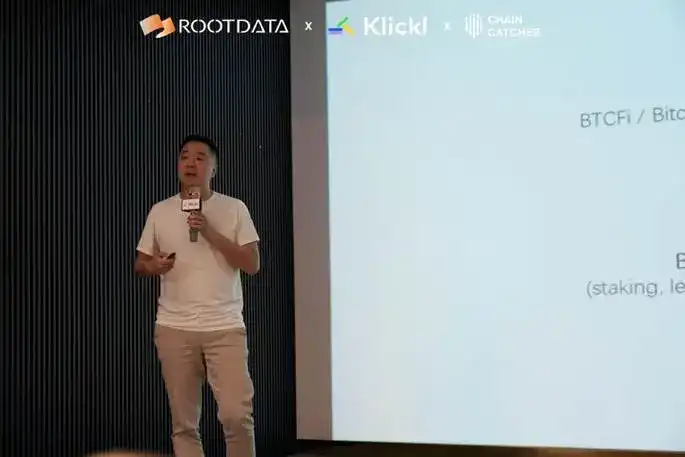
Babylon Labs联合创始人Fisher Yu比特币DeFi的未来为主题,深入分析了当前瓶颈与解决方案。他指出,DeFi市场渴求比特币流动性,但仅有不到1%的比特币通过跨链桥参与,根本原因在于用户必须信任中心化托管方。他强调,破局关键在于实现原生比特币的无信任参与。

为此,Babylon提出了基于BitVM等技术的“Trustless Bitcoin Vault”(无信任比特币保险库)解决方案。该方案允许比特币持有者在不转移资产托管权的情况下,将原生BTC作为抵押品,直接接入以太坊等链上的AaveMorpho等主流DeFi协议进行借贷等操作,从而在不引入信任风险的前提下解锁比特币的金融效用。

Fisher Yu展望,基于此类基础设施将衍生出比特币抵押借贷、衍生品交易及稳定币等一系列创新产品,目标是激活千亿美元级别的比特币进入DeFi,构建一个真正的由比特币充电的加密经济

IMG_256

圆桌对话:共探行业未来趋势

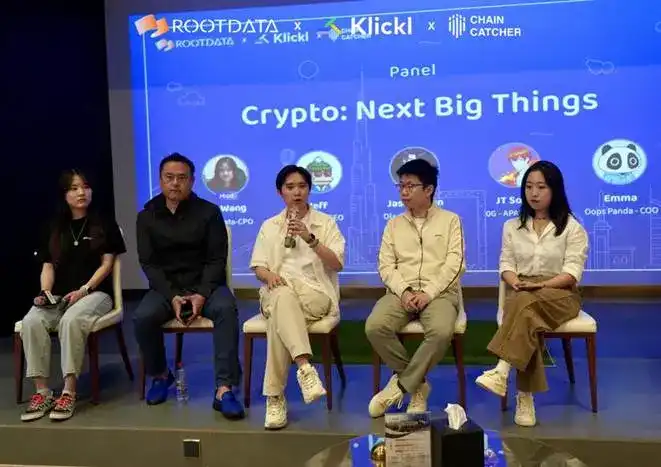
在主题为“CryptoNext Big Things”的圆桌讨论环节,由RootData首席产品经理Ye Wang主持,Solayer首席执行官Jeff0G亚太地区负责人JT SongOlaxbt创始人Jason ChanOops Panda首席运营官Emma共同参与。嘉宾们从Layer2扩展、模块化区块链、新兴资产形态与社区发展等多元视角,展开了富有前瞻性的深度对话,探讨了下一轮周期中可能涌现的关键赛道与创新机遇。
IMG_256

稳定币演进:探索收益与稳定的融合

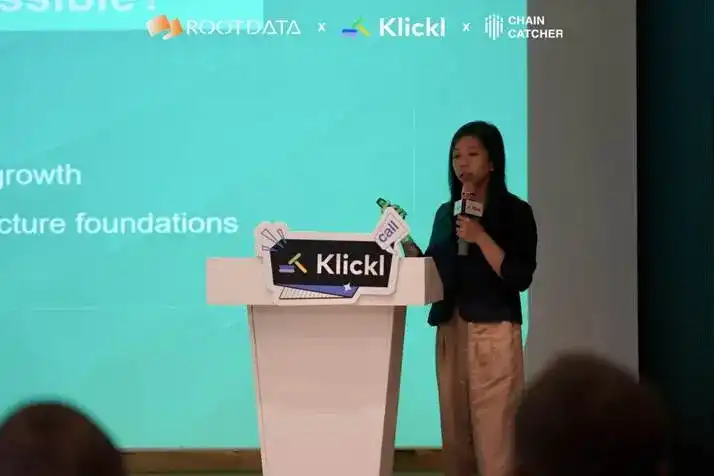
USDD 传播总监 Yvonne Chia 则围绕收益型稳定币是否真正可能这一议题发表演讲,系统阐述了收益型稳定币的实现路径。

演讲中指出,传统稳定币长期面临收益与稳定不可兼得的矛盾。USDD 通过构建稳定收益来源、扩展应用场景、灵活基础设施与全链透明度四大支柱,让稳定币即稳定还有收益成为可能。其中sUSDD 支持持有收益+流动性提供双层收益机制,未来还将接入借贷等多元场景,持续扩展收益边界。

在基础设施层面,USDD 已完成从 1.0 2.0 的协议升级,实现由用户通过 CDP 自主铸造,并引入锚定稳定模块( PSM )以增强抗波动能力。同时,通过全链上财务透明、第三方审计及实时数据看板,构建用户可验证的信任体系。
IMG_256

RootData倡议:以透明度重塑信任基石

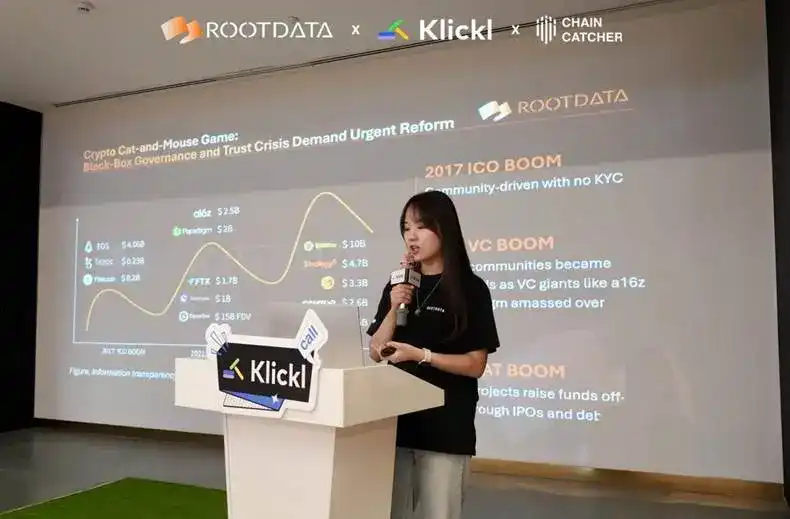
圆桌讨论后,RootData首席产品经理Ye Wang发布了《2025加密货币行业透明度洞察报告》,并宣布RootData正式发布业内首个多维度交易所实时排行榜。报告指出,加密货币行业正面临由信息黑箱引发的系统性信任危机,建立可量化、可验证的透明度体系是行业走向规范与成熟的关键。

Ye Wang分析,行业透明度问题从ICO时代的信息不对称,演进至当前链下融资与链上数据脱节的新矛盾。尤其在代币经济层面,钝刀割肉式的持续解锁与不透明抛售压制了资产价值与市场信心。

为此,RootData推出的新榜单将信息透明度作为核心评估维度,构建了涵盖代币解锁、项目事件、团队信息等七大维度的披露标准,旨在打破唯交易量论的评级惯性,将透明度转化为可量化的竞争力指标,推动交易所在合规框架下完善信息披露,最终帮助投资者做出理性决策,有效延长其投资生命周期。
IMG_256

二、自由交流:思想碰撞,气氛热烈

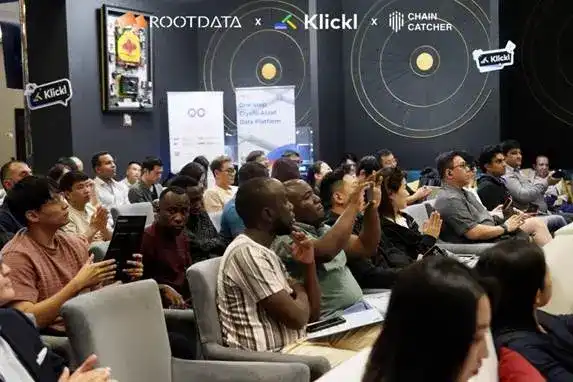
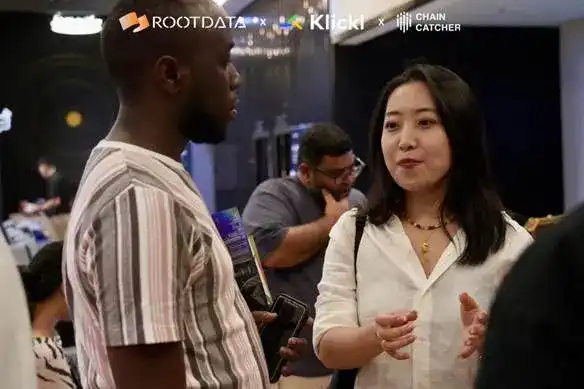
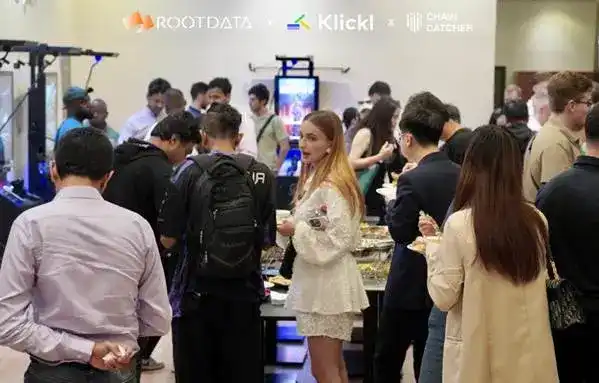
活动的最后环节是自由交流。与会嘉宾与现场观众在轻松的氛围中继续畅谈,就演讲中触及的行业痛点、创新解决方案及未来趋势进行了更直接、更深入的交流与思想碰撞。现场互动频繁,气氛热烈,为本次内涵丰富的论坛画下了一个充满活力的句号。

本次论坛不仅汇集了跨越投资、基础设施、数据服务与资产发行等多维度的前沿思考,更清晰地传递出一个共识:透明度、合规创新与以用户为中心的信任建设,将是引领加密行业穿越周期、实现可持续增长的核心基石。
IMG_256

IMG_256

Lecturas Relacionadas

2029 Finale Prediction: When Cryptocurrency Completely "Vanishes", Who Can Remain in This Financial Upheaval?

By 2029, the crypto industry will have transformed into a largely invisible but foundational layer for traditional finance. This timeline outlines the key shifts from now until then. By mid-2026, the most sought-after assets on-chain will not be traditional tokens, but synthetic perpetual contracts for private, high-growth companies (like SpaceX, OpenAI). These become primary price discovery tools, highlighting the market's craving for real-world asset value. Most altcoins enter a sustained bear market as their fundamental lack of asset-backed value is exposed. In late 2026, the "AI + Crypto" narrative largely fades as AI giants prove they don't need crypto infrastructure, except for prediction markets betting on model performance. Simultaneously, a quiet but significant wave of tokenization for institutional assets (money market funds, private credit) begins. The industry splits into a noisy speculative economy and a silent institutional one. Throughout 2027, major public blockchain foundations pivot decisively to serve institutional clients, building compliance toolkits and sales teams. However, key sectors hit growth ceilings: private perpetual contracts are legally restricted from public promotion, stable币 growth is capped by looming political uncertainty, and tokenization projects remain cautious. In 2028, following a U.S. election assumed to maintain a regulatory (not prohibitive) stance, a pivotal change occurs. After a major liquidation crisis exposes the flaws of synthetic contracts lacking a real-asset anchor, new regulations allow the *public solicitation* of private security sales (secondary market shares) to accredited investors. This creates a legitimate, direct on-ramp for retail capital into previously illiquid private equity. By 2029, the resulting bull market is driven by trading in real, innovative company shares (biotech, robotics, AI labs), not speculative tokens. "Crypto" as a distinct asset class recedes; it becomes the mundane, unseen plumbing for this new global private markets infrastructure. Tokens that survive are those capturing real cash flows from this infrastructure. Speculation persists but is marginalized. The core questions posed at the start are answered: token value is tied to legally enforceable claims on real assets, frontier tech adoption happens via private market channels, and crypto's absorption into traditional finance is marked by its becoming boring and invisible. The key validation for this entire thesis is whether, by late 2028, a legal pathway exists for ordinary accredited investors to access private assets directly.

marsbitHace 12 min(s)

2029 Finale Prediction: When Cryptocurrency Completely "Vanishes", Who Can Remain in This Financial Upheaval?

marsbitHace 12 min(s)

After the U.S. Banned Fable 5, Zhipu's Stock Soared 47%

On June 15, Chinese AI company Zhipu's stock surged up to 47.6% in Hong Kong, closing with a 32.82% gain. This sharp rise followed two key industry events. On June 12, Anthropic was compelled by a U.S. government export control order to suspend global access to its latest flagship models, Claude Fable 5 and Claude Mythos 5, impacting developers and businesses reliant on them. The next day, Zhipu announced it was opening access to its new open-source flagship model, GLM-5.2, for all Coding Plan users, with API and model weights (under the MIT license) to follow. The Anthropic incident highlighted a critical shift in the AI industry: beyond raw capability, the stability, continuous accessibility, and control over AI models are becoming equally vital, especially as AI integrates deeper into business workflows. Zhipu's move, emphasizing that "frontier intelligence should not belong to a few nor be subject to arbitrary revocation," positioned its open, accessible model as an alternative. GLM-5.2 focuses on "Long Horizon Tasks" with a 1M context window, aiming for consistency in complex, extended projects. Market analysts suggest this event exposes the risk of dependency on closed-source models subject to single jurisdiction policies, potentially accelerating a shift toward domestic base models and localized deployments. The investment response indicates a new valuation metric is emerging—prioritizing which companies can provide AI capabilities that are not only advanced but also reliably and sustainably accessible.

marsbitHace 13 min(s)

After the U.S. Banned Fable 5, Zhipu's Stock Soared 47%

marsbitHace 13 min(s)

PANews Column Registration and Article Submission Guide

"PANews Column Registration and Submission Guide" provides instructions for users to register as columnists and publish articles on the PANews platform. Key application requirements are emphasized: content should focus on in-depth analysis within Crypto, Web3, blockchain, data, and viewpoints. Content primarily for brand/product introductions will not be approved, and heavily AI-generated content will be rejected. Promotional (PR/soft) content is directed to the business channel. **Registration Process:** * **Web:** Go to the official website footer, click "Apply for Column," and register with a phone number or email (login via verification code, no password). Fill in the column name, description, upload an avatar, and submit links to previously published work. * **Mobile:** Navigate to "My" -> "Contribute & Create" and complete the form. **Article Submission Tutorial:** 1. Log in to the PANews website. 2. Access the "Creator Center" from your personal homepage. 3. Use the editor to create and publish articles. **Video Upload:** The platform supports embedding videos from third-party sites (e.g., Bilibili). Copy the embed code from the source video, use the editor's "Insert/Edit media" button, paste the code under the "Embed" tab, and adjust the display size (recommended: width 100%, height 560px). **PANews Skills (AI Agent Tool):** PANews offers an official AI Agent skill set called PANews Skills, enabling AI tools to query platform content, track trends, and publish column articles directly. It includes three main skills: 1. `panews`: For tracking daily must-read lists, popular articles, and funding news. 2. `panews-creator`: For managing columns, publishing articles, and uploading images. 3. `panews-web-viewer`: For parsing PANews webpages into Markdown. These skills are compatible with various AI Agent tools (OpenClaw, Cursor, Claude Code, ChatGPT, Gemini, etc.). To use the `panews-creator` skill, users must obtain a specific authentication value from the PANews website after logging into their columnist account.

marsbitHace 24 min(s)

PANews Column Registration and Article Submission Guide

marsbitHace 24 min(s)

I Built Myself an Investment Workbench Using AI

For the past two weeks, I've been immersed in Vibe Coding—using AI to write code from natural language descriptions. This process has enabled me to quickly build functional tools that address long-standing personal ideas. Previously, I had many concepts but found execution too cumbersome. Key ideas included a unified dashboard for assets across US stocks, Crypto, HK stocks, and A-shares; a real-time alert system for price movements; an investment map visualizing sector relationships; and a tool to correlate prediction market bets with news and market data. Traditional development hurdles meant these often remained unrealized. Using AI (Codex, Claude Code, and DeepSeek API), I built four initial tools: 1. A **Cross-Market Asset Dashboard** showing total assets, daily P&L, and holdings by market, with added features for alerts and sector mapping. It's deployed locally for privacy. 2. A **Prediction Market (PM) Monitor** tracking bets on events (e.g., company valuations) and correlating probability shifts with news and market movements. I categorize bets by conviction to filter noise. 3. A **Simple Operations Backend** for managing my writing workflow (topics, progress, publishing). It's cloud-deployed for mobile access. 4. A **One-Click Formatting Tool** that automates converting drafts into various platform-specific formats, saving manual effort. While these tools are basic, they represent a significant shift: AI lowers the barrier to creating personalized systems. I believe individual investors can now feasibly build core systems for: * **Asset Observation** (tracking holdings and changes) * **Signal Monitoring** (watching for key market shifts) * **Sector Mapping** (understanding network relationships within a sector) * **Performance Review** (documenting rationale and outcomes) The power of Vibe Coding is its fast feedback loop. Ideas can be implemented, tested, and iterated on rapidly, turning "want-to-do" into "done." This marks the start of my new phase, where I'll share investment thoughts, tool tests, on-chain operations, and educational Web3 content.

marsbitHace 40 min(s)

I Built Myself an Investment Workbench Using AI

marsbitHace 40 min(s)

Trading

Spot
Futuros

Artículos destacados

Cómo comprar USDD

¡Bienvenido a HTX.com! Hemos hecho que comprar USDD (USDD) sea simple y conveniente. Sigue nuestra guía paso a paso para iniciar tu viaje de criptos.Paso 1: crea tu cuenta HTXUtiliza tu correo electrónico o número de teléfono para registrarte y obtener una cuenta gratuita en HTX. Experimenta un proceso de registro sin complicaciones y desbloquea todas las funciones.Obtener mi cuentaPaso 2: ve a Comprar cripto y elige tu método de pagoTarjeta de crédito/débito: usa tu Visa o Mastercard para comprar USDD (USDD) al instante.Saldo: utiliza fondos del saldo de tu cuenta HTX para tradear sin problemas.Terceros: hemos agregado métodos de pago populares como Google Pay y Apple Pay para mejorar la comodidad.P2P: tradear directamente con otros usuarios en HTX.Over-the-Counter (OTC): ofrecemos servicios personalizados y tipos de cambio competitivos para los traders.Paso 3: guarda tu USDD (USDD)Después de comprar tu USDD (USDD), guárdalo en tu cuenta HTX. Alternativamente, puedes enviarlo a otro lugar mediante transferencia blockchain o utilizarlo para tradear otras criptomonedas.Paso 4: tradear USDD (USDD)Tradear fácilmente con USDD (USDD) en HTX's mercado spot. Simplemente accede a tu cuenta, selecciona tu par de trading, ejecuta tus trades y monitorea en tiempo real. Ofrecemos una experiencia fácil de usar tanto para principiantes como para traders experimentados.

281 Vistas totalesPublicado en 2024.12.11Actualizado en 2026.06.02

Cómo comprar USDD

Discusiones

Bienvenido a la comunidad de HTX. Aquí puedes mantenerte informado sobre los últimos desarrollos de la plataforma y acceder a análisis profesionales del mercado. A continuación se presentan las opiniones de los usuarios sobre el precio de USDD (USDD).

活动图片