Суверенное принятие биткоина станет главным катализатором роста: Джефф Парк

cryptonews.ruPublicado a 2025-11-18Actualizado a 2025-11-22

Многие участники крипторынка спорят о возможных триггерах для значительного движения цены биткоина. Главный инвестиционный директор ProCap Джефф Парк назвал ключевой катализатор для роста цена биткоина (BTC).

«Триггером для роста биткоина стало бы суверенное принятие», — заявил он на подкасте.

По теме: зафиксированные убытки биткоина достигли уровня краха FTX — где дно?
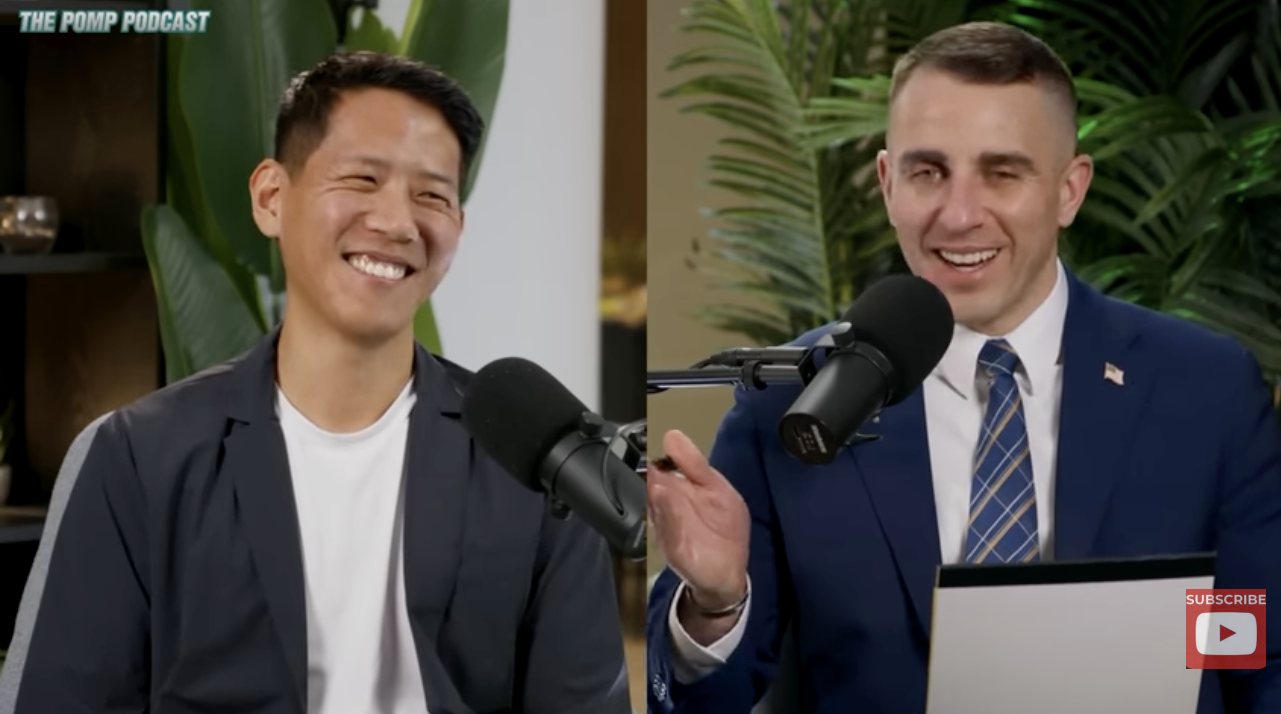
Cryptocurrencies, Quantum Computing
Джефф Парк на подкасте. Источник: Энтони Помплиано.

По мнению эксперта, внезапные новости о том, что крупная развитая страна планирует вложиться в первую криптовалюту, могли бы способствовать взлету котировок до $150 000 за ночь. При текущей цене цифрового золота в $84 000 это подразумевает рост приблизительно на 80%.

Однако Парк подчеркнул, что событие должно быть подлинным — не маркетинговым ходом, слухом или неверной интерпретацией слов чиновников.

Основатель Jan3 Самсон Моу недавно заявил, что принятие биткоина странами может произойти раньше, чем многие того ожидают:

«Я думаю, мы находимся на завершающей стадии постепенных изменений и в начале фазы внезапных».

По теме: для прочного фундамента рынку нужно потерять еще 50%

Биткоин и квантовые вычисления

Парк также отметил, что в краткосрочной перспективе некоторая «ясность в решении» вопроса квантовых вычислений может помочь первой криптовалюте.

«Я знаю, что квантовые технологии — это “страшилка”, о которой люди продолжают говорить», — пояснил он.

Спикер также добавил, что именно эта неясность отчасти способствует распродажам монеты со стороны долгосрочных инвесторов.

«Если киты продают, они делают это по причинам, которые столь же маловероятны, как и причины их покупки в 2012 и 2011 годах», — сказал Парк.
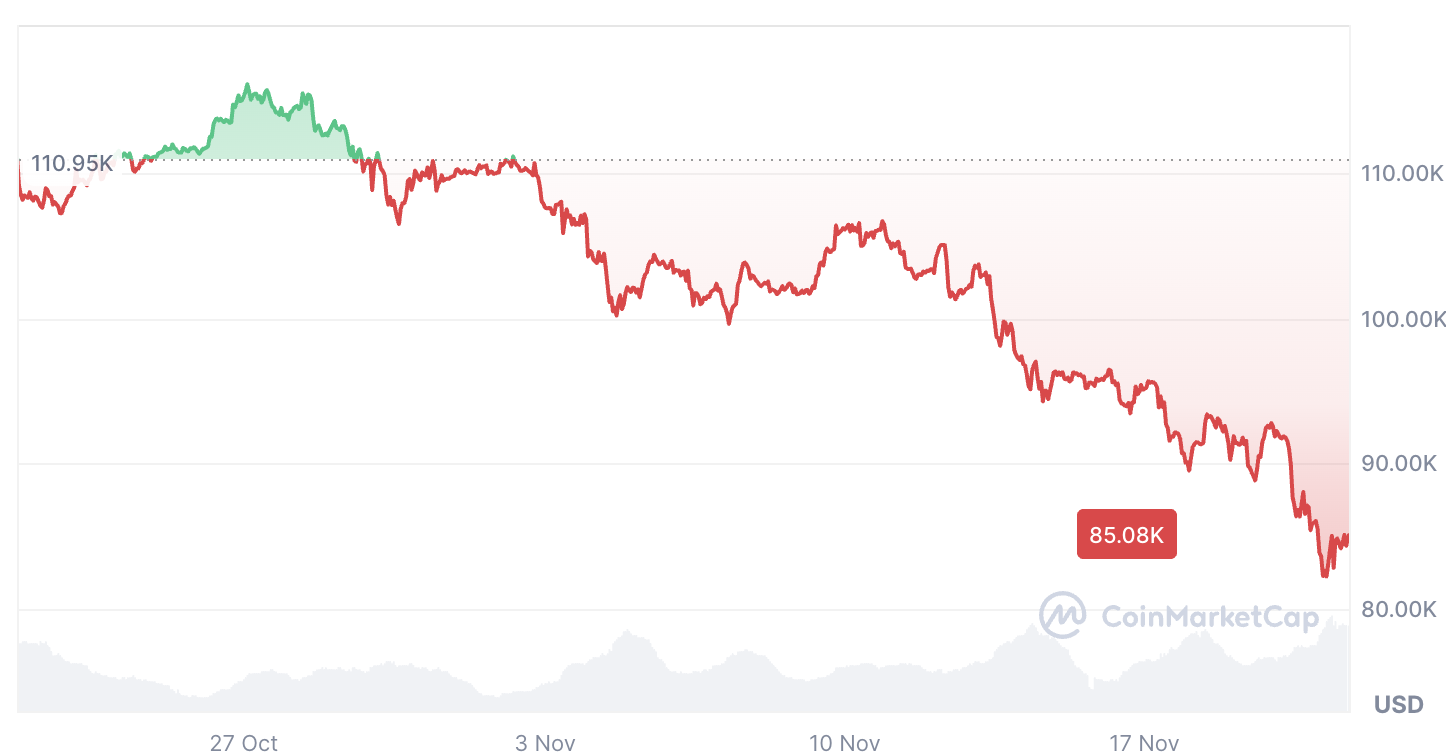
Cryptocurrencies, Quantum Computing
Месячный график биткоина. Источник: CoinMarketCap.

Однако в Glassnode считают, что недавние продажи биткоин-китов не выходят за рамки привычного паттерна.

«Долгосрочные держатели фиксировали прибыль на протяжении всего этого цикла, как они делали в каждом предыдущем», — отметили аналитики.

Парк с этим мнением не согласен. По его словам, ясность может стать «тем, что остановит по крайней мере давление продаж».

«Если вы останавливаете давление продаж, тогда вы понимаете, что давление покупок фактически добавляет инкрементный капитал для ценового движения», — объяснил он.

По теме: биткоин не более волатилен, чем традиционные финансовые активы

Lecturas Relacionadas

Sam Altman's ChatGPT Parenting Method Stirs Controversy

Sam Altman, CEO of OpenAI, recently faced significant backlash after sharing a concept for using ChatGPT to manage family life. He suggested feeding the AI family schedules and children's interests to generate a personalized morning podcast for car rides, covering topics from soccer games to birthdays alongside news for parents. The post, intended to showcase a "cool" AI application, was widely criticized online. Critics, including "Gravity Falls" creator Alex Hirsch, argued the idea undermined genuine parent-child interaction, with Hirsch's rebuttal—"You could just... talk to your kids?"—gaining far more engagement than Altman's original post. This incident highlights a perceived contradiction in Altman's persona, who has previously expressed the pain of missing time with his child while now proposing AI-mediated conversations. This is not Altman's first promotion of AI-assisted parenting; he has previously described using ChatGPT as a 24/7 parenting encyclopedia for newborn care questions. However, the latest suggestion—having AI script family conversations—crossed a line for many, shifting his image from an anxious new dad to primarily an OpenAI promoter. The controversy coincides with OpenAI's strategic push into the "family AI" space, as evidenced by hiring a family product manager and shifting user demographics toward older parents. While AI can efficiently manage schedules and information, the strong public reaction underscores the sensitivity of applying AI to core human relationships. Critics emphasize that AI should assist with logistical tasks to free up time for family, not replace the empathy, spontaneous connection, and shared experiences that define genuine caregiving. The debate points to crucial boundaries for AI in the home, where efficiency is less important than authentic human connection.

marsbitHace 2 min(s)

Sam Altman's ChatGPT Parenting Method Stirs Controversy

marsbitHace 2 min(s)

Just Now, OpenAI's Largest Pre-trained Model Doug Exposed

On August 9, X user ChrisGPT reported that OpenAI is advancing a new large-scale pre-training model codenamed **Doug**, which is said to be its largest such project to date and distinct from GPT-6. ChrisGPT later suggested GPT-6 is likely Astra, a model OpenAI recently paused due to safety concerns, with Doug potentially launching by November. This aligns with a July 9 research memo from SemiAnalysis, which stated OpenAI has overcome pre-training issues and is actively developing a much larger model codenamed Doug. If accurate, this signals a potential shift: after nearly two years of relying primarily on post-training, reinforcement learning (RL), and inference-time compute for capability gains—evidenced by models like o1, o3, and the GPT-5 system—OpenAI may be restarting large-scale foundational model scaling. The backdrop includes competitive pressure from Google's Gemini 3 release in November 2025, which reportedly prompted internal focus at OpenAI. In December 2025, The Information reported OpenAI was developing a pre-training model codenamed **Garlic**, which showed promising results and incorporated key bug fixes. This project reportedly paved the way for an "even bigger and better model"—likely Doug. In summary, Doug may represent OpenAI's return to significant base model scaling, building on resolved pre-training challenges and aiming to push capabilities beyond the limits of the current GPT-4o-era foundation enhanced by advanced post-training techniques.

marsbitHace 23 min(s)

Just Now, OpenAI's Largest Pre-trained Model Doug Exposed

marsbitHace 23 min(s)

OpenAI Researcher: We Don't Read Papers Anymore

An OpenAI researcher's remark that top AI labs "no longer read papers" sparked widespread discussion, highlighting a deepening crisis of trust in academic publishing. This sentiment followed exposure of questionable practices in an ICLR paper, where exceptional results were linked to undisclosed "tricks." A large-scale "experimental review" by SAI of 168 Oral papers from ICML 2026 revealed severe reproducibility issues. Of the 105 papers fully replicated, only 8 successfully verified over 80% of their claims, with a median verification rate of just 28-30%. Common problems included non-runnable code, missing files, incomplete documentation, and results mismatching those reported. Some papers even relied on now-offline models, making verification impossible. Specific cases involved an 8x inflation in claimed trained parameters and missing evaluation models from released code. Verifying a single ICML Oral paper had a median cost of around $8,900, with 17 exceeding $100,000. This creates a perverse incentive: flawed research carries high rewards (citations, jobs) with minimal risk of exposure, as verification is prohibitively expensive or impossible without code. While industry researchers at well-resourced labs may rely less on papers due to internal experiments and resources, academic and early-career researchers remain heavily dependent on publications for PhD applications, faculty positions, and entry into top labs. This creates a paradoxical system where papers are increasingly distrusted as reliable knowledge sources yet retain their gatekeeping value in career advancement. The situation underscores a critical need for systemic reforms to ensure scientific integrity and reproducibility in AI research.

marsbitHace 32 min(s)

OpenAI Researcher: We Don't Read Papers Anymore

marsbitHace 32 min(s)

Trading

Spot
活动图片