Компания Трампа планирует токенизировать проект курорта на Мальдивах

investing.ruPublicado a 2025-11-18Actualizado a 2025-11-18

Frankmedia - Компания Trump Organization вместе с девелопером Dar Global объявили о планах создать Trump International Hotel Maldives и выпустить связанные с проектом токены, говорится в совместном пресс-релизе компаний.

По данным Dar Global, будет токенизирован этап девелопмента, а не готовый объект — формат, который компании называют первым подобным в мире. Токенизация позволит инвесторам участвовать в проекте с начальной стадии.

Курорт планируется разместить в 25 минутах на катере от Мале. Он будет включать около 80 ультра-люксовых пляжных и водных вилл, а открытие запланировано на конец 2028 года.

Исполнительный вице-президент Trump Organization Эрик Трамп заявил, что проект «установит новый ориентир для инноваций в инвестиционных структурах». Гендиректор Dar Global Зиад Эль-Шаар отметил, что компания «продолжает расширять использование альтернативных механизмов привлечения капитала» и считает токенизацию девелопмента «глобальным прецедентом».

Агентство Bloomberg отмечает, что проект на Мальдивах развивается на фоне того, что президент США Дональд Трамп и его семья расширяют свое присутствие в криптоиндустрии. Трамп также подписал ряд указов в поддержку отрасли, а США недавно приняли законодательство о стейблкоинах.

    • Dar Global — лондонское подразделение саудовского девелопера. Курорт планируют открыть к концу 2028 года. Он дополняет серию проектов, которые две компании развивают под брендом Trump. Большая часть находится в странах Персидского залива — в Дубае, Саудовской Аравии, Омане и Катаре. Dar Global строит Trump Towers в Джидде и Дубае, а также сотрудничает с Trump Organization над курортами, роскошным жильем и полями для гольфа в Катаре и Омане.
  • По данным Bloomberg, наследный принц Саудовской Аравии Мохаммед бин Салман на этой неделе посетит Вашингтон — впервые с 2018 года. Он встретится с Трампом во вторник, 18 ноября, и рассчитывает на соглашения об укреплении двухсторонних связей.


Читайте оригинальную статью на сайте Frankmedia

Lecturas Relacionadas

Will History Repeat Itself? Fidelity Lists Five Catalysts to End the Crypto Winter

Fidelity's new report suggests that the current crypto winter for Bitcoin may be nearing its end, identifying five potential catalysts that could drive a market turnaround based on historical patterns. First, Bitcoin's approximately four-year cycle, driven by its halving mechanism, historically marks peaks and troughs. The last bottom was in November 2022, potentially pointing to the next around November 2026, though cycle length can vary. Second, clearer regulation has often preceded past bull markets. The focus is now on the CLARITY Act, which aims to clarify US digital asset oversight between the SEC and CFTC. Its passage could unlock domestic activity currently held back by legal uncertainty. Third, Federal Reserve monetary policy plays a role. A shift to lower interest rates tends to correlate with rising crypto prices by reducing borrowing costs and boosting risk appetite, though markets may price this in well ahead of any official change. Fourth, the emergence of breakthrough applications can fuel investor interest. Current trends like real-world asset tokenization, AI-related crypto infrastructure, and stablecoins are being watched, but history shows the biggest catalysts are often unexpected. Fifth, a new wave of institutional adoption could be a trigger. While ongoing adoption in 2026 hasn't sparked a new bull run, a major unexpected move—like a significant purchase by a tech giant or adoption as a hedge in a global crisis—could create a powerful new narrative. Fidelity concludes that while the market is in a downturn, historical turning points have often resulted from a combination of such factors, and the next phase for Bitcoin may depend on which of these catalysts materializes first.

Foresight NewsHace 3 min(s)

Will History Repeat Itself? Fidelity Lists Five Catalysts to End the Crypto Winter

Foresight NewsHace 3 min(s)

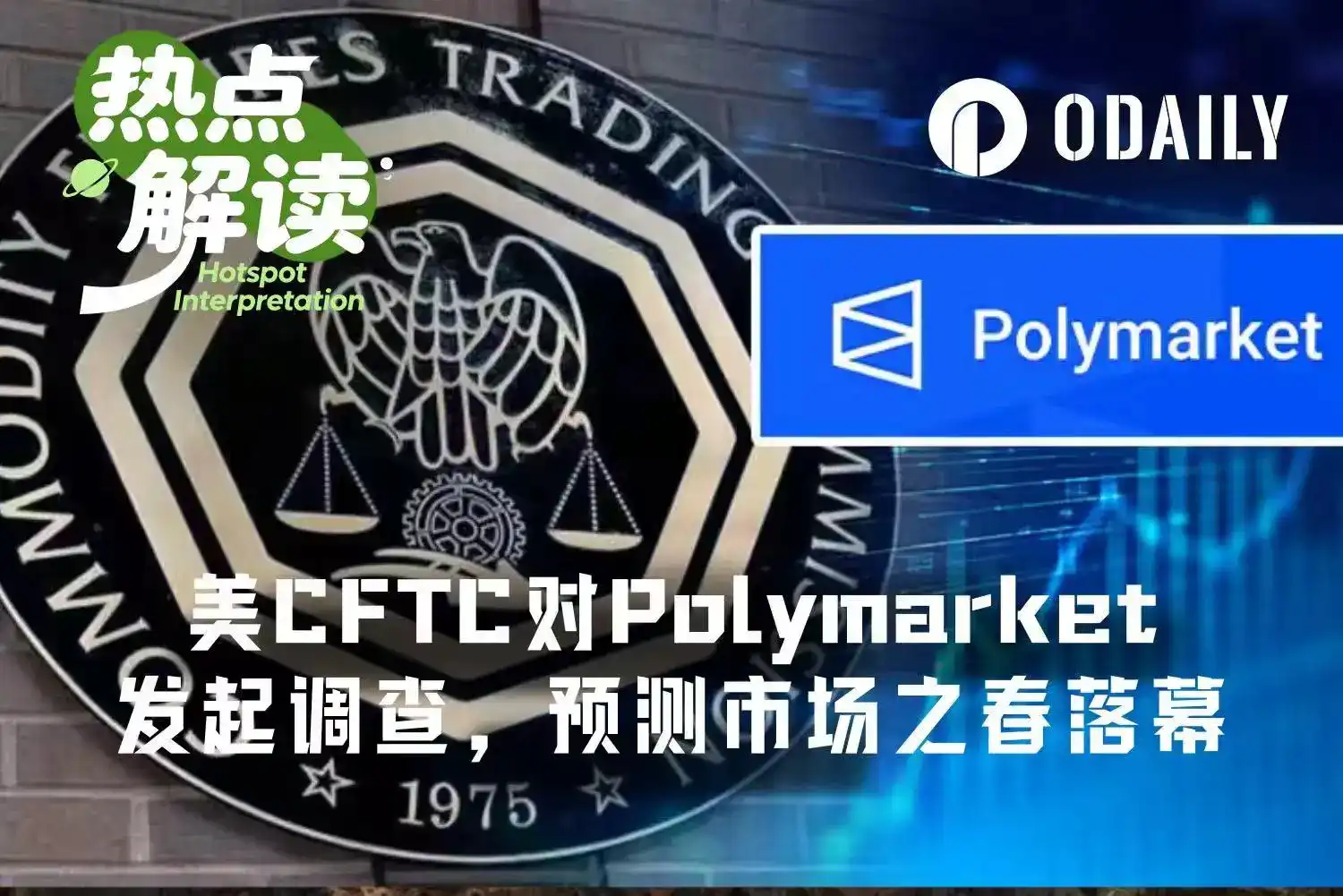
US CFTC Launches Broad Investigation into Polymarket, Is the Prediction Market Party Coming to an End?

The U.S. Commodity Futures Trading Commission (CFTC) is conducting a broad investigation into the prediction market platform Polymarket, focusing on its business practices including social media promotions. This follows a bipartisan letter from U.S. senators urging the CFTC to probe alleged fraudulent marketing tactics used to promote gambling-like products. The action coincides with a period of explosive growth for the prediction market sector, driven by events like the World Cup, with platforms like Kalshi and Robinhood reporting record trading volumes and revenue. The investigation signals a potential end to the sector's unregulated expansion and may lead to clearer federal oversight, particularly regarding investor protection and distinguishing prediction markets from traditional sports betting. The CFTC's move has also intensified a jurisdictional conflict with multiple U.S. states (including Kentucky and New York), which have sued platforms like Polymarket and Kalshi, accusing them of operating illegal sports betting and threatening state gambling tax revenues. Furthermore, the CME Group has sued the CFTC, challenging its approval of certain prediction market products. The report also highlights the political and capital interests intertwined with the industry. Donald Trump Jr. holds advisory and investment roles in both Kalshi and Polymarket, and the Trump administration has previously emphasized federal regulatory authority over these markets. The CFTC's investigation into Polymarket is framed as a step towards formalizing the industry's regulatory landscape, moving it from a phase of "wild growth" towards a more structured future.

marsbitHace 2 hora(s)

US CFTC Launches Broad Investigation into Polymarket, Is the Prediction Market Party Coming to an End?

marsbitHace 2 hora(s)

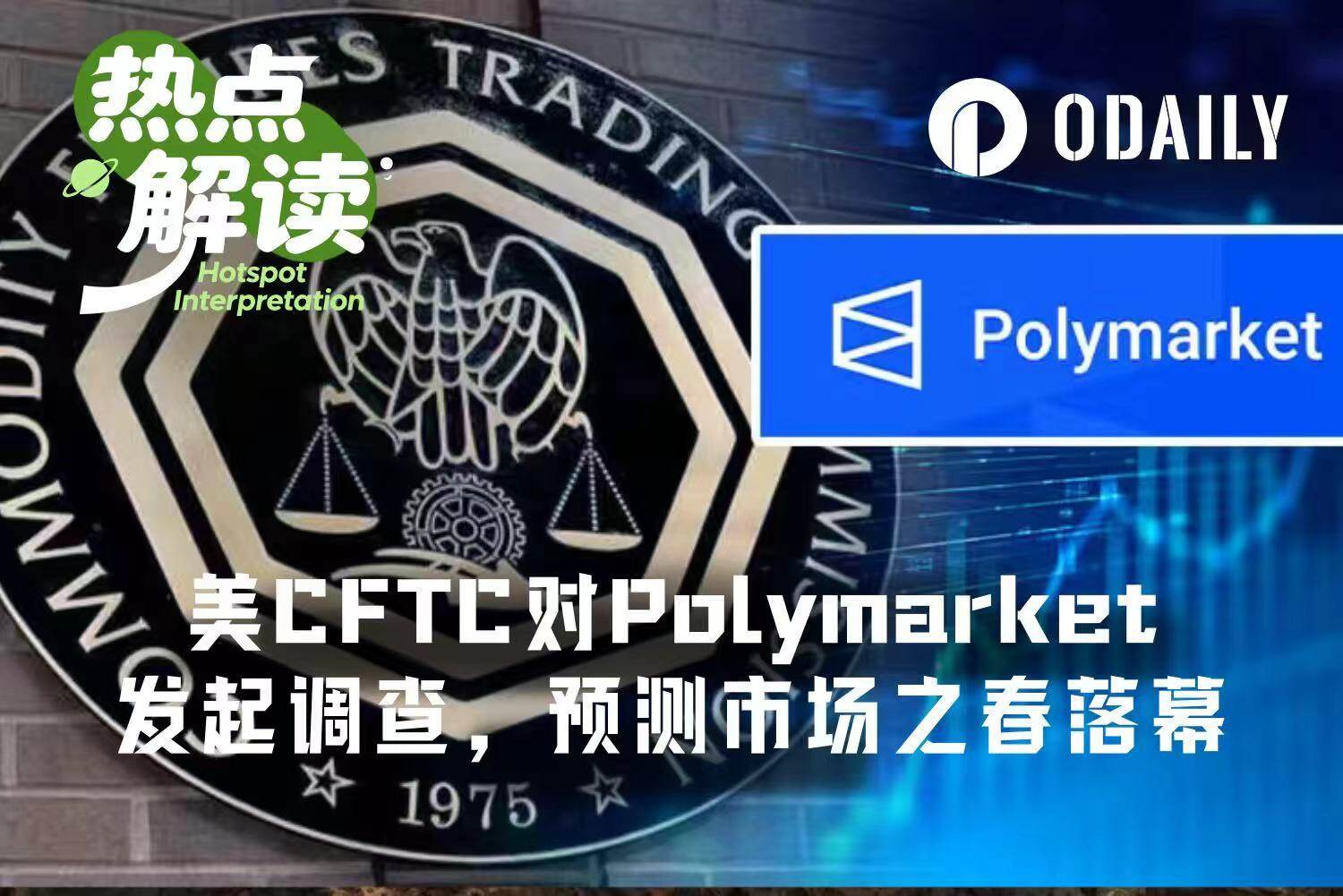
U.S. CFTC Launches Extensive Investigation into Polymarket, Is the Prediction Market Frenzy Season Cooling Down?

The U.S. Commodity Futures Trading Commission (CFTC) has launched a broad investigation into the prediction market platform Polymarket, focusing on its business practices including social media activities. This follows a bipartisan letter from U.S. senators urging the CFTC to probe allegations of paid influencer false marketing and fraudulent promotion of gambling-like products to American users. The investigation comes as the prediction market sector experiences explosive growth, largely driven by the World Cup. Weekly trading volumes have hit record highs, exceeding $14.4 billion, with platforms like Kalshi and Robinhood's new venture seeing significant activity. Major firms like Meta are also showing interest in the space. This regulatory scrutiny signals a potential end to the sector's "wild growth" phase. The CFTC's move also highlights an escalating jurisdictional conflict between federal regulators and state authorities. Over a dozen states, including Kentucky and New York, have sued platforms like Polymarket and Kalshi, accusing them of operating illegal sports betting, which threatens state gambling tax revenues. The CFTC is countersuing to assert its exclusive federal jurisdiction over these "event contracts" as derivatives. Furthermore, the CFTC's approval of Kalshi's Bitcoin perpetual futures contract has sparked a lawsuit from traditional exchange CME, alleging regulatory overreach. The political and capital landscape is intricate, with Donald Trump Jr. holding advisory roles and investments in both Kalshi and Polymarket. This connects capital, political influence, and regulatory bodies, suggesting the current investigation may be a step toward formalizing the industry's rules rather than halting its progress.

Odaily星球日报Hace 2 hora(s)

U.S. CFTC Launches Extensive Investigation into Polymarket, Is the Prediction Market Frenzy Season Cooling Down?

Odaily星球日报Hace 2 hora(s)

Trading

Spot
活动图片